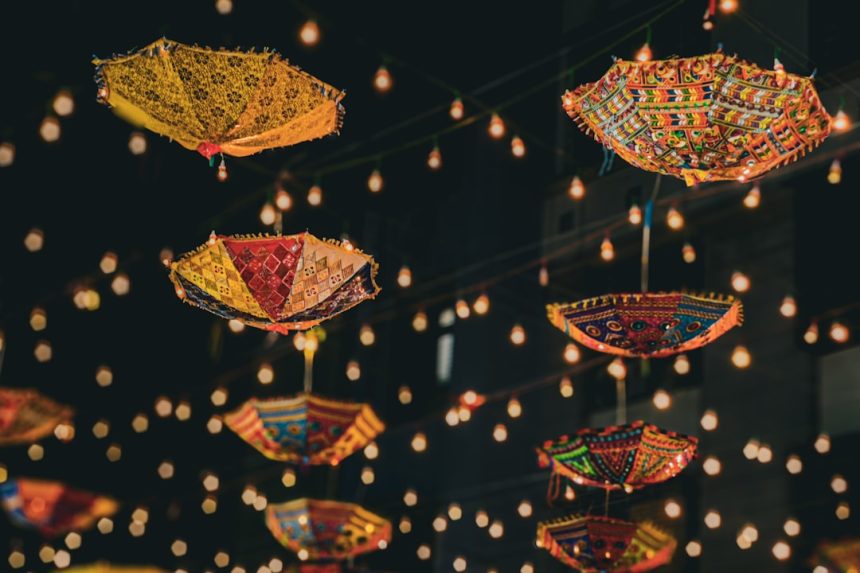
Shakti Awakens: The Core Spiritual Force (Image Credits: Unsplash)
Navratri stands as a vibrant celebration of divine feminine energy, drawing millions across the globe into nine nights of devotion and renewal. This festival honors Goddess Durga and her manifestations, offering a profound opportunity for spiritual cleansing and inner empowerment. From traditional heartlands to diaspora communities in distant lands, participants embrace practices that foster clarity, resilience, and emotional harmony in everyday life.[1]
Shakti Awakens: The Core Spiritual Force
Durga embodies Shakti, the primal energy driving strength, intuition, and change within every individual. Observers often discover that this festival dismantles barriers like fear and doubt, paving the way for mental fortitude amid adversity. Modern interpretations frame it as a tool for healing emotional wounds and sharpening decision-making skills.[1]
Participants report heightened awareness after engaging with these principles. The festival’s rituals encourage a shift from chaos to composure, mirroring life’s cycles of challenge and triumph. This inner awakening proves especially potent in a world rife with stress and uncertainty.
Nine Nights, Nine Stages of Renewal
Each day of Navratri aligns with a unique form of the goddess, guiding devotees through progressive emotional and spiritual evolution. These stages mirror journeys from instability to enlightenment, providing structured paths for personal growth. Devotees worldwide synchronize their practices to harness this sequence.[1]
The progression unfolds as follows:
- Day 1: Shailputri fosters grounding and stability.
- Day 2: Brahmacharini instills discipline and patience.
- Day 3: Chandraghanta promotes emotional balance.
- Day 4: Kushmanda sparks creativity and positivity.
- Day 5: Skandamata nurtures compassion.
- Day 6: Katyayani builds courage and strength.
- Day 7: Kalaratri confronts inner fears.
- Day 8: Mahagauri purifies emotions.
- Day 9: Siddhidatri achieves fulfillment and alignment.
Cleansing Rituals for Body and Mind
Fasting, meditation, and mindful eating form the backbone of Navratri observances, acting as a comprehensive detox. These practices rest the body while clearing mental fog, often leading to sharper focus and reduced anxiety. Simpler diets during the festival enhance emotional sensitivity and overall well-being.[1]
Communities adapt these rituals creatively, incorporating yoga or quiet reflection. The emphasis remains on intention over strict adherence, making the experience accessible. Such habits yield lasting benefits, from improved sleep to greater self-awareness.
Zodiac Energies Amplified During Navratri
The festival’s vibrations resonate uniquely with astrological signs, offering tailored boosts for cosmic alignment. Fire signs like Aries, Leo, and Sagittarius learn to temper impulses with purpose. Earth signs such as Taurus, Virgo, and Capricorn embrace flexibility alongside their grounded nature.[1]
Air signs – Gemini, Libra, Aquarius – gain decisiveness amid scattered thoughts. Water signs including Cancer, Scorpio, and Pisces undergo deep intuitive shifts. This synergy enhances the festival’s transformative potential for all.
Global Celebrations and Lasting Impact
Beyond India, Navratri thrives in places like the United States through dance events, workshops, and gatherings. Garba and Dandiya nights blend culture with spirituality, attracting diverse crowds seeking mindfulness. These events underscore the festival’s adaptability to contemporary wellness trends.[1]
Many emerge with tangible changes: calmer minds, bolder choices, and deeper peace. The simplicity of its practices proves key, inviting broad participation without overwhelming demands.
Key Takeaways from Navratri:
- Shakti energy combats negativity and builds resilience.
- Nine days guide emotional evolution through goddess forms.
- Zodiac-specific influences enhance personal growth worldwide.
Navratri ultimately serves as a timeless reminder that true power resides in quiet reflection and release. It bridges ancient wisdom with modern needs, fostering transformations that endure. What experiences have you had with this festival? Share in the comments below.