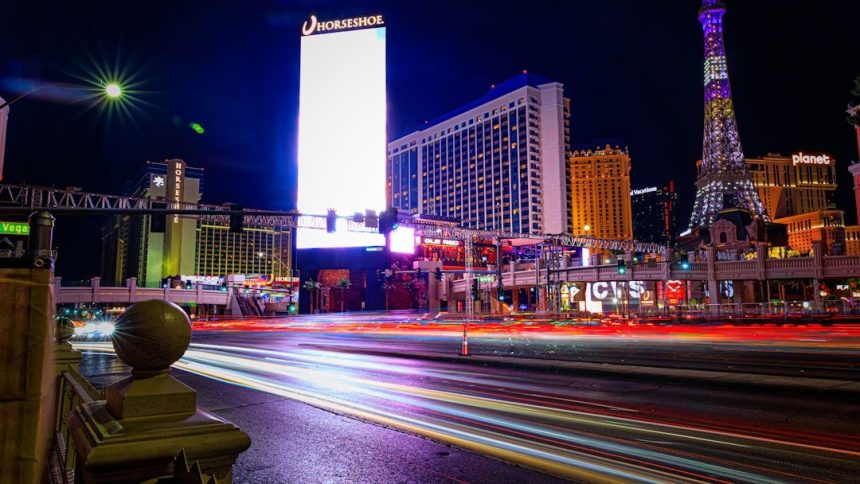
Las Vegas has always traded in reinvention. New towers rise while old ones fall, and the Strip reshapes itself with a regularity that would feel violent if it weren’t so deliberate. The casinos that once defined this city, their marquees blazing through the desert night, are largely gone now, replaced by stadiums, guitar-shaped hotels, and luxury towers that feel like they belong to a different city entirely. What remains of those vanished properties is scattered across museum boneyards, digital archives, and the fading memories of longtime workers and regulars. Preserving that history, fragmentary and imperfect as it is, has become one of the more quietly urgent cultural projects in contemporary America.
A City Built to Forget

Las Vegas Strip vintage casino history is predominantly demolition history. Between 1990 and 2016, iconic properties that defined Vegas glamour were systematically destroyed, often televised as spectacles, erasing architectural history in favor of themed mega-resorts. The speed of this cycle is worth sitting with for a moment. Buildings that stood for decades were wiped away in seconds, and the crowds cheered.
Las Vegas is famous for constantly reinventing itself, tearing down the old to make room for the new. Over the decades, some of the most legendary casinos that helped define the city’s glitzy reputation have been reduced to rubble in dramatic implosions. The city has essentially made destruction part of its entertainment brand.
The Tropicana’s October 2024 implosion was the first implosion in nearly a decade for a city that loves fresh starts and that has made casino implosions as much a part of its identity as gambling itself. That pause between demolitions was almost long enough to feel like the era of implosion-as-spectacle was over. It wasn’t.
The Tropicana: Last of the Mob Era Buildings

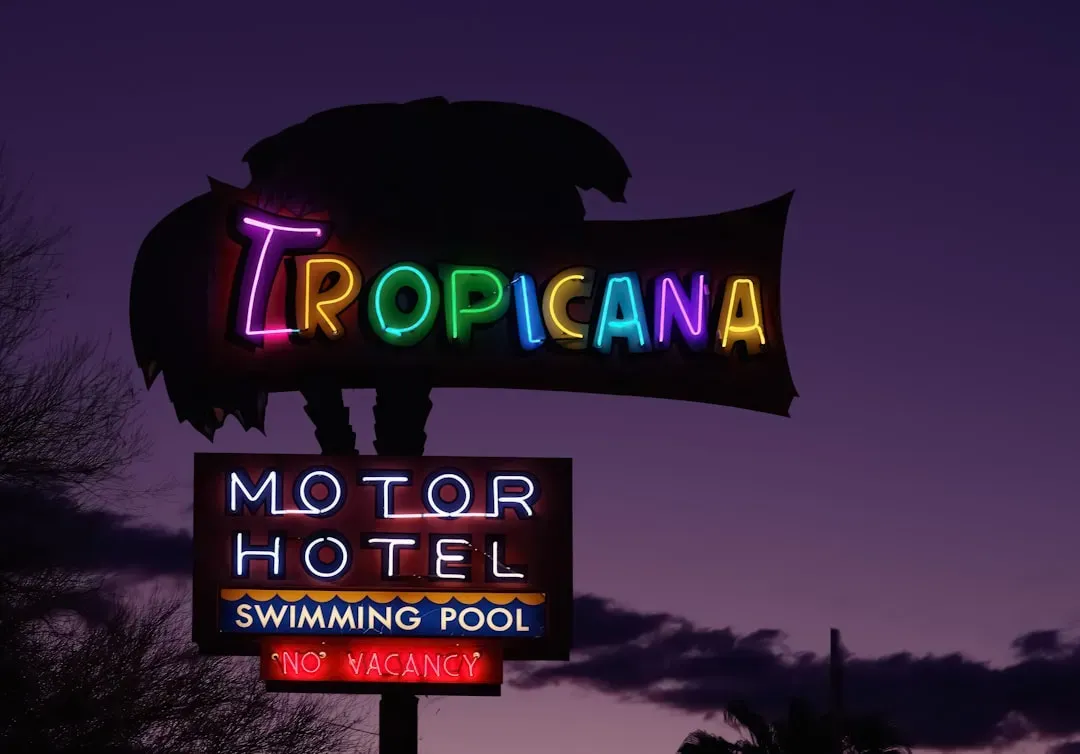
The Tropicana opened in 1957 as the “Tiffany of the Strip,” with more than 12,500 guests attending its lavish debut. For nearly seven decades, it outlasted rivals and reinventions, surviving renovation waves and ownership changes. Then 2024 arrived.
After closing its doors on April 2, 2024, crews carefully dismantled the older wings and removed asbestos. Then, on October 9, 2024, the two main towers were imploded in a grand spectacle featuring fireworks and drone light shows that mesmerized onlookers. The event drew massive crowds and heavy media coverage.
The Tropicana’s original low-rise hotel wings survived many renovations, making it the last true mob structure on the Strip. Behind the scenes of the casino’s grand opening, the Tropicana had ties to organized crime, largely through reputed mobster Frank Costello. Demolished in October 2024, the site will house a $1.5 billion stadium for the Oakland Athletics baseball team.
The Dunes and the Birth of the Implosion Craze

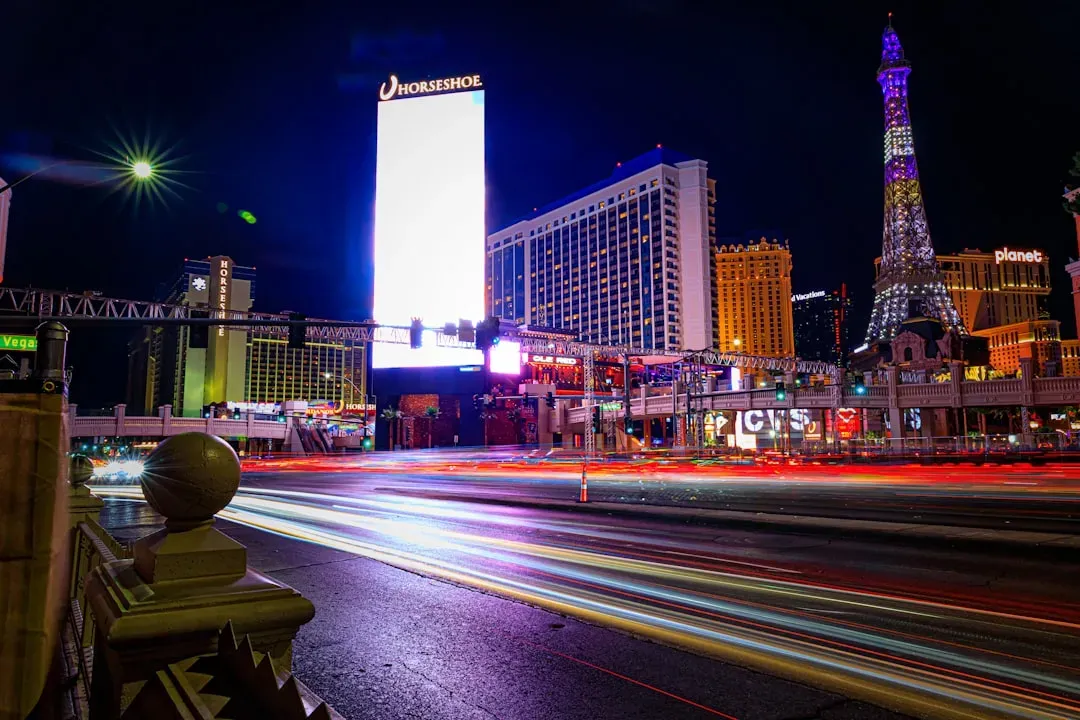
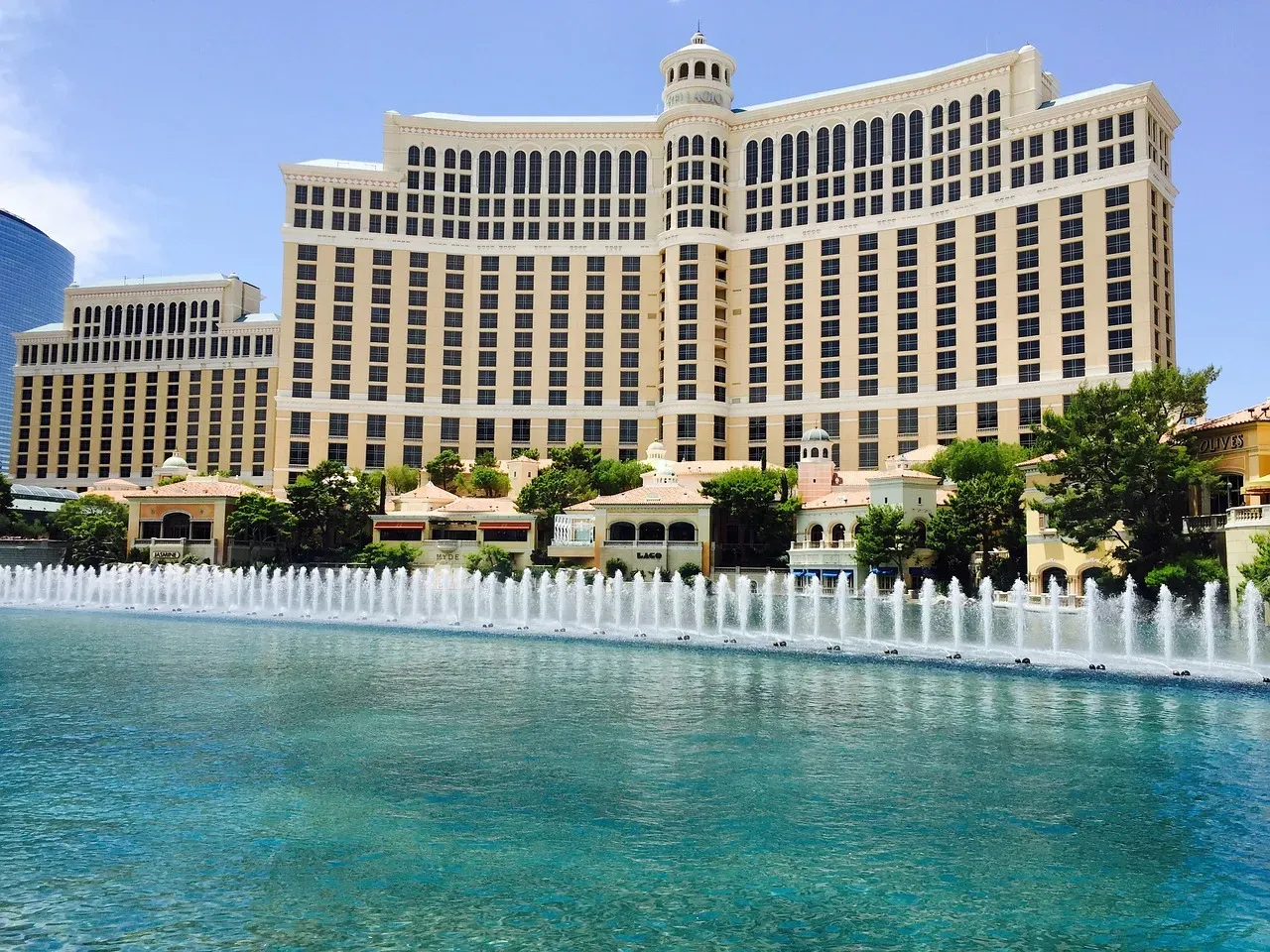
The Dunes Hotel and Casino was one of the oldest casinos on the Strip, opening in 1955. Despite its long history, the hotel faced many financial struggles. In 1993, its time came to an end when it was imploded to make way for the iconic Bellagio.
Former casino mogul Steve Wynn changed the way Las Vegas blows up casinos in 1993 with the implosion of the Dunes to make room for the Bellagio. Wynn thought not only to televise the event but created a fantastical story for the implosion that made it look like pirate ships at his other casino across the street were firing at the Dunes.
The Dunes’ implosion was a major event, with fireworks accompanying the dramatic destruction, symbolizing Las Vegas’ trend of replacing the old with the lavish and luxurious. It also started what some call the “implosion craze.” From that moment on, the act of tearing something down became its own kind of show.
The Moulin Rouge: History That Deserved Better
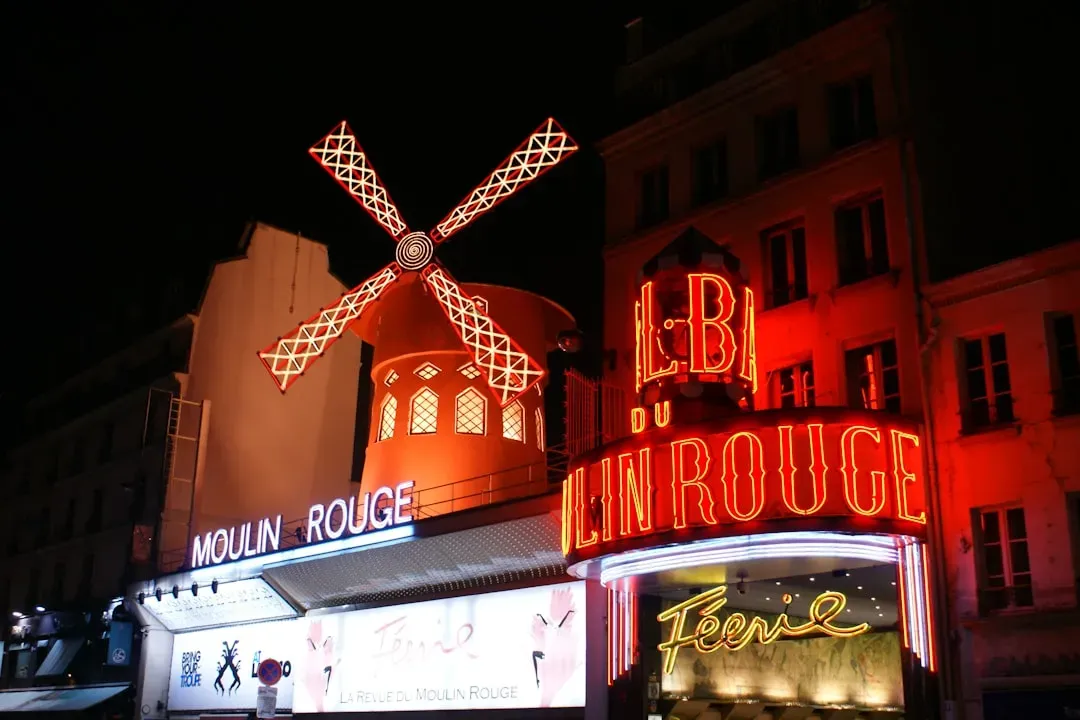
The Moulin Rouge Hotel was a short-lived hotel and casino in West Las Vegas, Nevada, that was listed on the U.S. National Register of Historic Places in 1992. Although its peak operation lasted only six months in the second half of 1955, it was the first desegregated hotel casino and was popular with many of the Black entertainers of the time.
Until the hotel’s opening, African American entertainers in Las Vegas were denied access to public casino and hotel dining areas unless they were performing and were forced to stay overnight in segregated boarding houses on the Westside. Within the next few months the hotel attracted performers such as Louis Armstrong, George Burns, Nat King Cole, Jack Benny, Frank Sinatra, and Sammy Davis, Jr.
On March 26, 1960, a meeting was held at the Moulin Rouge that included black leaders, the mayor, the police chief, and the governor, and they declared the casinos would be integrated that day. The large cursive neon sign designed by famed YESCO sign designer Betty Willis was moved a few days prior to the 2009 fire to the Neon Museum for safekeeping. The remaining portions of the hotel and casino, including the front facade and iconic tower, were demolished in 2010 due to safety reasons. The sign survived. The building did not.
The Sands, the Rat Pack, and a Sign That Sparked a Movement

The Sands Hotel and Casino opened in 1952 and was another cornerstone of classic Vegas. It was famous for hosting performances by prominent figures like Frank Sinatra. After closing in 1996, it was demolished to pave the way for The Venetian.
The Sands Hotel and Casino demolished its original neon sign in 1981, as part of a renovation. Calls for neon preservation became more prominent after the sign’s removal. The locally based Allied Arts Council had been contacted by a Sands employee about saving the sign, but it lacked the necessary equipment and storage space to do so. That lost sign became the rallying symbol for what would become the Neon Museum movement.
This transition highlighted the shift in Las Vegas from older-style resorts to more lavish, themed properties, representing the evolution of consumer desires and experiences in the entertainment capital. The Sands was gone, but the debate it sparked about preservation was just beginning.
The Neon Museum: Keeping the Signs Alive

The Neon Museum was established as a 501(c)3 nonprofit organization in 1996 to collect and exhibit neon signs, the art form synonymous with Las Vegas. Dedicated individuals from the private sector and corporate and government entities worked collaboratively to promote the preservation of these national treasures as significant pieces of artistic and historical importance.
Founded in 1996, the museum has built a collection of over 800 neon signs since the beginning. The Neon Museum’s collection includes more than 200 signs on display. An expansion of the museum site began in 2017, although hundreds of neon artifacts still remained in off-site storage due to space limitations.
In 2024, the museum announced plans to relocate to a larger site, with several under consideration as of 2025. The collection has simply outgrown the space that houses it, which is as good a sign as any that the preservation effort has genuine momentum. The museum receives 200,000 visitors annually and often sells out.
The Science of Saving a Sign
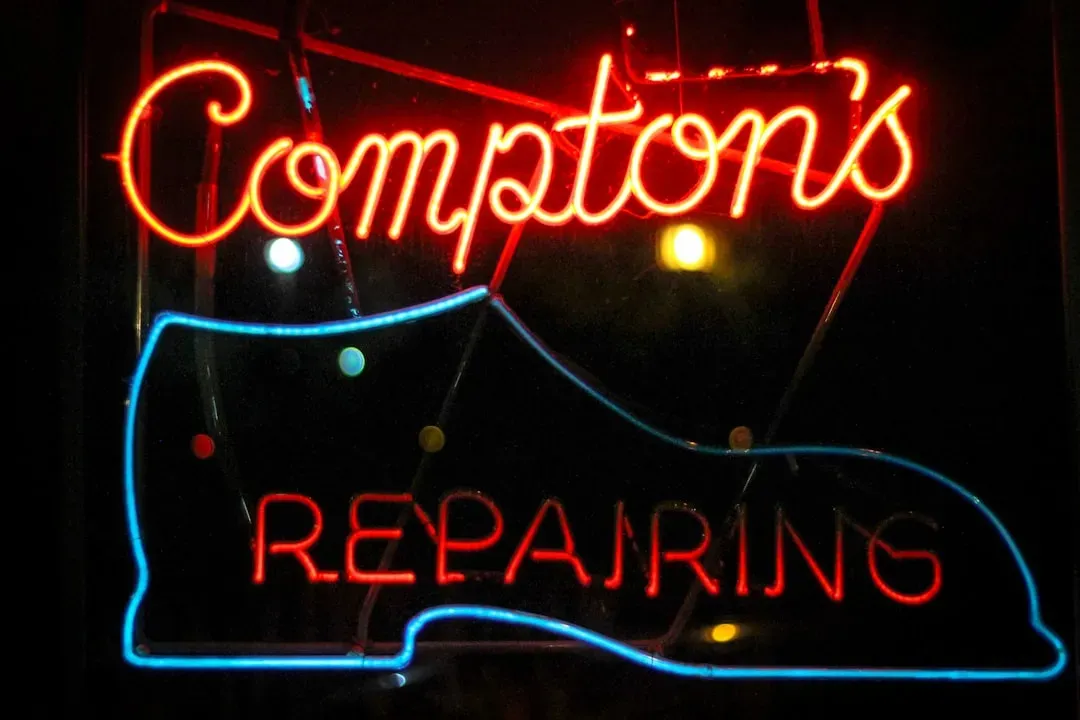
The Neon Museum’s signage collection consists of a vibrant mix of materials, from sheet metal and neon to fiberglass, plexiglass, and vinyl applications. Each sign is unique, and its restoration depends on both its condition and era. Restoring one of these pieces is far more complex than it looks from the outside.
Private donors are sought to fund restoration of the signs, the cost of which can range from $10,000 to $100,000, and can take three to six months. Due to the cost, many signs in the boneyard are unrestored and do not light up on their own during night tours, instead illuminated by external lighting.
For larger signs like the Flamingo and Hard Rock Café, engineering solutions such as concrete footings with rebar are needed for stability, sometimes digging up to 20 feet into the ground. Due to their size, some signs must be moved in portions, such as the Hard Rock sign being transported in six pieces. These are not delicate artifacts slipped into climate-controlled rooms. They’re enormous, weathered, and structurally demanding.
The Mirage: When a Megaresort Becomes a Memory
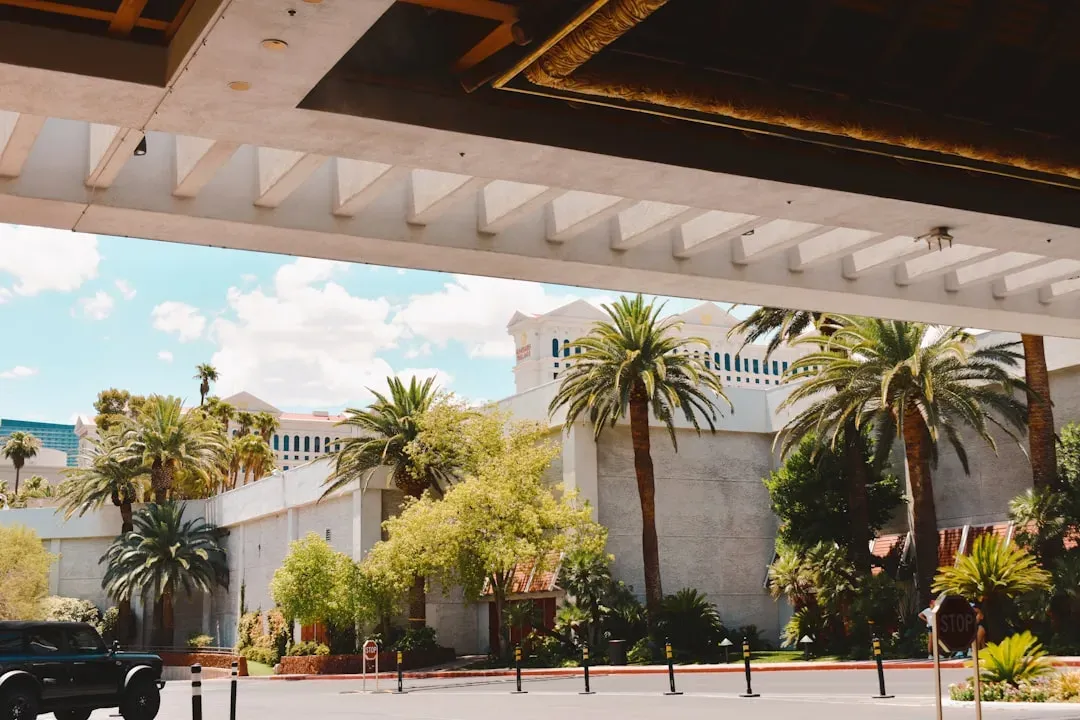
A true icon of the Strip, The Mirage closed its doors for good in July 2024, marking the end of an era for one of Las Vegas’ most recognizable landmarks. It had operated for 35 years, long enough for an entire generation to consider it a fixture rather than a novelty.
The landmark Las Vegas property, first opened in 1989 by Steve and Elaine Wynn, is undergoing an ambitious redevelopment following its acquisition by MGM Resorts in 2022, a deal valued at over $1 billion. Construction began the day after the closure, with Hard Rock moving forward on plans that include the demolition of the resort’s iconic volcano and the addition of a striking guitar-shaped hotel tower.
Some elements of The Mirage were removed from the property for preservation, including a sculpture of longtime headliners Siegfried and Roy and the 30-foot-long archway that stood on the Las Vegas Strip. The Neon Museum unveiled Siegfried and Roy’s bronze tiger sculpture from The Mirage in April 2026, honoring the duo’s lasting impact on the city’s entertainment landscape. A small act of rescue in the middle of a very large transformation.
Off-Strip Casinos and the Next Wave of Loss

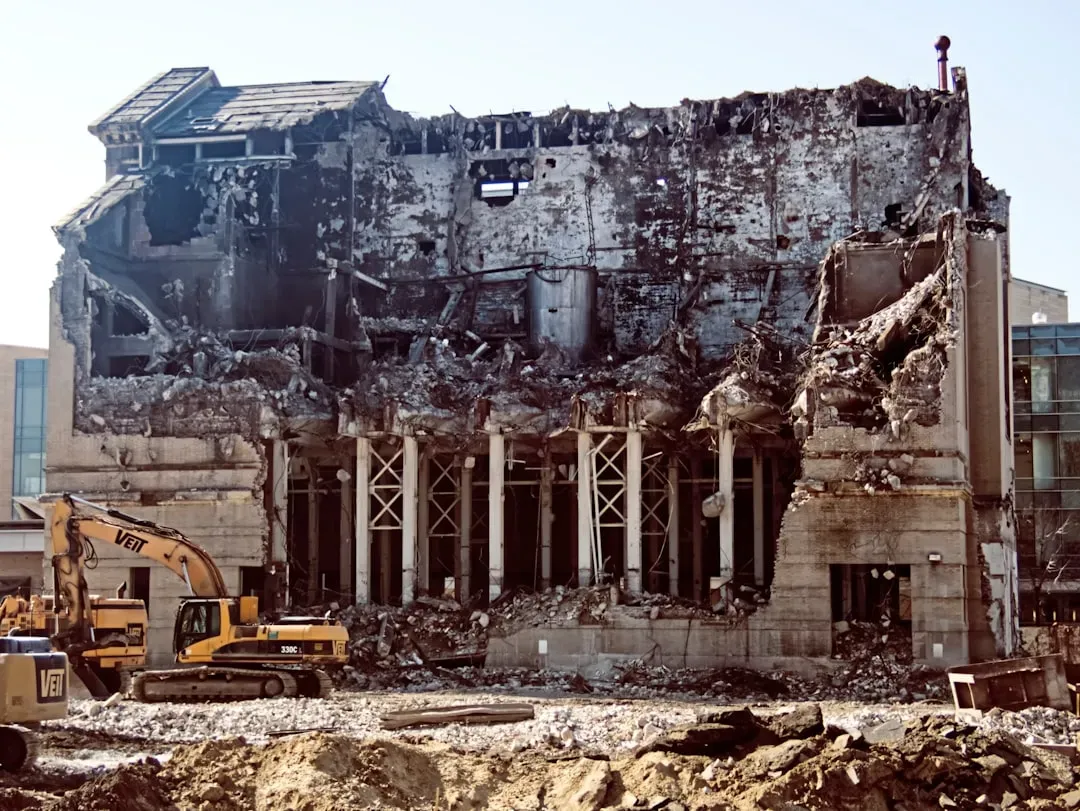
After closing during the COVID-19 pandemic in 2020, Fiesta Rancho never reopened and was demolished in 2023. In early 2025, construction began on Hylo Park, a $380 million development that will transform the former casino site into a walkable community with housing, shops, restaurants, and a large sports village.
Boyd Gaming Corp. is the latest major operator to respond, announcing plans to demolish the long-closed Eastside Cannery Casino and Hotel on Boulder Highway and pursue residential redevelopment of the site. Poker Palace Casino, North Las Vegas, a more than 50-year-old local casino, closed in October 2025. These off-Strip closures rarely generate the spectacle of a Strip implosion, but they erase neighborhood history all the same.
For Las Vegas, the move signals that the off-Strip corridor may increasingly shift from gaming to residential or mixed-use development, reflecting structural market change. The grand demolitions on the Strip tend to get the cameras. The quieter disappearances elsewhere go largely unnoticed.
What Survives and What It Means


Only three significant vintage Strip properties survived the demolition wave: Caesars Palace (1966), Circus Circus (1968), and Tropicana (1957). However, Tropicana closed permanently in April 2024 for Athletics stadium demolition, leaving only Caesars and Circus Circus as Strip vintage survivors.
While it may not be possible to physically recover lost signs, it is still possible to keep a record of them for the sake of history preservation, either through photographs, blueprints, or written eyewitness accounts. The Neon Museum’s Oral History Project is dedicated to recording accounts of past neon signs that were once on display throughout the city.
UNLV history professor Michael Green says parts of the 66-year-old Tropicana resort will be preserved by The Neon Museum and UNLV Special Collections, just two of the many entities doing often-under-the-radar historic preservation work in Las Vegas. The work is piecemeal, underfunded in places, and always racing against the next implosion announcement. Yet it continues, sign by sign, story by story, in the conviction that what a city chooses to remember says as much about it as what it builds next.
The neon ghosts of Las Vegas are not really ghosts at all. They’re stored in boneyards, archived in university collections, and slowly being relit by preservationists who understand that glamour without memory is just glitter. A city reinvents itself endlessly. What it preserves, even imperfectly, is where its character lives.