A Legacy Forged in a Mining Boomtown (Image Credits: Unsplash)
Goodsprings, Nevada – A historic two-room schoolhouse in this remote mining town southwest of Las Vegas has anchored community life for more than a century. Now, with enrollment dwindling to just two students, the Clark County School District proposes shutting its doors at the end of the school year. The board’s vote on April 23 could mark the end of Nevada’s longest continuously operating elementary school.[1][2]
A Legacy Forged in a Mining Boomtown
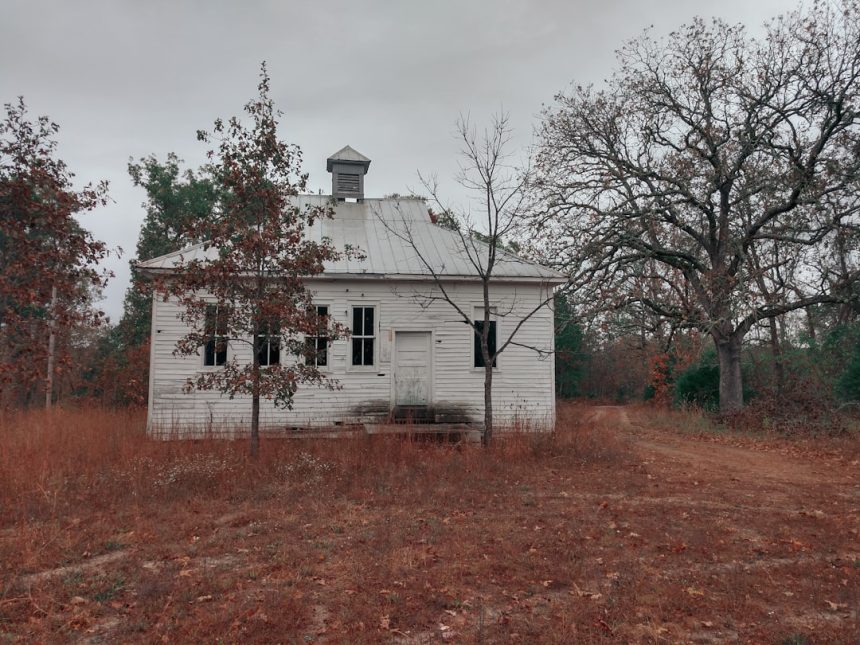
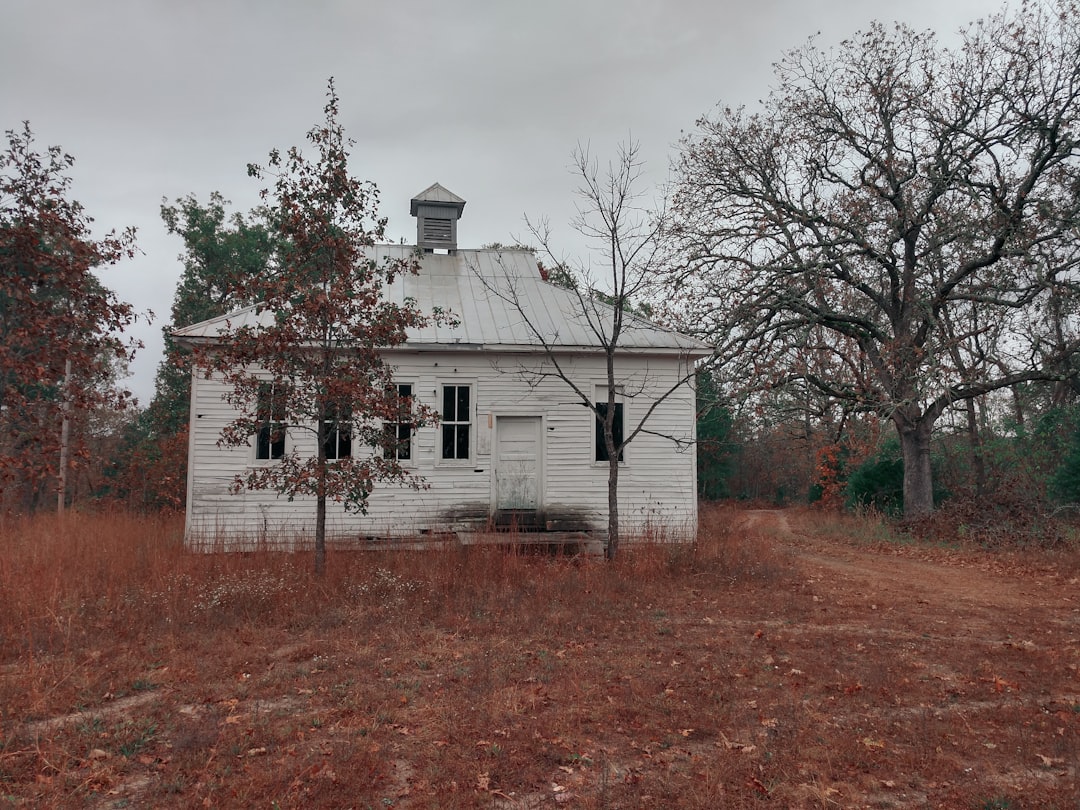
Classes first began at Goodsprings Elementary in 1907 under a tent, with Miss Winifred Hardy as the inaugural teacher. The current building opened in 1913 at a cost of $2,000, with an addition completed three years later. Listed on the National Register of Historic Places, the school served booming populations during the area’s zinc and lead mining peak in the early 20th century.[1][3]
Generations of families attended, often in small classes that allowed personalized instruction. In 1925, one classroom held about two dozen students under teachers Ruth Pollinger and Harold Morgan. The school became woven into the town’s identity, surviving economic shifts as Goodsprings transitioned from a population hub to a quiet spot of around 162 residents, drawing visitors for its ties to the video game Fallout: New Vegas.[1]
Principal Tammy Flanagan captured its significance: “Goodsprings Elementary School has been a unique and special part of the Clark County School District as the school is woven into the fabric of our beginning. We are proud of the education it has provided our students for more than 100 years.”[1]
Enrollment Plunge Sparks Financial Strain
Numbers at the school have fallen for 15 straight years, reaching two students this year – one of whom will advance to middle school in the fall. District leaders project just one pupil for the 2026-27 school year. Two staff members, including the teacher, have already secured positions elsewhere in the district.[2][4]
The rural location demands about $1 million annually in operations, bolstered by special allocations. Maintenance needs have escalated, with repairs nearing cost-prohibitive levels. No residential developments loom on the horizon to reverse the trend. Brandon McLaughlin, CCSD chief of facilities, explained: “We look at the operational needs of that school, as well as the capital expenses necessary to continue to operate that school in a reasonable fashion, (and) it just proved to be ineffective for us.”[1]
- Current enrollment: 2 students
- Projected next year: 1 student
- Annual cost: Approximately $1 million
- Decline duration: 15 years
- Staff transitions: Both employees reassigning within district
Community Bonds Versus Practical Realities
Residents view the school as more than a classroom – it’s a landmark fostering tight-knit, multi-generational ties. Past classes rarely exceeded eight students, enabling near one-on-one teaching with two educators. Jeannie Bonney lamented: “I think it’s a shame to close our school. I mean, it’s a part of our community, and it has been for years.”[2]
Mothers like Brenda Grippi worry about the 12-mile bus ride to Sandy Valley School, an early-morning haul for young children. She questioned maintenance costs as an “excuse,” preferring the “small, safe community” vibe. Cynthia Mahaffey noted turnover brings new families, hinting at potential rebound. Still, district officials highlight Sandy Valley’s recent $32 million upgrades, offering “nicer, newer, bigger facilities.” Busing remains cost-neutral via existing routes.[2][1]
Path Forward Hinges on Board Decision
The Clark County School Board will deliberate the proposal on April 23. A neighborhood meeting occurred earlier this week, allowing input. If approved, the final school day falls on May 21, preceded by a history celebration on May 2 from 10 a.m. to 2 p.m.[1]
District talks with Clark County aim to repurpose the building as a community center or museum, preserving its legacy. McLaughlin affirmed: “We get the legacy this building represents … and so that’s why we want to find ways to honor this historic place.” The sole remaining student would join Sandy Valley’s K-12 campus, where Goodsprings youth already attend grades six through 12.[2]
As the vote approaches, the tension pits fiscal prudence against cultural heritage. Closure could free resources for broader district needs amid ongoing enrollment drops, yet it risks eroding Goodsprings’ communal heart. What do you think about balancing history and budgets in rural education? Tell us in the comments.
Key Takeaways
- Goodsprings Elementary, operational since 1907, holds Nevada’s record for longevity among elementaries.
- Proposal stems from $1M yearly costs and one projected student, versus consolidation at upgraded Sandy Valley.
- Community rallies to save a symbol of small-town life, while district eyes repurposing the landmark.