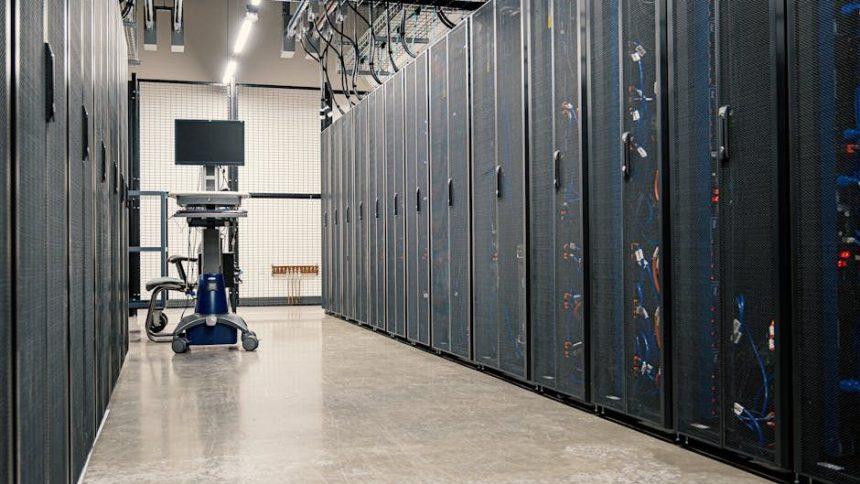

A Utility Mega-Merger Is All About Data Centers – Image for illustrative purposes only (Image credits: Pexels)
Energy executives are weighing a combination that would unite the nation’s largest utility by market value with one of its major regional players. NextEra Energy has proposed acquiring Dominion in a deal that would create a single company with vastly expanded reach. The timing reflects a broader shift in the power sector, where data centers and other high-demand facilities are driving rapid growth in electricity consumption.
A Deal Built Around Scale
NextEra already leads the industry in market capitalization, while Dominion ranks among the top six utilities by that measure. Their union would produce a megacompany capable of coordinating generation, transmission, and distribution across a much wider footprint. Industry observers note that such consolidation often occurs when demand patterns change quickly and require coordinated investment in new infrastructure.
The proposed transaction arrives at a moment when traditional forecasts for electricity use are being revised upward. Utilities across the country are reporting that large commercial customers, particularly those operating data centers, now account for a growing share of total load. This trend has prompted companies to reassess how they plan for future capacity.
Data Centers and the New Demand Curve
Artificial intelligence applications require enormous computing resources housed in specialized facilities that run around the clock. These data centers consume electricity at rates far higher than most other commercial operations, and their numbers are increasing. Utilities that can secure reliable supply and transmission capacity stand to gain significant new revenue streams.
NextEra has already positioned itself as a leader in renewable generation, which aligns with the preferences of many technology companies seeking to power their operations with cleaner sources. Dominion brings a complementary set of assets in the mid-Atlantic region, where several large data-center projects are under development. Together, the combined entity would be better equipped to match supply with these concentrated pockets of demand.
Still, the pace of data-center construction has outstripped many earlier projections. Grid planners are now confronting the possibility that electricity demand could rise at rates not seen in decades, forcing utilities to accelerate investments in both generation and delivery systems.
Questions for Customers and Regulators
Any merger of this size must receive approval from state and federal regulators, who will examine its effects on rates and service reliability. Ratepayers in the affected service territories are watching closely to see whether the efficiencies promised by consolidation translate into stable or lower bills. Historical precedent shows that large utility combinations can produce cost savings, yet those benefits do not always flow directly to residential and small-business customers.
Regulators will also assess whether the new company maintains adequate competition in wholesale power markets and whether it continues to invest in grid modernization. The outcome of these reviews will shape how quickly the combined firm can move forward with projects tied to data-center growth.
Looking Ahead
The proposed NextEra-Dominion transaction underscores how quickly the electricity sector is adapting to technological change. Companies that once focused primarily on steady, predictable load growth now find themselves planning for clusters of demand that can appear almost overnight. Success will depend on the ability to finance and build new infrastructure while keeping service affordable for all customers.
As negotiations continue, the industry will be watching for signals about how this megacompany intends to balance the opportunities created by artificial intelligence with the responsibilities that come with serving millions of households and businesses. The decisions made in the coming months could set the template for how utilities respond to the next wave of demand growth.