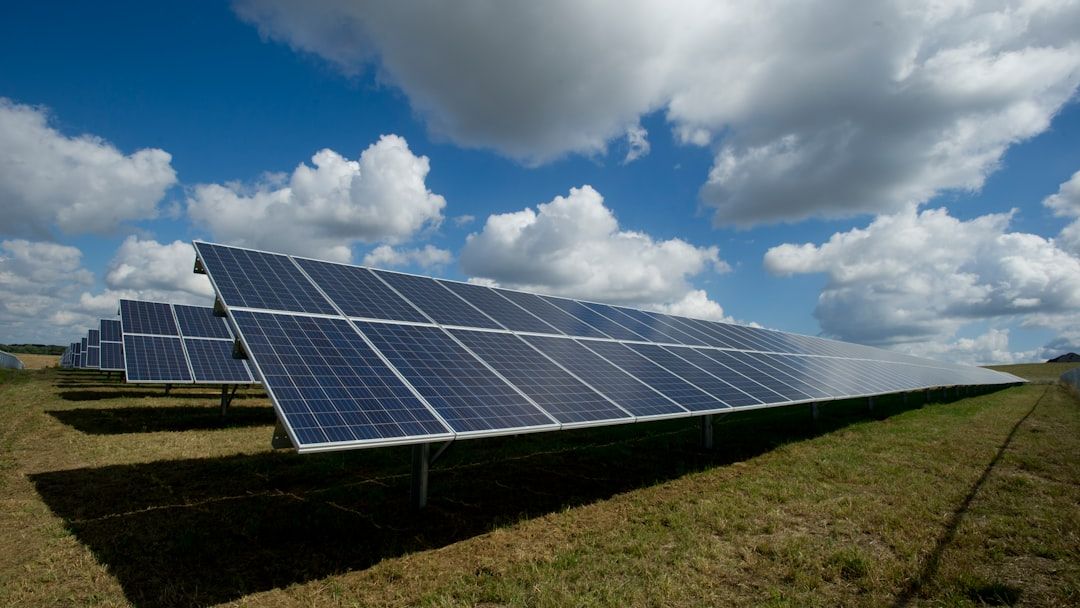

North Carolina groups fight regulator’s order to cancel solar for 2026 – Image for illustrative purposes only (Image credits: Unsplash)
North Carolina families and businesses that had counted on new solar farms for steadier electricity prices and cleaner air now confront an unexpected delay. Last month the state’s top utility regulator stopped Duke Energy from moving forward with planned solar investments through the end of 2026. Clean-energy companies and advocacy groups responded by filing a formal motion asking the regulator to reverse the decision, arguing that the pause threatens jobs and long-term energy reliability for ordinary customers.
How the Pause Affects Everyday Energy Costs
The sudden halt comes at a time when many households already feel pressure from rising utility bills. Solar projects that were expected to come online in the next two years would have added lower-cost power to the grid, helping to moderate future rate increases. Without those additions, residents may see continued reliance on more expensive or less predictable sources of electricity.
Local contractors who install and maintain solar equipment have already begun to adjust hiring plans. Several firms reported that crews scheduled for 2026 work are now on hold, leaving workers unsure about steady paychecks. The ripple effect reaches suppliers of panels, wiring, and mounting hardware, many of which are small businesses based in the state.
Why the Regulator Issued the Order
State officials cited the need for additional review of project costs and grid impacts before approving further solar development. The decision surprised industry participants who had been preparing applications under existing rules. Advocates contend that the review could have taken place without a full-year freeze, preserving momentum for projects already in advanced stages.
The order also arrives against a backdrop of national trade policies that have raised the price of imported solar components. Companies had been navigating those higher costs while still moving projects forward; the state-level pause adds another layer of unpredictability.
Groups Seek to Restore the Original Timeline
The motion filed by clean-energy businesses and advocates asks the regulator to lift the suspension immediately. Supporters point out that solar remains one of the fastest ways to add new generating capacity in North Carolina, where demand for electricity continues to grow. They argue that delaying projects by a full year risks missing opportunities to lock in lower equipment prices and meet state clean-energy targets.
Legal filings emphasize that the regulator’s action was not required by any new law or emergency. Instead, the groups say the pause represents an abrupt change in long-standing policy that had encouraged steady solar growth. A hearing on the motion is expected in the coming weeks, though no date has been set.
What Happens Next for Projects and Workers
- Existing contracts for land and equipment may need renegotiation if timelines shift.
- Workers in construction and maintenance trades face potential layoffs or reduced hours.
- Future rate cases could reflect higher costs if solar additions are postponed.
- State lawmakers may consider legislation to clarify the regulator’s authority over multi-year investment plans.
The outcome will shape how quickly North Carolina can expand its solar capacity and whether residents continue to see solar as a reliable part of the state’s energy mix. Until the regulator rules on the motion, both companies and customers remain in a holding pattern.