History has a way of telling the same stories over and over until they feel like facts. The short emperor, the witches burning at the stake, the fearless Viking in his horned helmet – these images are etched into popular memory so deeply that questioning them almost feels impolite. Yet historians have been quietly dismantling these narratives for decades, backed by archaeological finds, measurement conversions, and court documents that tell a very different story.
The truth, in most of these cases, is not only more accurate – it’s genuinely more interesting. What follows are six of the most stubbornly persistent historical myths, and what the actual record shows.
Napoleon Was Not the Tiny Tyrant You’ve Been Picturing


Napoleon Bonaparte is usually depicted with one hand in his waistcoat, short and aggressive, and his supposedly small stature and fiery temper inspired the term “the Napoleon Complex” – a popular belief that short men tend to compensate for their lack of height through domineering behavior. It’s one of the most recognizable caricatures in all of history. The problem is, it was largely invented.
He was probably of average height. According to pre-metric system French measures, he stood at 5’2″, but the French inch of the time was 2.7 cm, while the Imperial inch was shorter at 2.54 cm. Sources consequently estimate that Napoleon was probably closer to 5’6″ or 5’7″ than to 5’2″. Although the range may seem short by 21st-century standards, it was typical in the 19th century – and Napoleon was thus average or taller, no matter the interpretation.
The legend of his small stature was largely the work of British cartoonist James Gillray, whose caricatural depictions of the French general were so popular and influential that at the end of his life Napoleon reportedly said that Gillray “did more than all the armies of Europe to bring me down.” The French leader also had exceptionally tall personal guards, making him appear short-statured by comparison, and he surrounded himself with other taller people. A political put-down, repeated for two centuries, eventually became “fact.”
The Salem “Witches” Were Never Burned at the Stake


Ask most people how the Salem witch trials ended for the condemned and the answer is almost always the same: they were burned. It’s the image that dominates Halloween decorations, movies, and school projects. Twenty people were eventually executed as witches, but contrary to popular belief, none of the condemned was burned at the stake. In accordance with English law, 19 of the victims were instead taken to Gallows Hill to die by hanging.
The elderly Giles Corey, meanwhile, was pressed to death with heavy stones after he refused to enter a plea. Still more accused sorcerers died in jail while awaiting trial. The myth of burnings at the stake in Salem is most likely inspired by European witch trials, where execution by fire was a disturbingly common practice – medieval law codes stipulated that malevolent witchcraft should be punished by fire, and church leaders oversaw burnings across parts of Germany, Italy, Scotland, France, and Scandinavia.
The reason the Salem Witch Trials victims were not burned at the stake is because English law only allowed death by burning to be used against women who committed high treason. The hangings themselves didn’t go as depicted in films either, with a platform and a trap door. Victims were turned off a ladder, meaning they slowly strangled to death. One notable exception was Giles Corey, who was pressed to death with stones for refusing to enter a plea. The reality is grim enough – it simply doesn’t match the Hollywood version.
Marie Antoinette Never Said “Let Them Eat Cake”

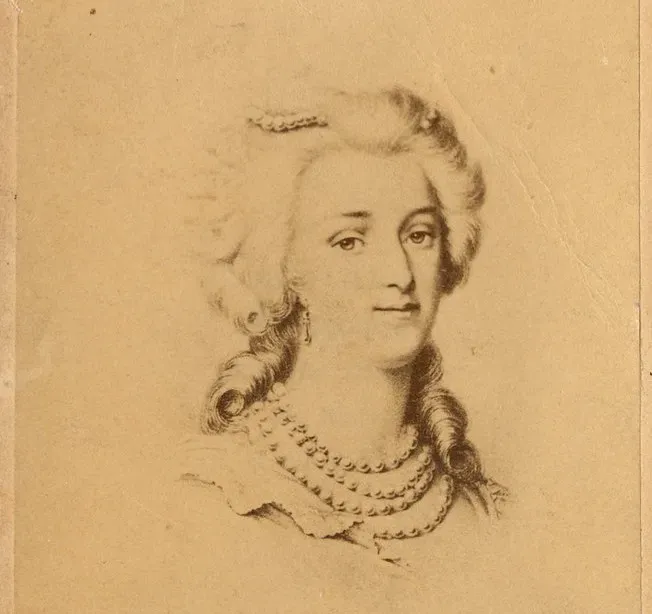
Few historical phrases are more iconic. The image of a callous queen dismissing the starving poor with a flick of her wrist has defined Marie Antoinette’s reputation for generations. Antoinette didn’t actually say it. For one thing, the actual French quote – “qu’ils mangent de la brioche” – doesn’t mention cake at all, but instead brioche, a type of sweet bread. Folklore scholars for nearly two centuries have traced the famous phrase to other sources and regions from long before Antoinette was even born.
A 16th-century German tale features a noble woman wondering why peasants didn’t instead eat krosem, also a kind of sweet bread. In 1843, French writer Jean-Baptiste Alphonse Karr found the same sentence in a book dated 1760 – when the Austrian princess would have been only 5 years old. The timeline alone dismantles the attribution entirely. Biographer Antonia Fraser claims the quote is actually ascribed to Maria Theresa, a Spanish princess, rather than to Antoinette. The real queen was many complicated things, but this particular cruelty was borrowed from someone else’s legend.
Vikings Wore Plain Iron Helmets, Not Horned Ones

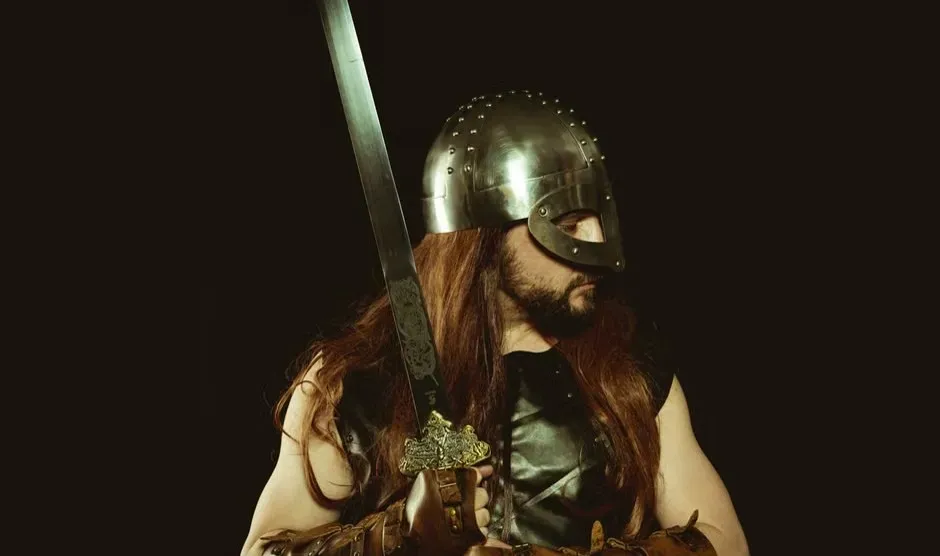
The horned Viking helmet is one of the most immediately recognizable symbols in pop culture. It appears on sports logos, Halloween costumes, and blockbuster film posters. Vikings did not wear horned helmets in battle. Despite their reputation as fearsome raiders and warriors, there is no archaeological evidence supporting the existence of horned Viking helmets. Historians and archaeologists have never found a single Viking helmet with horns, and contemporary Viking-age artwork also fails to depict them wearing such headgear.
Only one complete helmet that can definitively be called “Viking” has ever turned up. Discovered in 1943 on Gjermundbu farm in Norway, the 10th-century artifact has a rounded iron cap, a guard around the eyes and nose, and no horns to speak of. Horned helmets first appeared in the 1876 rendition of Richard Wagner’s opera cycle Der Ring des Nibelungen. The costume designer Carl Emil Doepler borrowed the idea from Native American populations who wore buffalo headdresses. The image was so striking that it stuck.
Research found that the famous horned helmets discovered in Viksø, Denmark actually date to about 900 B.C.E., nearly 2,000 years before the Vikings. As archaeologist Helle Vandkilde noted, people associated these helmets with the Vikings – “but actually, it’s nonsense.” Viking society only developed in the 9th century C.E., and there is no sign that Vikings really wore horned helmets. Two thousand years of confusion, condensed into a Halloween costume.
George Washington’s Teeth Were Anything But Wooden

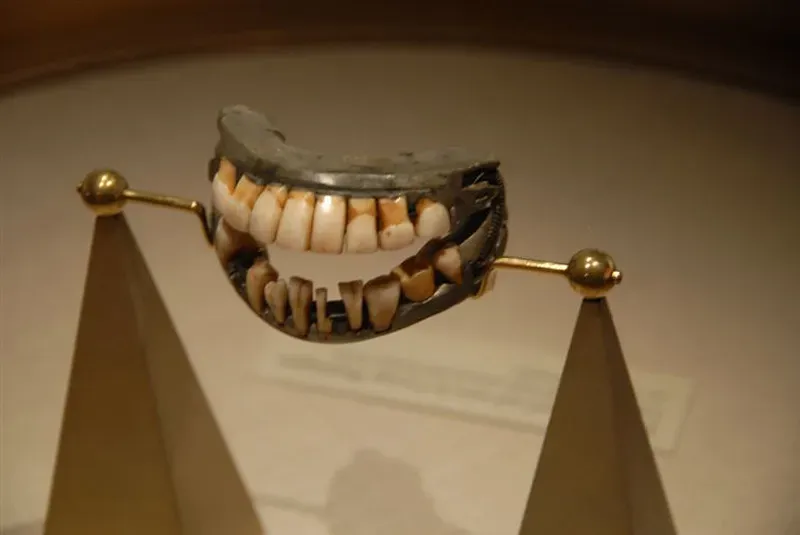
The story of George Washington’s wooden teeth is one of those charming American fables that gets repeated in classrooms with a kind of fond certainty. The truth is, George Washington never had wooden teeth – but where did this misconception come from? It turns out the reality is considerably stranger than the myth.
Washington suffered from dental problems throughout his life, but his dentures were not wooden at all. Instead, they were made from a combination of human teeth, cow teeth, hippopotamus ivory, and metal – as was standard for wealthier people at the time. While no one can say for sure where the wooden teeth myth originated, there’s a good chance people mistook the discoloration of his ivory dentures for wood, leading to a misconception that still exists today, hundreds of years later.
When he took the oath of office, George Washington had just one original tooth remaining in his mouth. The dentures he wore throughout his presidency were reportedly uncomfortable and altered the shape of his jaw, which is partly why so many portraits show him with a tense, pursed expression. Wooden teeth would have been simpler. The truth is far more unsettling – and far more human.
Nero Was Not Fiddling While Rome Burned

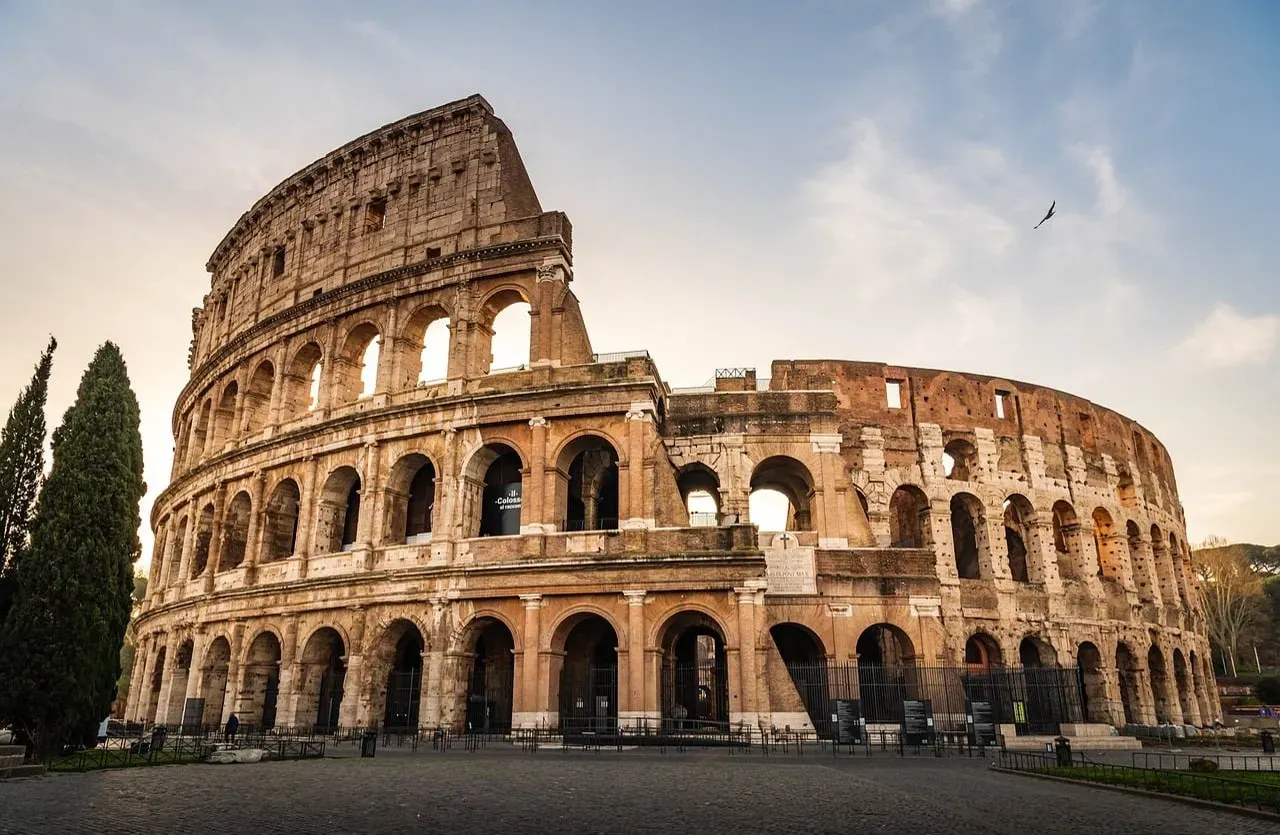
The image of Emperor Nero strumming cheerfully while his city went up in flames is one of the most enduring portraits of imperial cruelty in Western history. It became shorthand for a certain kind of detached, self-absorbed leadership. The popular legend says that Emperor Nero played the fiddle while Rome burned in July of 64 A.D. But that image isn’t accurate for a few reasons – for one, the fiddle didn’t even exist yet. In fact, it wouldn’t be invented for over a thousand years.
Historical records say Nero was actually in his villa in Antium, about 35 miles away, when the fire started. When he returned, he opened public buildings to shelter people who had lost their homes. That doesn’t make Nero a hero – he was by most historical accounts a genuinely cruel ruler. The “fiddling” story likely came from later Roman historians, like Tacitus, who wanted to paint Nero as a villain. For his part, Nero blamed Christians for the fire and had many of them executed.
The story persists because it does something myths do very well – it collapses a complicated man into a clean, satisfying image of villainy. Nero’s actual record required no embellishment. History chose to give him one anyway, and that invented detail has outlasted nearly everything else about his reign. Some stories stick not because they’re true, but because they’re too useful to let go.