There’s something appealing about a book that refuses to stretch beyond twenty-four hours. The clock becomes a quiet character, and every errand, argument, and passing thought carries more weight because there’s no tomorrow to soften it.
Writers have used the single day structure for more than a century, and for very different reasons. Some wanted to capture the texture of ordinary life, while others used the limit to build pressure. These novels show how much a day can hold.
Ulysses by James Joyce

Joyce’s 1922 novel follows Leopold Bloom, Stephen Dedalus, and others through Dublin on June 16, 1904. That date is now celebrated every year as Bloomsday, with readings and festivals held in Dublin and in many other cities.
The book is built on Homer’s Odyssey, with each episode echoing an episode from the older epic. It’s famously demanding, yet its structure is clear: one city, one day, and a huge range of styles. It remains the standard reference point for the form.
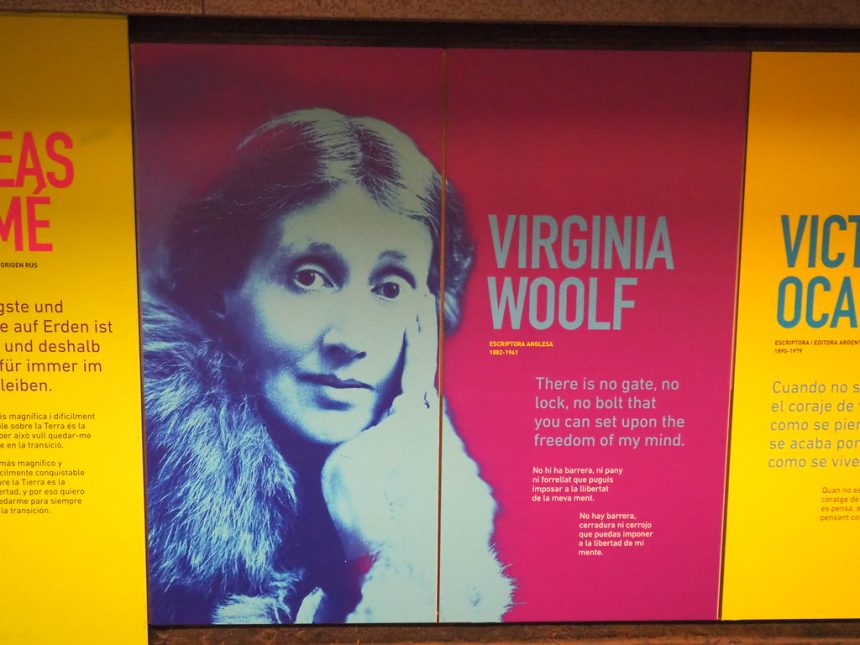
Mrs Dalloway by Virginia Woolf

Published in 1925, Woolf’s novel takes place on a single June day in post-war London. Clarissa Dalloway prepares for an evening party while the shell-shocked veteran Septimus Warren Smith moves through the same streets.
Woolf moves between minds without much warning, linking characters through shared sounds and sights. Big Ben’s chimes mark the hours and give the day a steady pulse. Its quiet look at memory and mental illness still feels fresh.
One Day in the Life of Ivan Denisovich by Aleksandr Solzhenitsyn

This 1962 novel describes an ordinary day for a prisoner in a Soviet labor camp, from the morning wake-up bell to lights out. Its plainness is the point. Small victories, like an extra bit of bread, matter enormously.
The book was published in the Soviet Union during a brief thaw and caused a sensation. Solzhenitsyn later received the Nobel Prize in Literature in 1970. Readers still use it as an accessible entry point to the history of the Gulag.
Saturday by Ian McEwan

McEwan’s 2005 novel unfolds on February 15, 2003, the day of huge protests in London against the coming Iraq War. Henry Perowne, a neurosurgeon, goes about his Saturday and has an unsettling encounter in a minor car accident.
The setting gives the personal story a real historical backdrop. Tension builds gradually, and a quiet family evening becomes something else entirely. It’s a good example of a single day used to test comfortable assumptions.
The Hours by Michael Cunningham
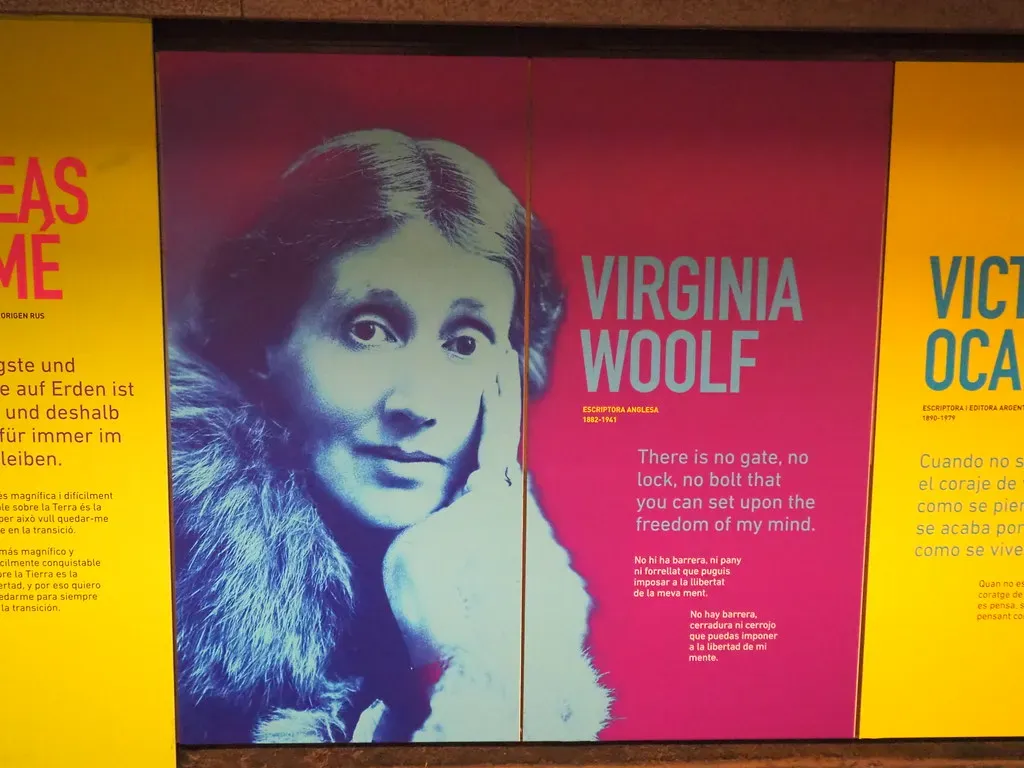
Cunningham’s 1998 novel tells three linked stories, each covering one day, in different eras. One follows Virginia Woolf as she begins writing Mrs Dalloway, and the others follow women whose lives echo Clarissa Dalloway’s.
The book won the Pulitzer Prize for Fiction in 1999 and was adapted into a 2002 film. It shows that the single day form can be layered, with three days resting on one another. The parallels feel earned rather than gimmicky.
Cosmopolis by Don DeLillo

DeLillo’s 2003 novel follows the young billionaire Eric Packer as he crosses Manhattan in a stretch limousine, hoping for a haircut. The trip should take minutes, yet protests, meetings, and a growing sense of threat stretch it across the day.
Packer’s car works as a sealed bubble, which makes the world outside look strange and distant. The novel was adapted for film by David Cronenberg in 2012. Its single day structure helps the plot feel tight and slightly feverish.