Some writers spend their entire careers trying to capture lightning in a bottle. Others do it once, leave that single brilliant work behind, and simply vanish from the literary scene. Whether by choice, circumstance, or tragedy, these authors created novels that would endure for generations while they themselves faded into obscurity or silence.
It’s a peculiar phenomenon when you think about it. Imagine crafting something so powerful, so resonant, that it defines an entire literary era, yet never following it up. Some of these writers died too young to continue. Others walked away deliberately, choosing quiet lives over literary fame. A few found themselves so consumed by their one masterpiece that they had nothing left to say. Let’s dive into these fascinating stories.
Harper Lee and the Mockingbird That Never Left Its Perch

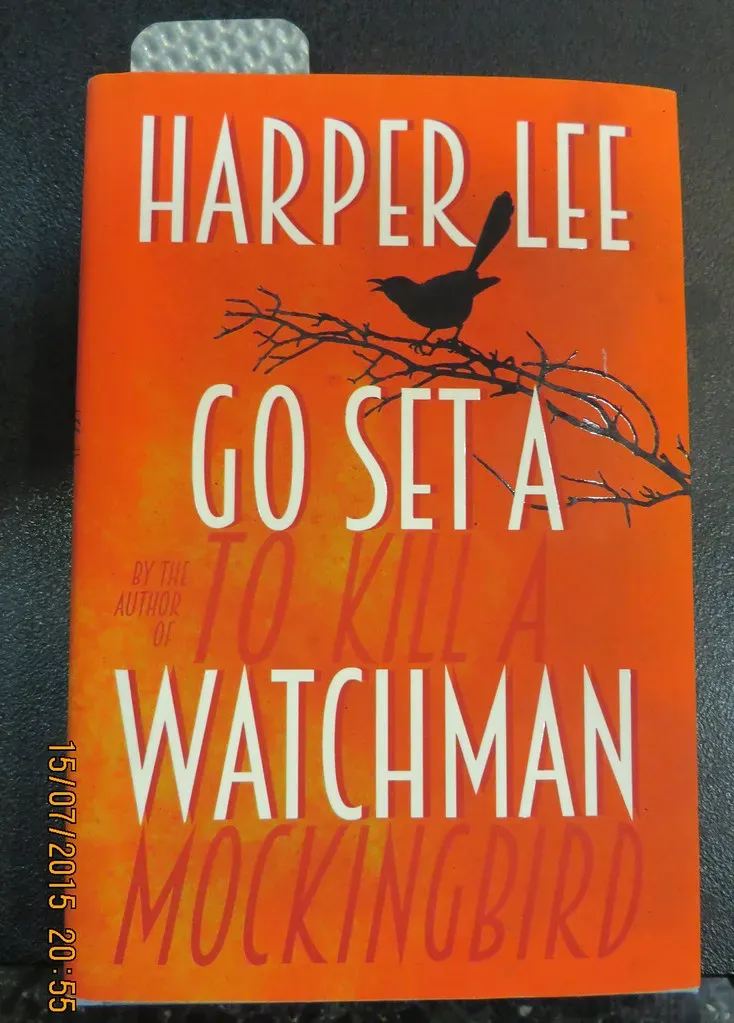
Harper Lee’s To Kill a Mockingbird stands as an icon of American literature, winning the 1961 Pulitzer Prize and the Presidential Medal of Freedom in 2007. For over fifty years after its 1960 release, it remained her only published novel, selling over 40 million copies worldwide. The 2015 publication of Go Set a Watchman stirred controversy, as many literary scholars consider it an early draft rather than a true second novel. Lee lived quietly in her Alabama hometown for decades, reportedly content to let her singular masterpiece speak for itself.
Emily Brontë’s Solitary Storm


Wuthering Heights was Emily Brontë’s only novel, published in 1847, and later became a cornerstone of English literature despite initial mixed reviews. Emily Brontë died just a year after Wuthering Heights’ publication, thus never living to really see the success of her only novel. She died in 1848 of tuberculosis, just one year after writing her magnum opus. Her dark tale of passion and revenge on the Yorkshire moors has haunted readers ever since, yet we’ll never know what other literary storms might have brewed in her imagination.
Margaret Mitchell’s Gone Forever

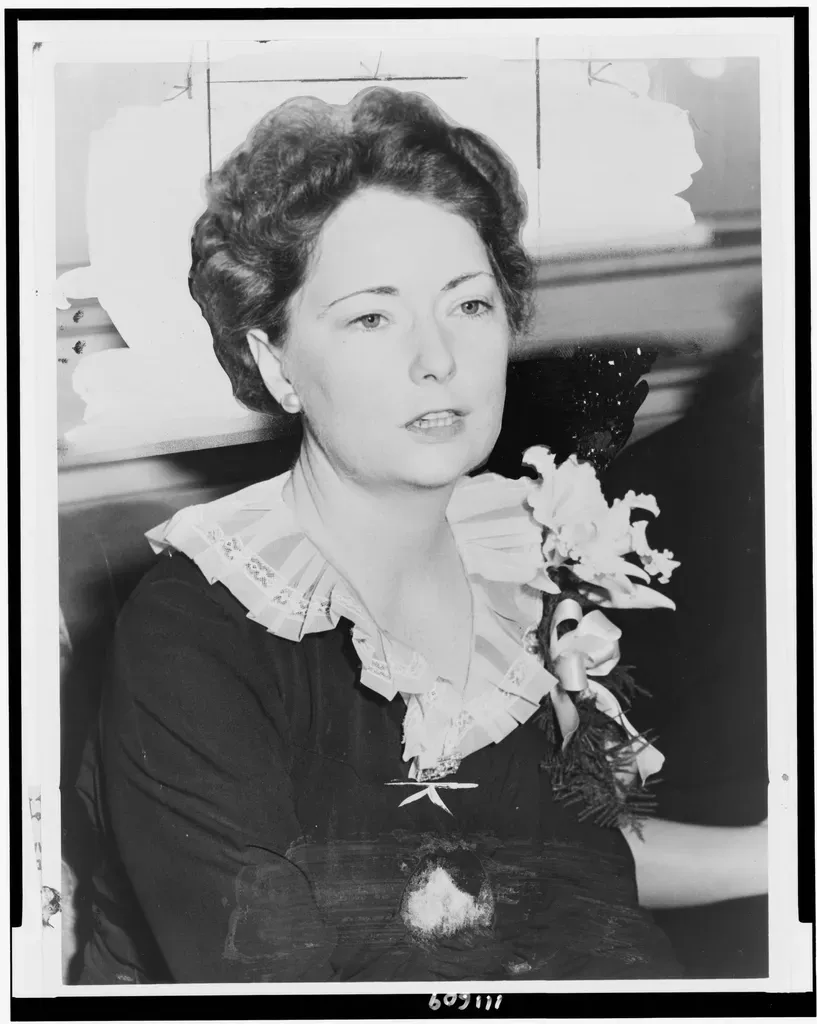
Gone with the Wind was Margaret Mitchell’s sole novel, winning the Pulitzer Prize and selling over 30 million copies worldwide. Mitchell would only ever write the tome that is Gone with the Wind, a novel that beautifully strings together the struggles of the Civil War, the Reconstruction era of the south, and the traditions of Southern hospitality and romance. Despite the book’s massive success and its adaptation into one of cinema’s most celebrated films, Mitchell never published another work. She died in 1949 after being struck by a car, leaving behind only that single sweeping epic of the American South.
J.D. Salinger’s Disappearing Act

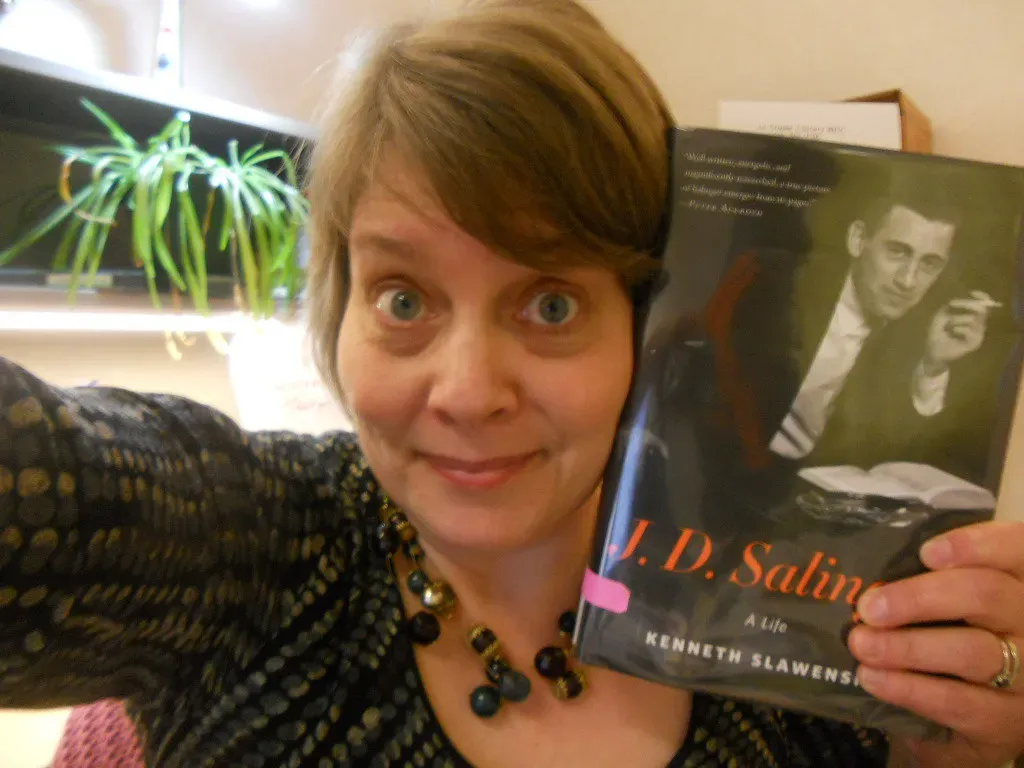
Despite publishing other short works, The Catcher in the Rye is widely regarded as Salinger’s singular cultural phenomenon, with over 65 million copies sold globally. Although Salinger wrote more than just The Catcher in the Rye, this was his only full-length novel. Holden Caulfield’s voice became the anthem of teenage alienation, yet Salinger retreated from public life entirely, living as a recluse in New Hampshire until his death in 2010. He guarded his privacy fiercely and never published another novel, though rumors swirled about unpublished manuscripts locked away.
Anna Sewell’s Final Gallop

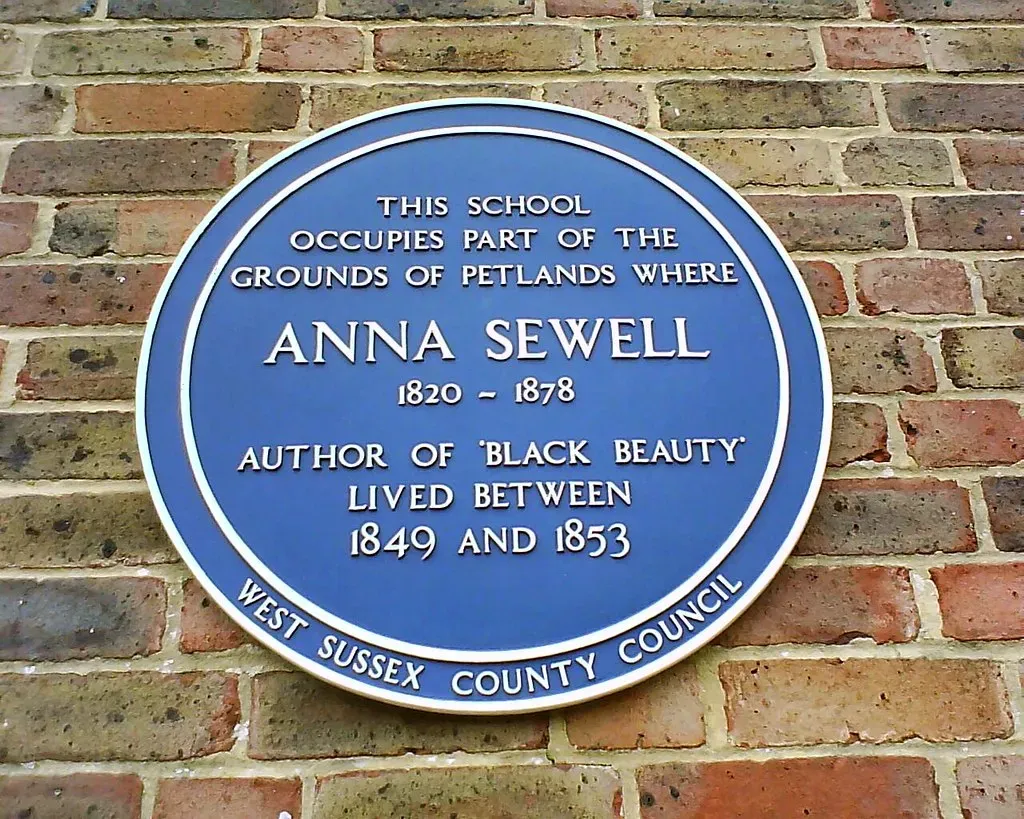
Black Beauty was Anna Sewell’s only published novel and has sold over 50 million copies, making it one of the best-selling books of all time. Written in the last years of Sewell’s life, Black Beauty was published just five short months before the writer’s death in 1878. The novel, told from a horse’s perspective, revolutionized attitudes toward animal welfare. Sewell poured her final energies into this compassionate tale, never imagining it would become a beloved classic read by generations of children worldwide.
Oscar Zeta Acosta and the Brown Buffalo’s Disappearance

Oscar Zeta Acosta wrote the semi-autobiographical novels Autobiography of a Brown Buffalo (1972) and The Revolt of the Cockroach People (1973). Most famously depicted as Dr Gonzo in Hunter S. Thompson’s Fear and Loathing in Las Vegas, Acosta’s wild, moving first book revealed a man of astonishing variety, who then disappeared like a puff of smoke off the coast of Mazatlán, Mexico in the spring of 1974. His raw, fierce examination of Chicano identity and the search for belonging vanished with him into mystery. Technically he wrote two novels, yet his sudden disappearance makes him one of literature’s most enigmatic figures.
John Kennedy Toole’s Posthumous Victory

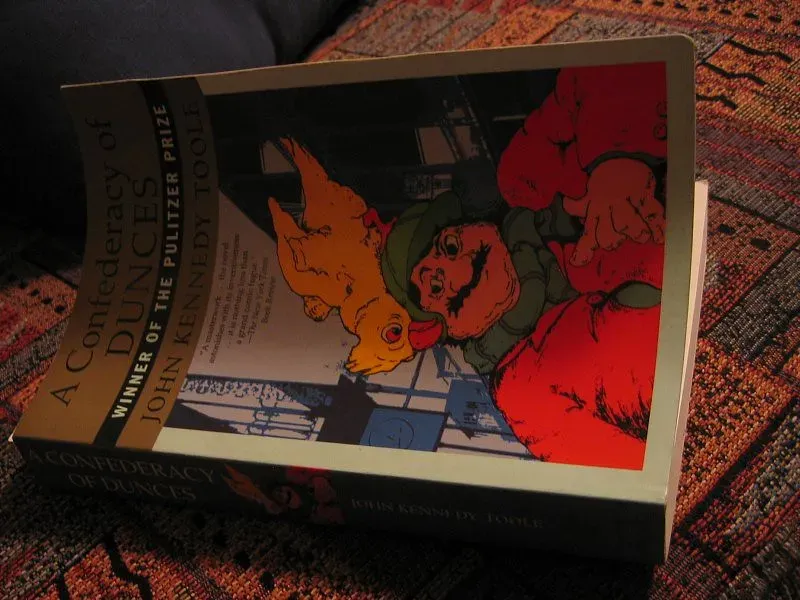
John Kennedy Toole’s posthumously published novel, A Confederacy of Dunces, won the Pulitzer Prize for Fiction in 1981. Published in 1980, 11 years after Toole took his own life, Toole’s mother Thelma spent years after her son’s death trying to get the novel published, eventually convincing author Walker Percy to read the manuscript. The book eventually sold more than 1.5 million copies, in 18 languages. The tragicomic adventures of Ignatius J. Reilly through New Orleans became a cult classic, yet Toole never lived to see his creation celebrated.
Sylvia Plath’s Bell Jar Sealed Forever


The Bell Jar is the only novel written by the American writer and poet Sylvia Plath. Plath died by suicide a month after its first UK publication in 1963. Though Plath is celebrated for her poetry, her sole novel remains a haunting exploration of mental illness and female identity in 1950s America. While she began work on a second project, it was left incomplete. Her raw, semi-autobiographical account of depression continues to resonate with readers who see themselves in Esther Greenwood’s struggle.
Ralph Ellison’s Invisible Follow-Up

Invisible Man won the National Book Award in 1953, and Ellison never completed a second novel during his lifetime. Despite being widely recognized for Invisible Man, which won him the 1953 National Book Award, it was the only novel published during the writer’s life. Ellison’s powerful exploration of Black identity and invisibility in American society became a landmark of twentieth-century literature. He worked on a second novel for decades, but it remained unfinished at his death, later assembled and published as Juneteenth from his notes.
Boris Pasternak’s Forbidden Masterpiece

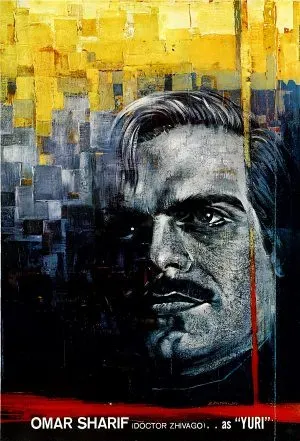
Pasternak was the author of Doctor Zhivago (1957), a novel that takes place between the Russian Revolution of 1905 and the Second World War, which was rejected for publication in the USSR but smuggled to Italy and first published there in 1957. Pasternak was awarded the Nobel Prize in Literature in 1958, an event that enraged the Communist Party of the Soviet Union, which forced him to decline the prize. Pasternak died of lung cancer in his dacha in Peredelkino in 1960. His sweeping romance amid revolution cost him dearly, yet the novel endures as a testament to love and survival.
Oscar Wilde’s Only Long-Form Tale

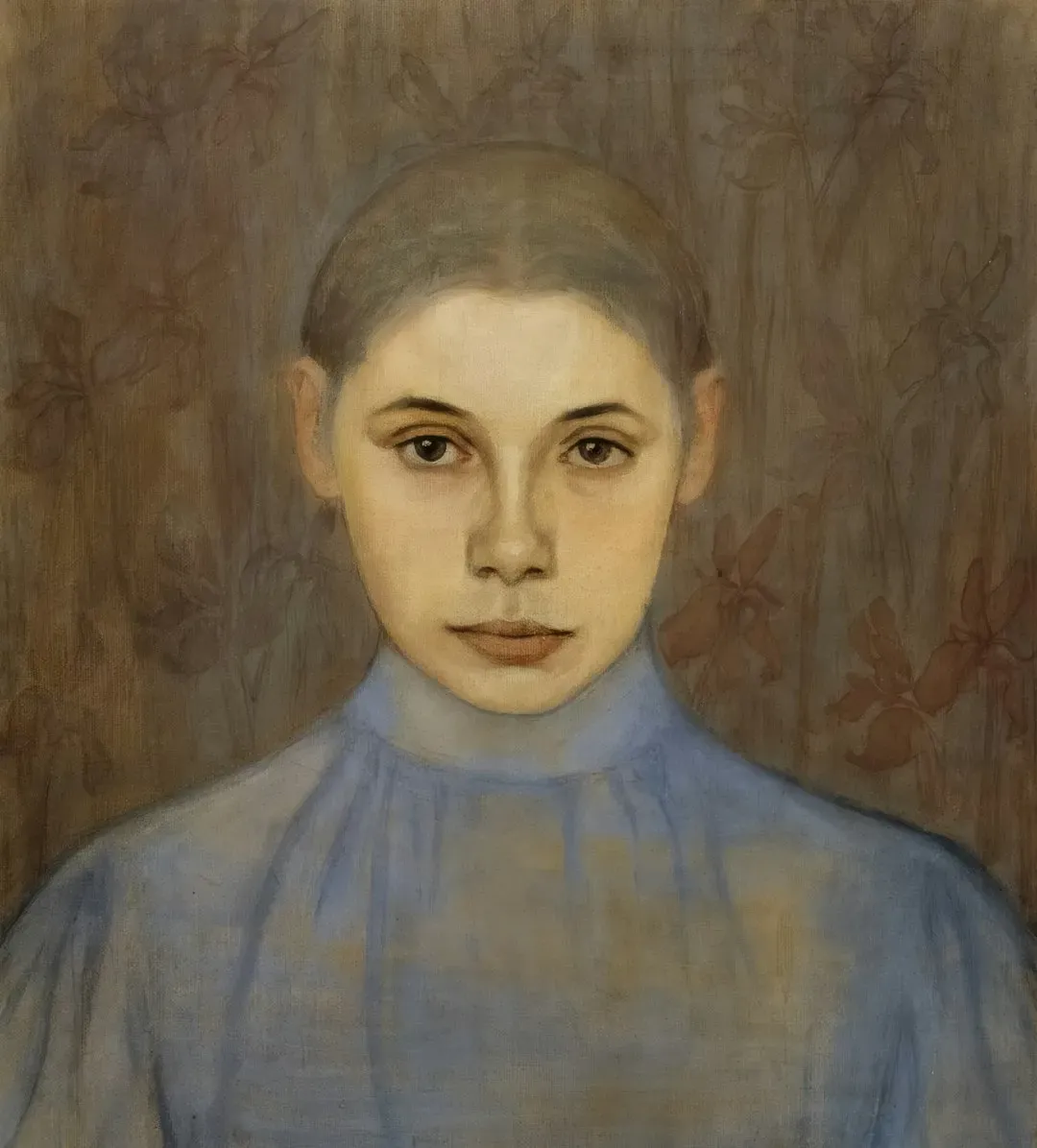
Although Wilde wrote plays, poems and short stories, The Picture of Dorian Gray was his only novel. Published in 1890, this gothic tale of beauty, corruption, and a portrait that ages while its subject remains eternally young scandalized Victorian society. Wilde’s genius shone brilliantly in theater and short fiction, yet he produced just this single novel. He also faced charges due to themes of sodomy and gross indecency in 1895. His imprisonment and exile cut short what might have been a prolific novel-writing career.
Arundhati Roy’s Twenty-Year Silence

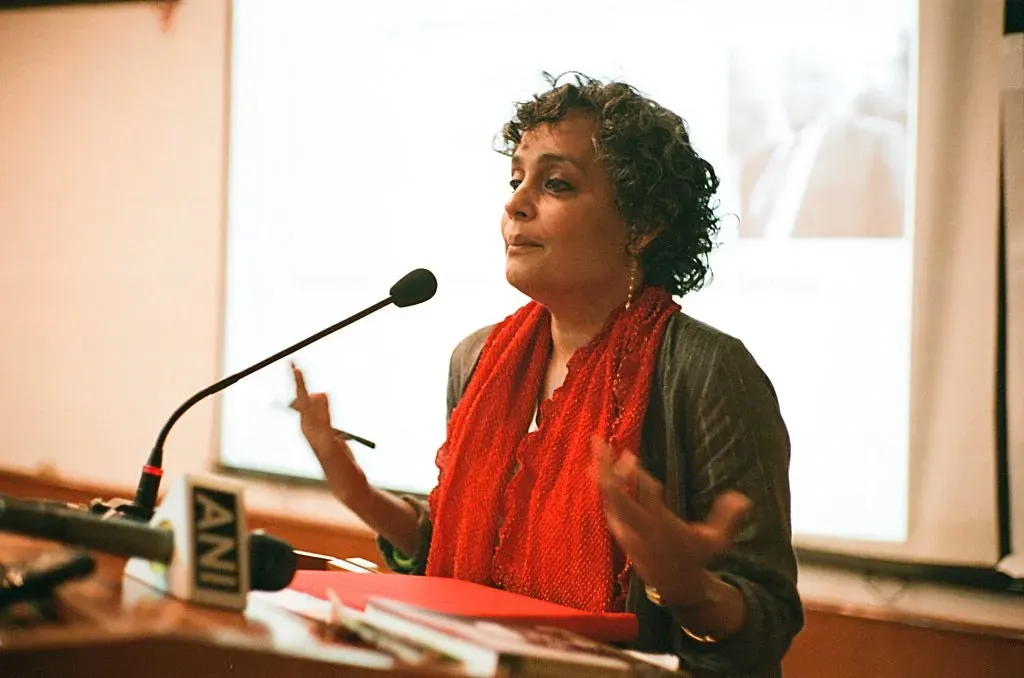
After The God of Small Things won the Booker Prize in 1997, Arundhati Roy did not publish another novel for 20 years, focusing instead on essays and activism. Her lyrical debut about forbidden love and caste divisions in Kerala became an international sensation, yet Roy turned her attention to political activism and nonfiction. When she finally returned to fiction in 2017 with The Ministry of Utmost Happiness, readers had waited two decades. Still, that first novel remains her most celebrated work, capturing a moment of pure literary magic.
Joseph Heller’s Catch That Couldn’t Be Caught Again


While Joseph Heller published several novels, Catch-22 remains his only enduring literary masterpiece according to most academic and critical assessments. His debut coined a now-ubiquitous term and is consistently listed as one of the funniest novels ever written and one of the finest literary works of the 20th century. Heller wrote about a third of it spontaneously, sent it to publishers, and eight years later, it was a hit. Though he continued writing for decades, nothing matched the absurdist brilliance of his wartime satire.
Kathryn Stockett’s Sole Southern Voice

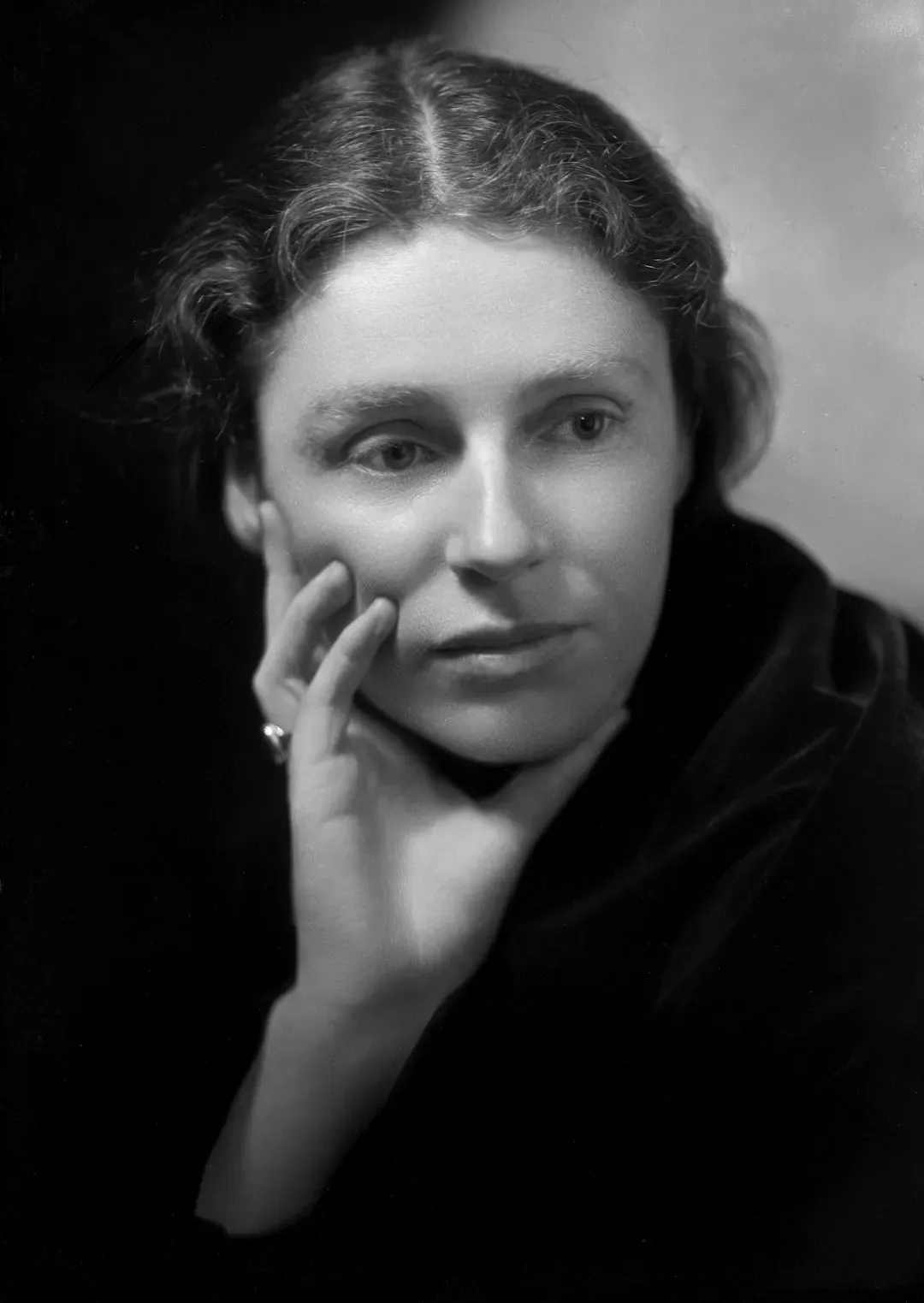
Although Stockett has indicated she is working on another novel, The Help remains her only published book. The debut novel was so popular that a film adaptation was released in 2011, focusing primarily on three African American maids in Jackson, Mississippi during the 1960s. Stockett’s exploration of race relations and domestic work in the civil rights era struck a powerful chord, becoming a bestseller and cultural phenomenon. Yet more than a decade later, readers still await her second novel.
Arthur Golden’s Geisha Memoir


Memoirs of a Geisha transported Western readers into the hidden world of 1930s Kyoto. The historical fiction novel depicts a geisha working in Japan around World War II, introducing readers to the rigorous training and servitude of Sayuri after being sold to a geisha house at 9 years old. Golden spent years researching this intricate world, and his 1997 novel became a massive bestseller. Despite its success and subsequent film adaptation, Golden has never published another novel, leaving readers wondering if he exhausted his storytelling in that single, meticulously crafted tale.
Mary Ann Shaffer’s Wartime Letters

Mary Ann Shaffer took on many literary roles in her short life: bookstore employee, librarian, and finally writer. However, this would be the only novel Shaffer completed before an illness took her life. The Guernsey Literary and Potato Peel Pie Society, published in 2008, charmed readers with its epistolary format and warmth. Sadly, Shaffer died before seeing her book become a beloved bestseller. Her niece completed some final edits, but the literary world lost a promising voice far too soon.
Ross Lockridge Jr.’s Raintree County

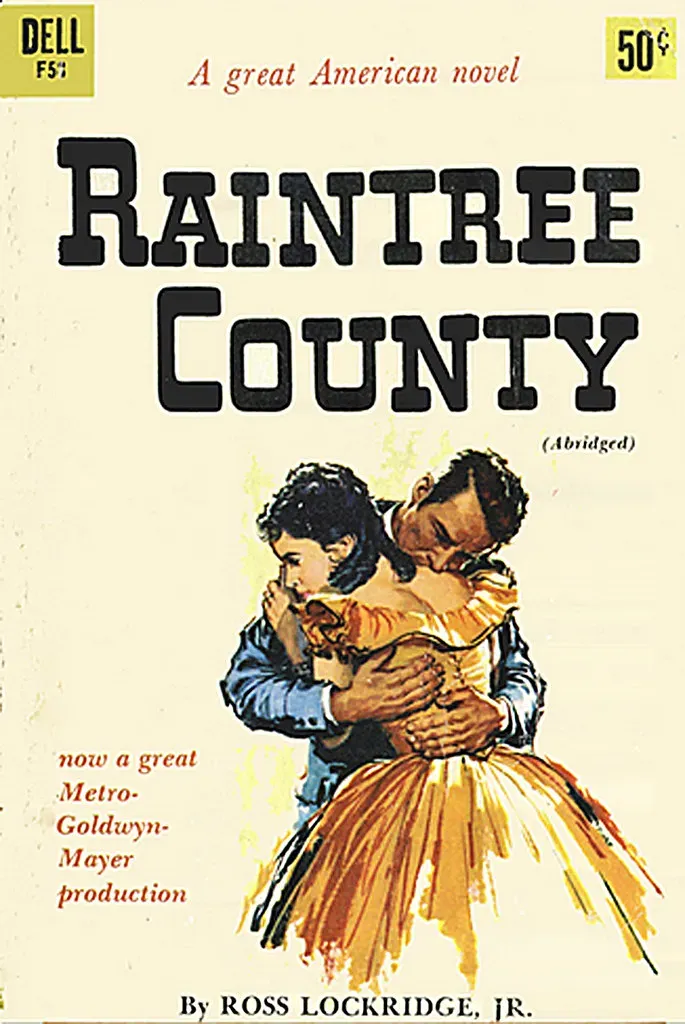
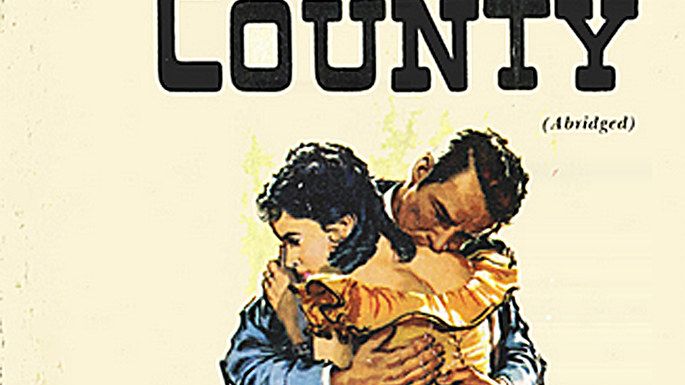
Lockridge committed suicide after suffering from depression, shortly after the publication of Raintree County. His ambitious 1948 novel about one day in Indiana during 1892 earned critical acclaim and commercial success. Yet the pressure and exhaustion of creating this epic work, combined with personal struggles, led to tragedy. Lockridge died at just 33, leaving behind a single sprawling masterpiece that explored American identity and mythology.
Kenneth Grahame’s Reluctant Return to the Riverbank


Though Kenneth Grahame wrote other works, The Wind in the Willows remains his only lasting contribution to literature. Published in 1908, this gentle tale of Mole, Rat, Badger, and the irrepressible Mr. Toad became a children’s classic. Grahame initially told the stories to his son, and the book’s publication brought unexpected fame. He never wrote another novel, content to let his riverside adventures speak for themselves. The book’s enduring popularity suggests he had nothing left to prove.
Sue Monk Kidd’s Debut Buzz

The Secret Life of Bees became an instant classic when published in 2002, spending over two years on bestseller lists. Kidd’s lyrical tale of a young girl finding refuge with beekeeping sisters in 1960s South Carolina touched millions. While she has published other novels since, none captured the cultural zeitgeist quite like her debut. That first book possessed a magic that proved difficult to recapture, making it her defining work despite a continued writing career.
Donna Tartt’s Decade-Long Silences

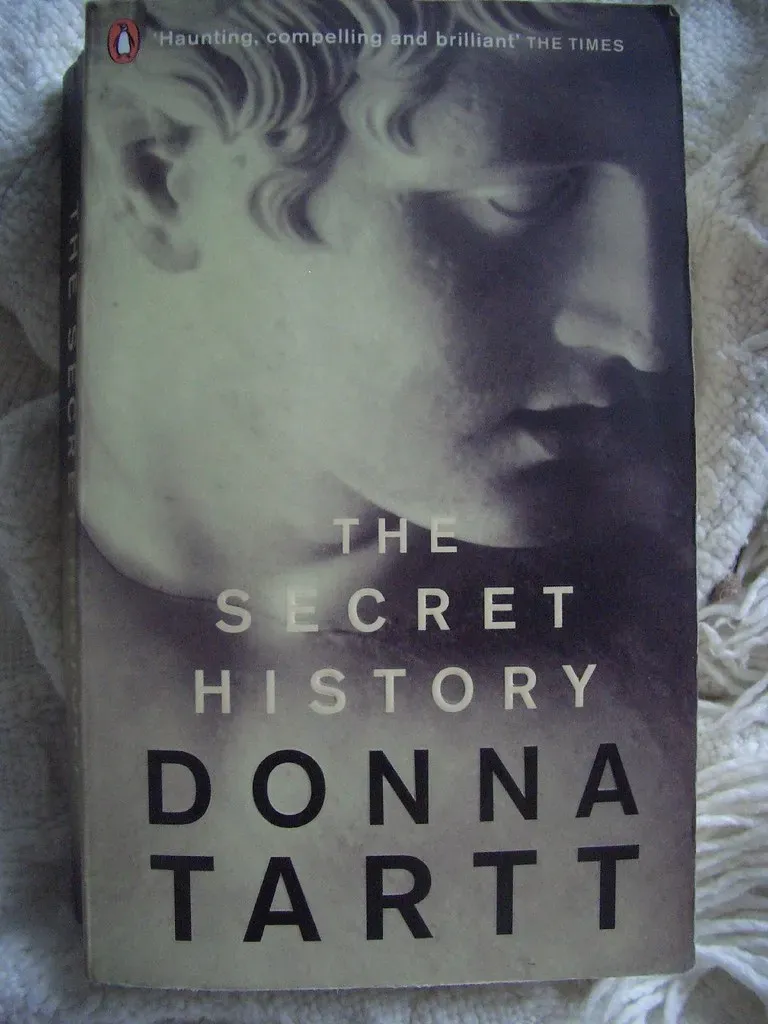
Donna Tartt has lots of writing years left, but it will be tough to topple The Secret History, which she published before she was 30, as her masterpiece. Though Tartt has published three novels, she takes roughly a decade between each one. The Secret History, her 1992 debut about a group of classics students and a murder, remains her most acclaimed work. Her glacial publishing pace and the perfection of that first novel make her feel like a one-hit wonder stretched across decades.
What strikes me most about these stories is how varied the reasons are. Death claimed some too early. Others chose silence. A few burned so brightly with that single work that they had nothing left to give. Whatever the reason, each left behind something remarkable. One perfect book can be enough.
What do you think? Does it diminish an author’s legacy to have only one great work, or does it make that single masterpiece even more precious?