Some artists achieve fame after years of struggle. Others find it when they’re no longer around to witness it. It’s one of music’s cruelest ironies – a voice silenced too soon, only to echo louder through the decades that follow. What follows are stories of musicians whose work went largely unnoticed during their lifetimes but later sparked revolutions, topped charts, and reshaped entire genres.
Nick Drake: The Folk Poet Who Found His Audience 25 Years Too Late


Nick Drake sold fewer than 5,000 copies during his brief lifetime, yet his music found acclaim and gradually received wider recognition following his death in 1974. His final Pink Moon LP became his biggest posthumous hit thanks to a 1999 Volkswagen commercial featuring its title song, introducing his voice to a generation that hadn’t been born when he recorded it. All three of Drake’s studio albums have been certified gold by the British Phonographic Industry, a milestone unimaginable during his lifetime when critics largely ignored him. The British musician’s sparse, melancholic guitar work and introspective lyrics now define a whole aesthetic of indie folk music.
Jeff Buckley: Grace’s Slow Ascent to Immortality
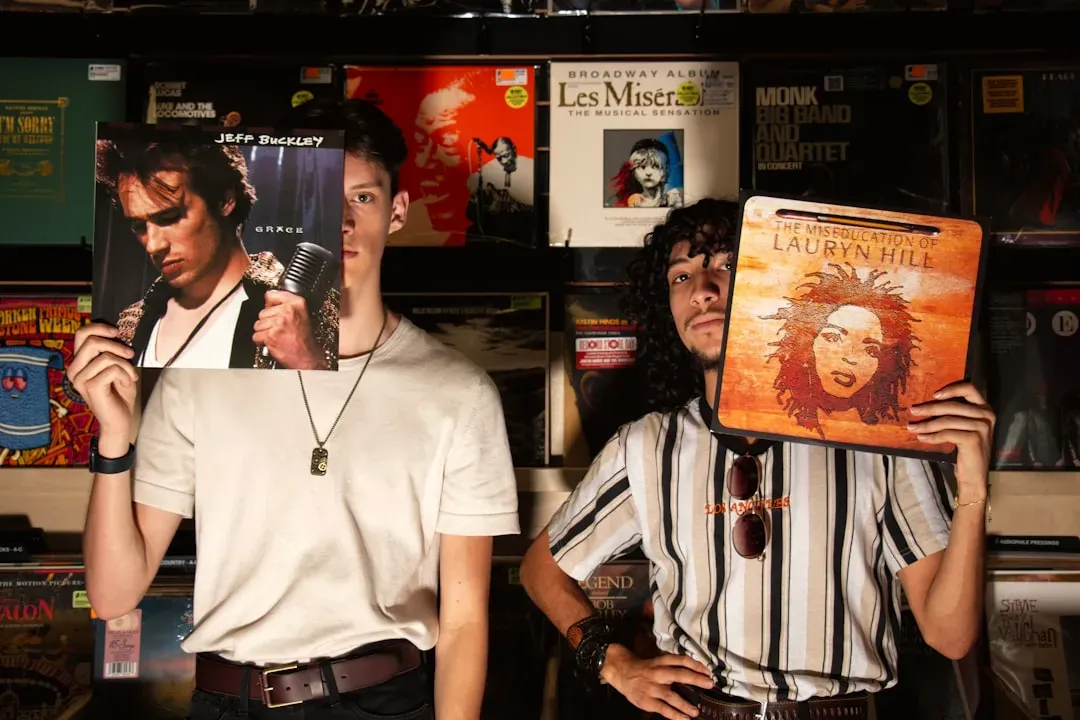
Grace reached number 149 on the US Billboard 200 and by the time of Buckley’s death in 1997, it had sold 175,000 copies. That sounds modest until you realize what came next. After Buckley’s death in 1997, its critical standing grew and it was praised by musicians including Jimmy Page, Robert Plant, Bob Dylan and David Bowie. Grace is currently certified 8× platinum in Australia, while over the course the ensuing 30 years since the original release, it’s not only sold remarkably well but also earned any number of kudos and accolades naming it as one of the greatest albums of all time. His version of Leonard Cohen’s “Hallelujah” became a standard, though Buckley never lived to see its cultural dominance.
Eva Cassidy: The Singer Who Topped Charts Five Years After Her Death

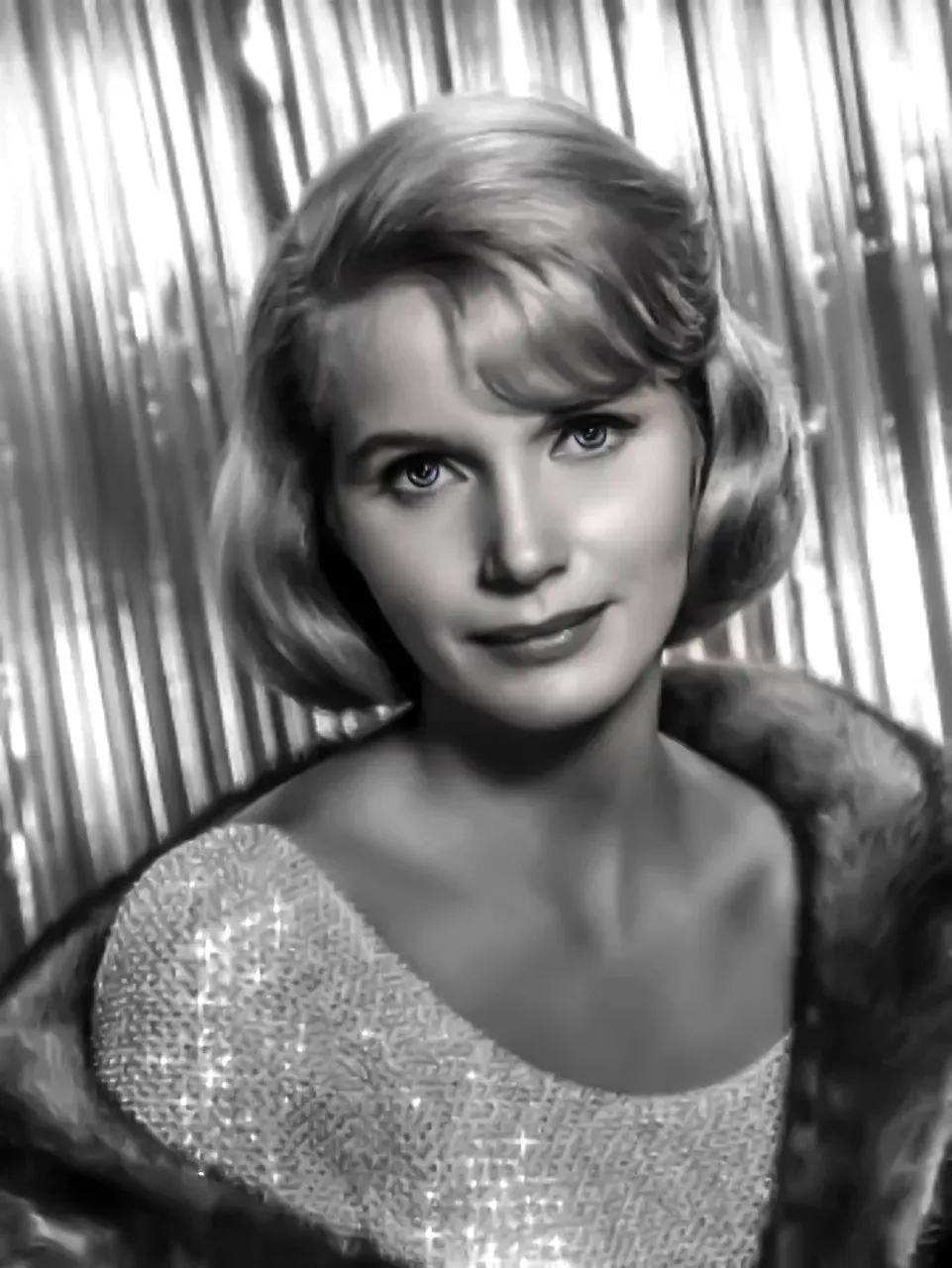
Here’s something that doesn’t happen often. 20 years ago, Eva Cassidy’s Songbird album climbed to Number 1 on the Official UK Albums Chart, a bittersweet moment as the US jazz-folk musician had died of cancer just over four years earlier aged 33. This CD lingered in relative obscurity for two years until it was given airplay by Terry Wogan on his wide-reaching BBC Radio 2 show Wake Up to Wogan, and the album sold 100,000 more copies in the following months. Songbird is certified six times platinum in the UK with 1,840,000 copies sold. Radio made her famous, but only after she was gone.
Sixto Rodriguez: The Detroit Musician Who Was a Superstar and Didn’t Know It

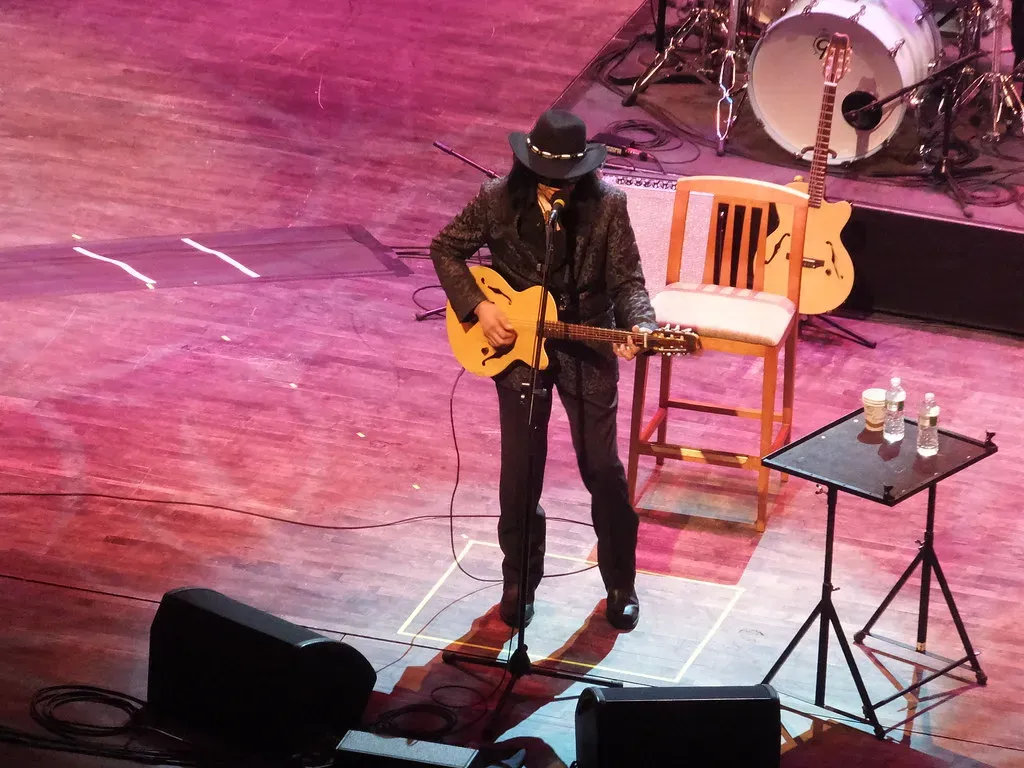
After many years of searching in a pre-internet age, two men found the musician alive and living in seclusion in Detroit, and even more remarkable was the fact that Rodriguez had no idea that he had been famous for over 25 years in a remote pariah of the world. Rodriguez’s music, which had never achieved success in his home country of the United States, had become very popular in South Africa, where his songs became anthems of the anti-apartheid movement. On 10 February 2013, the film Searching for Sugar Man won the BAFTA Award for Best Documentary and two weeks later, it won the Academy Award for Best Documentary Feature. Imagine working construction in Detroit while being more famous than Elvis in another hemisphere.
Robert Johnson: The King of the Delta Blues Nobody Heard

As a traveling performer who played mostly on street corners and in juke joints, Johnson had little commercial success or public recognition in his lifetime and had only two recording sessions that produced 29 distinct songs. In 1961, Columbia Records released King of the Delta Blues Singers, which started the “re-discovery” of Johnson as blues artist and is credited with finally bringing Johnson’s work to a wider audience. Eric Clapton called Johnson “the most important blues singer that ever lived,” while Bob Dylan, Keith Richards, and Robert Plant have cited both Johnson’s lyrics and musicianship as key influences. His legend grew so large that myths about crossroads and devils overshadowed the simple truth: he was devastatingly talented.
The Pattern Behind Posthumous Fame


What these artists share isn’t just tragic timing. Their work required audiences to catch up, culturally and emotionally. According to music research published in Popular Music Studies in 2023, artists who die young often experience delayed canonization due to retrospective critical reassessment once commercial pressure is removed. Without the machinery of fame – the tours, the interviews, the promotional cycles – the music itself becomes the message. Sometimes that message takes decades to reach the right ears.
The Role of Media in Rediscovery

As 2000 drew to a close, National Public Radio featured Eva Cassidy on its “Morning Edition” and almost simultaneously in England, a grainy video of Cassidy performing Over the Rainbow aired on BBC2, and the rebroadcast catapulted the Songbird album to the top of the UK and Irish album charts on March 18, 2001. Radio, television, and later streaming platforms became the vehicles for resurrection. Drake’s Volkswagen ad. Buckley’s film soundtrack placements. Rodriguez’s Oscar-winning documentary. These weren’t accidents – they were moments when forgotten art intersected with modern media, creating second chances.
Chart Reentries and Streaming Surges
Songbird has notched up 70 million plays in the UK across its ten tracks, including 415,000 streams alone last week, as it continues to be discovered some 20 years after its surprise chart success, according to the Official Charts Company. Billboard data confirms that deceased artists frequently re-enter charts within weeks of renewed media attention or anniversaries. The streaming era has fundamentally changed how posthumous recognition works – catalog sales no longer disappear. They accumulate, sometimes exponentially, as algorithms recommend old music to new listeners.
When the Label Gave Up but the Fans Didn’t

Sussex Records let Rodriguez’s albums vanish from American stores. Island Records barely promoted Nick Drake. Columbia had modest expectations for Jeff Buckley. Yet fans kept circulating bootlegs, making mixtapes, and insisting these artists mattered. Word of mouth and internet fan sites have played a large role in Cassidy’s success. The music industry moves on quickly, chasing the next commercial bet. Fans don’t. They become archivists, evangelists, and ultimately the reason obscure recordings become canonical.
The Cost of Recognition That Comes Too Late


Rodriguez said, “I felt I was ready for the world, but the world wasn’t ready for me. I feel we all have obligations. Those turns on the journey, different twists – life is not linear”. None of these artists experienced financial security from their work during their lives. Drake lived on a twenty-pound weekly retainer. Buckley died before his second album. Cassidy passed away just as her live recording was being released locally. Fame arrived with royalty checks their estates collected, museum retrospectives they never attended, and tributes they never heard. There’s something deeply unfair about genius recognized only in its absence.
Every one of these musicians gave everything to their craft while alive. They played dive bars, endured indifferent crowds, and recorded music that felt urgent and true. The tragedy isn’t just that they died young – it’s that they never knew how many lives their songs would eventually touch. What do you think pushes forgotten art back into the light?