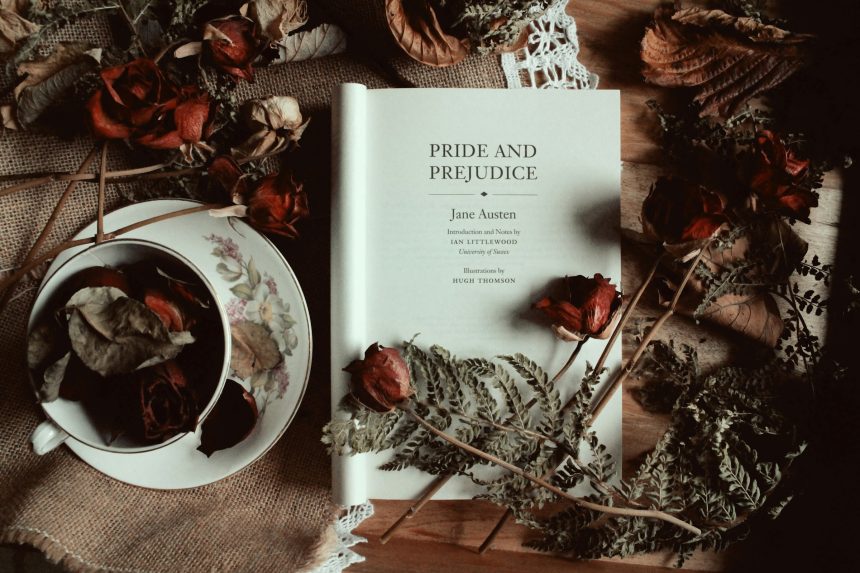
Some opening lines are so iconic that they’ve practically become cultural shorthand, quoted in classrooms, parodied in sitcoms, and tattooed on the occasional literary enthusiast’s forearm. Yet even devoted readers sometimes freeze when asked to name the source of a famous first sentence without any other context. This gallery-style quiz pulls together nine legendary novels, each represented by its unforgettable opening line, to test just how deep your literary memory really runs.
Grab a cup of tea, settle in, and see how many you can name before scrolling down to check yourself. No cheating by jumping ahead.
1. “It is a truth universally acknowledged, that a single man in possession of a good fortune, must be in want of a wife.”
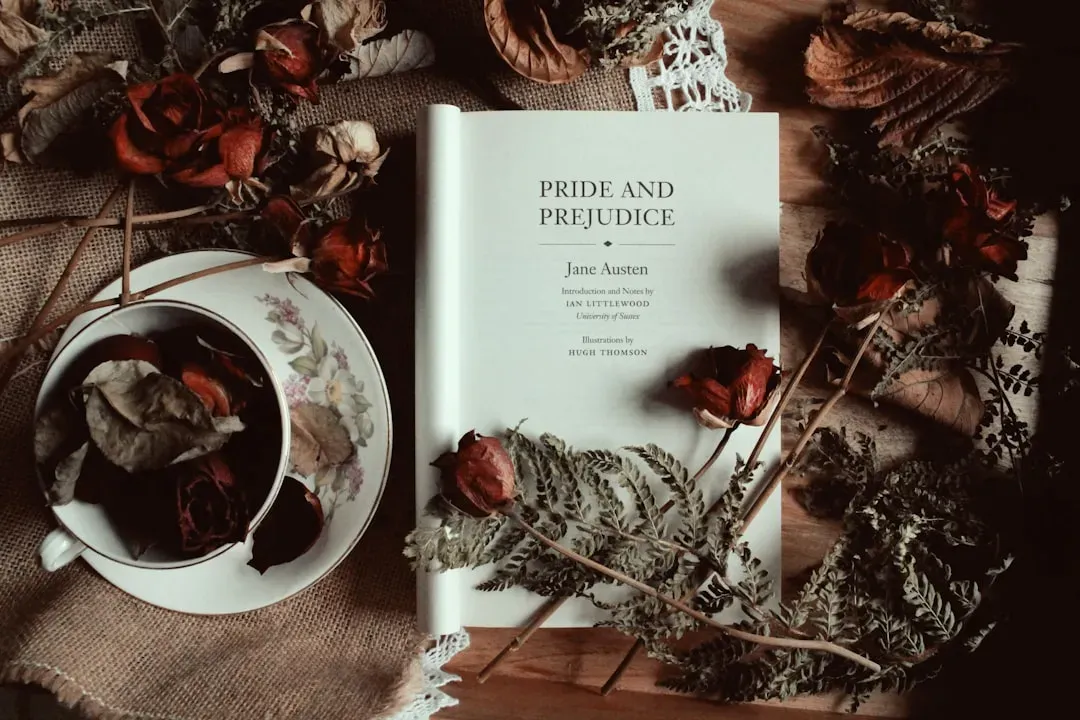
This sly, satirical opener belongs to Jane Austen’s Pride and Prejudice, published in 1813. The line sets the tone for the entire novel, poking fun at the marriage-obsessed society Austen so brilliantly dissected while introducing readers to the sharp wit of Elizabeth Bennet before she even appears on the page.
Austen’s ironic narrator immediately signals that this will be a story about social maneuvering disguised as romance. More than two centuries later, the sentence remains one of the most recognizable openings in English literature, still referenced in academic essays and casual book club chats alike.
2. “Call me Ishmael.”
Three words, and yet nearly every reader with even a passing interest in American literature knows this belongs to Herman Melville’s Moby-Dick, released in 1851. The blunt, almost casual introduction hides the sprawling, philosophical whale-hunting epic that follows, which stretches across hundreds of pages of obsession, nature, and fate.
What makes the line so enduring is its simplicity against the novel’s dense complexity. Melville could have chosen an elaborate introduction, but instead he handed readers a narrator who feels approachable from the very first breath, only to lead them into one of the most demanding reads in the American canon.
3. “It was the best of times, it was the worst of times…”

Charles Dickens opened A Tale of Two Cities in 1859 with this rhythmic, contradictory sentence that continues on for several more clauses describing an age of wisdom and foolishness, belief and incredulity. The novel is set against the backdrop of the French Revolution, and this opening captures the turbulence of that era in a way few other lines in literary history manage.
The sentence has been parodied endlessly, showing up in advertisements, political speeches, and countless other novels trying to borrow its cadence. Dickens’s original intent was to highlight the paradoxes of revolutionary France, comparing London and Paris in a period of dramatic social upheaval.
4. “Happy families are all alike; every unhappy family is unhappy in its own way.”
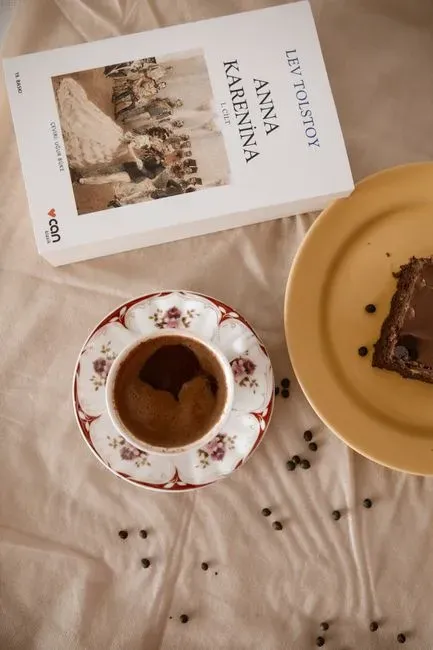
Leo Tolstoy’s Anna Karenina, first published in serialized form between 1875 and 1877, opens with this observation about domestic life that has since become a widely cited principle in fields well beyond literature, including psychology and sociology. The line immediately frames the novel’s central concern with the fragility of marriage and family bonds.
Tolstoy’s sweeping Russian epic follows Anna’s tragic affair alongside the more stable, if imperfect, marriage of Konstantin Levin. The opening sentence’s neat symmetry belies the messy, deeply human relationships that unfold across the book’s many hundreds of pages.
5. “As Gregor Samsa awoke one morning from uneasy dreams he found himself transformed in his bed into a gigantic insect.”

Franz Kafka’s The Metamorphosis, published in 1915, wastes no time establishing its surreal premise. Unlike novels that build slowly toward a twist, Kafka delivers the transformation immediately, forcing readers to accept the bizarre reality and focus instead on the emotional and social fallout that follows.
Partner offer
This directness is part of what makes the novella so unsettling and so frequently studied in literature courses worldwide. Kafka’s matter-of-fact tone treats the impossible as mundane, a technique that has influenced generations of writers working in absurdist and existentialist traditions.
6. “You will rejoice to hear that no disaster has accompanied the commencement of an enterprise which you have regarded with such evil forebodings.”

Mary Shelley’s Frankenstein, published anonymously in 1818 when Shelley was just twenty years old, begins not with the monster or the doctor but with a letter from an Arctic explorer named Robert Walton. This epistolary framing device was common in eighteenth and nineteenth century fiction, and Shelley used it to build tension before ever introducing Victor Frankenstein.
The line is less quotable than some others on this list, but its context matters enormously. Shelley’s novel, often credited as one of the earliest works of science fiction, unfolds through a nested structure of letters and confessions that this opening line sets in motion.
7. “There was no possibility of taking a walk that day.”
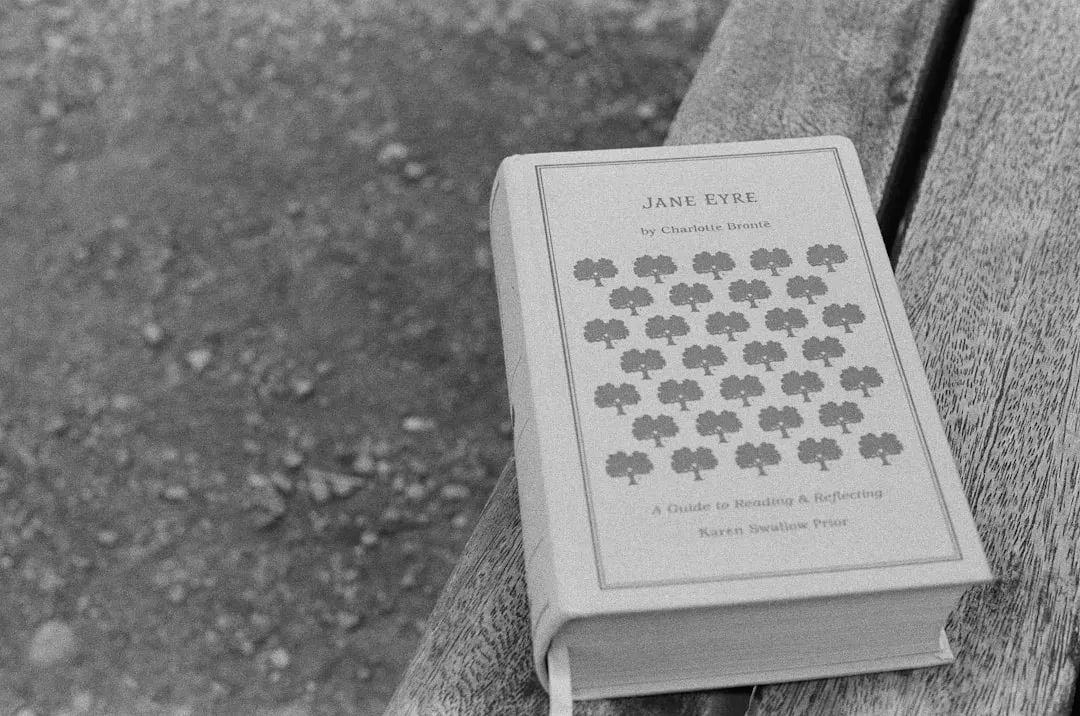
Charlotte Brontë’s Jane Eyre opens in 1847 with this deceptively plain statement, spoken by the young orphaned narrator confined indoors on a cold, rainy afternoon. The mundane detail quickly gives way to a portrait of a lonely, mistreated child whose inner strength will carry her through hardship after hardship.
Brontë’s choice to start with weather and confinement rather than drama or spectacle reflects the novel’s broader concern with interior life over external plot. Jane’s voice, resilient and observant from the very first page, remains one of the most compelling first-person narrators in Victorian fiction.
8. “You don’t know about me without you have read a book by the name of The Adventures of Tom Sawyer, but that ain’t no matter.”
Mark Twain’s The Adventures of Huckleberry Finn, published in 1884, announces its distinctive vernacular voice immediately. The deliberately unpolished grammar signals that this narrator is uneducated but sharp, setting the stage for a novel that captures American dialect with unprecedented authenticity for its time.
Twain’s decision to write in Huck’s own voice, complete with regional spelling and colloquialisms, was groundbreaking and controversial. The novel remains a fixture of American literature courses, both praised for its innovation and debated for its complicated portrayal of race and slavery in the antebellum South.
9. “On an exceptionally hot evening early in July a young man came out of the garret in which he lodged in S. Place and walked slowly, as though in hesitation, towards K. bridge.”
Fyodor Dostoevsky’s Crime and Punishment, published in 1866, opens with this quiet, almost documentary description of Raskolnikov wandering through St. Petersburg. The abbreviated place names, a technique meant to suggest real locations without naming them outright, add a layer of unsettling ambiguity right from the start.
This slow, deliberate opening contrasts sharply with the psychological intensity that follows once Raskolnikov commits murder. Dostoevsky’s patient build-up allows readers to absorb the young man’s mental state before the novel’s central crime even occurs, a structural choice that has fascinated critics for over a century and a half.
How Did You Score
If you recognized all nine novels without peeking at the author names, congratulations are in order. These opening lines represent some of the most studied and celebrated sentences in world literature, spanning Russian realism, American vernacular fiction, Gothic horror, and Victorian romance.
Even if a few slipped past you, there’s no shame in it. These books span more than a century of storytelling traditions, several languages in translation, and wildly different narrative styles, which is exactly why they continue to reward rereading long after the first sentence fades from memory.
Partner offer
Planning a trip to Vegas?
Compare hotel rates and show tickets on VEGAS.com.