Plenty of pop’s biggest songs began life in a songwriter’s notebook rather than a spotlight. Some writers spent years crafting hits for other voices before anyone heard them sing their own material. Others were already famous behind the scenes, and audiences only later learned who was responsible.
The eight musicians below all fit that pattern in different ways. Each one built a reputation as a writer for other artists, and each later stepped forward with a record of their own. I’ve stuck to well-documented career facts, so you won’t find shaky claims here.
Carole King

Carole King started out in the Brill Building era of the early 1960s, writing with her then husband Gerry Goffin. Together they wrote “Will You Love Me Tomorrow” for the Shirelles, which reached number one in the US in 1961. They also wrote “Natural Woman (You Make Me Feel Like)” for Aretha Franklin, and “The Loco-Motion” for Little Eva.
King’s own breakthrough came with the 1971 album Tapestry. It won multiple Grammy Awards and became one of the best-selling albums of its era. Many fans were surprised to learn that several of its songs, including “Natural Woman,” had already been hits for others.
Neil Diamond
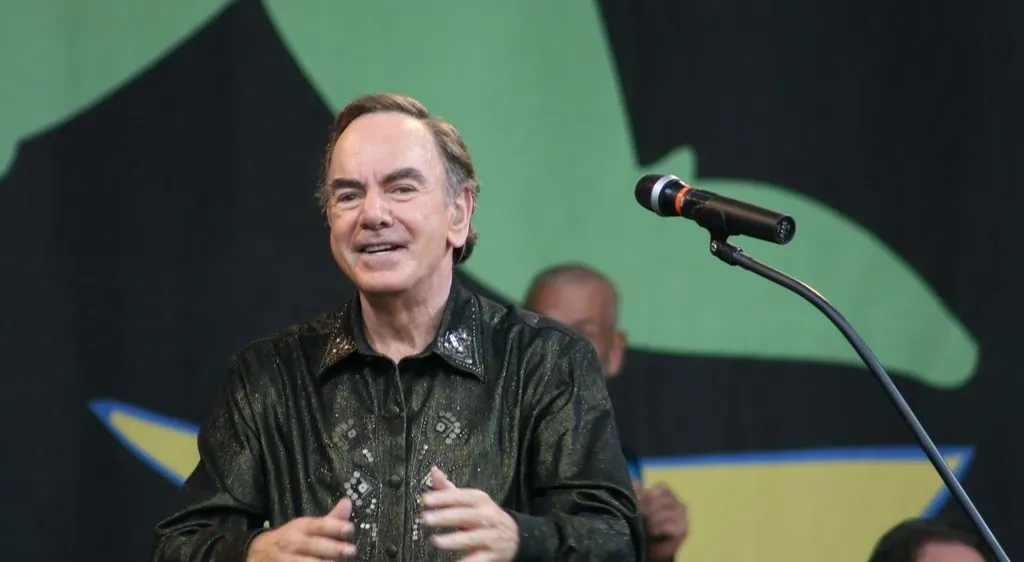
Before he became a stadium-level performer, Neil Diamond worked as a songwriter in the Brill Building. He wrote “I’m a Believer,” which became a huge hit for the Monkees in 1966. He also wrote “A Little Bit Me, a Little Bit You” for the same group.
Diamond was already releasing his own records in the mid-1960s, so he isn’t a pure case of writing first and performing later. Still, the Monkees’ success helped spread his name widely. It’s a good example of a songwriter’s catalog doing promotional work for the writer himself.
Diane Warren

Diane Warren is one of the most successful pure songwriters in pop history, and she has largely stayed behind the scenes. She wrote “Because You Loved Me” for Celine Dion and “I Don’t Want to Miss a Thing” for Aerosmith, the latter a number one hit in the US in 1998. Her catalog covers decades and genres.
Warren is notable because her own artist career has been minimal. She did release a 2022 album of her songs performed by others, titled Diane Warren: The Cave Sessions, Vol. 1, and she received an honorary Oscar in 2022 after many nominations. She’s included here as an interesting contrast, a writer whose name is known without a solo hit run.
Sia
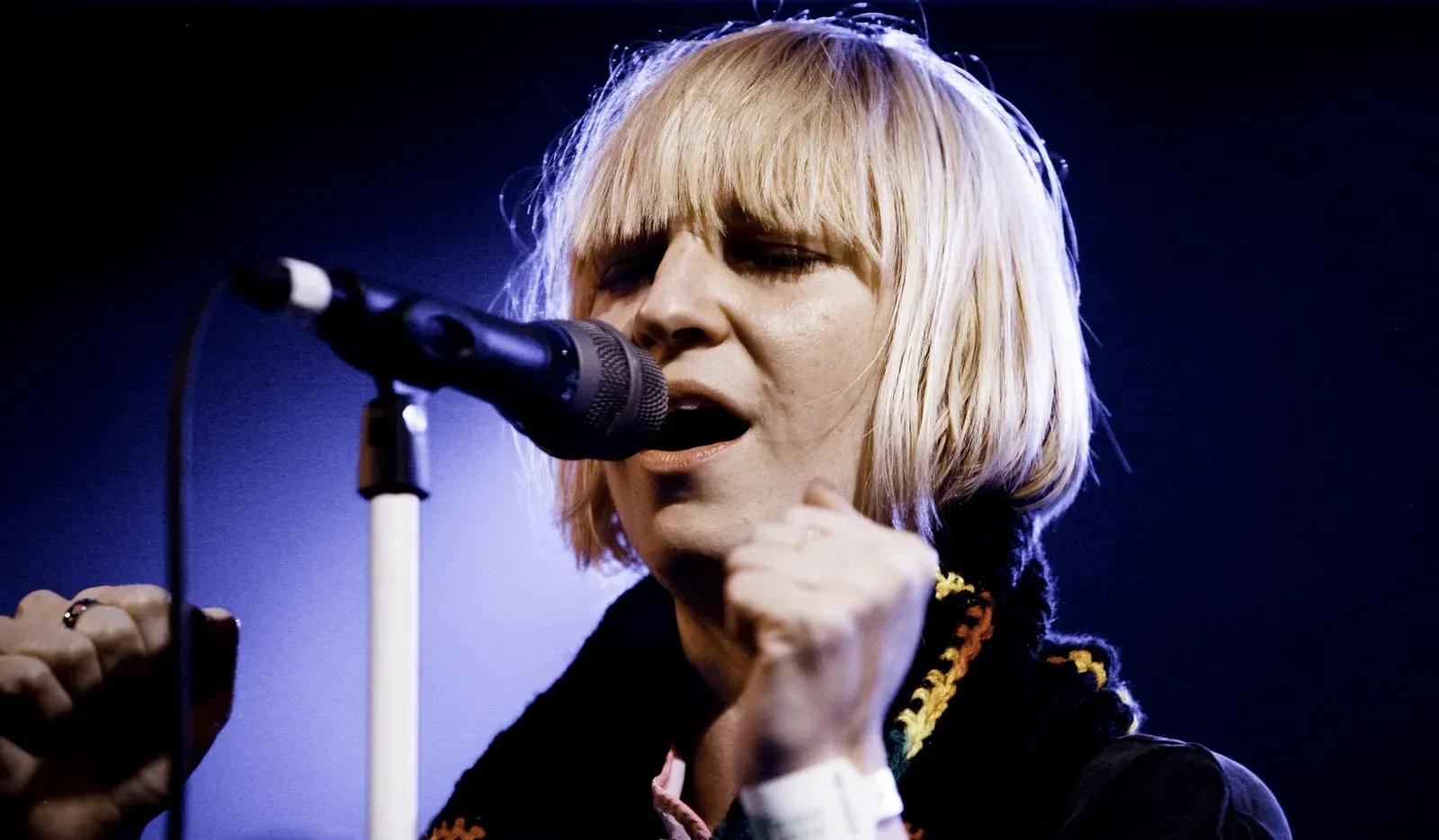
Sia released albums in the early 2000s, but her biggest commercial leap came after she focused on writing for other artists. She co-wrote Rihanna’s “Diamonds,” a 2012 number one hit in the US. She also contributed to songs for Beyoncé, including “Pretty Hurts,” and to Britney Spears’ “Toxic” era work through collaborators.
Her own mainstream breakthrough followed with the 2014 album 1000 Forms of Fear, which included “Chandelier.” She has said in interviews that she wanted to step back from performing and write for others first. That path is a major reason she’s often cited as a songwriter turned star.
Partner offer
Bruno Mars
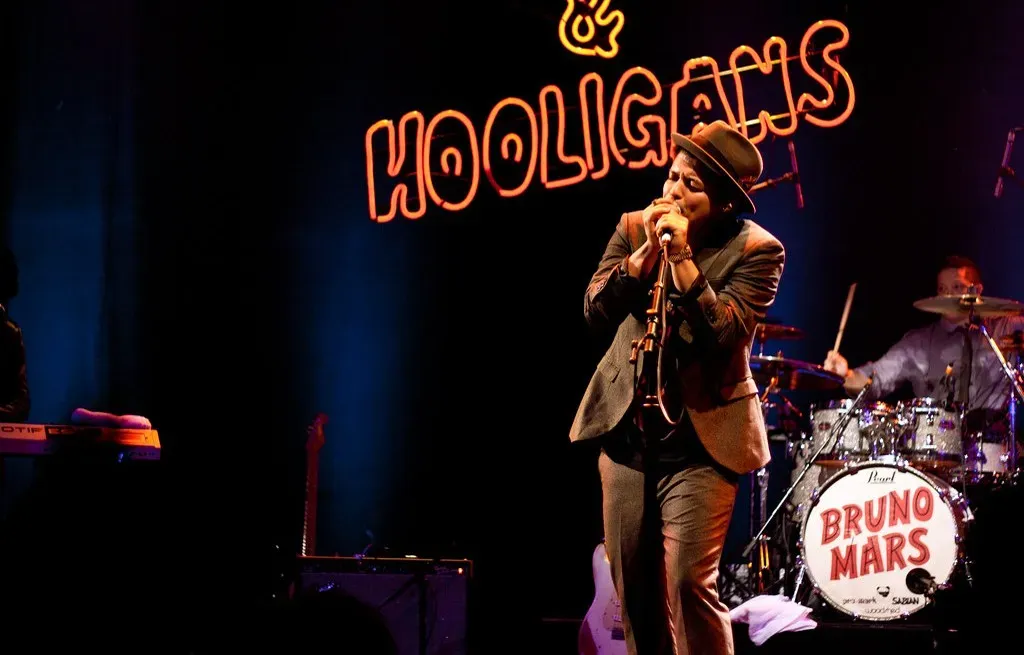
Bruno Mars gained attention as part of the songwriting and production team the Smeezingtons. The team co-wrote “Nothin’ on You” for B.o.B and “Billionaire” for Travie McCoy, both released in 2010. They also co-wrote Cee Lo Green’s “Forget You.”
His debut album, Doo-Wops and Hooligans, followed in late 2010 and included “Just the Way You Are.” He’d had earlier, unsuccessful attempts at a record deal, so the writing work helped open doors. It was a clear case of a hit-making résumé setting up a solo launch.
Ne-Yo
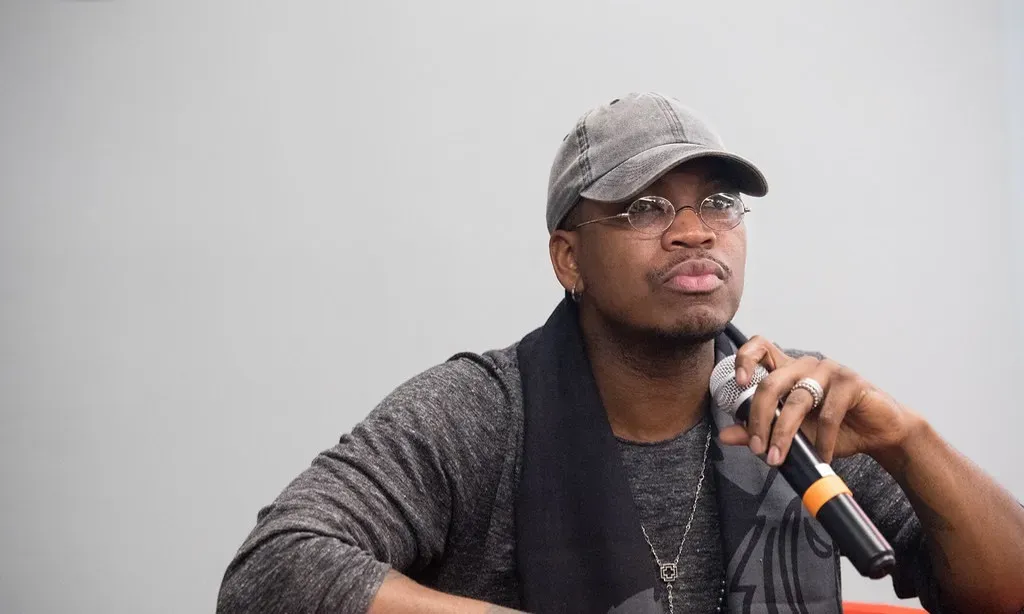
Ne-Yo was writing for major acts before his own debut album arrived. He co-wrote Mario’s “Let Me Love You,” a hit in 2004. He also wrote for Rihanna, including “Unfaithful” in 2006.
His debut album, In My Own Words, came out in 2006 and produced the hit “So Sick.” The songwriting credits gave him credibility with listeners who already knew the songs he’d written. His career shows how R&B songwriters often move from the writing room to the microphone.
Lady Gaga
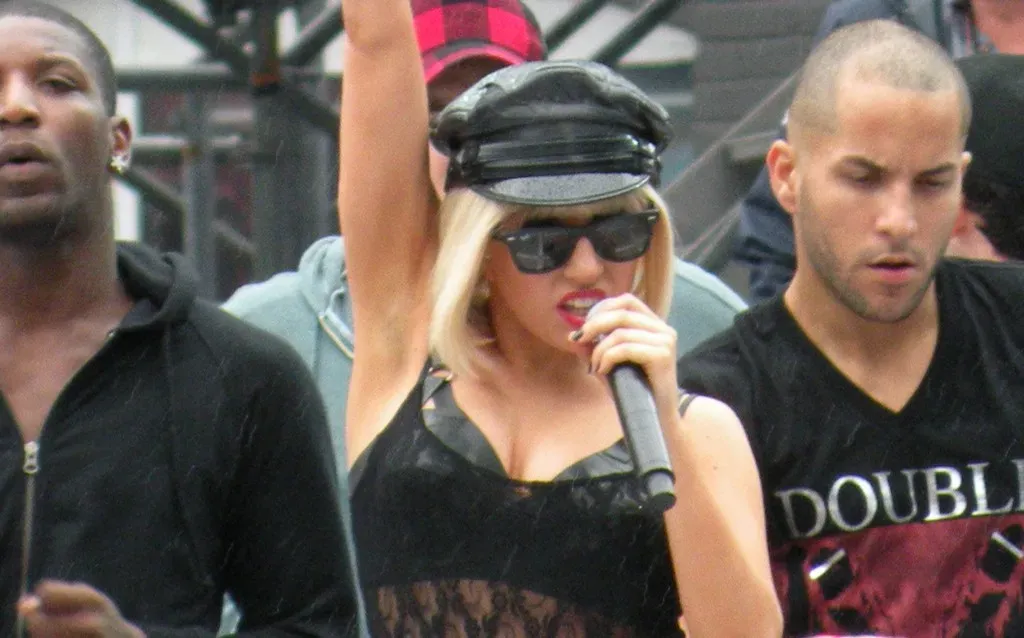
Before her debut The Fame in 2008, Lady Gaga worked as a songwriter for other artists. She wrote for Pussycat Dolls, and she contributed material to artists on Interscope’s roster. Her songwriting ability was noticed by industry figures such as Akon and Vincent Herbert, who helped her sign to a label.
That background helps explain why her early singles, including “Just Dance” and “Poker Face,” were so tightly constructed. She has long described herself as a songwriter first. Her later Oscar win for “Shallow” in 2019 underlines that strength.
Harry Nilsson
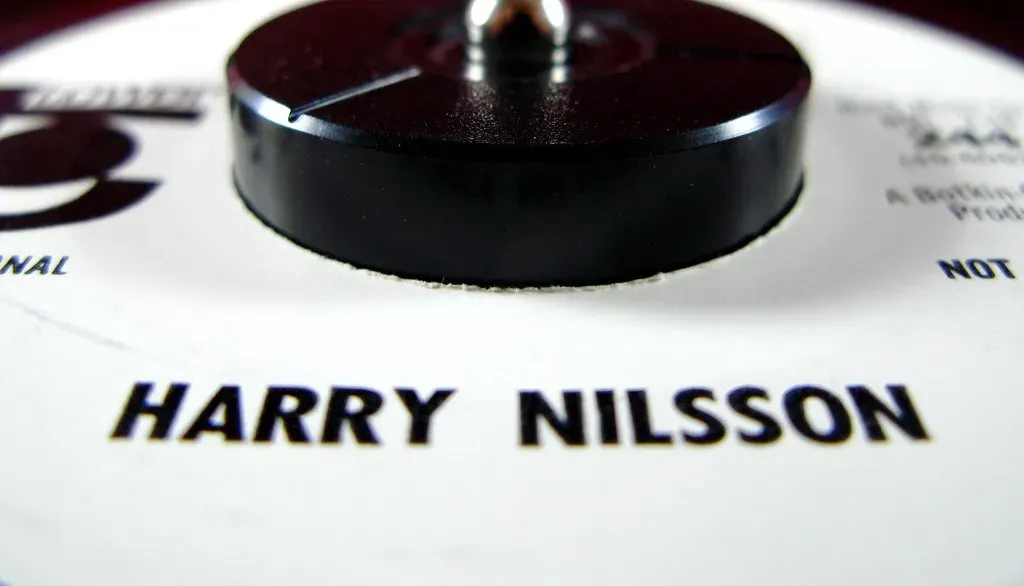
Harry Nilsson worked in the 1960s writing songs for others while building his own career. He wrote “Cuddly Toy” for the Monkees, and his songs were recorded by acts such as the Ronettes. His voice would later become famous, notably on “Everybody’s Talkin'” in 1969, though he didn’t write that one.
His 1971 hit “Without You” was also written by others, the band Badfinger. He’s a good reminder that the line between writer and performer can blur in both directions. The Beatles reportedly admired his work, which added to his reputation among musicians.
Final Thoughts
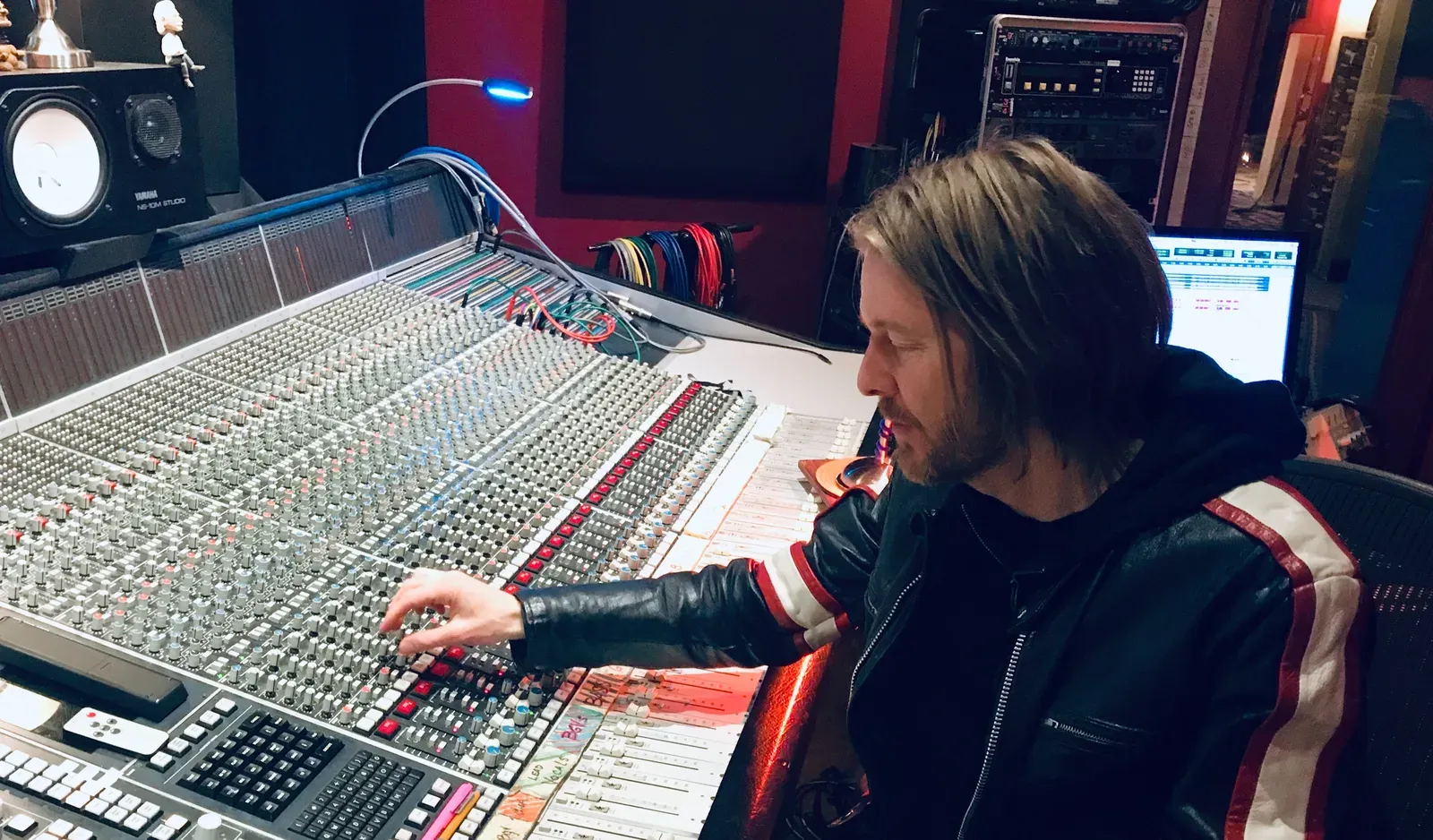
These eight careers show that songwriting can be a launchpad, a parallel career, or a lasting identity in its own right. Some, like King and Mars, moved from writing to stardom. Others, like Warren, built enormous influence without chasing a spotlight.
Next time a song catches your ear, check the credits. The person behind it might be someone whose name you already know.
Partner offer
Planning a trip to Vegas?
Compare hotel rates and show tickets on VEGAS.com.