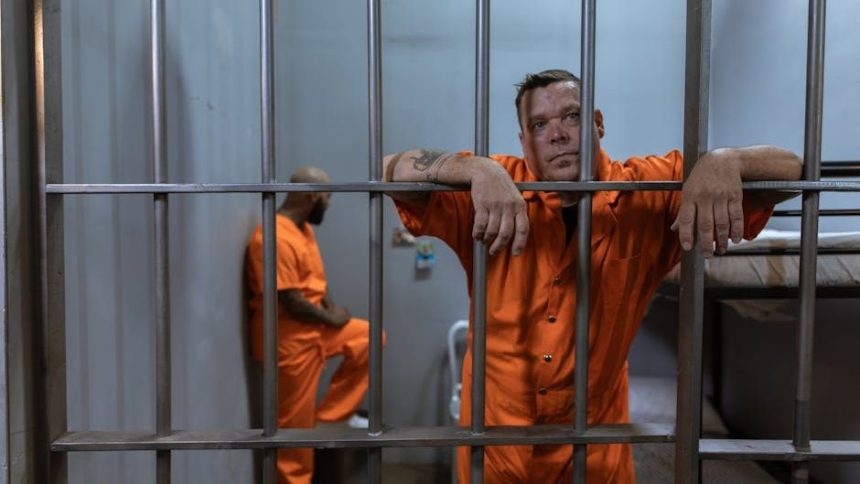
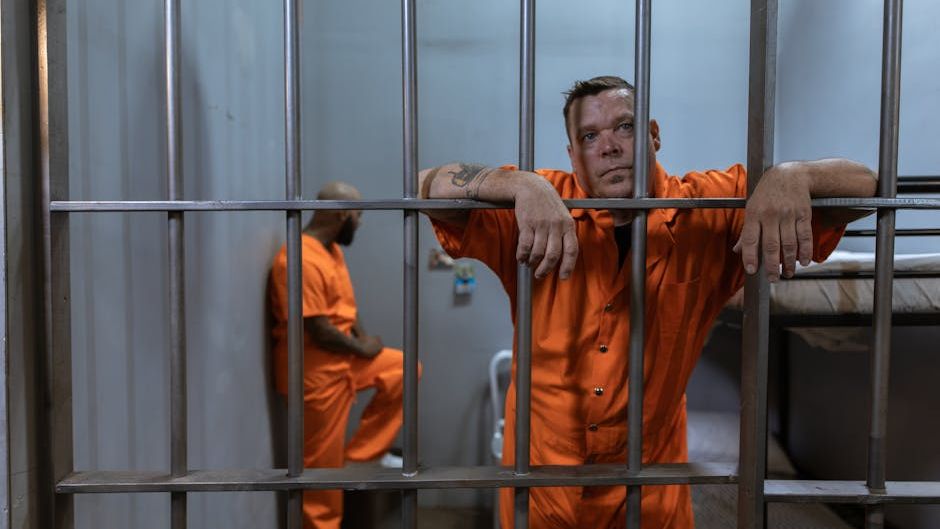
Background of a Violent Conviction (Image Credits: Pexels)
Oregon – A transgender woman convicted of manslaughter has received a substantial financial settlement from the state after alleging repeated sexual assaults during her time in men’s prisons. The agreement highlights ongoing debates over inmate housing and safety protocols within the correctional system. Zera Lola Zombie, serving a lengthy sentence, claimed prison officials failed to protect her from predatory cellmates, leading to federal court intervention.[1][2]
Background of a Violent Conviction
Zera Lola Zombie, formerly known as Daniel Lee Smith, faced conviction in 2014 for first-degree manslaughter. She pleaded guilty to beating her girlfriend, Samantha Lee Brown, to death. Brown, aged 24, suffered fatal blunt force trauma to the head and was discovered in a camp trailer in Echo, Umatilla County.[2]
The court imposed a 20-year term for the killing. An additional 15 years followed for a first-degree assault on another inmate while held in Umatilla County Jail in Pendleton. Zombie, now 41, faces release no earlier than June 2049.[1][2]
Transition and Shifts in Prison Placement
Zombie identified as transgender in July 2020 and started hormone therapy shortly before. By October 2022, she consulted a medical specialist about gender-affirming surgery. These steps occurred amid multiple transfers across Oregon facilities, including Oregon State Correctional Institution, Oregon State Penitentiary in Salem, Snake River Correctional Institution, and Two Rivers Correctional Institution in Umatilla.[2]
Prior to her current placement at Coffee Creek Correctional Facility, a women’s prison in Wilsonville, Zombie spent time in male institutions. Reports indicate her transfer to the women’s facility took place around April 2025, following years of legal battles over housing.[1]
Partner offer
Allegations of Assault and Neglect
The core of Zombie’s 2021 federal civil rights lawsuit centered on repeated sexual assaults by cellmates. At Oregon State Penitentiary, officials paired her with an inmate serving roughly 40 years for violent sex crimes against women. Zombie reported that this cellmate terrorized her repeatedly, yet a corrections officer dismissed her complaints, suggesting she would “get over it.”[2]
A subsequent transfer to Two Rivers in August 2022 led to another assault by a cellmate convicted on five counts of first-degree sexual abuse, serving a 10-year sentence. There, Zombie endured harassment, including being labeled a “rape rat” by others. A corrections captain reportedly called her a liar and attention seeker. The suit accused the state of gender discrimination, violating the Prison Rape Elimination Act by denying counseling, and failing to report assaults or protect her as a vulnerable adult-in-custody.[1][2]
- Housing with known sexual predators despite risks.
- Lack of required counseling and assault reporting.
- Continued exposure to abusers during meals and medication distribution.
Court Rulings and the Settlement Outcome
U.S. District Judge Ann Aiken intervened decisively in 2023. She issued a temporary restraining order, deeming it “more likely than not that plaintiff has been repeatedly subjected to abuse, including sexual assault.” The judge mandated Zombie’s classification as vulnerable, single-cell housing, and restrictions on showering or dressing near male inmates or staff.[1][2]
The state agreed to a $295,000 settlement, with Zombie receiving $95,000 and her attorney, John Burgess, securing $200,000 in fees. A Department of Corrections spokesperson emphasized their zero-tolerance policy: “We take all allegations of sexual assault seriously and are committed to addressing them thoroughly and responsibly.”[1][2]
This resolution underscores persistent challenges in balancing inmate protections, particularly for transgender individuals, against broader safety concerns in correctional settings. As Zombie continues her sentence at Coffee Creek, the case leaves questions about future housing policies and prevention measures lingering for Oregon’s prison system.
Partner offer
Planning a trip to Vegas?
Compare hotel rates and show tickets on VEGAS.com.