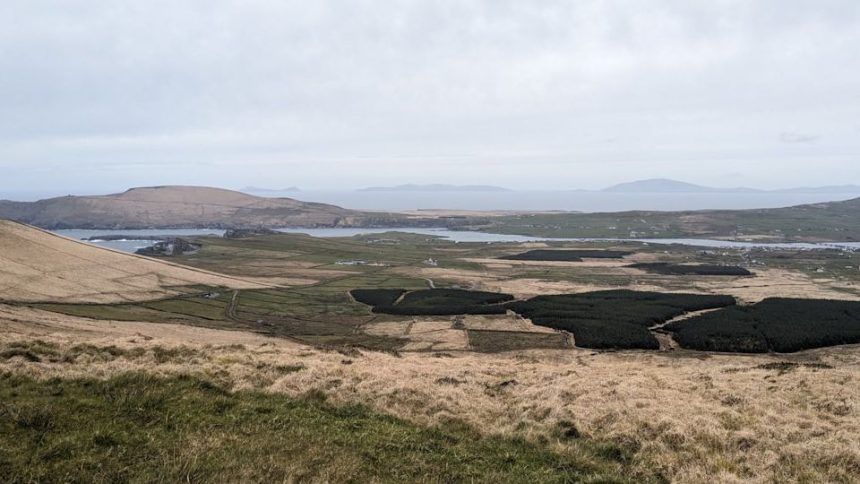
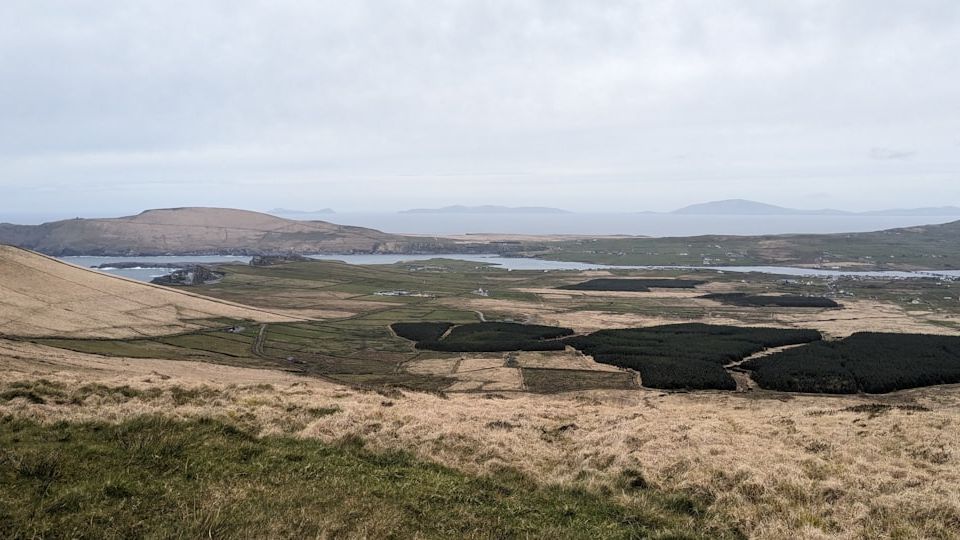
The overlooked ecosystems that hold massive carbon stores – Image for illustrative purposes only (Image credits: Unsplash)
Climate pressures continue to mount, and solutions that rely on existing natural systems are drawing renewed focus. Peatlands stand out among these because they quietly accumulate and retain large amounts of carbon that would otherwise enter the atmosphere. Their protection now carries direct consequences for future temperature trajectories and ecosystem stability.
Why These Ecosystems Matter in Current Climate Discussions
Peatlands form in water-saturated environments where plant material decomposes very slowly. This slow decay allows carbon to build up in thick layers of peat over centuries. The result is a substantial reservoir that keeps carbon out of circulation and limits its contribution to warming.
Unlike faster-cycling systems such as grasslands or croplands, peatlands maintain their stored carbon for long periods when left undisturbed. Any widespread loss therefore represents a permanent addition to atmospheric carbon levels rather than a temporary shift. This distinction explains why researchers and policymakers increasingly treat peatland conservation as a measurable climate strategy.
How Preservation Translates Into Practical Outcomes
Keeping peatlands intact prevents the release of stored carbon through drainage, fire, or land conversion. Once released, that carbon adds to the total already driving temperature increases. Maintaining the water table and avoiding soil disturbance are the main actions that sustain this storage function.
Partner offer
Restoration efforts on previously drained sites can restart the accumulation process, though recovery takes decades. In the meantime, the priority remains avoiding further losses. These steps align with broader goals of reducing net emissions without requiring entirely new technologies.
Remaining Uncertainties and Research Needs
While the basic mechanism of carbon storage in peatlands is well established, exact quantities vary by region, depth, and vegetation type. Scientists continue to refine estimates of how much additional carbon could be retained under different management scenarios. Field measurements and modeling both play roles in narrowing these ranges.
Interactions with other climate factors, such as changing rainfall patterns or rising temperatures, are still under study. Some peatlands may become less stable if drying occurs, while others could expand under wetter conditions. These variables mean that preservation strategies must remain adaptable as new data emerge.
What Matters Now
Peatlands lock away climate-warming carbon, so preserving them is critical to the planet’s future.
Current policy discussions increasingly include peatland protection alongside emissions reductions from energy and transport sectors. Integrating these areas into national climate plans offers a low-cost complement to other measures. Continued monitoring will show how well these combined approaches perform over the coming decades.
Attention to peatlands does not replace the need for rapid cuts in fossil-fuel emissions. It does, however, add a durable, nature-based component that can operate alongside technological solutions. The long-term value lies in recognizing these ecosystems as active participants in climate stability rather than passive background features.
Partner offer
Planning a trip to Vegas?
Compare hotel rates and show tickets on VEGAS.com.