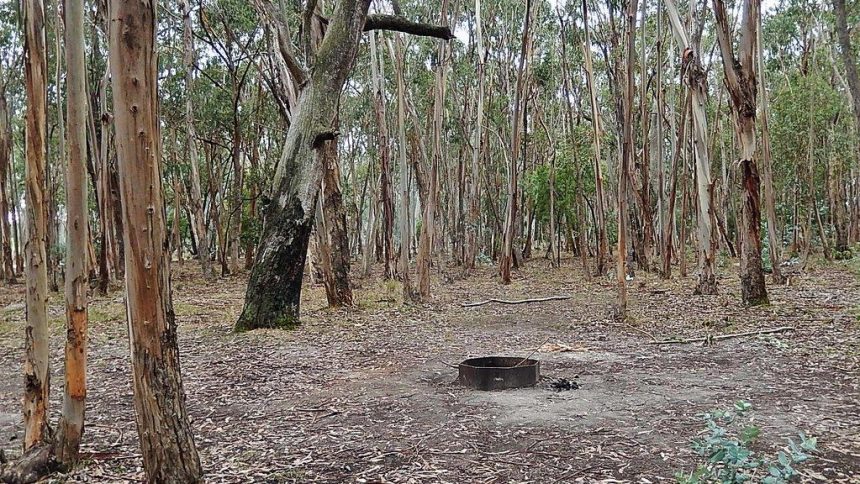
Prescribed Burns and Forest Thinning Averted Millions of Tons of Emissions and Billions in Damages – Image for illustrative purposes only (Image credits: Flickr)
Western forests face growing pressure from wildfires that release vast amounts of carbon and threaten nearby communities. A new University of California, Davis study shows that deliberate efforts to reduce excess vegetation have already produced measurable gains in both climate protection and public safety. These fuel treatments, which include prescribed burns and mechanical thinning, delivered results across multiple states in recent years.
Clear Numbers on Emissions and Health
The research team calculated that the treatments prevented the release of 2.7 million tons of carbon dioxide. That volume equals the annual emissions from roughly 580,000 passenger vehicles. At the same time, the work avoided nearly 60 premature deaths linked to smoke exposure.
Researchers reached these estimates by comparing treated areas with similar untreated zones during actual fire events. The analysis focused on the Western United States, where wildfire activity has intensified over the past two decades. Results appear in a peer-reviewed journal and rely on established models for smoke dispersion and carbon accounting.
Economic Savings Add Up Quickly
Direct damages avoided reached an estimated $2.8 billion. This total covers property losses, firefighting expenses, and health-care costs tied to smoke. The figure does not include longer-term ecosystem recovery expenses that often follow large fires.
Officials note that these savings occurred even though the treatments themselves carry upfront costs for planning and execution. The study suggests the return on investment becomes clear once a treated area experiences a wildfire. Future projects could scale similar approaches if funding remains steady.
What the Findings Reveal About Forest Management
Fuel reduction works by lowering the amount of dry material available to burn. Prescribed burns consume vegetation under controlled conditions, while thinning removes smaller trees and brush that act as ladder fuels. Both methods leave larger, more fire-resistant trees in place.
The study examined multiple treatment sites rather than a single location. This broader view helps account for differences in forest type, weather, and terrain. Still, the authors caution that results can vary with local conditions and the intensity of any subsequent wildfire.
| Outcome | Estimated Benefit | Key Caveat |
|---|---|---|
| Carbon emissions avoided | 2.7 million tons | Depends on fire behavior after treatment |
| Premature deaths prevented | Nearly 60 | Based on smoke exposure models |
| Damages averted | $2.8 billion | Includes property and health costs only |
Looking Ahead for Land Managers
Agencies responsible for public lands now have clearer evidence that targeted vegetation reduction delivers benefits beyond immediate fire control. The UC Davis findings arrive as federal and state budgets consider expanded treatment programs. Continued monitoring will show whether these gains hold as climate patterns shift.
Land managers can use the data to prioritize areas where treatments offer the highest combined return in emissions reduction and health protection. The study reinforces that proactive steps today can limit both environmental and economic burdens from future fires.