


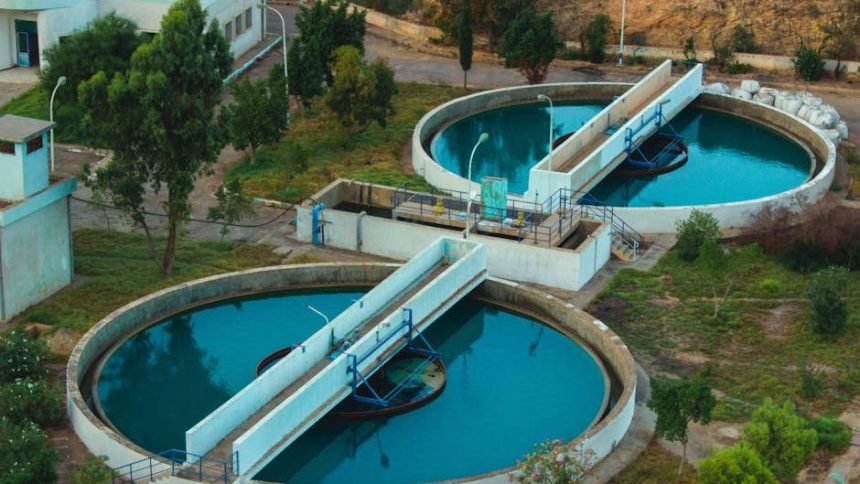


In Puerto Rico, an Innovative Water Treatment System Fortifies a Community – Image for illustrative purposes only (Image credits: Pexels)
Puerto Rico – Researchers have unveiled a portable water treatment system they describe as the first of its kind on the island. The device is designed to deliver clean drinking water to communities that have faced persistent shortages. Early assessments suggest it could serve as a practical resource in areas where reliable access has long been difficult to maintain.
Meeting Persistent Needs in Underserved Areas
Many parts of Puerto Rico continue to experience unreliable water supplies, a challenge that affects daily life and public health. The new system offers a mobile option that can be deployed where fixed infrastructure falls short. Researchers note that its portability allows it to reach locations that traditional treatment plants cannot easily serve.
By focusing on on-site processing, the technology aims to reduce dependence on distant sources or bottled alternatives. This approach aligns with efforts to strengthen local resilience against disruptions, whether from weather events or aging distribution networks. The system’s compact design makes it suitable for rapid setup in remote or temporarily affected zones.
Research Perspective on Effectiveness
Scientists involved in the project believe the unit can provide a dependable supply of treated water under varied conditions. They emphasize that it represents an early step toward more flexible solutions rather than a complete fix for all water-related problems. Testing so far has centered on confirming its ability to meet basic safety standards in real-world settings.
Uncertainty remains about long-term performance across different water sources and seasonal changes. Further studies will be needed to determine how widely the technology can scale and what maintenance requirements it will carry in practice. The researchers have been careful not to overstate its immediate reach while highlighting its potential value as one tool among others.
Broader Implications for Water Security
The introduction of this system comes at a time when communities are seeking adaptable methods to secure essential resources. Its arrival marks a shift toward equipment that can travel to the point of need instead of requiring users to travel to fixed facilities. Supporters see it as part of a larger effort to close gaps in access that have persisted for years.
Continued evaluation will clarify how well the approach integrates with existing community practices and emergency plans. If results hold, similar units could be considered for other regions facing comparable constraints. The current work in Puerto Rico provides a starting point for assessing both benefits and limitations in a tropical island context.


