


Drones erase the neat line between public and private space, enabling strangers to collect intimate details from above without setting foot on your property. Over the past few decades, drones have evolved from military tools into AI-powered technology used by everyone from corporate giants to videographers, photographers, and law enforcement – and as they’ve become increasingly accessible, smaller, smarter, and more affordable, their widespread use has sparked growing concerns about privacy and safety.
The Federal Aviation Authority records that more than 822,000 drones have been registered in the United States for commercial or recreational use. That number only counts registered aircraft – it says nothing about unregistered hobbyist drones buzzing over residential neighborhoods. For homeowners who feel watched from above, the instinct to act is understandable. The challenge is doing something about it without crossing a legal line of your own.
1. Strategic Privacy Landscaping: Let Nature Do the Work

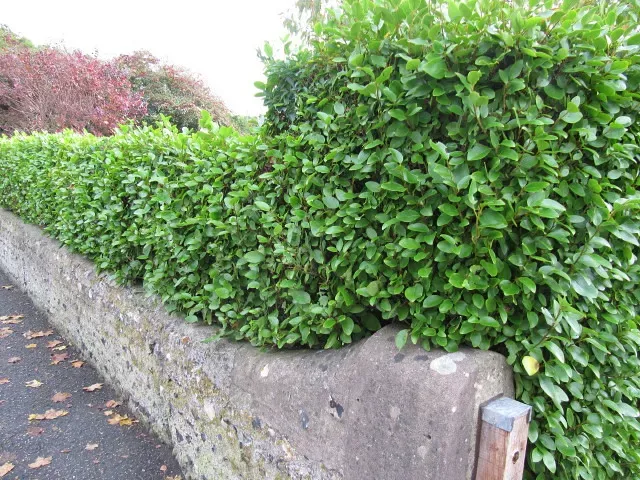
Natural landscaping solutions are among the most effective and conflict-free methods for restoring privacy. Tall plants can create a natural barrier that blocks surveillance angles, especially in suburban neighborhoods where properties are close together. A hedge of evergreen shrubs provides year-round privacy, which matters most during the colder months when deciduous plants have shed their leaves. Architects and landscape designers have increasingly recommended this approach as a legal, aesthetically sound way to reclaim your outdoor space from overhead observation.
Fast-growing shrubs, hedges, or vertical garden panels can interrupt a camera’s field of view, with arborvitae and bamboo being common choices for privacy screening in many states. If the issue extends above fence height, a pergola or shade sail can shield specific areas such as patios or pools. These solutions are legal because you are modifying your own property – you are not tampering with anyone else’s equipment. For homeowners who want something more permanent, layering tall canopy trees with dense mid-level shrubs creates what architects call a “privacy ceiling” that is both beautiful and highly effective against aerial sightlines.
2. Reflective and Smart Window Film: Block the View From Inside Out

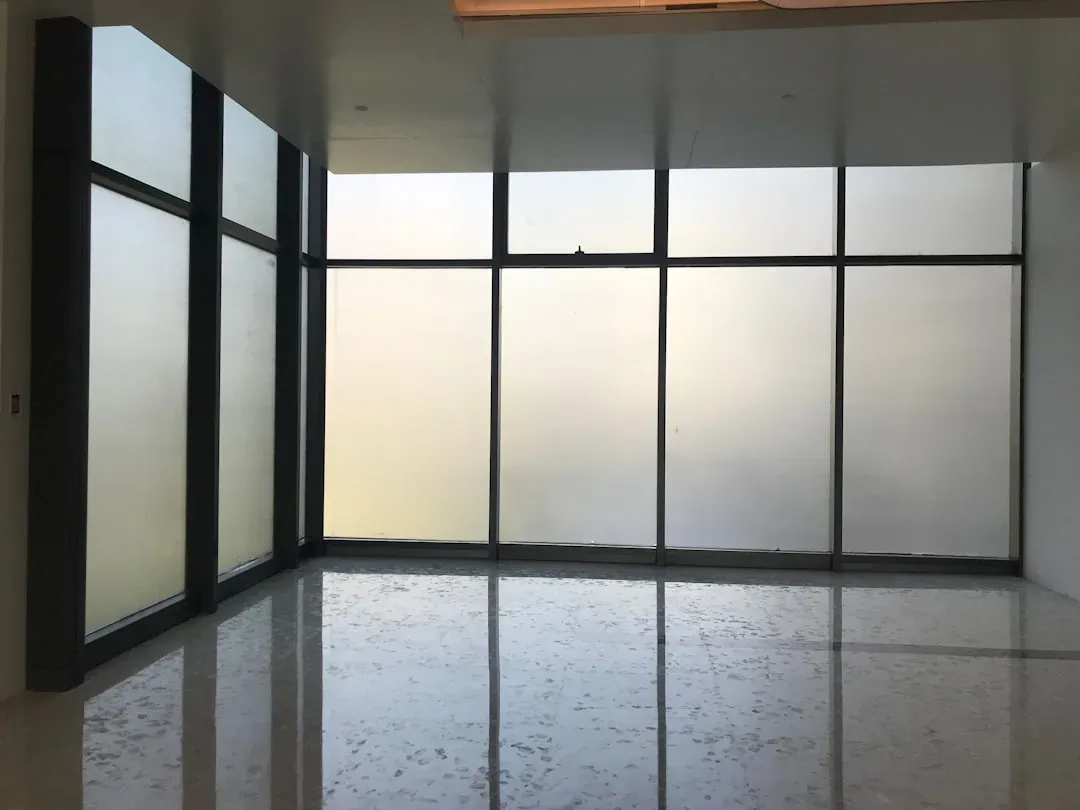
Smart window film, also known as switchable privacy film, uses PDLC (Polymer Dispersed Liquid Crystal) technology to adjust transparency on demand – with the flip of a switch or a tap on your smartphone, the glass can transform from crystal-clear to opaque, providing instant privacy without blocking natural light. Smart window film offers the same functionality as full smart glass but with far more flexibility, as it can be applied directly onto existing glass surfaces – making it a perfect retrofit solution for homeowners who want modern technology without the need for a full renovation.
Nano-ceramic and multi-layer films are now capable of providing superior insulation, effectively acting as a thermal barrier, with some high-performance films capable of slashing cooling costs by a significant amount. The smart glass market has been growing at roughly fifteen percent annually, and installations in residential applications have doubled since 2022 – that’s mainstream adoption, not just early adopters. Buildings with electrochromic windows typically see reductions of twenty to thirty percent in cooling costs. This means the privacy benefit comes with a measurable energy bonus, which is a genuinely good combination for a long-term home improvement investment.
3. Understanding Your Legal Rights (And Knowing What You Cannot Do)
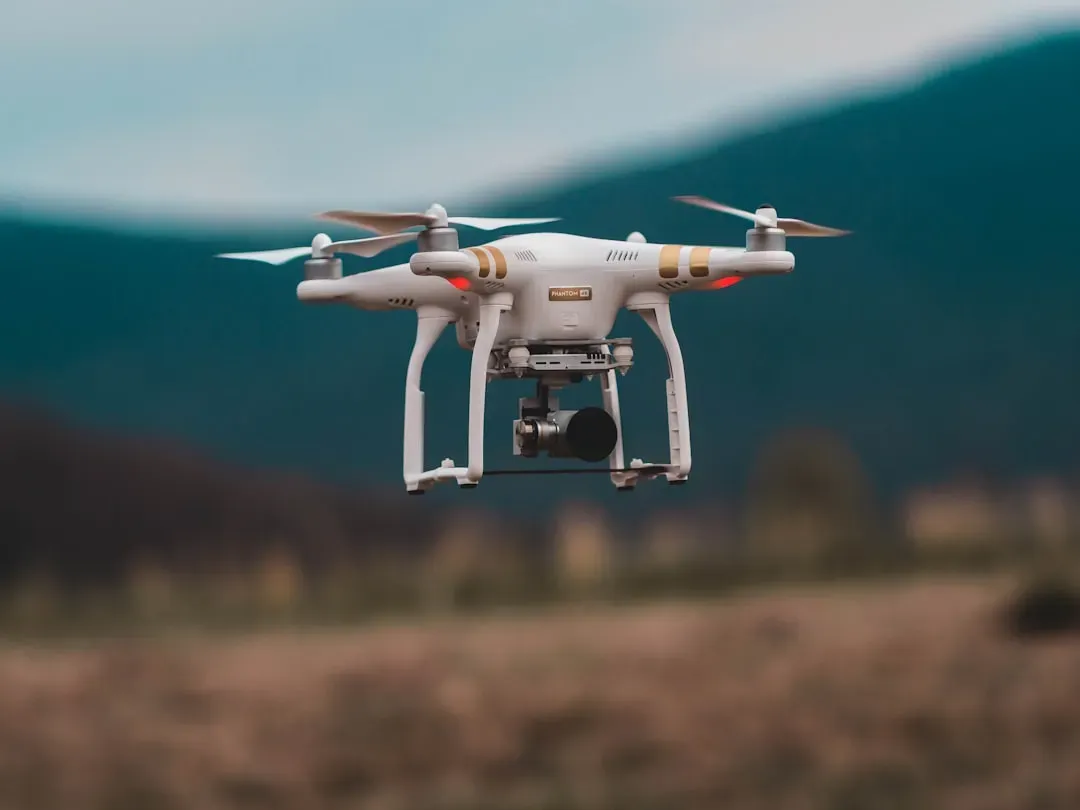
You cannot legally shoot down a drone, interfere with its signal, or attempt to damage it in any way – even if it’s flying over your land. Drones are protected under federal law as aircraft, and tampering with them can lead to serious criminal charges. Violating drone privacy laws in the U.S. can lead to serious legal trouble, with consequences ranging from fines to criminal charges – in many states, unauthorized drone surveillance is treated as a misdemeanor, which might result in fines or even short-term jail time. The critical point here is that protecting your privacy legally requires understanding where your rights begin and where someone else’s end.
Privacy laws differ by state – for example, Texas bans unauthorized aerial surveillance, while California protects areas with a “reasonable expectation of privacy.” Florida has introduced measures requiring operators to notify property owners if their activities might capture private spaces. More than twenty states have enacted statutes regulating drone use, and some states explicitly require warrants for drone-based surveillance of private property, reflecting growing legislative concern over aerial privacy intrusions. If you believe you’re being surveilled unlawfully, documenting the incident carefully and contacting local authorities or a privacy attorney is the right path forward – not confrontation.
4. Structural Privacy Solutions: Covered Patios, Pergolas, and Privacy Screens

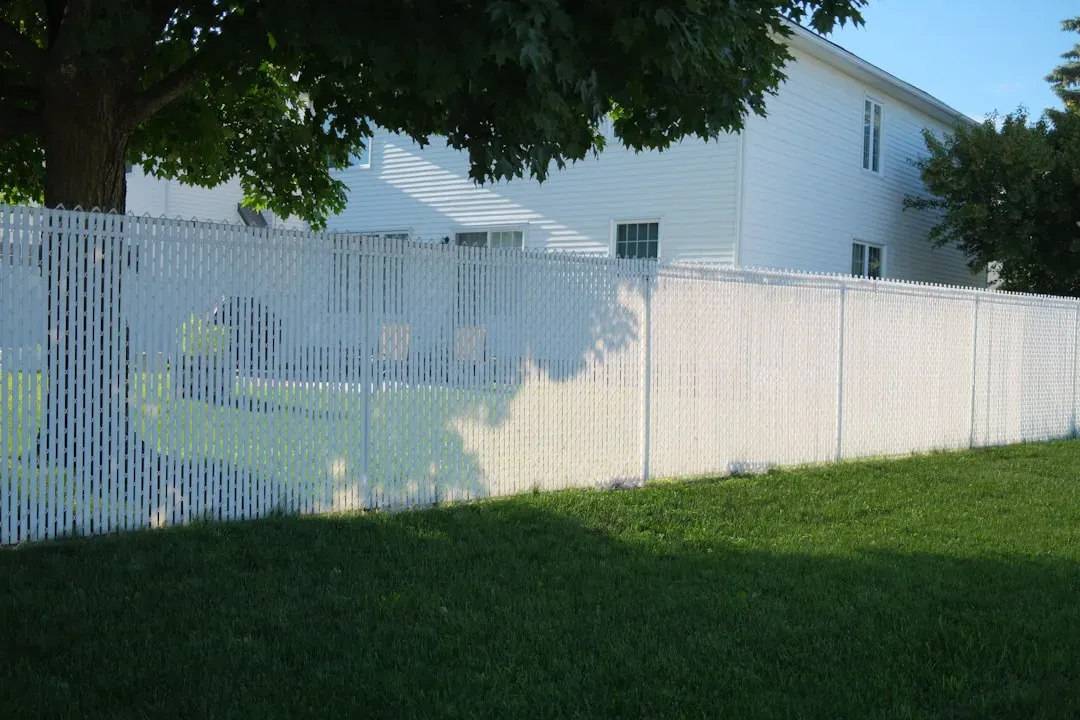
Installing barriers is a common and effective form of visual blocking because it interrupts a camera’s line of sight. Fences, shade structures, privacy screens, and pergolas can greatly improve backyard privacy while also enhancing the appearance of the property. A solid fence can offer privacy solutions for homeowners with small spaces who can’t afford to lose space to overgrowing barriers, and while fences may have a less natural look, this can easily be remedied with shrubs and flowers planted along the sides. The goal is to eliminate clear sightlines from above, not just from the sides.
Checking local building codes or homeowners association rules is essential before installing any barrier, since each city has its own fencing height regulations – standard measurements for backyard fences are typically between six to eight feet tall, but the height varies depending on your city’s laws and the type of barrier you are building. A taller fence, lattice panel, or decorative privacy wall can block camera sightlines, and this is often the cleanest solution because it enhances your yard while protecting your privacy. Covered pergola structures with solid roofing or dense vine canopies are especially effective at eliminating the overhead angle entirely, making your outdoor living space genuinely private regardless of what’s flying above.
5. Securing Your Digital Footprint: Encrypted Networks and Smart Home Hygiene
Cybersecurity and smart home security have become two sides of the same coin – every connected device, from security cameras and smart locks to voice assistants and baby monitors, is a potential doorway for hackers. Devices with weak passwords, outdated firmware, or poor configuration can create entry points that attackers exploit to access networks, gather data, or disrupt systems. This becomes directly relevant to drone privacy because drones equipped with scanning technology can sometimes probe for vulnerable Wi-Fi networks and connected devices as they pass overhead.
According to a 2024 Consumer Reports survey, roughly two-thirds of homeowners admitted to using weak passwords for at least one smart home device, and over half said they had never updated their router’s firmware. Strong home network security practices are essential – using strong, unique passwords and modern encryption standards such as WPA3 or WPA2 are among the most important steps homeowners can take. Changing default passwords, regularly updating firmware, and using network segmentation can dramatically improve security, and AI-based cybersecurity tools are beginning to automate aspects of threat detection and device protection. Treating your home network with the same care you’d give to a locked front door is no longer optional – it’s simply part of how modern homes need to operate.
The Bigger Picture: Privacy as a Layered Practice
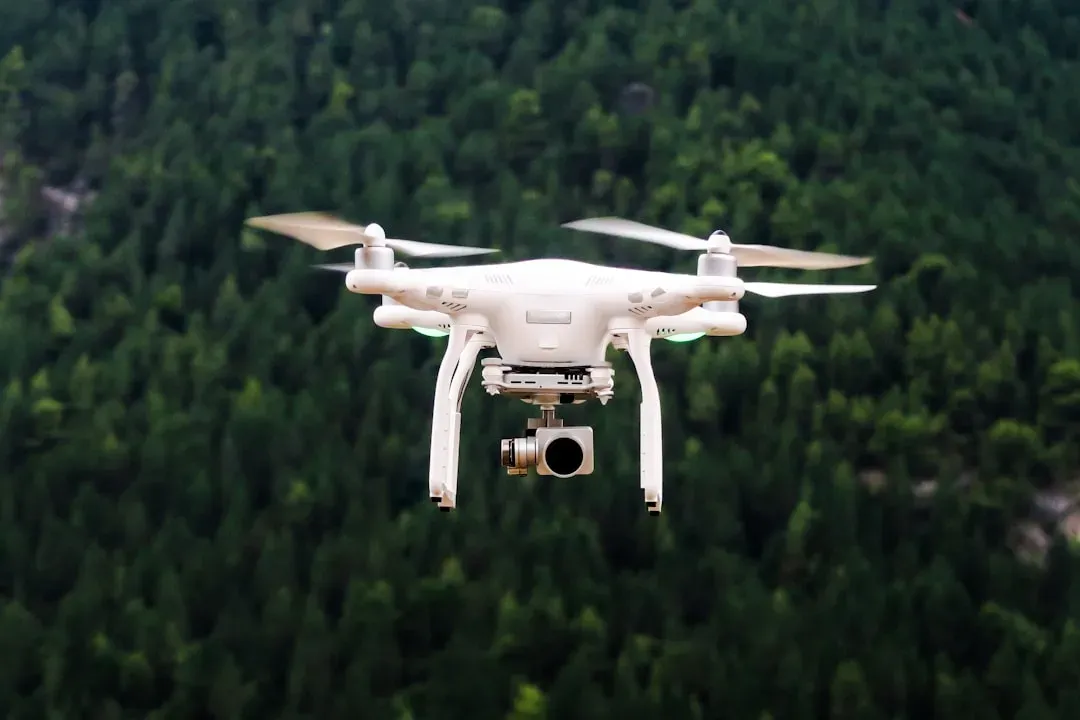
Traditional privacy laws often rely on the concept of physical boundaries, such as fences or walls, to determine the limits of observation – but drones bypass these limitations by operating from the air to observe private property and spaces. As aerial surveillance technologies advance, individuals face heightened privacy and data protection risks, with extensive monitoring capabilities that can intrude into private spaces and capture detailed data of people’s activities. No single solution closes every gap, which is why the most effective approach combines physical barriers, smart materials, legal awareness, and digital security.
The U.S. needs laws that more clearly define landowners’ rights to exclude unwanted intrusions of drones into the low airspace immediately above their land, and such clarifying laws could leverage existing property law principles to help more efficiently and fairly govern interactions between drone operators and landowners. For privacy to survive in the drone era, the public needs to know their rights and understand the tools available to protect them. The five strategies covered here are all legal, practical, and available to most homeowners today – and each one adds a meaningful layer of protection without inviting legal trouble of your own.
Privacy at home was once simple: close the curtains, lock the door. The aerial dimension changes that, but it doesn’t make the goal impossible. The homeowners who adapt first – planting smart, building smart, and connecting smart – are the ones who’ll feel most at ease in their own backyards.


