The Clark County School District is not a small operation. Serving more than 300,000 students across the Las Vegas area, it ranks as the fifth-largest school district in the entire United States. That scale alone makes it a natural proving ground for security technology – what works here, and what doesn’t, tends to get noticed by districts across the country. Over the past several years, CCSD has rolled out a layered security approach that touches everything from how students enter a building to how cameras process live video. For parents trying to understand what’s actually happening on their child’s campus, the picture is more complex than a single scanner at the front door.
A District With a Real Weapons Problem


The numbers coming out of CCSD are hard to ignore. School police confiscated 34 firearms during the 2025-2026 academic year alone, with 23 of those guns taken directly from students. The year before, officers seized 35 firearms, most of them found at the high school level. Legacy High School alone was connected to eight gun confiscations in a single school year, with several of those students having alleged gang affiliations.
When CCSD police briefed Nevada lawmakers in early 2026, the department noted that roughly 25 to 30 firearms are typically seized every year. That number spiked dramatically in one particularly bad year – reaching 54 confiscations – which is precisely what accelerated the push for upgraded detection technology. Parents should understand that this isn’t abstract policy. It’s a response to documented incidents happening in real schools, in real neighborhoods.
The New Weapons Detection System: What It Actually Does


For the 2024-2025 school year, CCSD introduced an enhanced Weapons Detection System for large-scale athletic events at high schools and random screenings at middle and high schools. The system replaced traditional metal detectors previously used at athletic events and allows for faster, more efficient screening. It isn’t a single device stationed at one entrance – it’s a broader program designed to be unpredictable.
CCSD Police Chief Henry M. Blackeye explained that officers now screen approximately a thousand people in an hour, and they conduct random screenings routinely while keeping the process unpredictable so students cannot prepare in advance. Screenings can happen at a school’s entrance or in individual classrooms, where officers typically clear the room and screen students as they return. That flexibility, officials argue, is what makes the program harder to game.
AI Weapons Detection: The Technology Behind the Cameras

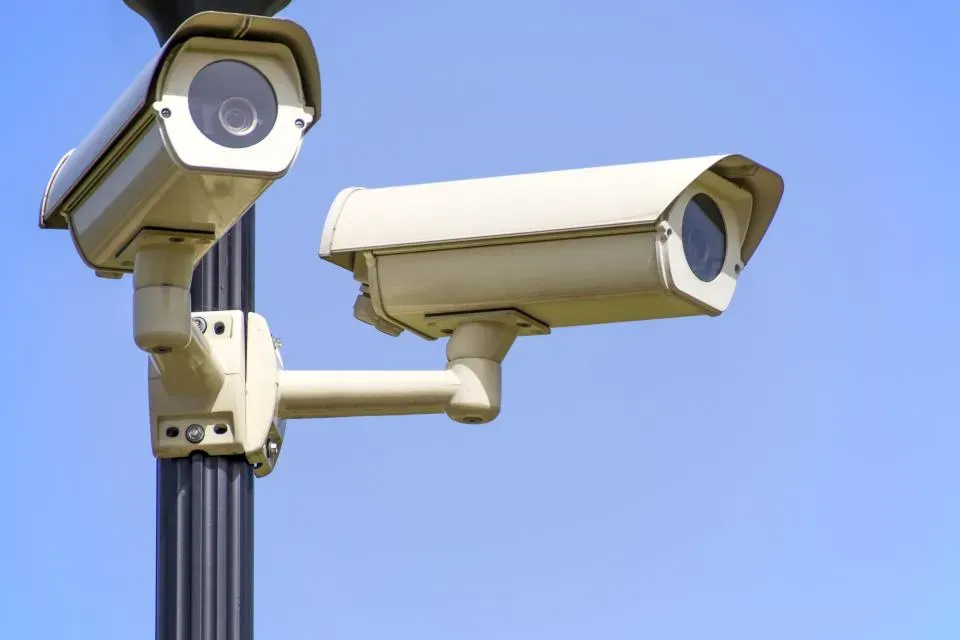
CCSD has implemented several security measures including gun-sniffing K9s, single entry points, fencing, and an AI weapons detection system, specifically used at high schools with football stadiums. The AI-powered layer is distinct from the walk-through scanning systems. It works by analyzing live camera feeds continuously, rather than screening individuals at a single checkpoint.
This emerging technology turns existing video surveillance systems into “smart cameras” that scan footage in real time to detect visible weapons. In some commercial systems of this type, every detection is reviewed by trained analysts, who then dispatch alerts in as fast as three to five seconds to designated personnel and law enforcement once a firearm is verified. The speed matters. Most casualties in active shooter events occur within the first few minutes, which is why faster detection windows are considered critical.
K9 Units, Scannable IDs, and the Layered Approach


CCSD has several tools in its security toolkit, including gun-sniffing K9 units, with some dogs trained to detect firearms and others trained to detect narcotics. Officers conduct what they call “random sniffs,” where CCSD generates a list of schools, classrooms, and times before sending officers with their dogs to those locations. It’s a deliberately unpredictable model, one that makes it harder for students to know when a sweep is coming.
Additional security measures CCSD rolled out include requirements that middle and high school students carry scannable IDs to access buildings, signal-blocking cell phone pouches, and the new weapons detection system. The mandatory student ID requirement was implemented in accordance with Nevada Senate Bill 80, which went into effect on July 1, 2024. Each of these measures functions as one layer in a broader system – no single element is expected to carry all the weight.
Smart Cameras, Vape Detectors, and Environmental Monitoring

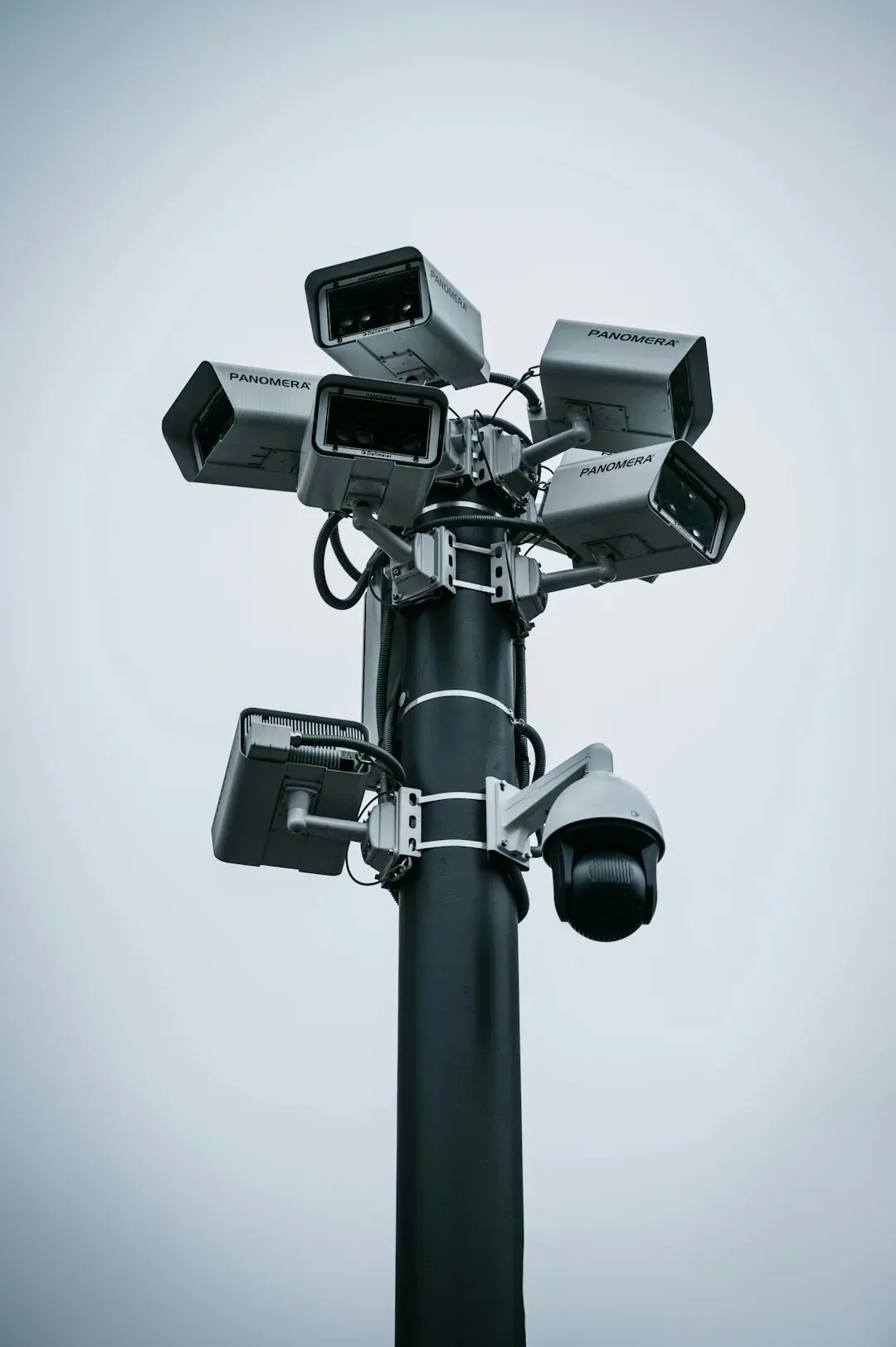
The security infrastructure inside Las Vegas high schools goes beyond weapons screening. Modern campuses now incorporate environmental sensors designed to catch problems that cameras alone might miss. Smart sensors can detect vaping in bathrooms and common areas, instantly alerting staff, while the same systems monitor air quality, occupancy levels, and unusual noise patterns that might indicate concerning situations.
Partner offer

Visitor management software can now screen visitors instantly against criminal databases and sex offender registries before granting access, and when approved visitors check in, the system automatically prints badges and notifies relevant staff members. During emergencies, security platforms enable instant communication with first responders and can share live video feeds and building layouts with law enforcement, while staff can trigger campus-wide lockdowns from mobile devices or physical panic buttons. For parents, this means that a lockdown today looks very different than it did even five years ago.
The National Spending Picture and What It Means for Nevada

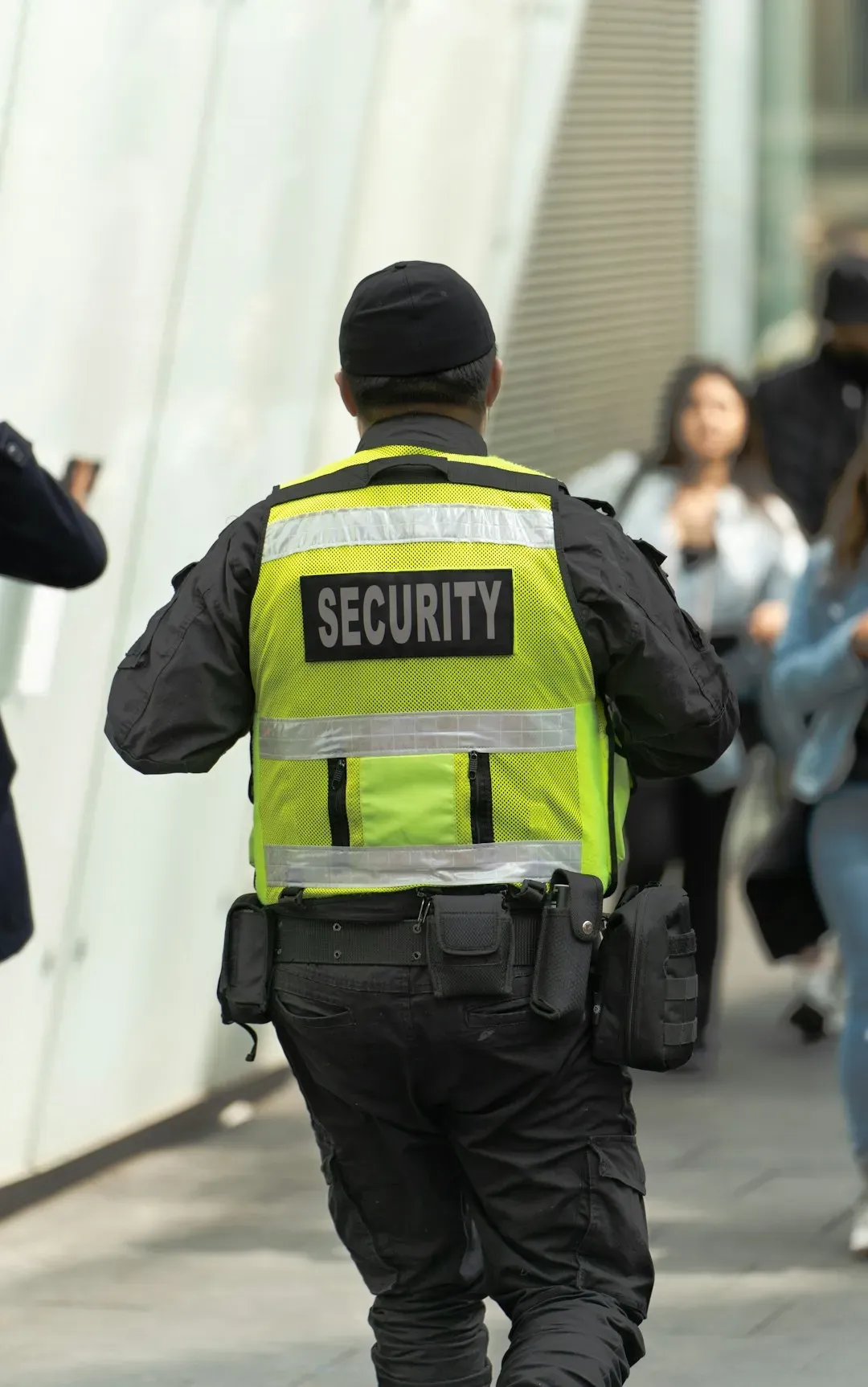
Schools in the United States now spend more than four billion dollars annually on physical safety measures including metal detectors, surveillance cameras, and weapons detection systems. That figure has grown considerably since high-profile school shootings began driving legislative action and public pressure on districts to act. The school security industry is reported to be worth up to four billion dollars today, having grown significantly since 2018.
The legislative environment around school security accelerated in 2025, with Georgia establishing new mandates for weapons detection technology in public schools – one of the clearest signals that camera-based AI detection is becoming a compliance requirement rather than an optional upgrade. Nevada lawmakers haven’t gone as far as Georgia, but the direction is clear. In 2026, Clark County School District Police testified before Nevada lawmakers about efforts to reduce gun violence and keep guns off school grounds, with the hearing centered on gun violence and prevention efforts statewide.
The Privacy Debate Parents Need to Know About


The technology doesn’t come without serious questions, and parents have every right to ask them. Thousands of American schools are using AI-powered surveillance technology for around-the-clock monitoring of student accounts and school-issued devices, with machine-learning algorithms detecting potential indicators of bullying, self-harm, or violence – but these tools raise serious questions about privacy and security.
Facial recognition tools, which rely on AI, have drawn criticism from experts for inaccuracies, especially with people of color and gender nonconforming individuals. The Federal Trade Commission updated its COPPA rules in April 2025 to restrict long-term student data retention and require explicit opt-in for targeted advertising. Advocacy organizations like the EFF and ACLU continue to raise concerns about how classroom surveillance disproportionately harms vulnerable populations and erodes trust between students and educators. These aren’t fringe concerns – they’re showing up in federal policy discussions and courtrooms.
Does All This Tech Actually Make Schools Safer?

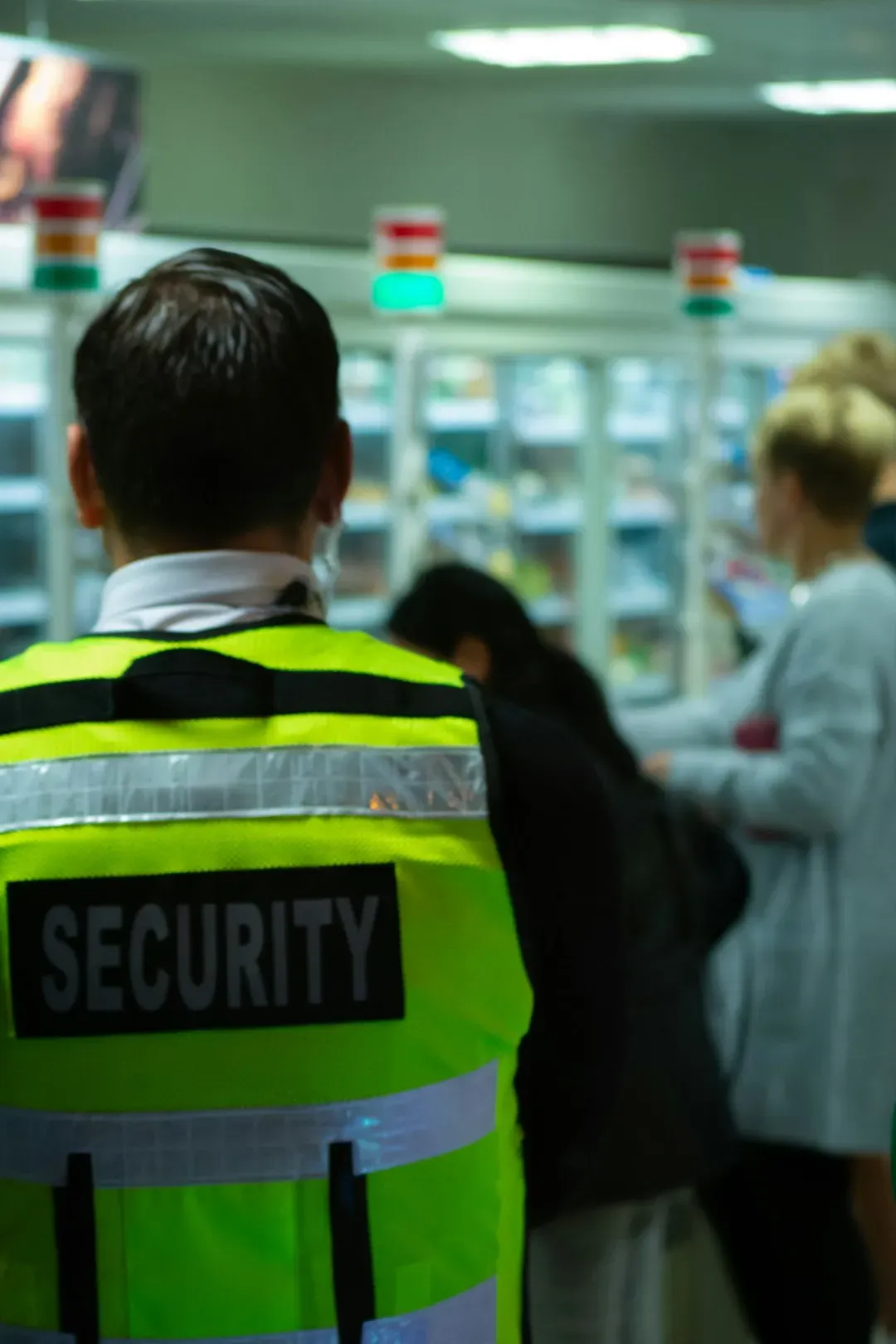
This is the question that deserves a honest answer. While schools across the United States spend enormous sums on physical safety measures, research into how effective these technologies actually are in preventing violence is described as “thin” by the nonprofit Learning Policy Institute. That doesn’t mean the technology is useless – it means the evidence base is still catching up with the speed of adoption.
Ramped-up infrastructure and software solutions have become the go-to choice for schools, with spending on hardening physical systems now a four-billion-dollar-a-year business, and yet there’s little evidence to show stepped-up security makes schools safer. Some researchers argue these measures can sometimes come with significant psychological costs, with the intensity of stepped-up security being difficult for students to process, particularly when it includes weapons scanners, drones, and software that continuously monitors what students type on school devices. The challenge for Las Vegas parents isn’t choosing between safety and student well-being. It’s demanding that school leaders pursue both at the same time, rather than trading one for the other.
What Parents Can and Should Do

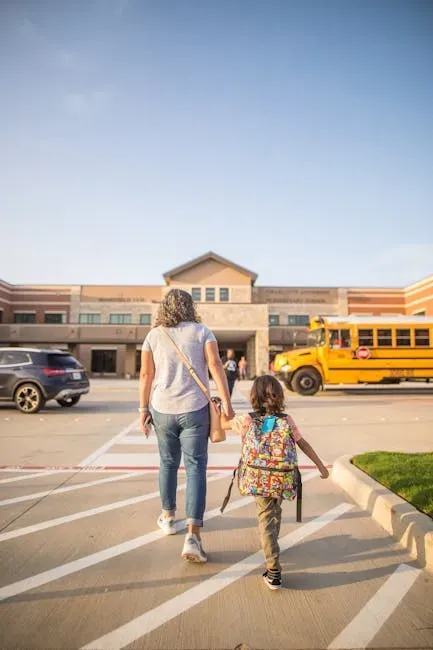
Knowing the technology exists is only part of the picture. Parents should ask their child’s school directly what systems are in use, how long surveillance data is stored, who has access to it, and whether there’s an opt-out mechanism for any digital monitoring tools. Laws like the Family Educational Rights and Privacy Act and the Children’s Online Privacy Protection Rule are designed to safeguard student privacy, but their application in the context of school surveillance technology is complex and evolving.
According to CCSD police, the majority of guns found on campus come from students reporting on their peers, and most of the weapons students bring to school belong to their parents – which is why the department urges parents to store firearms in a secure place at home. That detail is a reminder that the most effective safety measures aren’t always electronic. Conversations at home, locked gun storage, and genuine engagement with a child’s social environment all matter too. The tech at the school entrance can only do so much if the problems start at home.
The security landscape inside Las Vegas high schools has changed substantially, and the pace of that change isn’t slowing down. For parents, staying informed isn’t optional – it’s part of being an active participant in how these systems shape the environment where their children spend most of their waking hours.Partner offer
Planning a trip to Vegas?
Compare hotel rates and show tickets on VEGAS.com.