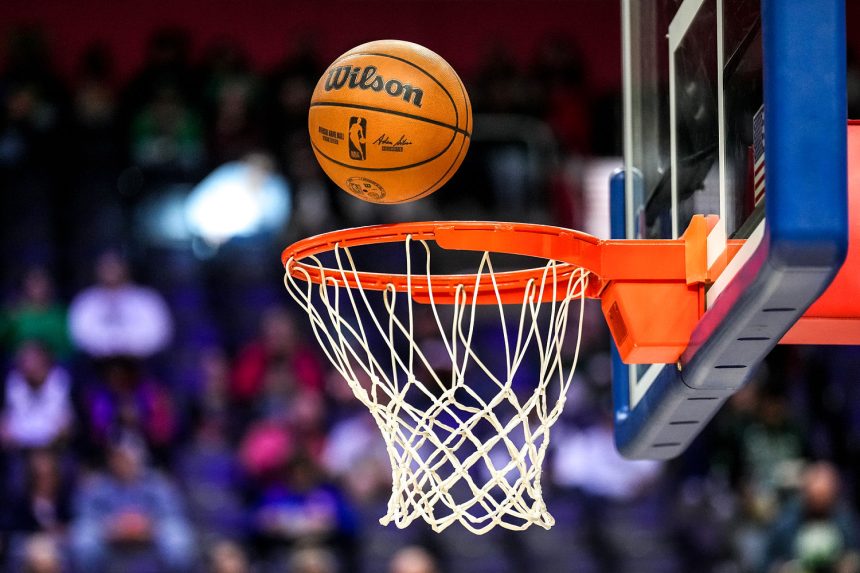

A $7 Million Web of Deception (Image Credits: Media-cldnry.s-nbcnews.com)
New York — Federal authorities plan to extend formal plea agreements to 12 defendants entangled in a mafia-backed operation that rigged high-stakes poker games with NBA personalities as key lures.[1][2]
A $7 Million Web of Deception
Prosecutors unveiled the intricate fraud last year, charging 31 individuals in a scheme that defrauded victims of more than $7 million across multiple cities.[2] High-rollers fell prey to fixed games orchestrated by organized crime associates who deployed cutting-edge cheating tools.
The operation centered on a Manhattan apartment on Lexington Avenue, but extended to Las Vegas, Miami, and the Hamptons. Wealthy players arrived expecting fair play, only to lose heavily in manipulated matches. Mafia members enforced debts through intimidation when victims resisted payment.[3]
Investigators gathered extensive evidence, including over 100,000 pages of financial records, surveillance photos, and footage from pole cameras at game sites. This mountain of data has pressured defendants toward resolutions.[1]
NBA Celebrities Turned ‘Face Cards’
Former professional basketball stars allegedly served as magnets for big spenders. Chauncey Billups, Hall of Famer and current Portland Trail Blazers head coach, faced charges for participating in cheating teams during rigged sessions.[1] He reportedly joined a 2019 Las Vegas game where a rigged shuffling machine cost one victim $50,000.
Damon Jones, a longtime NBA veteran, drew similar accusations. Both men received shares of the illicit proceeds and pleaded not guilty last fall. Sources indicate Billups will not join the upcoming pleas.[2]
- Billups: Accused in wire fraud and money laundering tied to poker proceeds.
- Jones: Linked to both poker rigging and a separate NBA betting scheme using insider info.
- Other athletes: Acted as “face cards” to build trust and draw crowds.
Mafia Tactics and Tech Innovations
Members of the Bonanno, Genovese, and Gambino crime families provided the backbone. Angelo Ruggiero Jr., a Genovese associate, organized recurring games. Thomas Gelardo, known as “Juice” from the Bonanno family, oversaw the Lexington Avenue venue and skimmed profits.[2]
Cheaters employed sophisticated gadgets that stunned investigators:
- X-ray equipped poker tables to scan hidden card values.
- Rigged shuffling machines for predictable outcomes.
- Marked cards readable via special contact lenses or glasses.
- Hidden cameras feeding real-time intel to accomplices.
Curtis Meeks and others remain in custody as the case advances. These tools turned casual games into guaranteed windfalls for the house.[3]
Courtroom Momentum Builds Toward Trials
A court filing on Tuesday, March 3, signaled the plea push ahead of a status conference the next day in Brooklyn federal court.[1] U.S. District Judge Ramon Reyes presided as all 31 defendants appeared, having previously entered not guilty pleas.
Prosecutors reported productive talks with counsel for nine more individuals, expressing optimism for further deals. Remaining cases may head to trial as early as November. Discovery continues with terabytes of digital evidence from seized devices.[2]
Key Takeaways
- 12 defendants likely to plead, shrinking the trial roster.
- Billups and high-profile names expected to fight charges.
- Mafia links highlight persistent organized crime in gambling.
This development marks a pivotal shift in a probe that exposed vulnerabilities in professional sports and underground gaming. As pleas materialize, questions linger about full accountability. What implications do these revelations hold for the NBA and beyond? Share your thoughts in the comments.