The Amazon rainforest, mountain highlands, and desert sands have long held secrets buried beneath their surfaces. Recent archaeological discoveries have upended centuries of assumptions about where ancient civilizations chose to build their cities. Advanced technologies like lidar scanning and artificial intelligence have revealed thriving urban centers in places once thought impossible for complex societies to flourish.
These findings challenge everything we thought we knew about human settlement patterns and demonstrate that our ancestors were far more adaptable and innovative than previously believed. From forgotten merchant hubs along the Silk Road to sophisticated garden cities hidden beneath jungle canopy, these unexpected discoveries are rewriting the history books.
Amazon Garden Cities in Ecuador’s Upano Valley

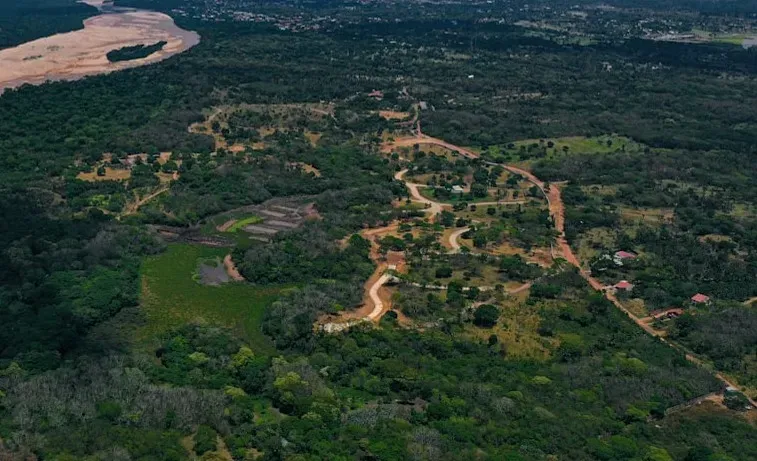
Archaeologists found the oldest urban settlements in the Amazon when lidar technology uncovered over 6,000 interconnected earthen platforms in Ecuador that date back 2,000 years. The cluster of lost cities in the Amazon rainforest was home to at least 10,000 farmers about 2,000 years ago. This discovery proved definitively wrong the longstanding assumption that ancient cities never existed deep within the Amazon.
The survey unveiled a network of straight roads formed by excavating soil and building it up on the sides, with the longest road stretching for at least twenty-five kilometers. The site was home to at least 10,000 inhabitants and perhaps as many as 15,000 to 30,000 at its peak, according to archaeologist Antoine Dorison. The remarkable system of platforms, causeways and agricultural fields demonstrated sophisticated urban planning in an environment previously thought too challenging for such development.
Medieval Cities High in Uzbekistan’s Mountains

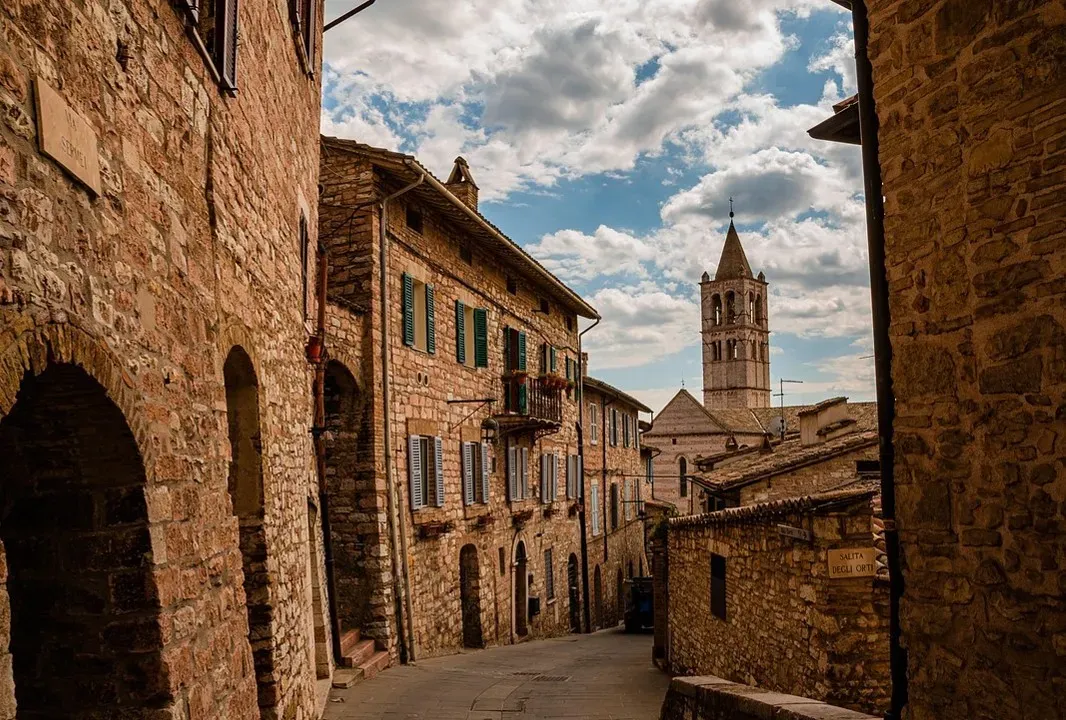
Archaeologists announced finding the remains of two medieval cities, Tugunbulak and Tashbulak, in the mountains of eastern Uzbekistan, believed to be part of the ancient Silk Road. The first city, Tashbulak, was around 12 hectares in size, while the second, Tugunbulak, was ten times bigger – in total, almost three times the size of Vatican City. These settlements sat between 6,600 to 7,300 feet above sea level, locations scholars never expected to find major urban centers.
High-resolution lidar images offered detailed views of houses, plazas, fortifications and roads, while the larger Tugunbulak boasted five watchtowers linked by walls along the ridgelines and a central fortress protected by thick stone and mud-brick walls. Scientists found plazas and homes that they believe may have housed travellers and traders dating back to the sixth century. The discovery fundamentally changed understanding of highland societies along the Silk Road trade routes.
Lost Maya City Valeriana in Mexican Jungle

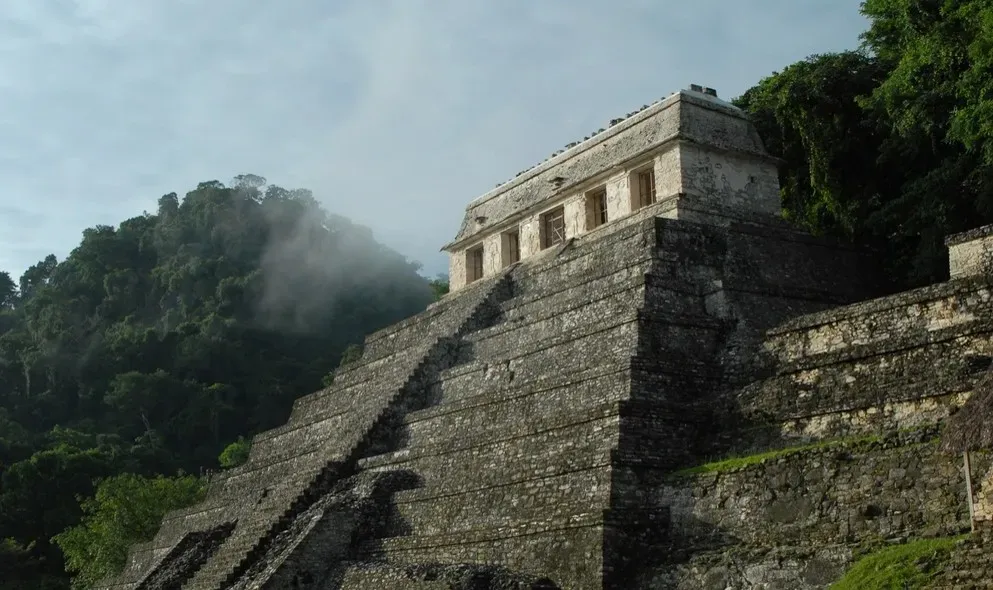
Archaeologists found thousands of never-before-seen Maya structures as well as a large city they named Valeriana after a nearby lagoon, researchers reported in the journal Antiquity. The city remained hidden for more than 1,000 years beneath dense forests in the Mexican state of Campeche. In total, researchers identified 6,764 structures in Valeriana and in other rural and urban settlements of varying sizes.
Partner offer

Like other large capital cities from Maya sites, Valeriana had a reservoir, a ball court, temple pyramids and a broad road connecting enclosed plazas. The sleuthing that led to the discovery took place from nearly 2,000 miles away, using aerial lidar equipment that penetrated eastern Campeche’s thick forest cover from above, pinging the surface with lasers. The find confirmed what archaeologists had suspected since the 1940s about hidden ruins throughout the region.
Ancient Macedonian Capital Discovered in North Macedonia

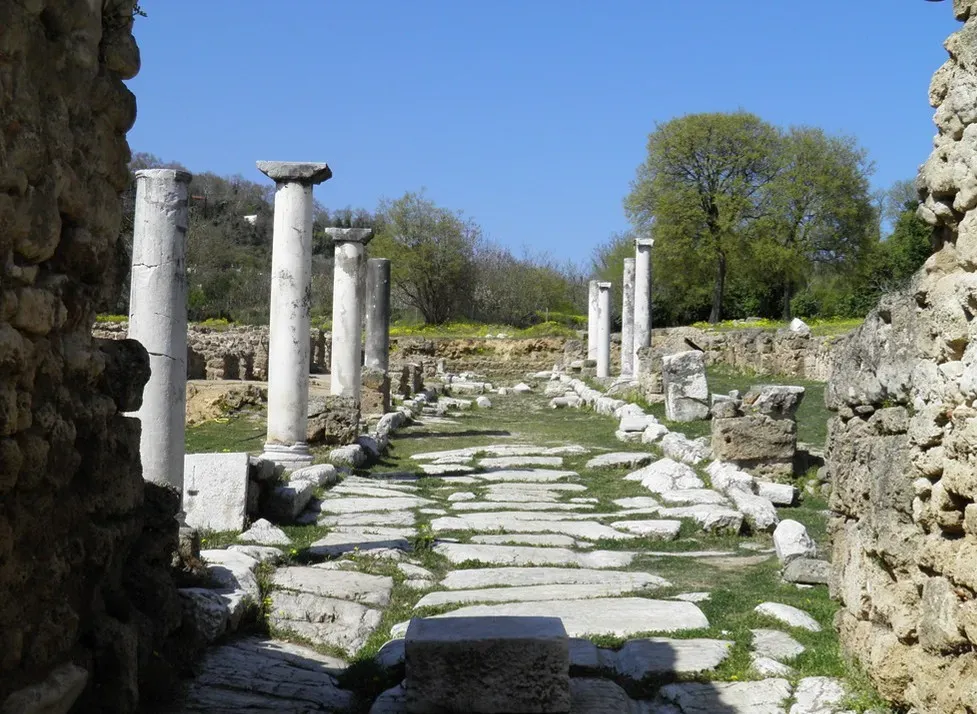
Archaeologists believed the ruins in North Macedonia first excavated more than 15 years ago were the remains of a military outpost built to defend against Roman attacks, but recent excavations revealed a much larger story. After discovery of a coin minted between 325-323 BCE during Alexander the Great’s lifetime, along with additional discoveries such as axes and fragments of ceramic vessels, researchers now believe humans began occupying it as far back as the Bronze Age.
The site may be the lost capital city of the Kingdom of Lyncestis, Lyncus – an ancient settlement and hub for the Upper Macedonian Kingdom that was settled in the seventh century BCE. The city’s location along trade routes to Constantinople highlights the complex networks and power structures of ancient Macedonia. This discovery provided crucial insight into European state formation during classical antiquity.
Charax Spasinou Founded by Alexander the Great

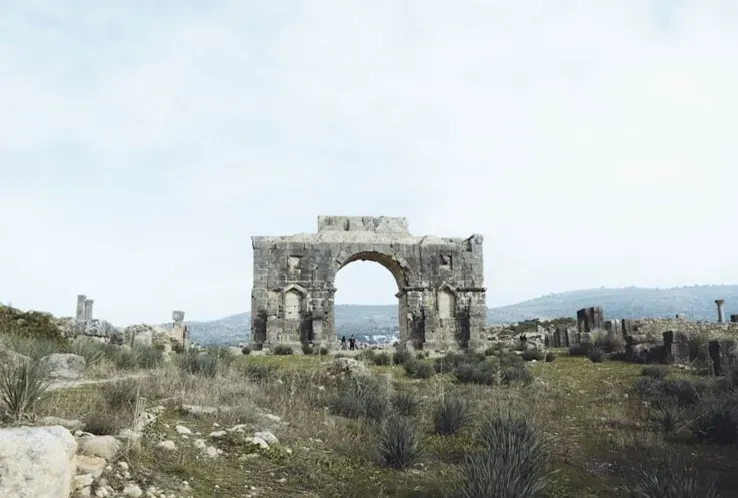
Archaeologists uncovered the remains of Charax Spasinou, one of the last cities founded by Alexander the Great, after it had been buried beneath the desert for over 1,200 years. Located at the meeting point of the Tigris and Eulaeus rivers, the city was originally called Alexandria but after floods and military conflicts destroyed much of it, the city was rebuilt and renamed Charax Spasinou in honour of the king who restored it.
Although ancient texts gave researchers an idea of where Charax Spasinou might be, the exact location remained a mystery for centuries, with political instability in Iraq further complicating efforts to locate it. In 2014, archaeologists finally got their chance to explore the area using modern technology, with drones capturing thousands of aerial images while magnetometers were used to scan the ground for buried structures. The discovery confirmed historical references to this strategic port city near ancient Mesopotamia.
Ancient Caral City of Peñico in Peru

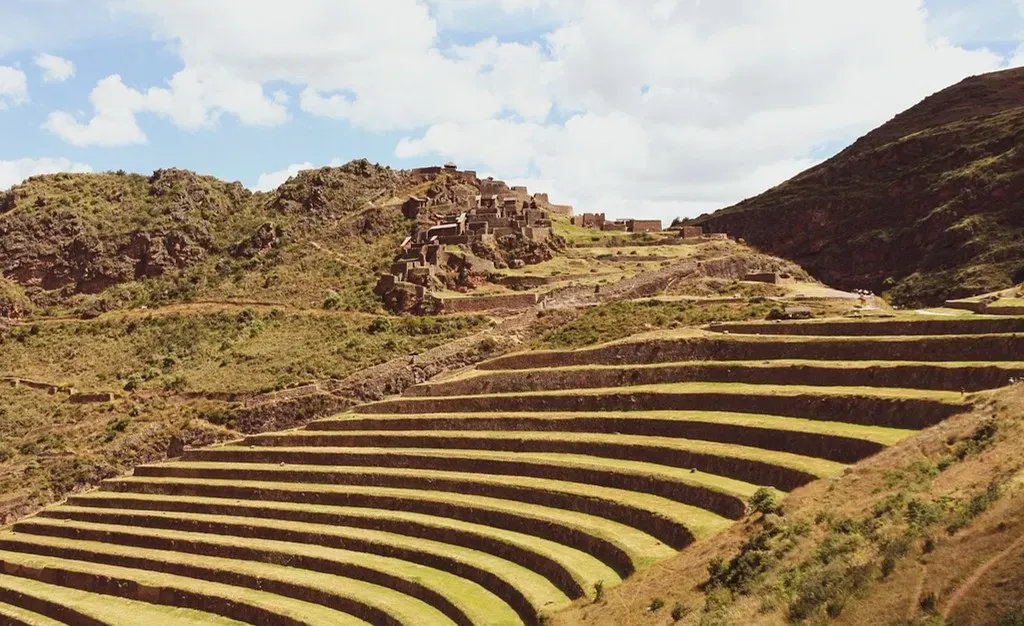
In July 2025, the 3,800-year-old city of Peñico was unveiled by Peruvian archaeologist Dr Ruth Shady, with the site containing 18 structures including ceremonial temples and residential compounds that were once home to members of the ancient Caral civilisation. This civilization inhabited Peru long before the Aztecs, Maya or Inca, yet remained virtually unknown to archaeologists until recent decades. The city’s location in the Supe Valley added another piece to the puzzle of ancient South American urbanism.
The structures revealed sophisticated architectural planning and social organization dating back nearly four millennia. Dr Shady’s work continues to demonstrate that complex societies with monumental architecture flourished along Peru’s coast far earlier than once believed possible, challenging conventional timelines of New World civilization development. The Caral civilisation represents one of the oldest known urban cultures in the Americas, contemporary with ancient Egypt and Mesopotamia.
Partner offer
Planning a trip to Vegas?
Compare hotel rates and show tickets on VEGAS.com.