
Every March, the Academy hands out its top prize and, within hours, film fans start arguing about whether the Academy got it right. That argument has been going on for two decades now, through vampire epics, silent film throwbacks, a slavery drama, and a movie about a K pop group’s demon hunting alter egos losing to something else entirely. The gap between a Best Picture winner that ages into a classic and one that becomes a punchline can be surprisingly thin.
Looking back at the past twenty ceremonies, from the 79th Academy Awards in 2007 through the 98th in March 2026, gives a useful window into how the Academy’s taste has shifted, stalled, and occasionally surprised everyone watching. Some choices hold up beautifully. Others still spark debate at dinner parties. Here is how all twenty stack up, starting with the pick that has aged the least gracefully.
20. Green Book (2019)


Green Book took the top prize at the 91st Academy Awards for its story of a Black classical pianist and his Italian American driver touring the segregated South in the 1960s. The film won over voters with its old fashioned buddy comedy warmth, but it drew sharp criticism almost immediately for softening real history and centering a white character’s perspective on a Black man’s lived experience. Members of the pianist’s own family publicly disputed how the friendship was portrayed on screen.
That controversy has followed the film ever since, making it the most argued over winner of the past twenty years. It is not a poorly made movie, and its performances are genuinely warm. Still, when critics rank recent Best Picture winners, Green Book almost always lands at or near the bottom, largely because so many felt a more ambitious film deserved the night.
19. CODA (2022)


CODA made history as the first film with a predominantly deaf cast to win Best Picture, and it did so as a modest, streaming distributed family drama rather than a sprawling awards season juggernaut. The story follows a hearing teenager in a deaf family who must choose between her own musical dreams and her role as her family’s interpreter. It is a sincere, well acted film that clearly connected with voters on an emotional level.
The trouble is scale. Next to nearly every other winner on this list, CODA feels small, almost like a well made television movie that happened to compete against much more ambitious work. Sentimentality alone rarely sustains a film’s reputation over time, and CODA’s legacy so far has been defined more by its historic casting than by lasting critical reappraisal.
18. Argo (2013)

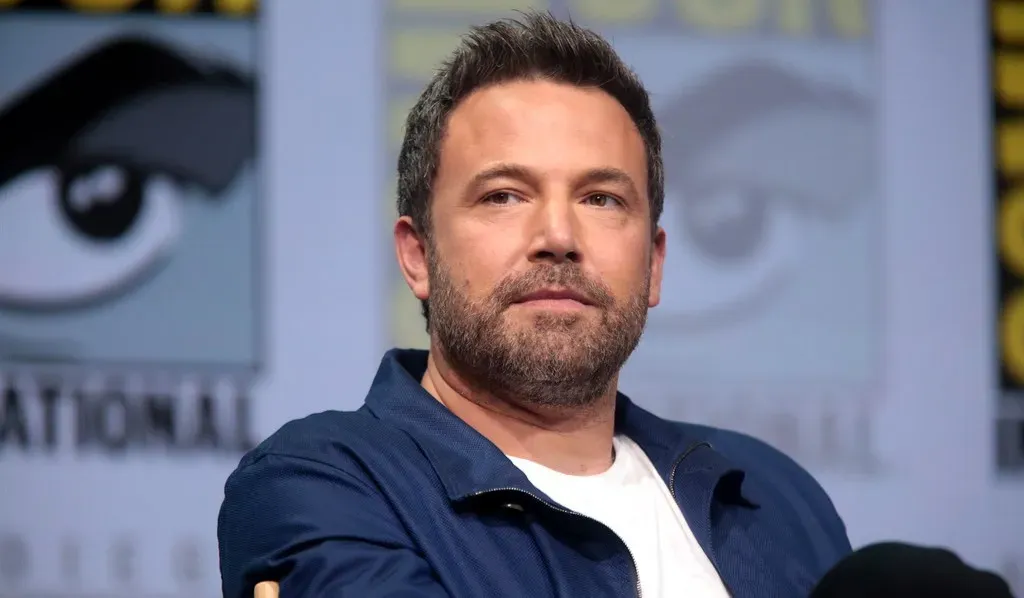
Argo dramatizes the real life rescue of American diplomats from Iran using a fake Hollywood film production as cover, and Ben Affleck directs it with real tension and craft. It is a smart, tightly constructed thriller that never wastes a scene. The problem is that it plays things almost too safe, favoring clean narrative momentum over any real complexity in how it portrays the Iranian side of the story.
Historians and critics in Canada also pushed back on how the film minimized the Canadian government’s actual role in the rescue. Argo is a satisfying watch and a well crafted piece of studio filmmaking, but it rarely appears on anyone’s list of the most artistically daring Best Picture winners. It won because it was reliably good, not because it took risks.
17. The King’s Speech (2011)


The King’s Speech tells the story of King George the Sixth overcoming a debilitating stutter with help from an unconventional speech therapist, anchored by a genuinely moving performance from Colin Firth. It is handsomely made, emotionally satisfying, and the kind of period drama the Academy has always liked. The film swept several major categories that year and was, by most measures, a crowd pleaser.
Its lasting reputation suffers mostly by comparison. The King’s Speech beat The Social Network, a film that many critics and audiences now consider the more culturally significant work about how the modern world actually took shape. That single matchup has followed The King’s Speech for fifteen years, turning a perfectly good film into shorthand for the Academy playing it too safe.
16. The Shape of Water (2018)


Guillermo del Toro’s fantastical romance between a mute cleaning woman and a captured amphibious creature won Best Picture largely on the strength of its visual imagination and emotional sincerity. Del Toro built the film’s underwater research facility sets with meticulous, almost obsessive detail, and the practical creature work remains impressive. It is a film that wears its heart, and its influences from classic monster movies, openly on its sleeve.
Even so, the central romance divided audiences, with some viewers finding it genuinely tender and others finding the premise hard to fully embrace. The film’s technical achievements are not in question. Its story, however, remains one of the more unusual and polarizing choices the Academy has made in the past two decades.
15. The Artist (2012)

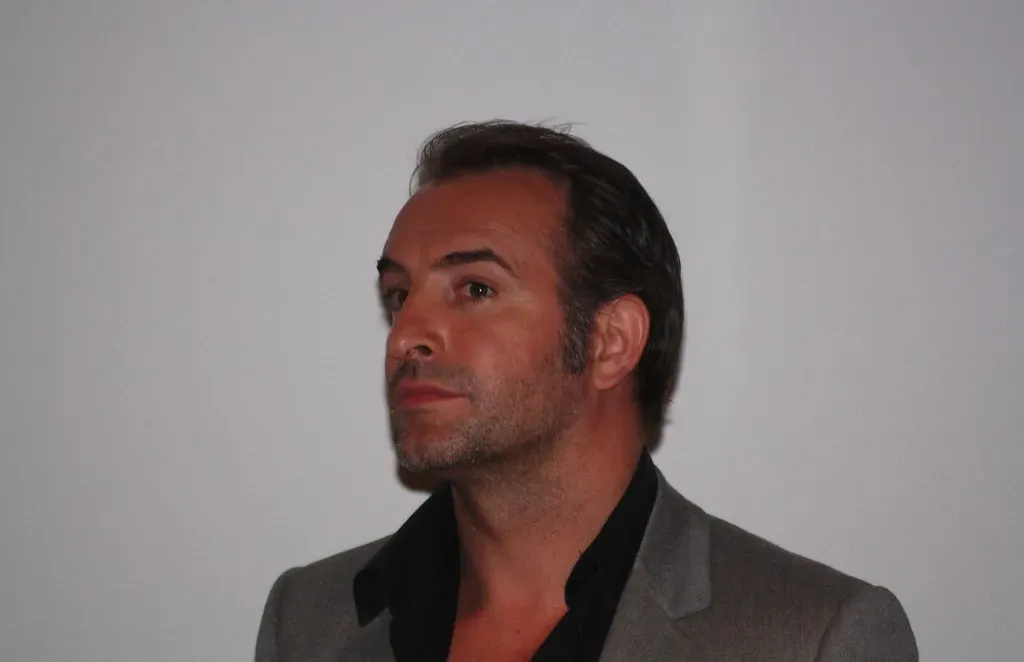
The Artist is a mostly silent, black and white film about a fading star of the silent era, and its very existence as a modern homage to 1920s cinema made it an instant awards season novelty. Jean Dujardin’s performance carries real charm, and the film’s central gimmick, silence itself, is executed with genuine skill. Voters clearly enjoyed rewarding something so different from the usual Best Picture mold.
The trouble with novelty is that it fades. Once the initial charm of watching a silent film win in the twenty first century wears off, what remains is a pleasant but fairly slight story. The Artist is often remembered today more as a curiosity, a clever formal experiment, than as a film people return to for emotional depth.
14. Slumdog Millionaire (2009)

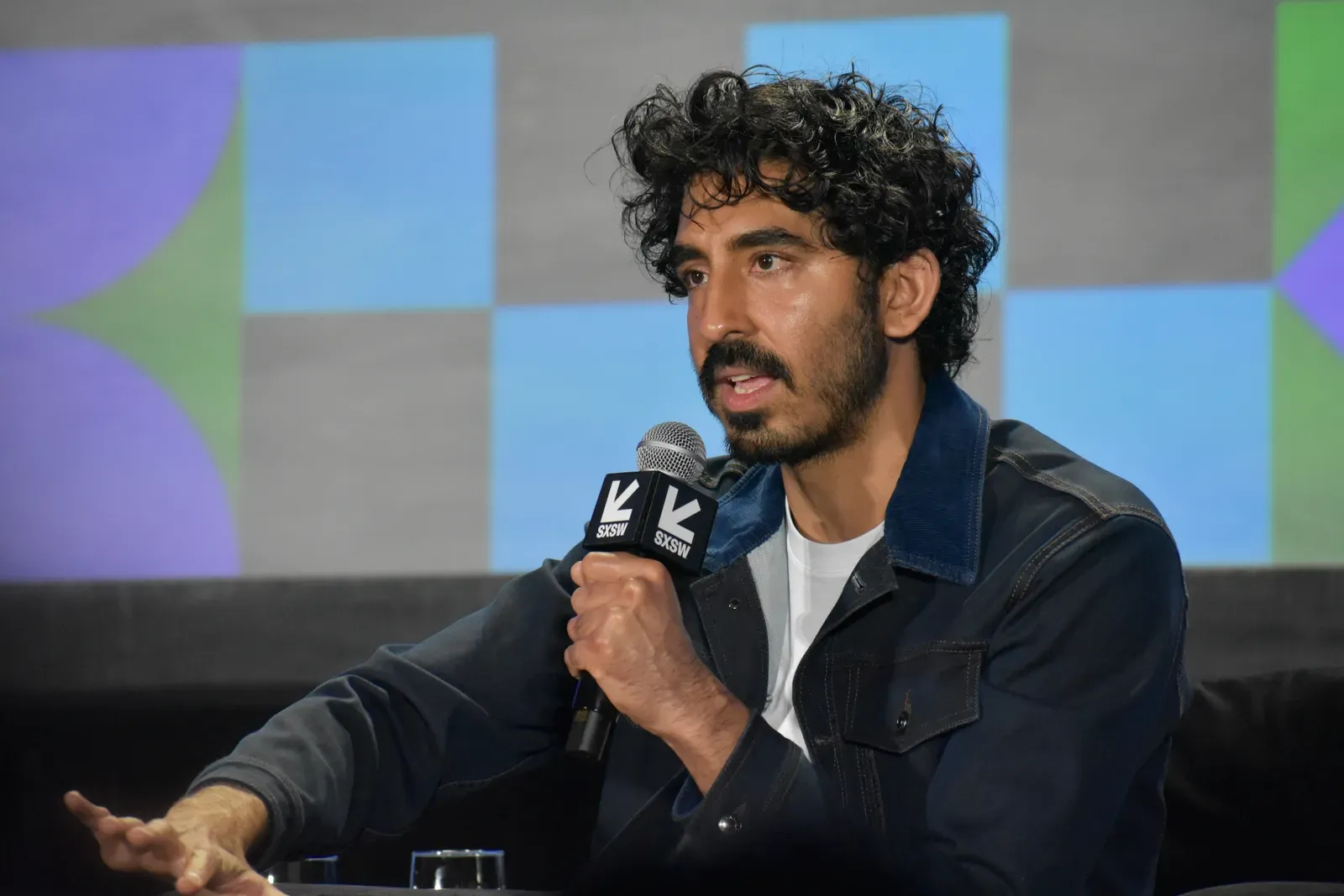
Danny Boyle’s kinetic, colorful story of a young man from the Mumbai slums who ends up on a game show captured audiences with its energy and its underdog structure. The film’s soundtrack and visual style felt genuinely fresh at the time, and its rags to riches narrative gave the ceremony a rare burst of pure crowd pleasing joy. It went on to win eight Academy Awards that night.
Over time, some of the shine has worn off amid criticism that the film’s depiction of poverty leaned into spectacle for a largely Western audience. That critique does not erase what the film does well, particularly its editing and pacing. Still, Slumdog Millionaire is remembered today more as a moment, a specific cultural sensation of its year, than as a film with deep staying power.
13. Nomadland (2021)

Chloé Zhao’s quiet, meditative film about a woman who takes to the road after losing her job and her town follows real life nomads alongside actress Frances McDormand. It is beautifully shot, patient, and deeply humane in how it treats its subjects, many of whom are non actors playing versions of themselves. The film’s understated style made it a critical favorite throughout the 2020 to 2021 awards season.
What holds it back from ranking higher is exactly what makes it distinctive, its slowness and lack of conventional plot. Nomadland asks for patience that not every viewer is willing to give, and its narrative thinness becomes more apparent on a second watch. It remains a lovely, honest film, just not one with the sweep or ambition of the strongest winners on this list.
12. Birdman (2015)

Birdman follows a washed up actor once famous for a superhero role trying to reclaim relevance through a Broadway play, shot to look like one continuous take. Michael Keaton’s performance draws clear parallels to his own career history, and the technical achievement of the film’s cinematography is genuinely dazzling. Alejandro González Iñárritu’s direction earned wide praise for its ambition.
Some critics have argued the one shot gimmick prioritizes style over the story’s actual substance, making the film feel more impressive as a technical exercise than as a lasting emotional experience. That critique has some merit, though it undersells how sharp the film’s satire of celebrity and artistic ego really is. Birdman sits comfortably in the middle of this list, respected but rarely mentioned among the truly great winners.
11. The Departed (2007)

Martin Scorsese finally won his long overdue Best Director Oscar with this Boston set crime thriller about an undercover cop and a mob informant operating on opposite sides of the same investigation. The cast, including Leonardo DiCaprio, Matt Damon, and Jack Nicholson, brings ferocious energy to every scene. It is a tense, violent, expertly constructed film that never lets its pace slacken.
Many critics view the win as a career achievement award as much as a judgment on this specific film, since Scorsese had been passed over for decades on stronger work like Goodfellas and Raging Bull. That does not make The Departed undeserving. It simply means the film’s win carries a slightly different weight, tied as much to correcting history as to celebrating the movie itself.
10. The Hurt Locker (2010)


Kathryn Bigelow’s tense look at an Army bomb disposal unit in Iraq made her the first woman to win the Best Director Oscar, and the film itself remains a masterclass in sustained tension. Rather than leaning on typical war movie beats, it focuses on the psychological toll of a job where every single call could be the wrong one. Jeremy Renner’s performance anchors the film’s quieter, more unsettling moments.
The Hurt Locker also famously beat Avatar, James Cameron’s box office phenomenon, in one of the more talked about David versus Goliath matchups in Oscar history. That underdog story has only strengthened the film’s reputation over time. It remains a lean, disciplined piece of filmmaking that holds up well against nearly everything else from its era.
9. Spotlight (2016)

Spotlight dramatizes the Boston Globe’s investigation into systemic child abuse cover ups within the Catholic Church, and it does so with a deliberate lack of visual flash. The film trusts its ensemble cast and its procedural structure to carry the weight of the story, refusing easy melodrama even when the subject matter is devastating. Its restraint is precisely what makes it effective.
Because Spotlight avoids stylistic showmanship, it sometimes gets overlooked when people rank the flashier winners on this list. That undersells how difficult it is to make investigative journalism feel this gripping without resorting to cheap tricks. Spotlight remains one of the most respected and least divisive Best Picture winners of the past twenty years.
8. Anora (2025)

Sean Baker’s Anora, about a Brooklyn sex worker whose whirlwind marriage to a wealthy young Russian man spirals into chaos, brought an independent filmmaker’s scrappy sensibility straight to the Academy’s biggest stage. The film had already won the Palme d’Or at Cannes before its Oscar run began, a rare honor that signaled serious critical support well ahead of awards season. Mikey Madison’s lead performance drew particular acclaim for its blend of comedy and raw vulnerability.
What makes Anora stand out among recent winners is its refusal to soften its rougher edges for a mainstream audience. It is funny, sad, and unglamorous in ways that few Best Picture winners dare to be. Its win at the 97th Academy Awards suggested the Academy was willing to reward genuinely independent filmmaking over safer studio fare.
7. Everything Everywhere All at Once (2023)

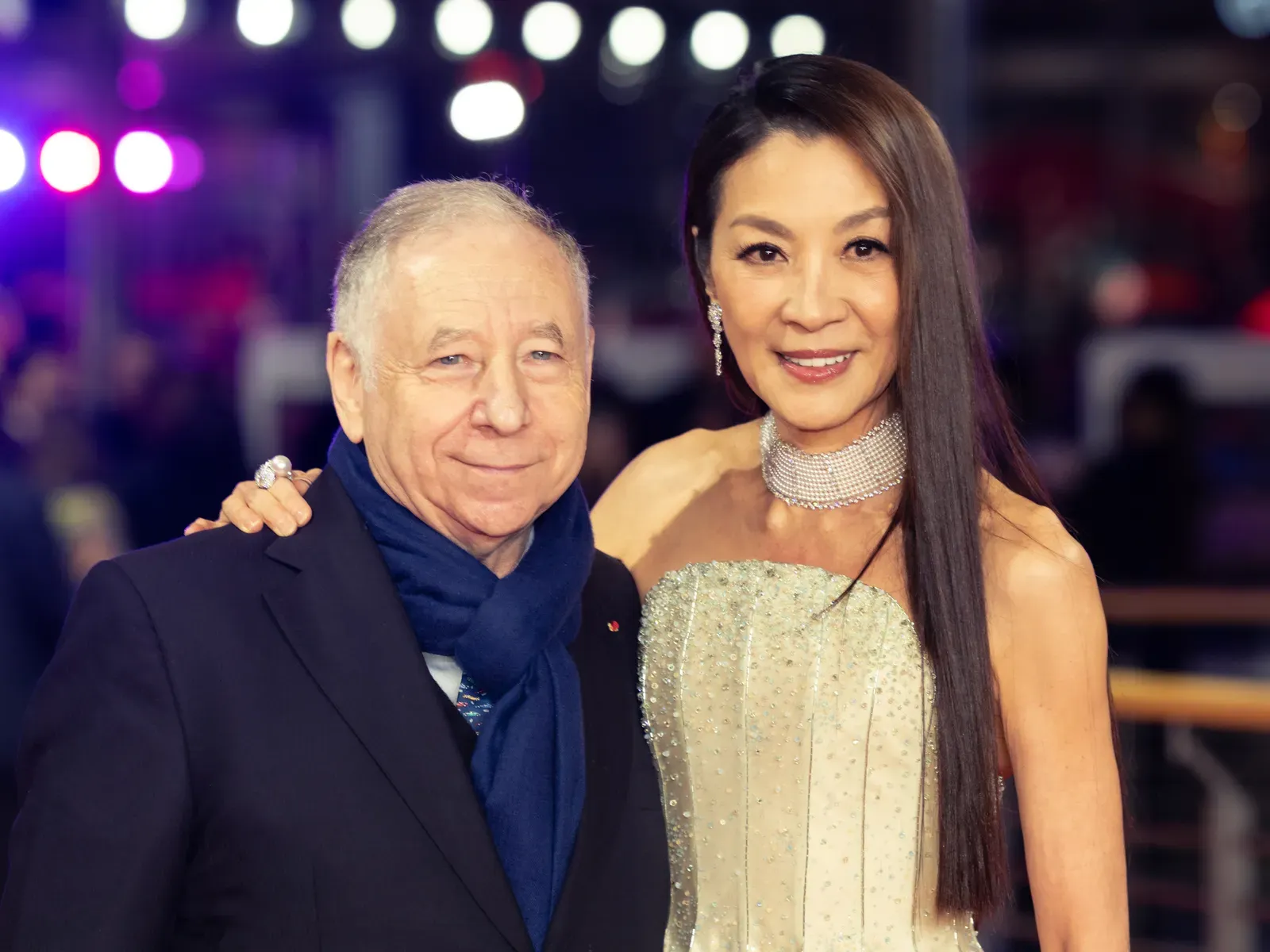
Few Best Picture winners have looked anything like Everything Everywhere All at Once, a multiverse spanning action comedy about a laundromat owner discovering she must save all of existence. Michelle Yeoh’s lead performance anchors a film that swings wildly between absurdist comedy, martial arts spectacle, and genuine emotional reckoning with family and regret. The film swept the major categories at the 95th Academy Awards, an unusually dominant night for something this strange.
What keeps the film so beloved is how it earns its chaos, using the multiverse concept not as a gimmick but as a genuine metaphor for the choices that shape a life. It became a cultural phenomenon well beyond typical awards season audiences. Few recent winners have managed to be this weird and this widely loved at the same time.
6. One Battle After Another (2026)


Paul Thomas Anderson’s One Battle After Another took the top prize at the 98th Academy Awards in March 2026, part of a leading six awards, including Best Picture and Best Casting, becoming the inaugural recipient for the latter category. Sean Penn won Best Supporting Actor for his role in the film, while Paul Thomas Anderson received best director honors as well. The film had entered the ceremony as a serious contender, having earned thirteen nominations overall.
Critics praised the film’s blend of political urgency and dark comedy, a combination Anderson has rarely attempted with this much scale. As the most recent addition to this list, its long term reputation is still being written. Early reception suggests it will be remembered as one of the more ambitious and confidently directed winners of recent years.
5. Oppenheimer (2024)

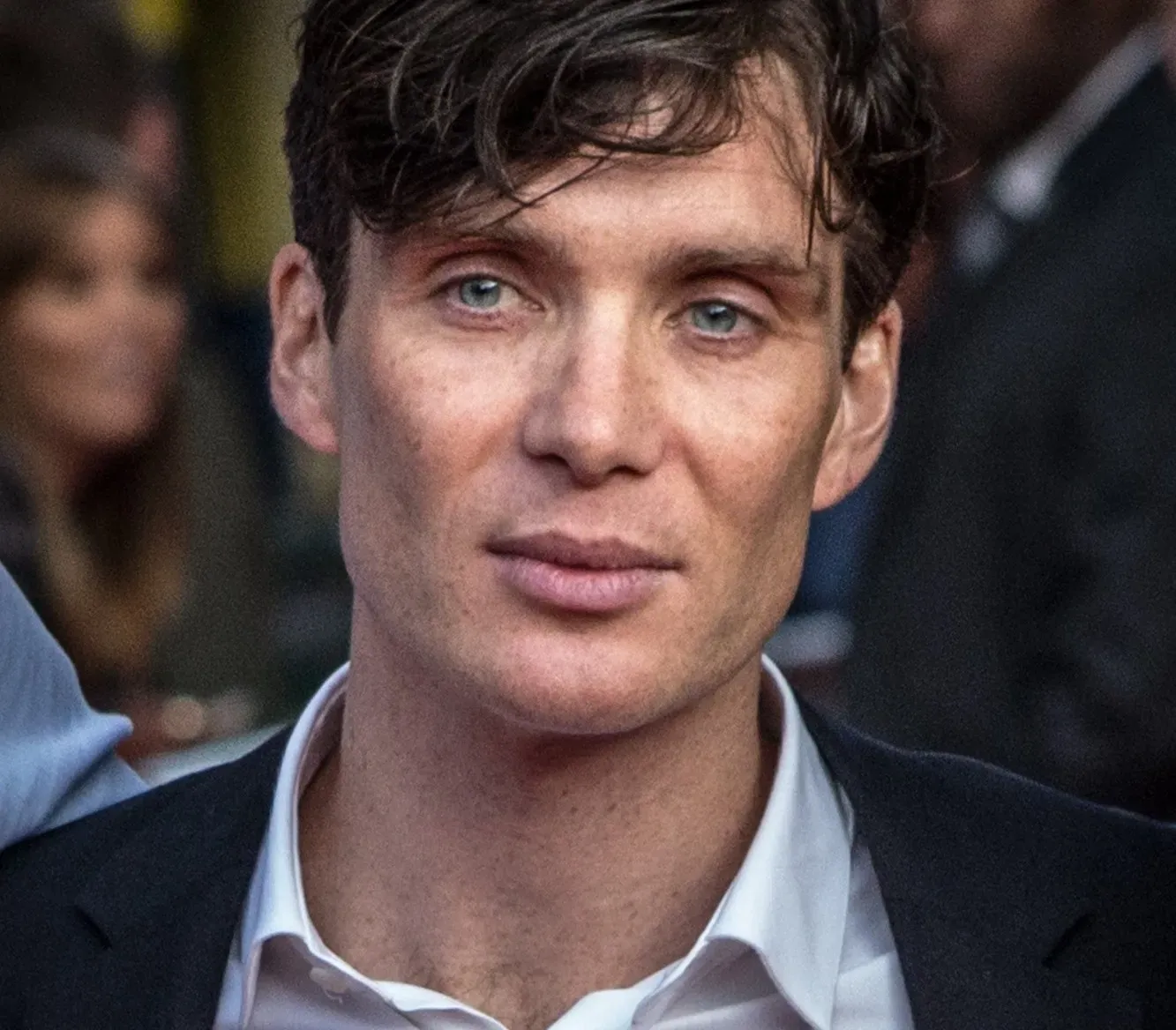
Christopher Nolan’s three hour biographical epic about the physicist who led the development of the atomic bomb became both a critical triumph and a genuine box office phenomenon, grossing well over nine hundred million dollars worldwide. That combination of scale, seriousness, and mainstream success is rare for a Best Picture winner. Cillian Murphy’s lead performance and Nolan’s structurally ambitious, largely practical effects driven filmmaking earned near universal praise.
Oppenheimer also benefited from arriving during a summer defined by its unlikely pairing with Barbie, a cultural moment that pulled huge audiences into theaters for both films. That context helped the film feel like a genuine event rather than just another awards contender. Its win at the 96th Academy Awards felt less like a surprise and more like an inevitability that had been building for months.
4. 12 Years a Slave (2014)

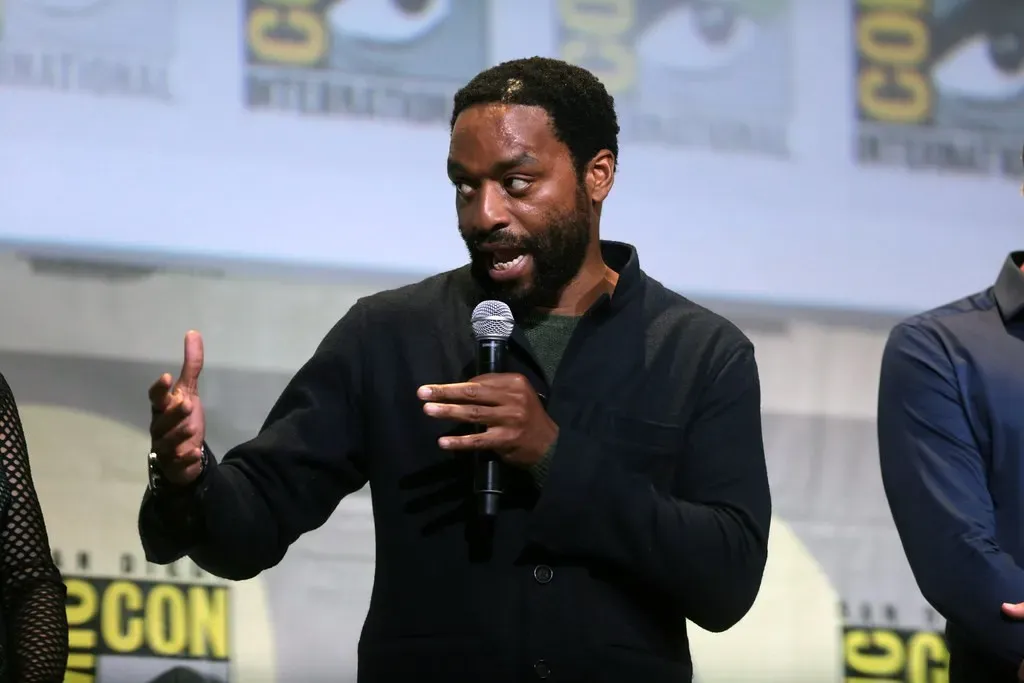
Steve McQueen’s unflinching adaptation of Solomon Northup’s memoir about being kidnapped and sold into slavery remains one of the most difficult and necessary films to win Best Picture in the past two decades. Critics consistently describe it as far from comfortable viewing, but 12 Years a Slave’s unflinchingly brutal look at American slavery is also brilliant, and quite possibly essential cinema. Chiwetel Ejiofor’s central performance carries the weight of the story without ever tipping into melodrama.
The film does not soften its subject matter for comfort, and that refusal is exactly why it has endured. It won Best Picture at the 86th Academy Awards and has only grown in stature since, frequently cited as one of the most important historical dramas of its generation. Few films on this list ask this much of their audience and deliver this much in return.
3. Moonlight (2017)

Barry Jenkins’ Moonlight traces three chapters in the life of a young Black man in Miami grappling with his identity, his sexuality, and his relationship with a mother struggling with addiction. The film earned widespread acclaim, holding a near perfect critical score, and it became the first film with an all-Black cast to win Best Picture. Mahershala Ali’s supporting performance and Jenkins’ delicate, poetic direction gave the film a visual and emotional intimacy rarely seen in awards contenders.
Moonlight’s win is also permanently tied to one of the strangest moments in Oscar history, when presenters Warren Beatty and Faye Dunaway declared La La Land as the winner of Best Picture, before it was revealed this was incorrect due to a card mix up. That chaos briefly overshadowed the film itself, but the correction only amplified attention on a genuinely groundbreaking work. Moonlight has since settled into its rightful place as one of the most acclaimed and influential winners of the past twenty years.
2. No Country for Old Men (2008)

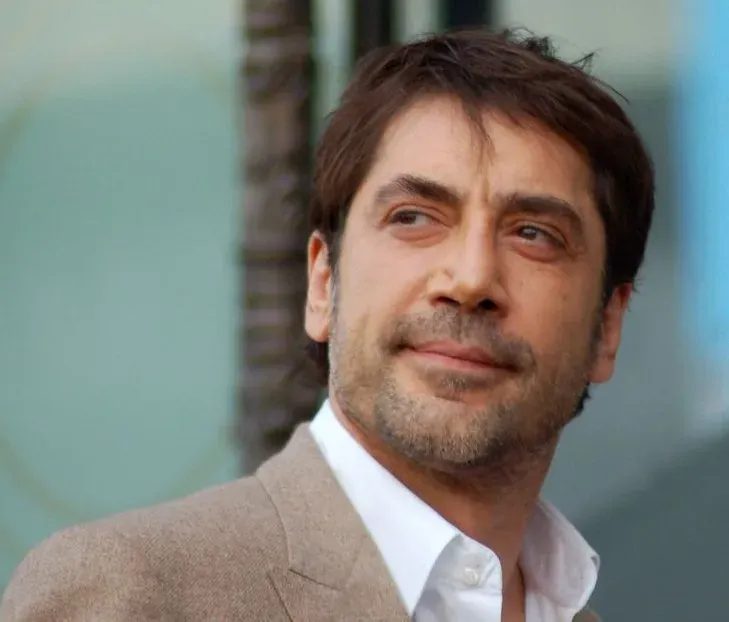
The Coen brothers’ adaptation of Cormac McCarthy’s novel follows a drifter who stumbles onto drug money in the Texas desert, only to be pursued by a nearly silent, unstoppable killer played by Javier Bardem. The film is a masterclass in tension, using long stretches of near silence and precise sound design to build dread more effectively than most horror films manage. Its bleak, morally unresolved ending still generates debate among viewers nearly two decades later.
What sets No Country for Old Men apart is how completely it commits to its own philosophy about chance and violence, refusing any of the tidy resolution that most awards friendly films provide. Bardem’s performance remains one of the most chilling in modern film. It stands as proof that the Academy is occasionally willing to reward genuinely uncompromising work.
1. Parasite (2020)
Bong Joon Ho’s Parasite made history at the 92nd Academy Awards as the first non English language film to win Best Picture, a landmark moment that reshaped conversations about what kind of films the Academy was willing to honor. Critics widely praised the film as an urgent, brilliantly layered look at timely social themes, finding writer-director Bong Joon Ho in near-total command of his craft. The story of a poor family infiltrating a wealthy household shifts genres constantly, moving from comedy to thriller to tragedy without ever losing its footing.
Every element of Parasite works in service of its central idea about class and inequality, from its meticulous production design to its razor sharp screenplay. The film swept multiple major categories that night, an outcome that felt earned rather than surprising to most critics who had followed its festival run. Two decades of Best Picture winners have produced plenty of great films, but few have combined critical unanimity, cultural impact, and genuine artistic risk the way Parasite did.
That is the full span of the last twenty Best Picture winners, from a well meaning but contested road trip drama to a genre bending Korean thriller that changed how the world talked about the Academy Awards. Taste in these matters will always be personal, and next year’s ceremony will add one more entry to argue about. For now, though, this is where the last two decades of winners land.