Every so often, a song finds its true self on stage rather than in the studio. The audience noise, the looser tempo, the sense that anything could go wrong but doesn’t, all of it adds something a controlled recording booth simply can’t replicate. Over the decades, a handful of live recordings have done more than complement their studio originals. They’ve replaced them in the public memory entirely, becoming the version fans hum, the version radio stations play, and sometimes the version that saved an entire career.
What follows are nine cases where the concert tape beat the studio tape at its own game, backed by the chart numbers, sales figures, and documented history that prove it wasn’t just nostalgia talking.
1. Cheap Trick – “I Want You to Want Me” (Cheap Trick at Budokan, 1978)

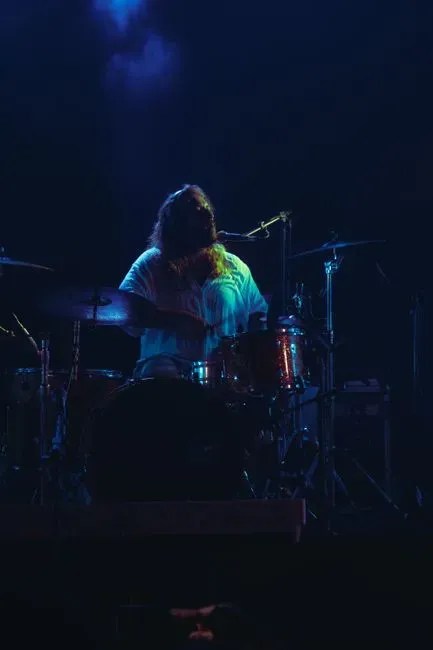
When Cheap Trick first put “I Want You to Want Me” on their 1977 album In Color, it barely registered. It did not chart in the United States in its original studio version. The song’s bouncy, almost campy arrangement just didn’t translate on record the way it did in front of a crowd.
Everything changed when a rowdier, faster take recorded in Japan surfaced. Nineteen months later, a more hard rock-oriented live version from the band’s successful Cheap Trick at Budokan album was released as a single and became one of their biggest hits, peaking at number seven on the US Billboard Hot 100, number two in Canada, and number one in Japan. The live version has a faster tempo than the album version, which contributed to its success. It remains the version everyone knows, and it has since become Cheap Trick’s signature song.
2. Peter Frampton – “Do You Feel Like We Do” (Frampton Comes Alive!, 1976)
Frampton first recorded this track back in 1973 with his band Frampton’s Camel, and it went nowhere. After the lack of success of his band, Frampton performed under his own name and began touring the United States extensively for the next two years, as a result of which he developed a strong live following while his albums sold moderately and his singles failed to chart. The song became a closing-set showcase, and it eventually found its definitive form on stage.
The version that mattered was recorded on 14 June 1975 at the Winterland Ballroom in San Francisco, California, running nearly fourteen and a half minutes with Frampton’s talk box solo stretched out for the crowd. Edited down for radio, the single version of “Do You Feel Like We Do” was edited to 7:19 from the original 14:15 album version, making it one of the longest singles to reach the top 40, surpassing The Beatles’ “Hey Jude” at 7:11. The parent album itself became a phenomenon, and it wasn’t a fluke: it reached No. 1 on the Billboard 200 the week ending 10 April 1976, spending 10 non-consecutive weeks in the top spot through October.
3. Kiss – “Rock and Roll All Nite” (Alive!, 1975)

Before it was an arena chant, “Rock and Roll All Nite” was a commercial disappointment. The studio version of the song peaked at No. 68 on the Billboard singles chart, a modest showing for a band still fighting for attention. Casablanca Records was struggling financially at the time, and Kiss needed something to change the trajectory fast.
That something turned out to be a concert tape. A subsequent live version, released as a single in October 1975, eventually reached No. 12 in early 1976, the first of six Top 20 songs for Kiss in the 1970s. The extended live cut included a guitar solo that the studio take never had, giving the song room to breathe and the crowd room to roar. “Rock and Roll All Nite” became Kiss’s signature song and has served as the group’s closing concert number in almost every concert since 1976.
4. Eric Clapton – “Layla” (Unplugged, 1992)

The original 1970 “Layla” with Derek and the Dominos is a rock classic in its own right, all fury and slide guitar. Two decades later, Clapton stripped it down for MTV and turned it into something else entirely. Erlewine feels that the songs are “lively and relaxed”, that Clapton turns “Layla” from an “anguished howl of pain into a cozy shuffle.”
The reworked acoustic take became a genuine hit in its own right. The acoustic rework of “Layla” was released as the single “Layla (Acoustic)” in September 1992, becoming popular in the US and reaching No. 4 on the Billboard Pop Singles chart while reaching place 12 on the Billboard Hot 100. The parent album turned into a cultural force of its own, and it became the bestselling live album of all time, and Clapton’s bestselling album, selling 26 million copies worldwide. At the following year’s Grammys, the acoustic version, not the original, took home the trophy for Best Rock Song.
5. Nirvana – “The Man Who Sold the World” (MTV Unplugged in New York, 1993)

Technically this one is a cover, but it belongs on this list because Nirvana’s live rendition has completely eclipsed the David Bowie original in public memory. It was the version that became more famous and well-known than the original. Kurt Cobain reportedly didn’t even know it was a Bowie song when the band started playing it.
The performance itself was stripped almost to nothing, just voice and acoustic guitar run through a fuzz box, and that fragility is exactly what made it stick. The stripped-back rendition involved Kurt Cobain feeding his acoustic guitar through a fuzz box, and compared with Bowie’s original, Nirvana’s cover displayed greater raw vulnerability. Bowie himself later reflected on it, noting that Cobain’s take was “a good straight forward rendition and sounded somehow very honest.” The recording gained a heavier layer of meaning after Cobain’s death just months later, and it has never fully shaken that association.
6. Johnny Cash – “Folsom Prison Blues” (At Folsom Prison, 1968)

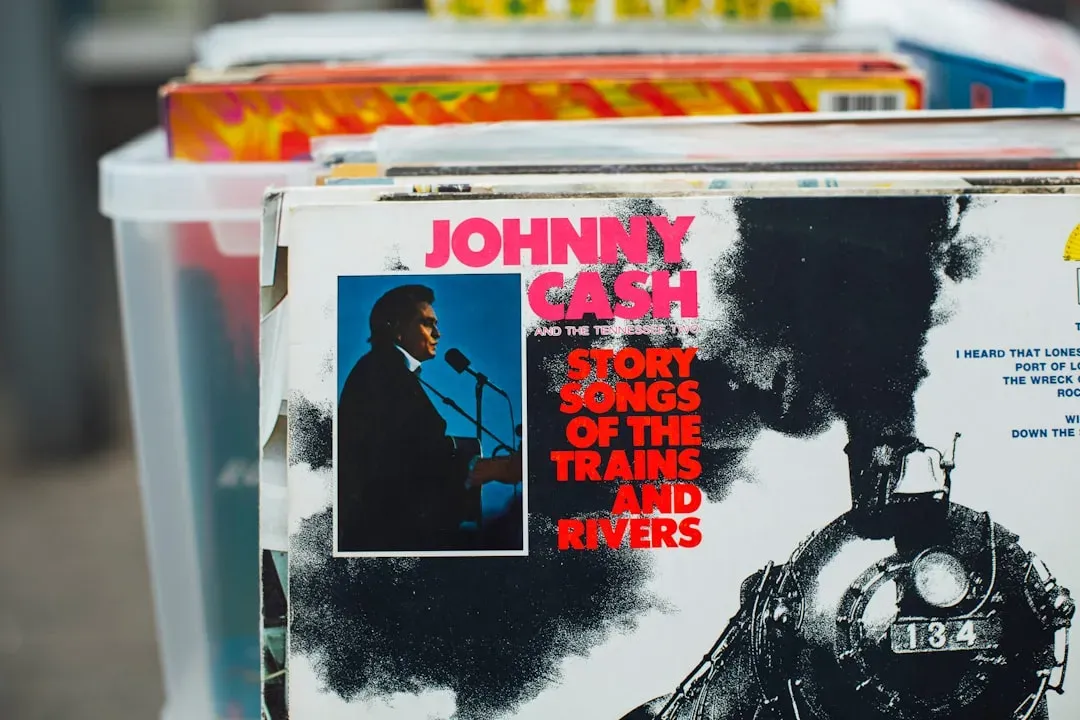
Johnny Cash first cut “Folsom Prison Blues” back in 1955 for Sun Records, and it was a solid country hit at the time. The song lived a fairly ordinary life for over a decade, until Cash decided to take his band into an actual prison and record in front of the inmates themselves. That decision changed everything about how the song was heard.
The 1968 live recording, made at Folsom State Prison in California, gave the lyrics an entirely different weight. Hearing the crowd of prisoners react, particularly to the line about shooting a man in Reno, turned a well-crafted country tune into something closer to reportage. The live take became the version most people think of first, and the resulting album helped push Cash’s career into a second act that reached far beyond country radio.
7. The Who – “Summertime Blues” (Live at Leeds, 1970)

“Summertime Blues” wasn’t even a Who original. It started as an Eddie Cochran rock and roll single from 1958, a song built for teenage restlessness rather than arena-sized rock. The Who had covered it for a while before anyone thought to properly capture it in concert.
Recorded at Leeds University in February 1970, the band’s version turned a two-and-a-half-minute pop song into a stomping, feedback-drenched showcase for Pete Townshend’s guitar and Keith Moon’s drumming. Live at Leeds is routinely cited among the best live rock albums ever made, and this track is a large part of why. The concert take gave the song a physical intensity the original simply wasn’t built to carry.
Partner offer

8. The Allman Brothers Band – “Whipping Post” (At Fillmore East, 1971)

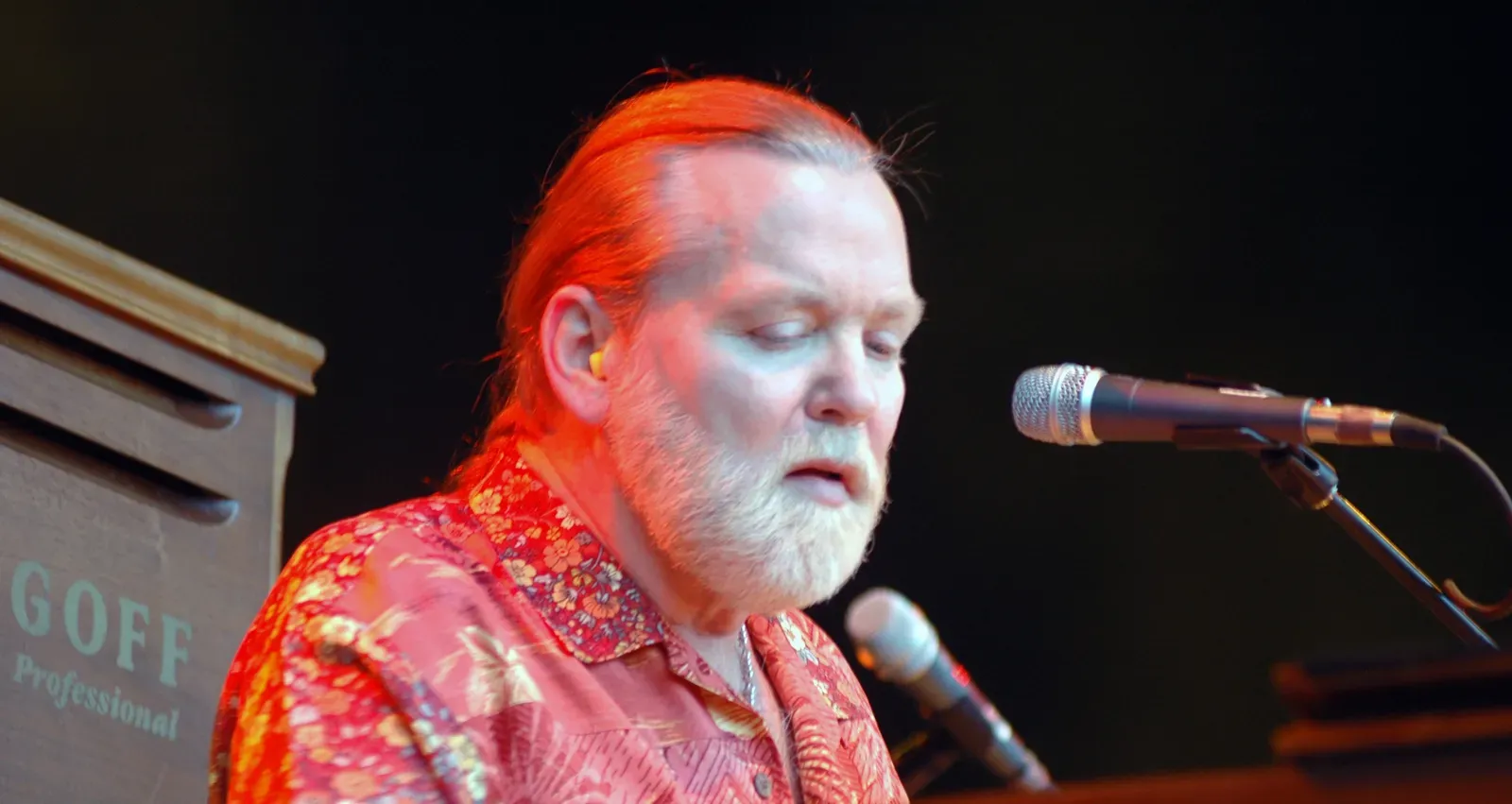
The studio version of “Whipping Post,” from the band’s 1969 debut, runs about five minutes and is a tightly constructed blues rock number. It’s a good song. It just isn’t the song that guitarists and fans point to when they talk about the Allman Brothers’ peak.
That honor goes to the version captured at New York’s Fillmore East in 1971, where the band stretched the track past the twenty-minute mark, weaving through extended improvisation between Duane Allman and Dickey Betts. The jam became a defining example of Southern rock’s capacity for extended, exploratory playing, and At Fillmore East is still widely regarded as one of the finest live albums in rock history. The studio cut set up the song. The Fillmore performance is the reason anyone still talks about it.
9. Bob Marley and the Wailers – “No Woman, No Cry” (Live!, 1975)

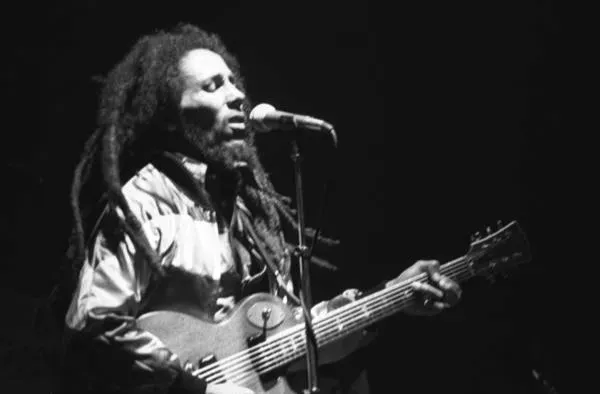
Marley first released “No Woman, No Cry” on his 1974 studio album Natty Dread, and it’s a fine, understated track on its own terms. It didn’t have the reach, though, that the song would eventually pick up once Marley started performing it in front of live audiences.
The version recorded at London’s Lyceum Theatre in 1975 slowed things down further and let the crowd sing along on the chorus, giving the song a communal, almost hymn-like quality the studio cut never quite reached. That live rendition is the one that ended up on Marley’s Legend compilation, which remains one of the best-selling reggae albums of all time, and it’s the version most casual listeners have actually heard. The concert setting turned a tender, personal song into something closer to a shared anthem.
These nine recordings share a common thread: none of them were planned as replacements for their studio counterparts, yet each one ended up doing exactly that. A faster tempo, a rawer vocal, an audience singing along, small factors on paper, but together they turned modest studio tracks into the versions history remembers. It’s a reminder that a song isn’t finished the moment it leaves the recording booth. Sometimes it only becomes itself once it’s tested in front of people who are actually there to hear it.
Partner offer
Planning a trip to Vegas?
Compare hotel rates and show tickets on VEGAS.com.