Hollywood has spent the past several years testing whether audiences still want to watch people sing their feelings on the big screen. The answers have been wildly inconsistent, ranging from billion dollar cultural moments to productions that became punchlines before they even opened. Sorting through the wreckage and the triumphs says a lot about what actually makes a stage to screen musical work, and what happens when studios misjudge the room.
Cats (2019): the cautionary tale everyone still talks about

Tom Hooper’s adaptation of Andrew Lloyd Webber’s long running stage hit remains the go to example of a musical adaptation going wrong at nearly every stage. The film was based on the 1981 West End musical by Andrew Lloyd Webber and directed by Tom Hooper, starring an ensemble that included James Corden, Judi Dench, Idris Elba, Jennifer Hudson, Ian McKellen and Taylor Swift. The digital fur technology used to turn A list actors into humanoid cats became a punchline before the film even opened, and the finished product never recovered from the backlash.
Cats grossed $75.5 million worldwide against a production budget of $80 to 100 million, resulting in an estimated loss of $71 million after ancillary costs, and was widely viewed as a box office flop. The movie went on to dominate the Razzie Awards for the worst movies of that year, winning six trophies including worst film, screenplay and director. It is hard to think of another modern musical that so thoroughly became a cultural joke rather than a cultural moment.
Joker: Folie à Deux (2024): a musical nobody asked for

Todd Phillips took his billion dollar antihero story and turned the sequel into a jukebox style musical, a decision that baffled fans of the gritty original. The film premiered at the Venice International Film Festival in September 2024 and was released in the United States in October, where it was poorly received by critics and became a box office bomb, grossing around $208 million on a budget of $190 to 200 million. It bombed in its box office debut with a domestic opening of $37.8 million, becoming the first Hollywood comic book movie in history to earn a D CinemaScore from audiences.
The financial fallout was severe for a film built on the goodwill of an Oscar winning predecessor. Deadline Hollywood later calculated that the film lost the studio $144.25 million once all expenses and revenues were factored in. An analyst quoted by Variety summed up the miscalculation bluntly, suggesting the musical direction simply was not what audiences wanted from this particular character.
Dear Evan Hansen (2021): a stage sensation that could not translate
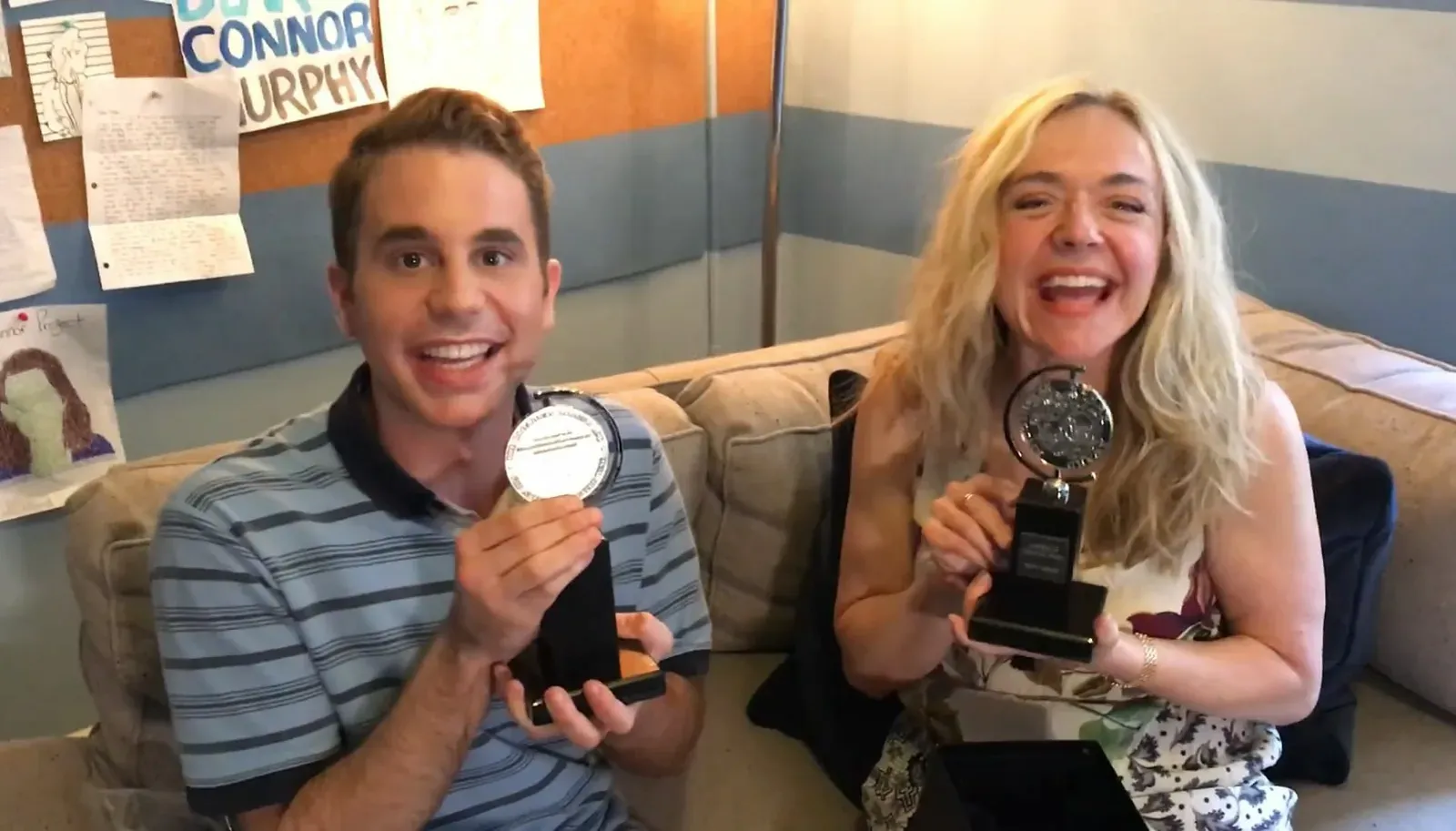
On Broadway, Dear Evan Hansen was a phenomenon, a story about grief and social anxiety that connected deeply with teenage audiences. The film version struggled almost immediately, with critics and viewers alike questioning some of the casting choices and the tonal shift required to move an intimate stage show onto a much larger screen. Reviews were largely unkind, and the film never found the audience that had packed theaters for years to see the stage production.
Part of the problem seemed to be timing as much as execution. The film arrived during a period when moviegoers were still cautious about returning to theaters, and it lacked the kind of broad, crossover appeal that had carried other adaptations through that same stretch. What worked as an emotionally raw stage experience came across on film as uneven, and the box office reflected that disconnect.
In the Heights (2021): critical love that never reached the box office
Lin Manuel Miranda’s joyful ode to Washington Heights received some of the warmest reviews of any musical adaptation in recent memory, praised for its energy, its cast and its specificity about a neighborhood rarely centered on screen. Jon M. Chu, who would later direct Wicked, showed early signs here of his skill with large scale musical staging. Despite the acclaim, the film struggled commercially.
Its release coincided with a moment when many viewers were still choosing to stay home, and a same day streaming release on HBO Max further complicated its theatrical performance. The film has since found a more appreciative afterlife on streaming, where its craftsmanship gets a second look away from the pressures of opening weekend numbers. It stands as proof that critical success and financial success do not always arrive together.
Mean Girls (2024): fetch happened, mostly
Tina Fey adapted her own Broadway musical, which had itself adapted her 2004 film, creating a strange loop of source material that critics found charming in places and hollow in others. The 2024 film was directed by Samantha Jayne and Arturo Perez Jr., starring Angourie Rice, Reneé Rapp, Auliʻi Cravalho and Christopher Briney, with Fey and Tim Meadows reprising their roles from the original. Reviews were mixed, with just under seventy percent of critics giving it a positive rating on Rotten Tomatoes.
The marketing strategy became almost as talked about as the film itself. Paramount shared data indicating that three quarters of audiences knew it was a musical before buying a ticket, while the studio’s marketing chief explained they had deliberately downplayed the song and dance elements because a broad comedy with music appeals to a wider audience than a musical does. The film ultimately surpassed $100 million at the global box office, made on a modest budget of just $36 million. It was not a transcendent adaptation, but it was a financially sound one.
West Side Story (2021): a masterclass that audiences skipped

Steven Spielberg’s take on the classic Bernstein and Sondheim musical was, by nearly every critical measure, a triumph. It reworked the source material thoughtfully, cast Rachel Zegler in a breakout role, and earned Ariana DeBose an Academy Award for her performance as Anita. Critics called it one of the finest movie musicals in decades, a rare instance of a legacy director elevating rather than merely repackaging beloved material.
Partner offer
Yet the film significantly underperformed at the box office, arriving during a difficult stretch for theatrical releases and never connecting with the mainstream audience its quality seemed to deserve. It became something of an industry talking point, an example cited repeatedly whenever executives debate whether critical prestige can actually move tickets. For West Side Story, the answer was clearly no, even though the film itself remains a genuine achievement.
The Color Purple (2023): quiet strength over spectacle
Blitz Bazawule’s adaptation of the stage musical, itself based on Alice Walker’s novel, leaned into emotional intimacy rather than showy production numbers. Fantasia Barrino and Danielle Brooks both received significant awards attention for performances that critics described as deeply felt rather than performative. The film benefited from a marketing approach that, much like Mean Girls, chose not to lead with the word musical in its trailers.
Its box office run was solid without being spectacular, a respectable outcome for a film built around difficult, character driven material rather than easy spectacle. What it lacked in scale it made up for in performances that audiences and critics both responded to. It sits comfortably in the middle of this ranking, a film that succeeded on its own terms rather than by chasing blockbuster comparisons.
Wicked: For Good (2025): a box office giant with a rockier reception
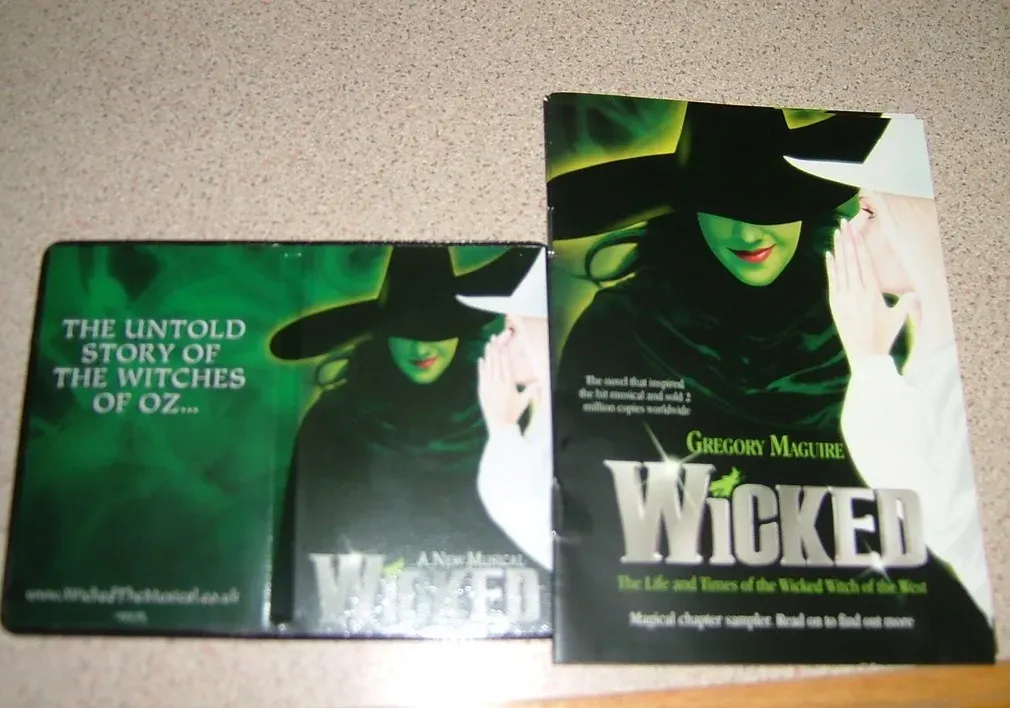
The concluding half of Jon M. Chu’s Wicked saga proved that audience enthusiasm and critical warmth do not always move together. The film enjoyed high ticket sales in spite of bleak critic reviews, with one outlet panning the sequel as very bad and another calling it a letdown. Reviews were generally positive but noticeably cooler than the raves that met its predecessor.
None of that dampened turnout. The film earned $147 million domestically and $223 million worldwide, setting a new record as the highest opening stage musical adaptation at the global box office. It also carried a strong audience approval rating of ninety five percent on Rotten Tomatoes, a clear sign that moviegoers were far more forgiving than the critics writing about it. The gap between the two responses says something important about how event driven franchise musicals now operate, where spectacle and nostalgia can outrun critical consensus entirely.
Chicago (2002): the film that revived the genre
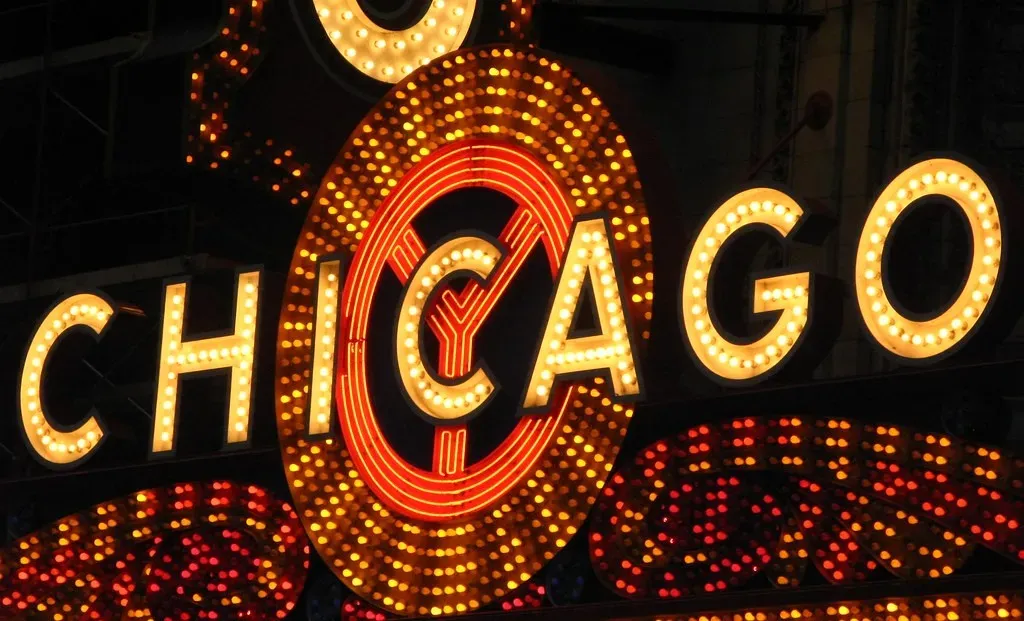
Long before Wicked or Mean Girls, Rob Marshall’s adaptation of the Kander and Ebb musical proved that a well made screen musical could still dominate awards season and the box office at the same time. The film’s stylized, fragmented staging, in which musical numbers played out as fantasies inside its characters’ heads, solved a problem that had plagued earlier attempts to bring stage musicals to film realistically. It went on to win the Academy Award for Best Picture, becoming the first musical to do so in decades.
Its commercial success was just as significant, grossing well over three hundred million dollars worldwide and reigniting studio interest in the genre after years of dormancy. Every musical adaptation that followed, for better or worse, owes something to the template Chicago established. It remains the gold standard against which many later attempts are still measured.
Wicked (2024): the modern benchmark
Jon M. Chu’s adaptation of the first act of the beloved Broadway musical arrived with enormous expectations and somehow exceeded them. Wicked grossed $475 million in the United States and Canada and $283.8 million in other territories, for a worldwide total of $758.8 million. It secured the largest opening ever for a film based on a Broadway musical, surpassing both Into the Woods and the worldwide opening of Les Misérables.
The critical reception matched the commercial numbers almost perfectly. The film earned a Certified Fresh rating on Rotten Tomatoes with ninety percent approval from critics and ninety seven percent from audiences, along with an A CinemaScore. It was named one of the top ten films of 2024 by the American Film Institute. Cynthia Erivo and Ariana Grande’s performances, paired with a genuinely faithful adaptation of the stage show’s first act, gave the genre exactly the kind of proof of concept it had been missing since Chicago.
What this tells us about the genre right now
Looking across these ten films, one pattern stands out clearly. Movie musicals succeed when the source material’s tone is respected and the marketing does not undercut audience expectations, and they falter when either of those elements gets mishandled. Budget size matters far less than the fit between story, cast and the sensibility of the people making the adaptation happen.
The genre is nowhere near as fragile as it looked a decade ago, when flops piled up faster than hits. Wicked proved there is still a massive audience willing to show up for the right musical, told the right way, and Wicked: For Good proved that audience will keep showing up even when critics have reservations. Whatever comes next in this space will be judged against that new, considerably higher bar.
Partner offer
Planning a trip to Vegas?
Compare hotel rates and show tickets on VEGAS.com.