Rock and pop history is full of tidy origin stories, the kind where a songwriter pens a track, records it, and moves on. Reality is messier. Some of the most recognizable songs in music were written by someone who never got to keep them, and in a handful of cases, those songs ended up in the hands of the very person or band that the writer would spend years competing against, suing, or simply refusing to speak to. What follows are six such stories, each one grounded in documented band history rather than rumor.
Dave Mustaine and Metallica
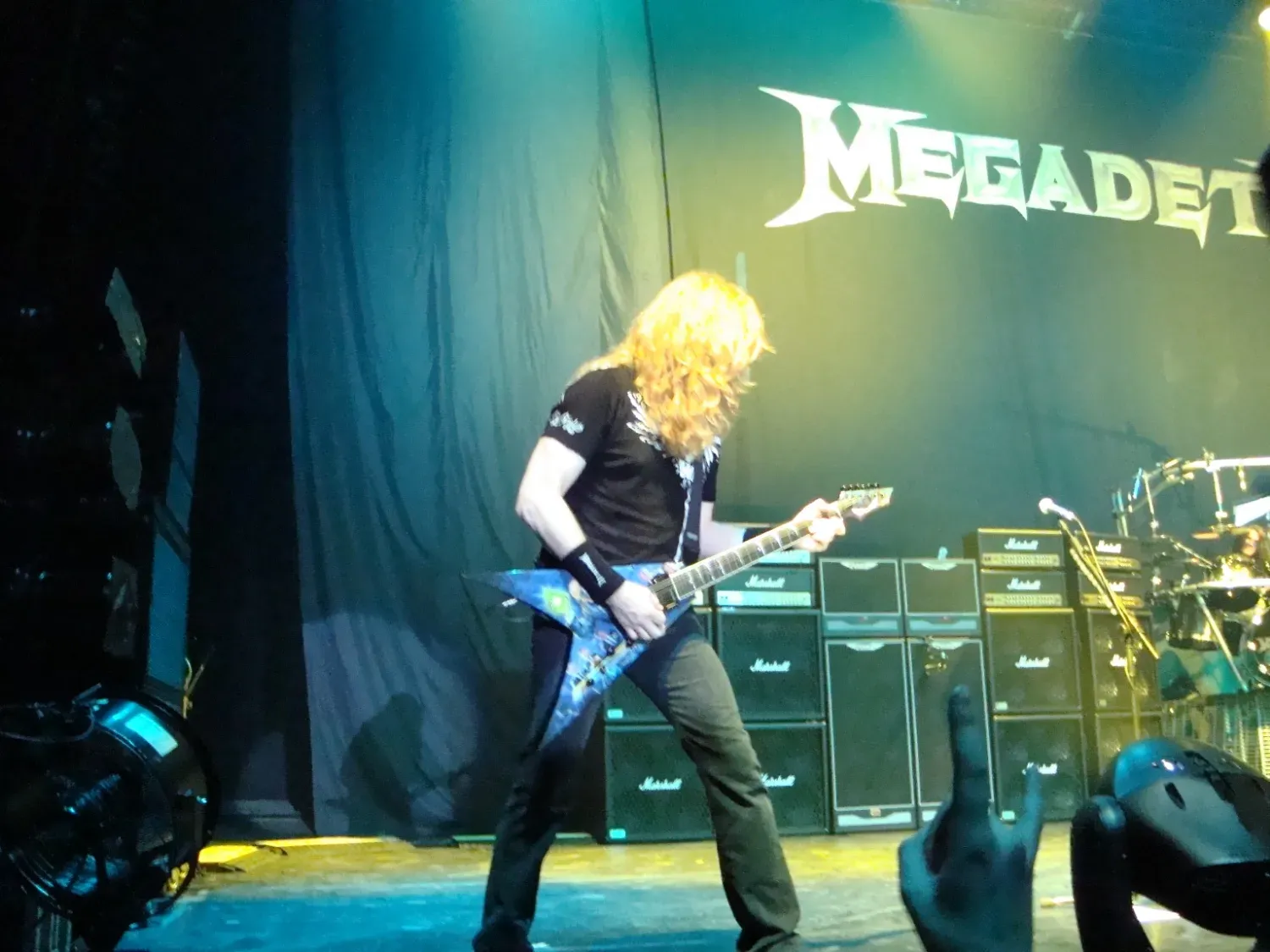
Dave Mustaine helped shape Metallica’s earliest sound before he was ever known as Megadeth’s frontman. He was fired from the band in early 1983, just weeks before recording began on their debut album, Kill ‘Em All, reportedly over alcohol issues and personality clashes with James Hetfield. Mustaine is credited with co-writing four songs on Metallica’s 1983 debut album, “Kill ‘Em All”, which was recorded just weeks after his dismissal from the group. Those songs, “The Four Horsemen,” “Jump in the Fire,” “Phantom Lord,” and “Metal Militia,” became staples of thrash metal almost overnight.
Mustaine went on to found Megadeth that same year, turning his old band into thrash metal’s defining rivalry for the next four decades. Mustaine is credited on six Metallica songs, two of which he wrote mostly himself and four of which he contributed, and he uses some of his Metallica riffs for Megadeth songs. The tension never fully disappeared. Metallica kept playing songs Mustaine helped build, while Megadeth carried on as the band that almost was, a rivalry that outlasted most of the genre’s other feuds.
Roger Waters and Pink Floyd
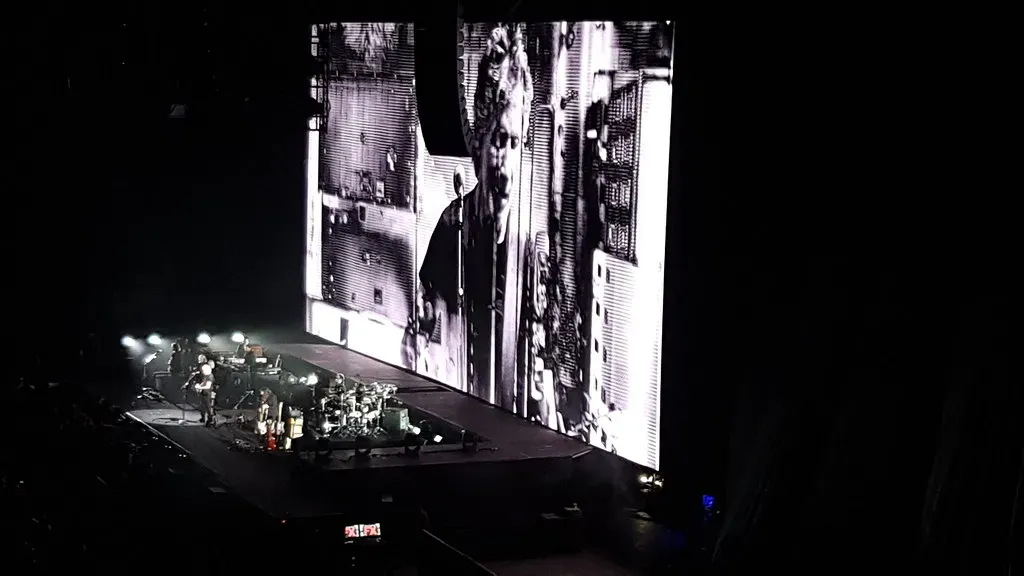
Roger Waters wrote or co-wrote the bulk of Pink Floyd’s most enduring material, including “Money,” “Comfortably Numb,” and nearly all of The Wall. By the early 1980s, creative control within the band had become a battleground, with Waters pushing for near-total authorship while guitarist David Gilmour and drummer Nick Mason pushed back. Waters left in 1985, believing the band was effectively finished without him.
Gilmour and Mason disagreed and continued performing under the Pink Floyd name, leading Waters to sue over the rights to the band’s identity. He lost that legal battle, and the version of Pink Floyd he considered dissolved kept touring arenas and stadiums, playing songs he had written, for years afterward. The dispute never really cooled. Waters and Gilmour have traded public jabs for decades, making theirs one of classic rock’s longest-running personal rivalries.
Lindsey Buckingham and Fleetwood Mac
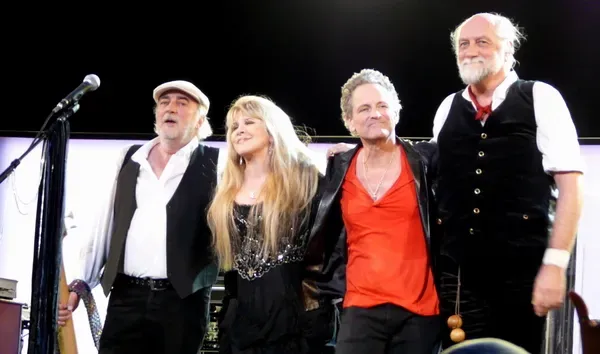
Lindsey Buckingham wrote or co-wrote many of Fleetwood Mac’s signature songs, including “Go Your Own Way” and “Don’t Stop,” tracks that helped turn Rumours into one of the best-selling albums of the 1970s. His guitar work and production instincts were central to the band’s sound for over four decades. That history made his abrupt firing in early 2018 all the more jarring for longtime fans.
Buckingham has said the split followed disagreements over touring plans and, more broadly, years of friction with Stevie Nicks, his former romantic partner and longtime creative foil. Fleetwood Mac continued touring afterward with replacement guitarists, still leaning on the catalog Buckingham helped build. The two have occasionally addressed the fallout in interviews since, describing a relationship that shifted from creative partnership to something closer to rivalry once he was out of the band.
Partner offer
Slash and Guns N’ Roses
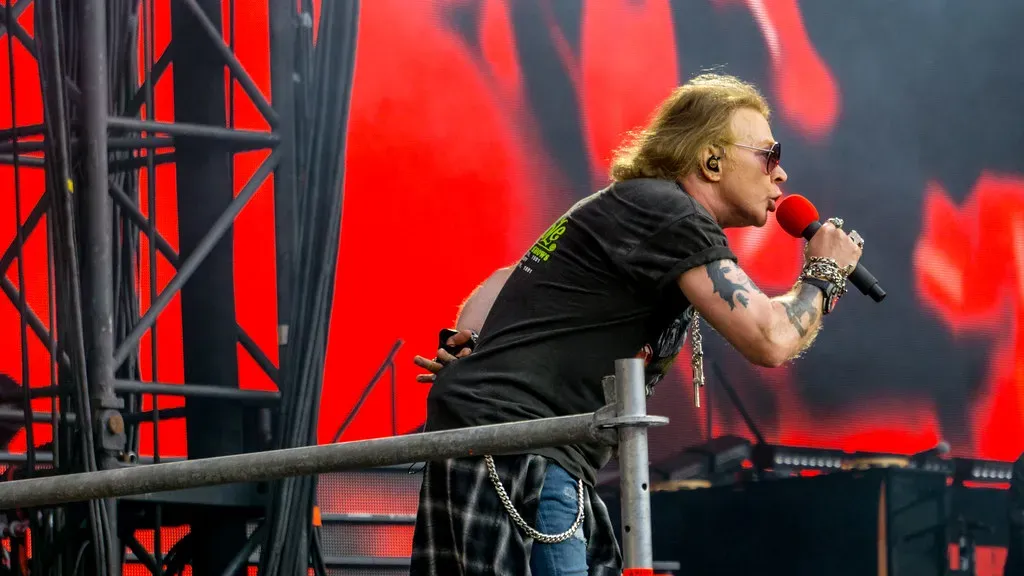
Slash co-wrote much of Guns N’ Roses’ most famous material, including “Sweet Child O’ Mine,” “November Rain,” and “Paradise City,” songs that turned Appetite for Destruction and the Use Your Illusion albums into some of the best-selling rock records of their era. His guitar lines are as central to those songs as Axl Rose’s vocals. By the mid-1990s, though, the working relationship between the two had deteriorated badly.
Slash left the band in 1996 amid deep frustration with Rose’s control over the group’s direction and its increasingly erratic recording schedule. Rose kept the Guns N’ Roses name and continued performing Slash’s guitar parts with a rotating cast of replacement musicians for two decades. The pair barely spoke during that stretch, a very public rift that only softened with their surprise reunion tour in 2016.
Don Felder and the Eagles
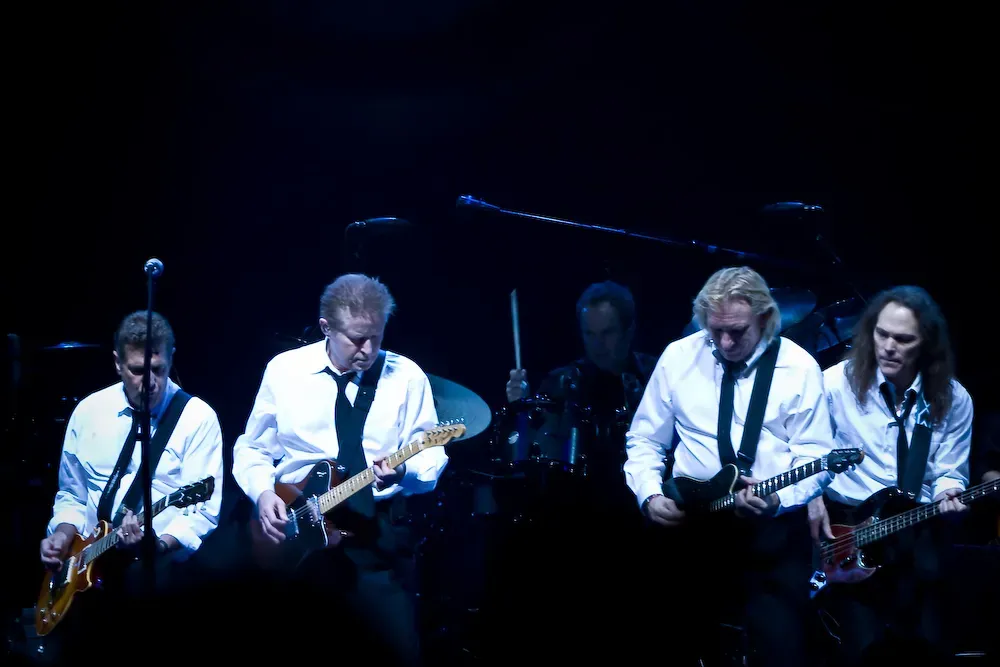
Don Felder co-wrote “Hotel California” with Don Henley and Glenn Frey, contributing the song’s signature guitar arrangement and helping shape one of the most played rock songs in American radio history. He spent nearly three decades in the Eagles, contributing to several of their biggest albums. That long tenure ended acrimoniously in 2001, when Felder was fired from the band.
What followed was a lengthy legal dispute over royalties and band earnings, one that Felder later detailed in his memoir, Heaven and Hell. Henley and Frey continued performing “Hotel California” at nearly every Eagles show afterward, profiting from a song Felder had helped write while he watched from the outside. The lawsuits were eventually settled, but the personal rift between Felder and his former bandmates lingered for years.
John Lennon and Paul McCartney for the Rolling Stones
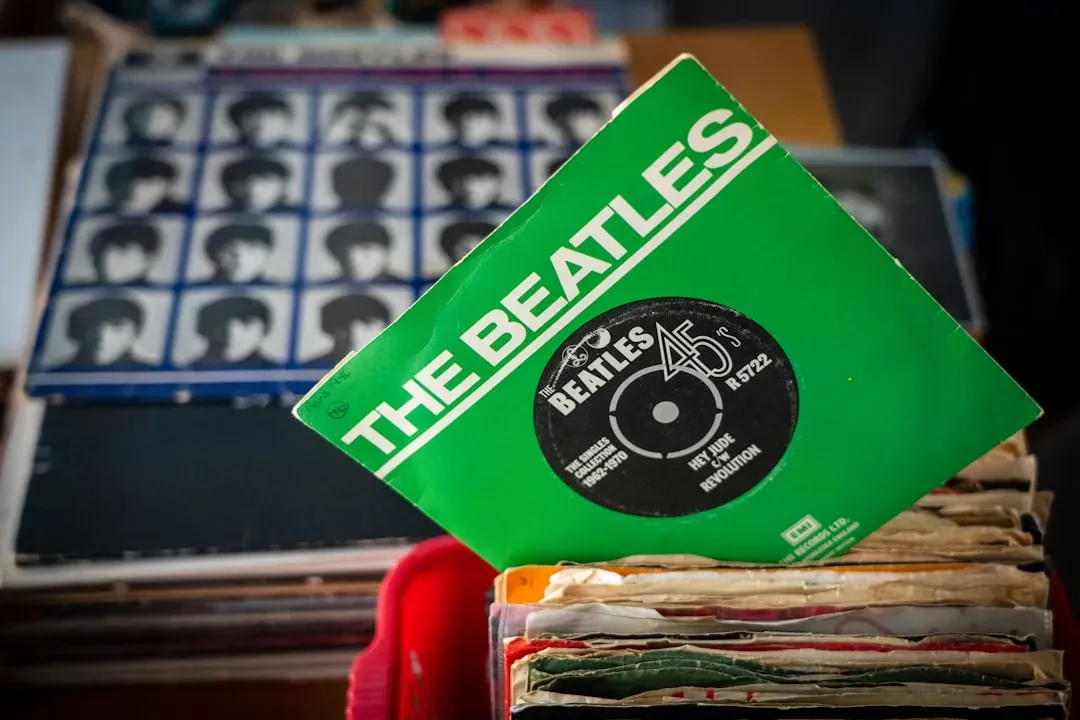
Unlike the other entries here, this one involves two entirely separate bands rather than a bitter internal split. In 1963, early in both bands’ careers, John Lennon and Paul McCartney handed the Rolling Stones a song called “I Wanna Be Your Man.” The Beatles had a rough sketch of the tune, and after running into Mick Jagger and Keith Richards, the pair reportedly finished it on the spot for the Stones to record.
The Rolling Stones released it as a single later that year, and it became their first UK top ten hit, helping establish them as serious chart competitors to the Beatles almost overnight. The two bands were locked in genuine competition throughout the mid-1960s, each pushing the other toward bigger albums and bolder experimentation. It remains one of the rare instances where members of one legendary band directly gifted a hit to the band that would go on to be its most famous rival.
Partner offer
Planning a trip to Vegas?
Compare hotel rates and show tickets on VEGAS.com.