Hollywood loves a redemption arc almost as much as audiences do. Every few years, an actor written off as finished walks back into the spotlight and reminds everyone why they mattered in the first place. Some of these turnarounds happened because of one perfect role, others because of years of quiet persistence that finally paid off in a single, unforgettable moment on screen.
John Travolta and the Pulp Fiction resurrection
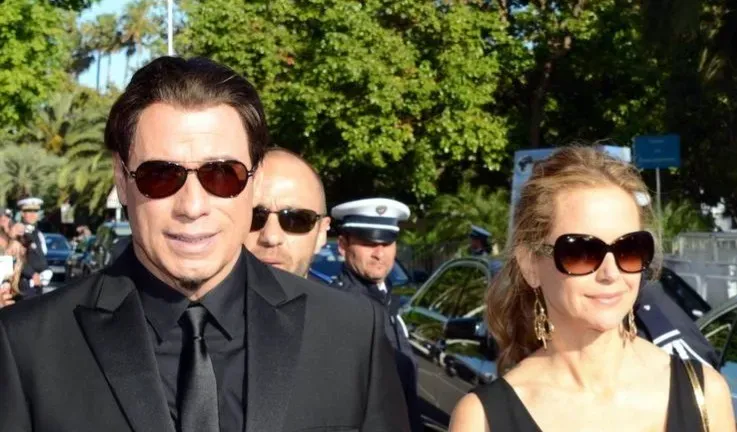
By the early 1990s, Travolta had drifted from the disco-era stardom of Saturday Night Fever into a string of forgettable family comedies. His career was treading water until Quentin Tarantino cast him as hitman Vincent Vega in 1994. The role reintroduced him as a serious actor capable of cool, dangerous charisma, and it earned him an Academy Award nomination for Best Actor.
What made the comeback so striking was the contrast. Audiences who grew up watching him in Grease suddenly saw him doing a heroin overdose scene and an iconic dance sequence in the same film. Pulp Fiction didn’t just revive Travolta’s career, it reshaped how Hollywood thought about casting actors thought to be past their prime.
Mickey Rourke and the brutal honesty of The Wrestler
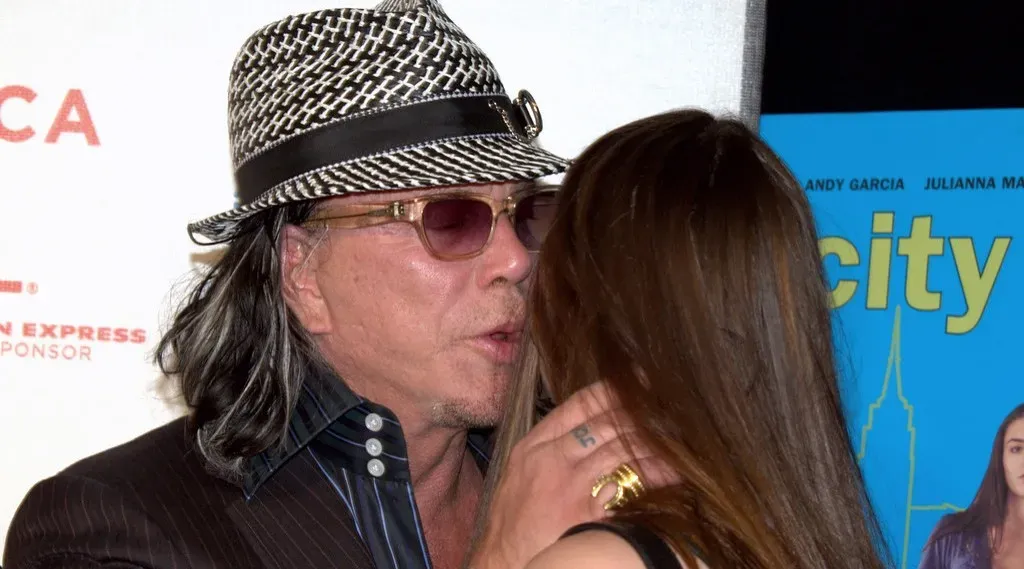
Rourke’s fall from grace in the 1990s and early 2000s was tied to personal struggles and a stalled acting career that pushed him toward boxing and increasingly minor film roles. Director Darren Aronofsky cast him in 2008’s The Wrestler, a role that mirrored Rourke’s own battered public image almost uncomfortably closely. The performance earned him a Golden Globe and an Oscar nomination, and critics widely agreed it was the most authentic work of his career.
The comeback worked because it didn’t ask Rourke to hide his wear and tear. Instead, the film leaned into it, turning years of hard living into the emotional core of a story about an aging athlete searching for one more shot at relevance. It remains one of the most cited examples of a role that seemed written for the exact moment an actor’s life intersected with it.
Robert Downey Jr. and the Iron Man reinvention
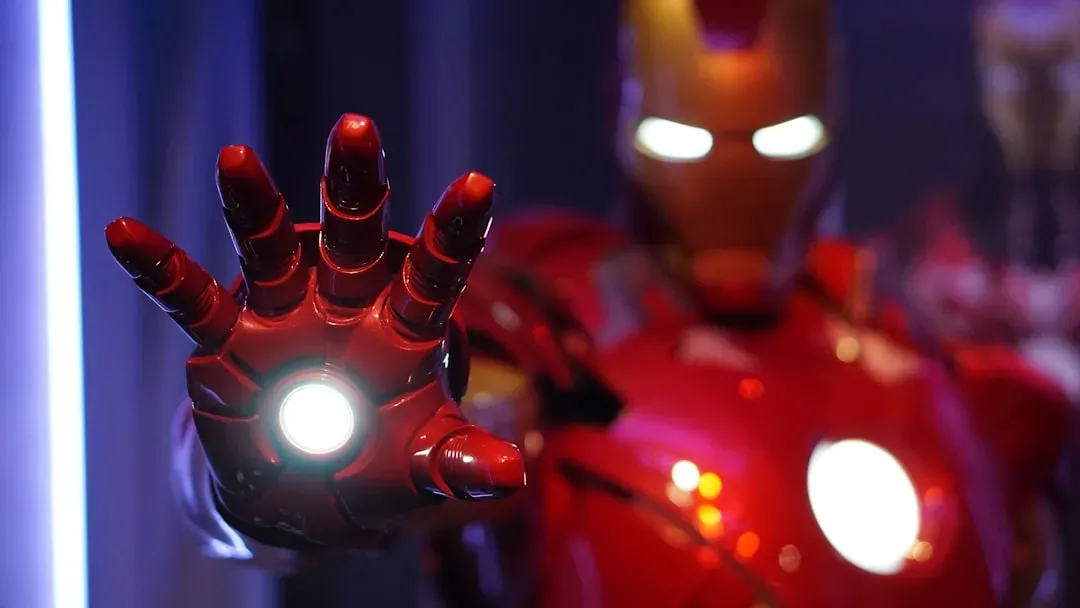
Downey’s talent was never in question, but a well documented history of legal trouble and substance abuse made him nearly uninsurable for major studio productions in the early 2000s. Marvel Studios took a chance on him for 2008’s Iron Man, a decision that seemed risky at the time given the studio’s limited track record as an independent producer. The film’s success didn’t just save Downey’s career, it effectively launched the Marvel Cinematic Universe as a commercial force.
Over the following decade, Downey became the highest paid actor in the world at various points, anchoring a franchise that has grossed billions of dollars globally. His path from tabloid cautionary tale to one of the most bankable stars in film history is frequently cited as the modern template for a Hollywood comeback. Few transformations in the industry have been as thorough or as financially significant.
Matthew McConaughey and the McConaissance
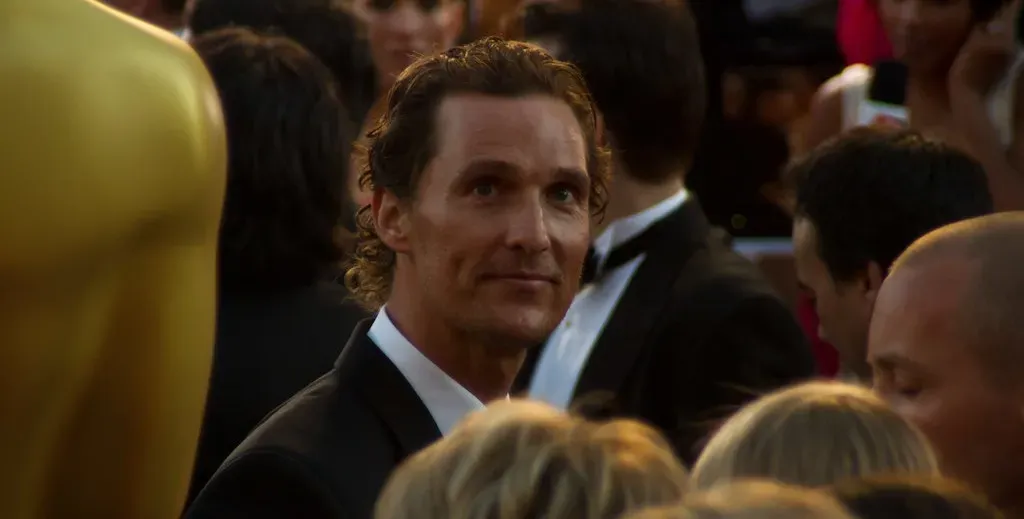
For much of the 2000s, McConaughey was typecast in romantic comedies, a genre that paid well but did little to showcase range. Starting around 2011 with films like The Lincoln Lawyer and Killer Joe, he began deliberately choosing darker, smaller projects that critics noticed immediately. The shift culminated in his Best Actor Oscar win for Dallas Buyers Club in 2014, a role that required significant physical transformation and emotional depth.
The industry nicknamed this stretch the McConaissance, acknowledging both the deliberate strategy and the surprising success of it. He followed the Oscar win with acclaimed television work on True Detective, further cementing the idea that his reinvention was not a one-off but a sustained career pivot. It remains one of the more calculated and successful image overhauls in recent memory.
Michael Keaton and the Birdman parallel
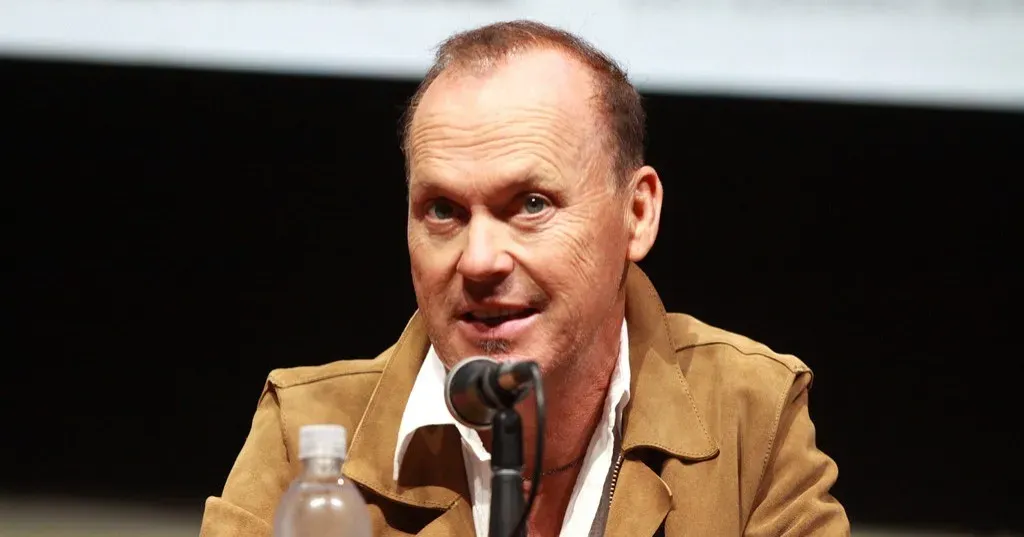
Keaton stepped away from the Batman franchise in the early 1990s and spent the following two decades working steadily but without the same level of visibility. In 2014, Alejandro González Iñárritu cast him in Birdman as a washed up actor once famous for playing a superhero, a premise that felt pointedly close to Keaton’s real life. The film earned him a Golden Globe and an Oscar nomination, along with widespread recognition as one of the best performances of his career.
Critics noted the layered irony of watching Keaton play a version of the exact anxieties he may have faced after leaving Batman behind. The film’s Best Picture win at the Academy Awards only added to the sense that this was a genuine industry-wide reappraisal of his talent. Keaton has continued working steadily since, including a return to superhero films that closed the loop in a fitting way.
Ben Affleck and the director’s chair redemption
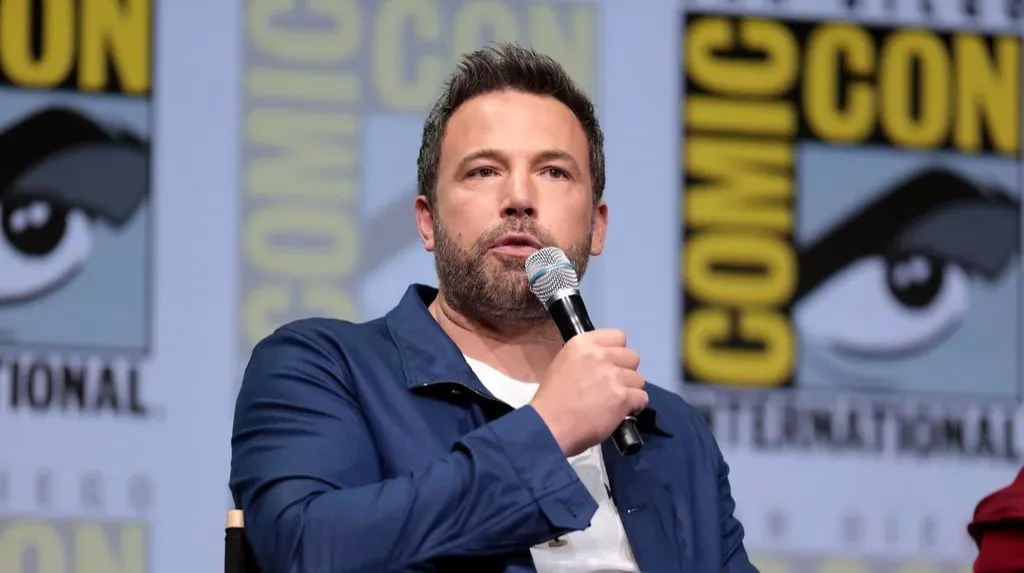
By the mid 2000s, Affleck’s acting career had been battered by a run of critically panned films and heavy tabloid scrutiny. Rather than waiting for better scripts to find him, he moved behind the camera, directing Gone Baby Gone in 2007 and The Town in 2010 to strong reviews. His pivot culminated in 2012’s Argo, which he directed and starred in, winning the Academy Award for Best Picture.
The comeback was notable because it happened through directing rather than a single transformative acting role. Affleck proved that a Hollywood reinvention doesn’t have to follow the traditional path of a great performance alone. It can come from stepping into a different creative role entirely and simply doing the work well.
Brendan Fraser and the emotional weight of The Whale
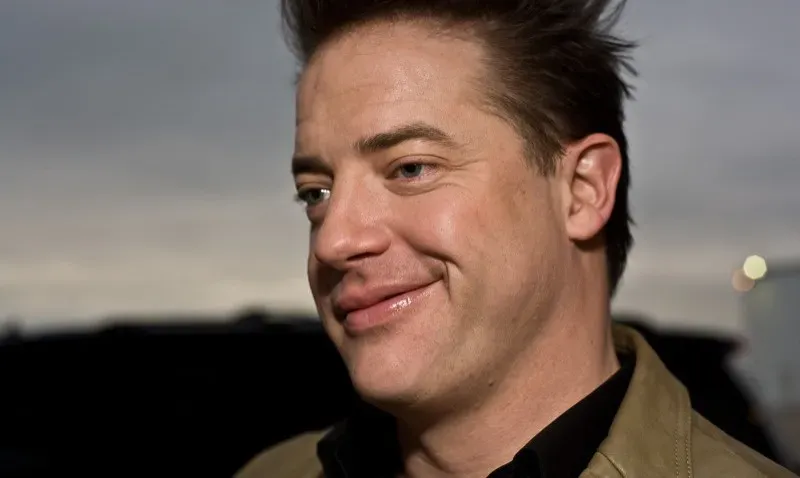
Fraser was a genuine box office draw in the late 1990s and early 2000s thanks to franchises like The Mummy, but a combination of injuries, personal hardships, and industry mistreatment pushed him out of the spotlight for much of the 2010s. His return came with Darren Aronofsky’s 2022 film The Whale, in which he played a reclusive, severely overweight man reconnecting with his estranged daughter. The performance, which required hours of prosthetic makeup daily, earned Fraser the Academy Award for Best Actor.
His win was met with one of the more emotional standing ovations in recent Oscars history, reflecting genuine industry goodwill toward his return. The moment resonated because Fraser’s absence had never really felt like a choice, making his comeback feel earned rather than staged. Since the win, he has continued taking varied roles, signaling that the resurgence was not a single fluke performance.
Keanu Reeves and the John Wick reset
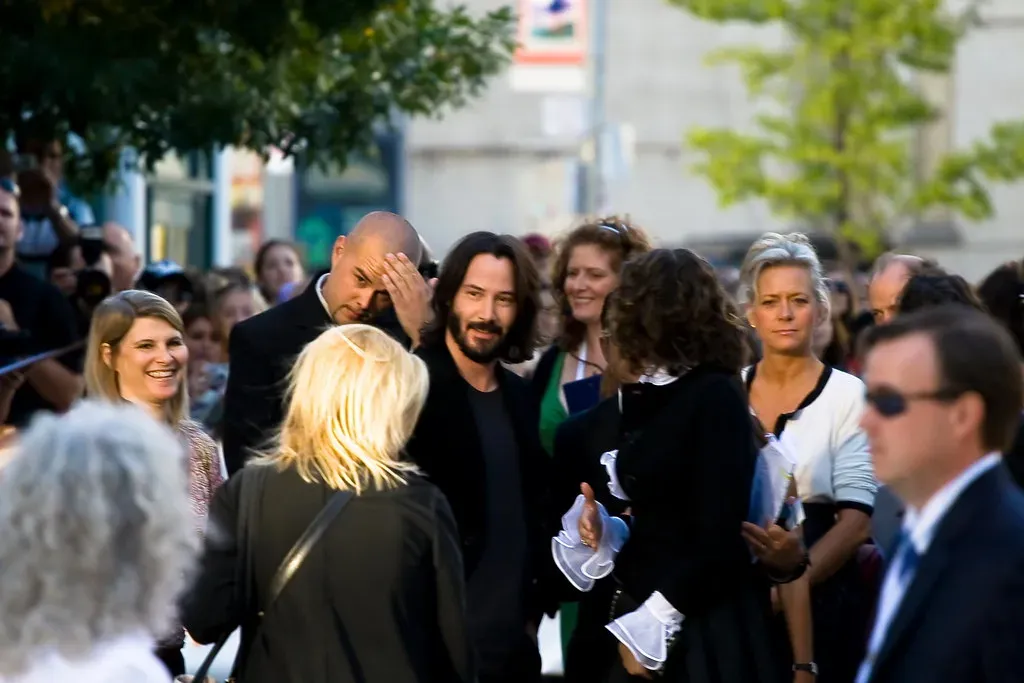
Following a string of box office disappointments in the 2000s and early 2010s, including the poorly received Man of Tai Chi and 47 Ronin, Reeves’ commercial standing had noticeably cooled. The 2014 action film John Wick, made on a modest budget, became a surprise hit and launched a franchise that has grossed well over a billion dollars worldwide across its sequels. The character’s precise, brutal choreography style also influenced a wave of action films that followed.
Reeves’ comeback stands out because it wasn’t built on critical acclaim in the traditional Oscar sense, but on rebuilding genuine audience trust and box office reliability. The franchise turned him into an action icon in his fifties, an age when many actors see their leading roles shrink rather than grow. It remains one of the more commercially significant career revivals of the 2010s.
Sylvester Stallone and the long road from Rocky Balboa to Creed
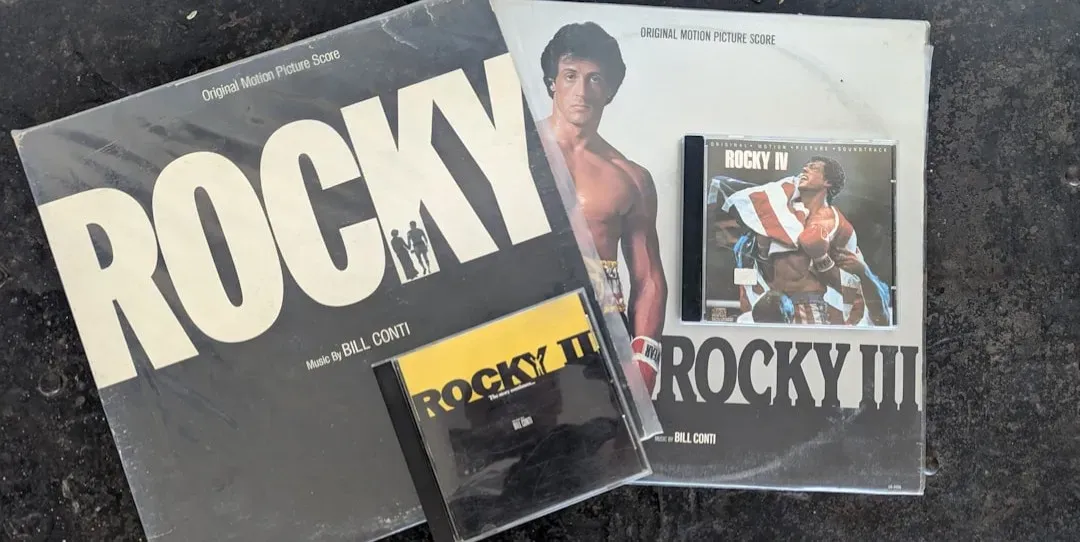
After decades of diminishing returns following the Rocky and Rambo franchises’ original success, Stallone’s career had settled into a pattern of straight-to-video action films by the mid 2000s. His 2006 film Rocky Balboa was a modest but well received attempt to close out the character with dignity. The real reinvention came later with 2015’s Creed, a spinoff that recast Stallone as a mentor figure and earned him an Academy Award nomination decades after his original nomination for the first Rocky film.
The gap between his two Oscar nominations for playing the same character spans nearly forty years, a rare occurrence in film history. Stallone continued the role in subsequent Creed films, showing that a legacy character can still generate fresh critical interest when handled thoughtfully. It’s a comeback built less on a sudden reinvention and more on patient, decades-long stewardship of a role he clearly still cared about.
Tom Cruise and the Top Gun Maverick redemption
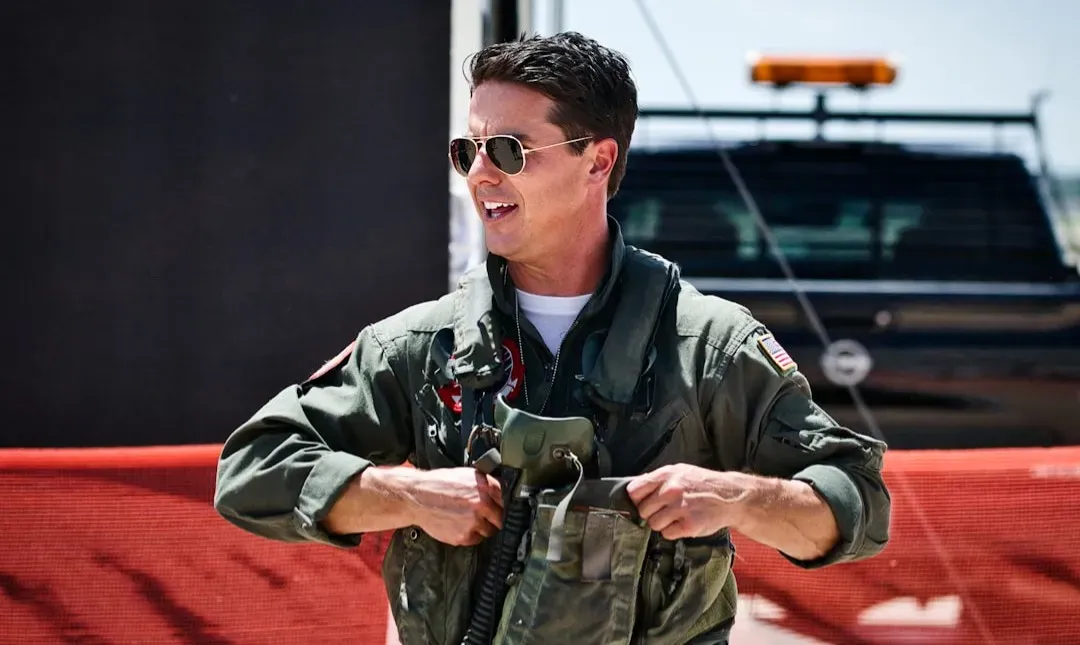
Cruise’s public image took a hit in the 2000s following a series of controversial media appearances, and by the 2010s some questioned whether his brand of action stardom still resonated with younger audiences. The 2022 release of Top Gun: Maverick, delayed multiple times by the pandemic, became a defining moment for both Cruise and the broader film industry as theaters recovered from years of disruption. The film grossed well over a billion dollars worldwide and was widely credited with helping restore confidence in theatrical moviegoing.
Critics and audiences alike praised the film for balancing nostalgia with genuinely well crafted aerial action sequences, much of it filmed practically rather than through heavy visual effects. The success reaffirmed Cruise’s reputation as one of the last true movie stars capable of drawing massive crowds to a single film. Coming after years of uneven box office results for his other projects, Maverick stood as a clear reminder of what made him a leading man in the first place.