The bass drops. Crowds surge. For a few glorious days, thousands gather to celebrate music, community, and culture. Yet beneath the spectacle of flashing lights and headlining acts lies a less celebrated reality: music festivals leave behind a serious environmental legacy. From towering waste piles to massive carbon emissions, the ecological cost has become impossible to ignore. Here’s the thing: festivals don’t have to be this way. Over the past few years, organizers across the globe have begun rethinking how these temporary cities operate, and the results tell a compelling story about what’s possible when creativity meets consciousness.
The Scale of the Problem: Understanding Festival Emissions


Let’s be real about the numbers. According to a 2024 report by the US-based NGO Seaside Sustainability, the average music festival produces around 500 tons of carbon emissions over three days, which translates to roughly 5kg of CO₂ per attendee per day. That might not sound like much until you consider festivals drawing tens of thousands of fans.
In the US during 2019, music festivals were responsible for producing 53,000 tons of waste. Meanwhile, the UK alone generated an estimated 23,500 tonnes of waste from music festivals each year, equivalent to about 78 fully loaded Boeing 747 airplanes. Transportation dominates these figures. For UK festivals, transportation constitutes up to 80% of total emissions, with the majority of attendees arriving by car rather than public transport.
Glastonbury’s Renewable Energy Revolution


Glastonbury Festival has become something of a blueprint for sustainable event management. In 2023, the festival announced that all its power needs were met by renewable energy and fuels, eliminating fossil-based sources entirely. This wasn’t just greenwashing. All generators across the 900-acre site, including those powering the iconic Pyramid Stage, operated on renewable, palm oil-free HVO fuel made from waste cooking oil.
The festival’s commitment extends beyond fuel swaps. Back in 2010, Worthy Farm installed 1,316 solar panels on its cattle shed roof, generating 205,700kWh annually. Most recently in 2023, organizers installed a 28-metre wind turbine at the heart of the festival, which can produce enough power for hundreds of appliances. The festival has also planted over 10,000 trees locally since 2000, which now absorb around 800 tonnes of greenhouse gas emissions annually. Honestly, that’s the kind of long-term thinking that separates genuine action from feel-good rhetoric.
Tackling the Waste Crisis Through Smart Management

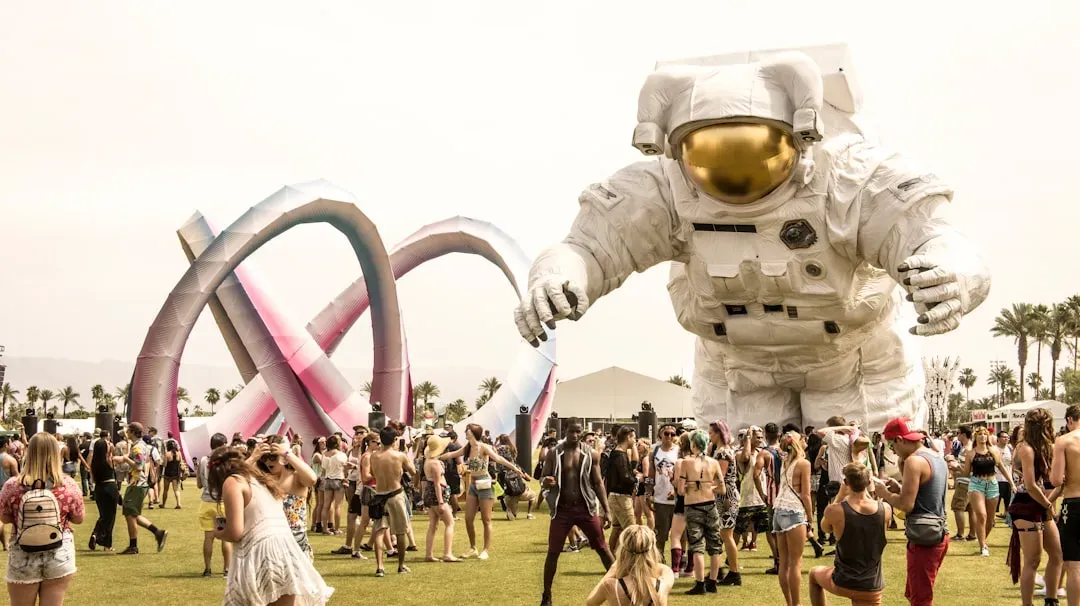
Waste is where festivals truly show their environmental cards. Coachella draws in an average of 125,000 attendees per day, and estimates from 2021 suggested the event produced up to 1,600 tonnes of waste, with only 20% being recycled. The contrast with other festivals is striking. In 2024, Coachella implemented a comprehensive waste diversion strategy that composted and recycled 616,278 pounds, showing progress but still leaving room for improvement.
Glastonbury distributes more than 12,000 bins across the site, separating rubbish into biodegradable food waste, non-biodegradable waste, and cans and bottles. The festival’s temporary recycling center, built into a barn behind the scenes, features conveyor belts for sorting. Shambhala Music Festival in Canada has implemented comprehensive waste diversion programs, resulting in over 95% of waste being diverted from landfills. Meanwhile, CaliRoots Festival in 2023 diverted a staggering 94% of its waste from landfill.
The Single-Use Plastic Battle
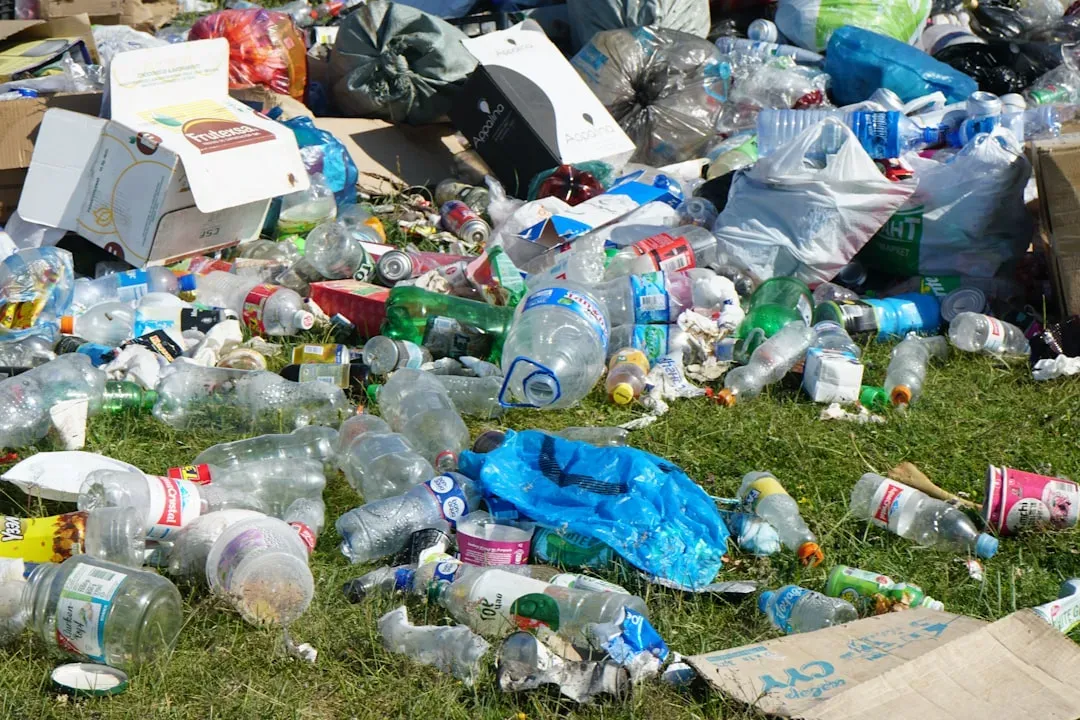
Glastonbury banned single-use plastic drinks bottles in 2019 and disposable vapes in 2023. That decision eliminated the sale of over a million plastic bottles annually at the event. The shift wasn’t purely symbolic. CaliRoots Festival has avoided using over 1.5 million single-use plastic items, celebrated with live water refill counters that track milestones in real time.
Other festivals have followed suit with creative approaches. Denmark’s Roskilde festival revamped drink service by selling reusable plastic cups that festivalgoers could bring back for refills. Each cup could be washed up to 25 times, and the return rate reached around 92%. It’s hard to argue with results like that. Amsterdam’s DGTL Festival eliminated plastic cups entirely, opting for durable reusable cups and going cashless, achieving zero grams of waste per visitor in 2022.
Partner offer

Transportation: The Elephant in the Festival Grounds

Getting people to and from festivals remains the toughest nut to crack. In 2019, about 40% of Glastonbury attendees travelled by bike or public transport, leaving roughly 126,000 people who likely arrived by car. The majority of Coachella’s emissions come from travel, a pattern also observed in the UK where up to 70% of music festival emissions come from attendees arriving by car.
Festival organizers have tried various incentives with mixed results. Coachella’s Carpoochella initiative encourages carpooling with incentives such as VIP upgrades and merchandise discounts, though reports suggest participation remains inconsistent. At Primavera Sound in Spain, over 80% of attendees use public transport or bikes for transportation, proving that location and infrastructure matter enormously. Private jets remain a controversial issue, with reports emerging that numerous Coachella performers in 2023 including BLACKPINK and Frank Ocean used private jets to reach the site.
Innovative Energy Solutions Taking Center Stage

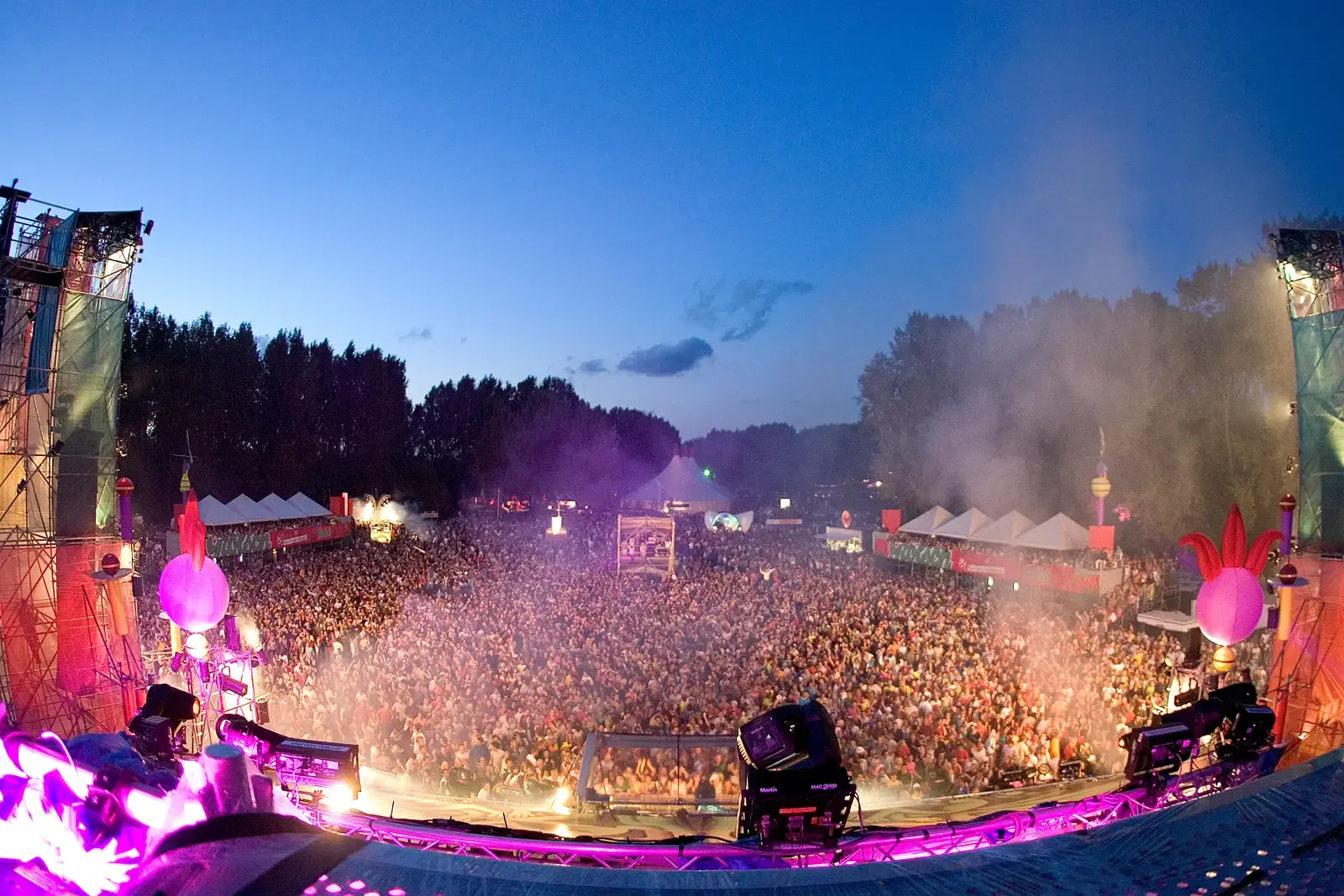
Solar power has emerged as a game-changer for forward-thinking festivals. Entire stages at CaliRoots are powered by solar panels, reducing reliance on fossil fuels. Multiple American festivals including Lightning in a Bottle, Bonnaroo, and Lollapalooza use biodiesel or solar panels to power their stages. The technology keeps improving, making implementation more feasible for events of all sizes.
In 2024, Ireland’s Electric Picnic became one of the first major European festivals to power its main stage with a direct grid connection using 100% renewable electricity. Mysteryland in the Netherlands now generates 80% of its power from renewable sources, connected to solar panels on a local farm. Coldplay’s Music of the Spheres World Tour pioneered kinetic dancefloors that generated energy from ravers dancing, later adapted at Coachella’s Heineken House to help power charging stations.
Future Strategies: Circular Economy and Zero Waste Models

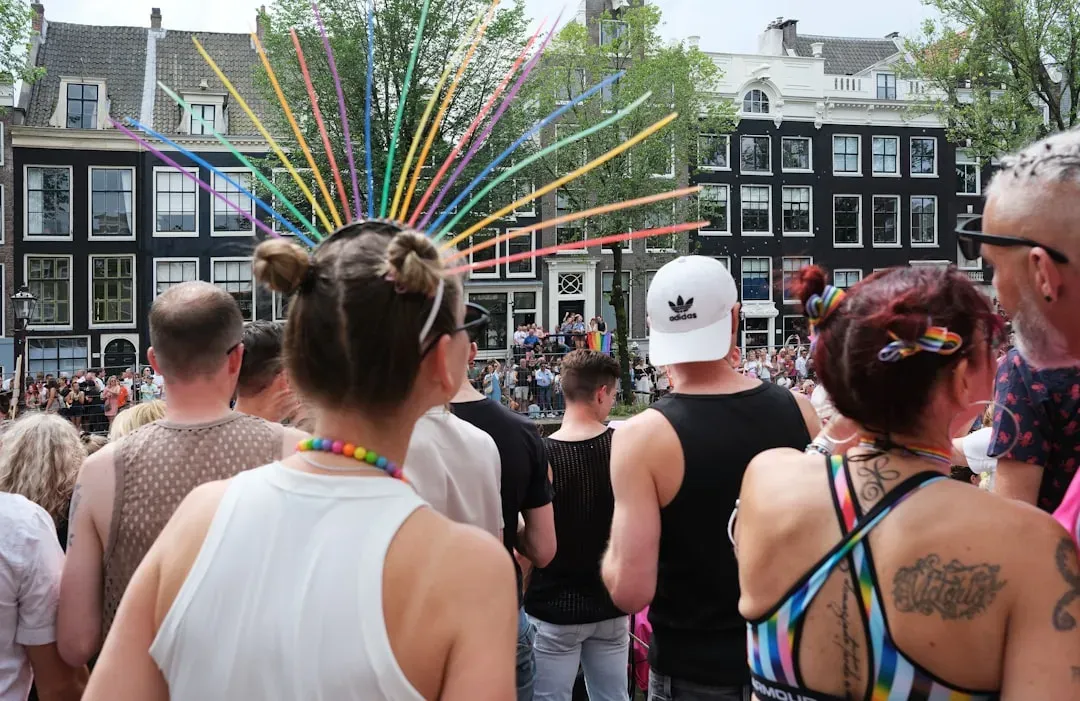
Amsterdam’s DGTL Festival became the first circular festival in the world in 2019, implementing a material flow analysis system that tracks exactly when resources enter and exit. The festival abandoned hidden waste collection areas in favor of a “Resource Street” featuring a recycling center and a pyrolysis machine that transforms bottle caps into crude oil for producing recycled plastic.
The circular model offers a roadmap for others. According to A Greener Festival, the average festival emits about five kilograms of CO2 per day per attendee, with waste production at 0.7 kilograms per person during the average festival stay, increasing to 1.92 kilograms if camping is involved. Closing those material loops through reuse and repurposing cuts both waste and emissions simultaneously.
Conclusion: The Festival of Tomorrow


Music festivals stand at a crossroads. They can continue as temporary cities leaving behind environmental damage, or they can evolve into laboratories for sustainable living that prove large gatherings and ecological responsibility aren’t mutually exclusive. The past decade of action shows the latter is entirely achievable. From Glastonbury’s renewable energy leadership to DGTL’s circular economy model, festivals worldwide are demonstrating that sustainability enhances rather than diminishes the experience.
Transportation remains the biggest challenge, requiring infrastructure changes beyond any single organizer’s control. Yet even here, incentives for public transport, carpooling rewards, and strategic venue selection are making measurable differences. The key insight from reviewing these efforts? Sustainability isn’t one big solution but hundreds of smaller decisions compounding over time: reusable cups, solar panels, waste sorting, local food sourcing, artist commitments, and fan engagement all contribute to the larger picture. As the climate crisis intensifies, festivals have an opportunity to model what collective action looks like. After all, if tens of thousands can gather to celebrate music, surely they can also celebrate the planet hosting the party. What do you think: will your next festival experience be powered by the sun?
Partner offer
Planning a trip to Vegas?
Compare hotel rates and show tickets on VEGAS.com.