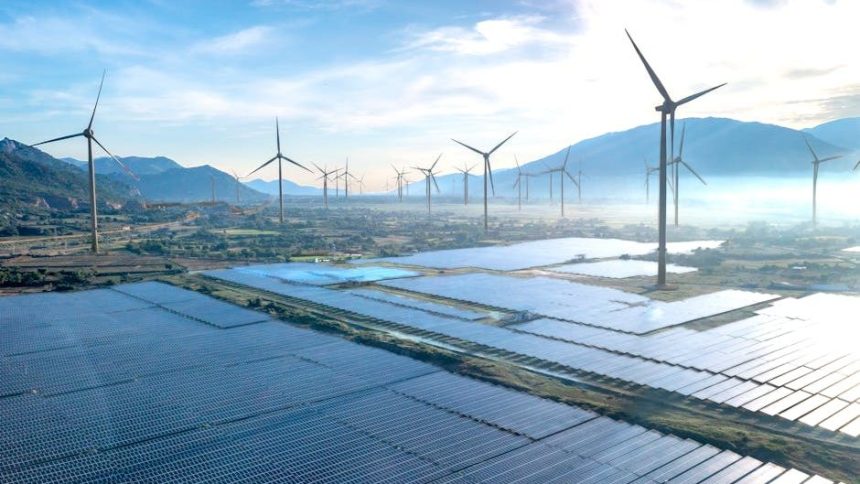
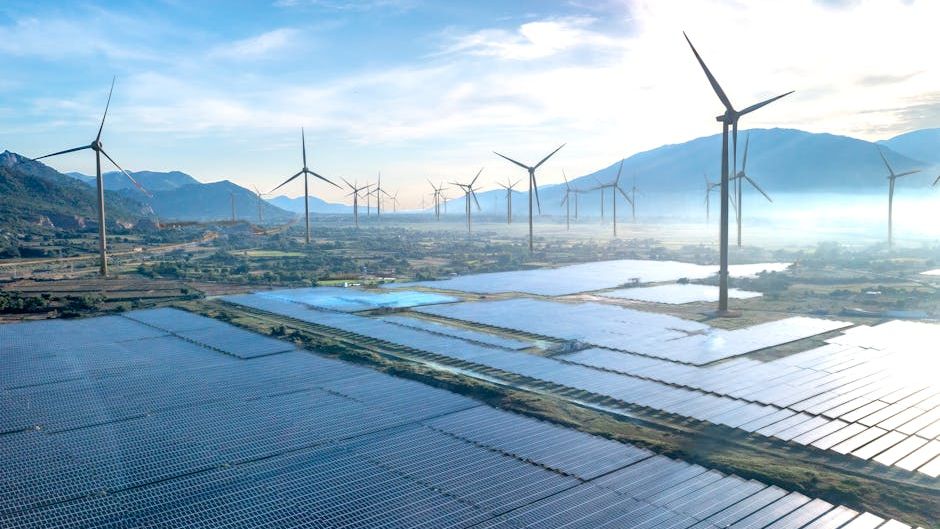
24/7 renewables could happen sooner than you think – Image for illustrative purposes only (Image credits: Pexels)
Communities that depend on consistent electricity for homes, hospitals, and factories stand to gain the most as renewable projects overcome their long-standing limits on availability. Falling technology costs and growing industry experience now make it feasible to build large-scale facilities that deliver power without interruption. These developments shift the conversation from whether renewables can replace fossil fuels to how quickly they can do so reliably.
Why Intermittency No Longer Blocks Progress
Renewable sources have long faced criticism for producing power only when the sun shines or the wind blows. That limitation is losing force as developers combine resources in single locations. Projects sited in areas with strong solar and wind potential can balance output across day and night cycles.
Lower equipment prices play a central role. Solar panels and turbines cost far less than they did a decade ago, which improves the economics of oversized installations. Companies can now afford to build extra capacity that covers periods of low generation without raising overall expenses beyond competitive levels.
Business Moves That Accelerate the Shift
Energy firms and large corporations are already signing contracts for these hybrid facilities. The approach reduces reliance on backup generators or grid imports during calm or cloudy stretches. Investors see clearer returns because the projects produce more predictable revenue streams than single-source renewable plants.
Utilities benefit from reduced need for expensive peaker plants that run only during peak demand. Governments gain a practical path toward emissions targets without sacrificing grid stability. Consumers may eventually see steadier rates as supply becomes less vulnerable to fuel price swings.
Partner offer
What Changes for Key Stakeholders
The transition affects several groups in distinct ways:
- Power companies gain tools to meet clean-energy mandates while maintaining reliability standards.
- Industrial users secure long-term contracts that protect against sudden price spikes.
- Local economies in sunny or windy regions attract new construction jobs and tax revenue.
- Grid operators face simpler planning once output patterns become more consistent.
These shifts do not happen overnight. Regulatory approvals and transmission upgrades still require time, yet the financial case grows stronger each year.
Timeline and Remaining Hurdles
Industry analysts expect the first wave of these megaprojects to reach commercial operation within the next five to seven years. Early examples already under development demonstrate that combining solar, wind, and modest storage can achieve high capacity factors. Full 24/7 coverage will likely require further advances in batteries or other balancing technologies.
Policy support remains important. Clear rules on grid access and fair compensation for excess generation help projects move forward. Without those frameworks, progress could slow even when the technology works.
Households and businesses ultimately feel the difference through more dependable service and lower long-term costs. The question now centers on how fast permitting and infrastructure can keep pace with the improving economics.
Partner offer
Planning a trip to Vegas?
Compare hotel rates and show tickets on VEGAS.com.