There was something almost ritualistic about it. You’d climb into the back seat of your parents’ car, maybe a wood-paneled station wagon or a rust-spotted Impala, and before the engine even turned over, someone was sliding a tape into the 8-track player. The music that came out of those car speakers in the 1970s wasn’t just background noise. It was the soundtrack to every road trip, every errand, every slow Sunday drive.
More often than not, 8-track players were installed in new cars in the 1970s, and the albums people chose to keep on hand said something about who they were. A handful of records showed up so consistently, in so many cars, that they might as well have come standard with the vehicle. Here are the eight that almost everyone had.
1. Fleetwood Mac – Rumours (1977)
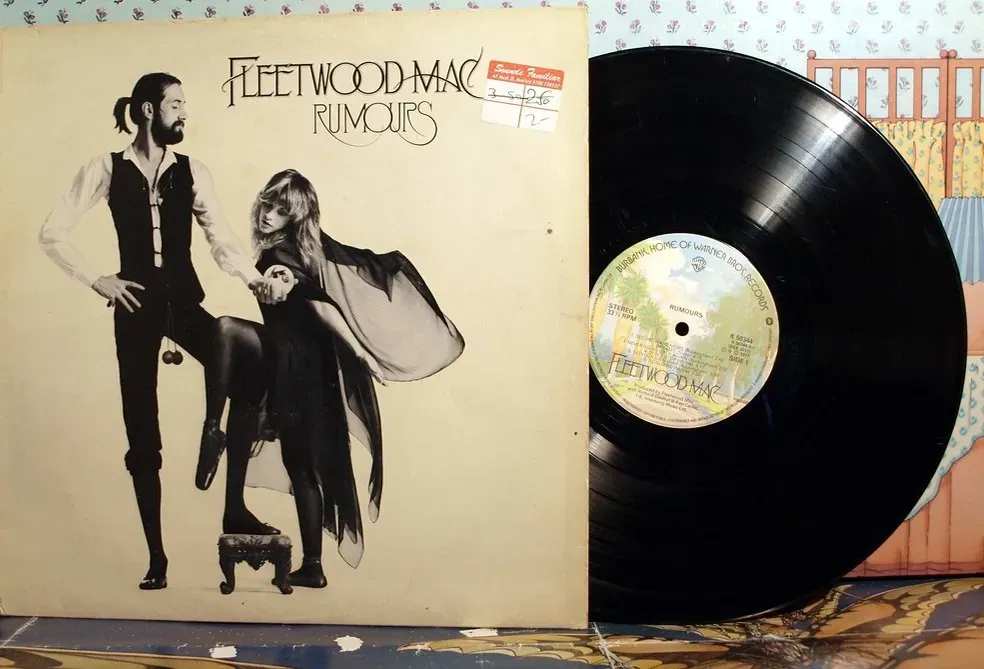
Few albums have ever matched the sheer cultural saturation of Rumours. It is the eleventh studio album by Fleetwood Mac, largely recorded in California in 1976, with the recording sessions taking place as the band members dealt with breakups with one another and struggled with heavy drug use. That personal chaos translated directly onto the record, producing something raw, polished, and impossible to ignore.
Rumours reached number one on the Billboard chart in April 1977 and remained on top for a whopping 31 weeks. It won the Grammy Award for Album of the Year in 1978 and to date has sold over 40 million copies worldwide, making it one of the best-selling albums of all time. If you grew up in the late ’70s, this one was simply everywhere.
2. Pink Floyd – The Dark Side of the Moon (1973)
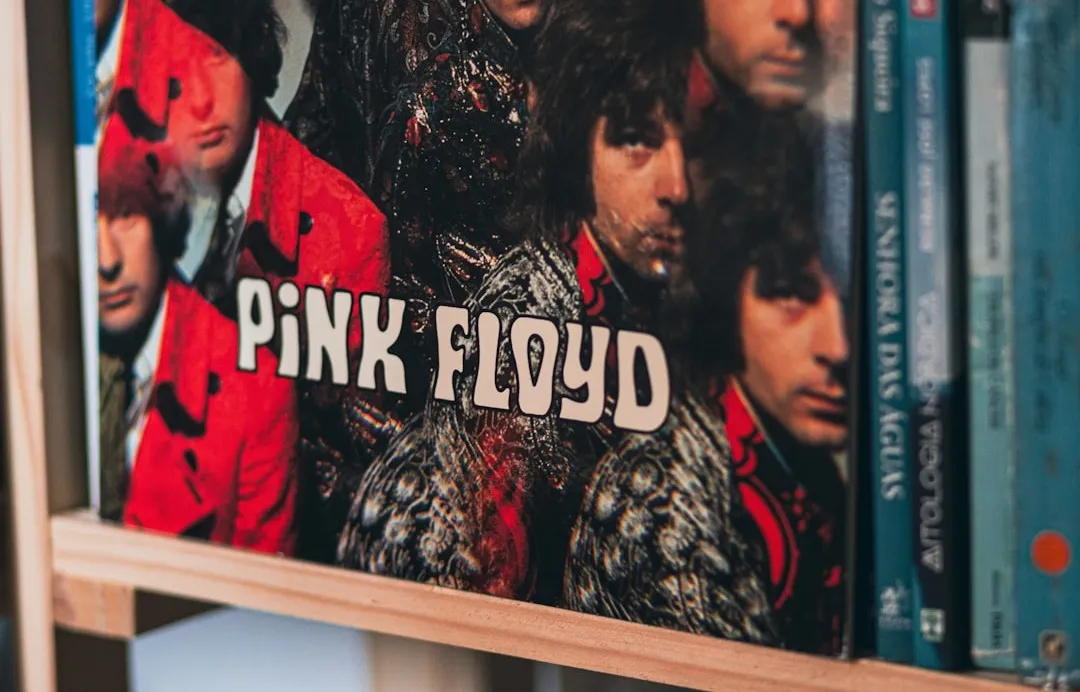
No other album quite captures what it felt like to drive at night with the windows down. Released in 1973, Pink Floyd, which the Recording Industry Association of America ranks 10th overall in U.S. sales, released one of the best-selling records of all time in 1973 with The Dark Side of the Moon. Its blend of ambient textures, melodic rock, and philosophical undertones made it the thinking driver’s constant companion.
As of February 2020, The Dark Side of the Moon had spent a total of 949 weeks on the Billboard 200 chart. No other album has matched that feat. If you add all those weeks together, Dark Side had charted for a combined 18 years and three months. That kind of endurance is almost incomprehensible, and it started right there in the decade of the 8-track.
3. Led Zeppelin – Led Zeppelin IV (1971)
It has no official title on the cover. Just four mysterious symbols. Yet officially known as Led Zeppelin IV, with “Stairway to Heaven” at its center, it is one of the most influential rock albums ever, and vinyl sales of this record are enormous and continue to grow year after year. In the ’70s, there was barely a car on the highway that didn’t have this one floating somewhere on the back seat.
Led Zeppelin IV is an album that never hit number one in America but sold tremendously anyway. That fact alone says something remarkable about its word-of-mouth power. The record is home to “Stairway to Heaven,” “Black Dog,” and “When the Levee Breaks,” among much more. It was the kind of album you listened to start to finish, which made it a natural fit for long drives.
4. The Eagles – Hotel California (1976)

If the ’70s had one definitive rock album, a strong argument can be made for this one. Hotel California is the Eagles’ best-known album and one of the best-selling records of all time. The title track is a classic, and the album as a whole is still massively purchased on vinyl. The combination of sleek production, memorable guitar work, and instantly recognizable songs made it nearly impossible to escape, not that anyone wanted to.
Hotel California by the Eagles breaks into the top five best-selling albums of all time, and the Eagles’ classic even takes the crown as the top album of the 1970s, beating out tough competition. That competition included some of the biggest records ever made, which gives you a sense of just how far this album reached.
Partner offer
5. Peter Frampton – Frampton Comes Alive! (1976)

The joke in later years was that you couldn’t grow up in the suburbs without being handed a copy. It was the best-selling album of 1976 and has sold over 8 million copies in the United States alone. For a live double album by a British guitarist who had previously been a relatively modest commercial act, that kind of breakthrough was genuinely staggering.
On April 10, 1976, Frampton sensationally found himself at number one, as Frampton Comes Alive wrested the top spot from the Eagles’ Greatest Hits compilation to spend a total of ten weeks at the summit. The album produced three hit singles: “Baby, I Love Your Way,” “Do You Feel Like We Do,” and “Show Me the Way,” and the talk box guitar effect became closely associated with Frampton due to its use in two of those singles. It was the rare live record that felt better on tape than in a concert hall.
6. Elton John – Goodbye Yellow Brick Road (1973)
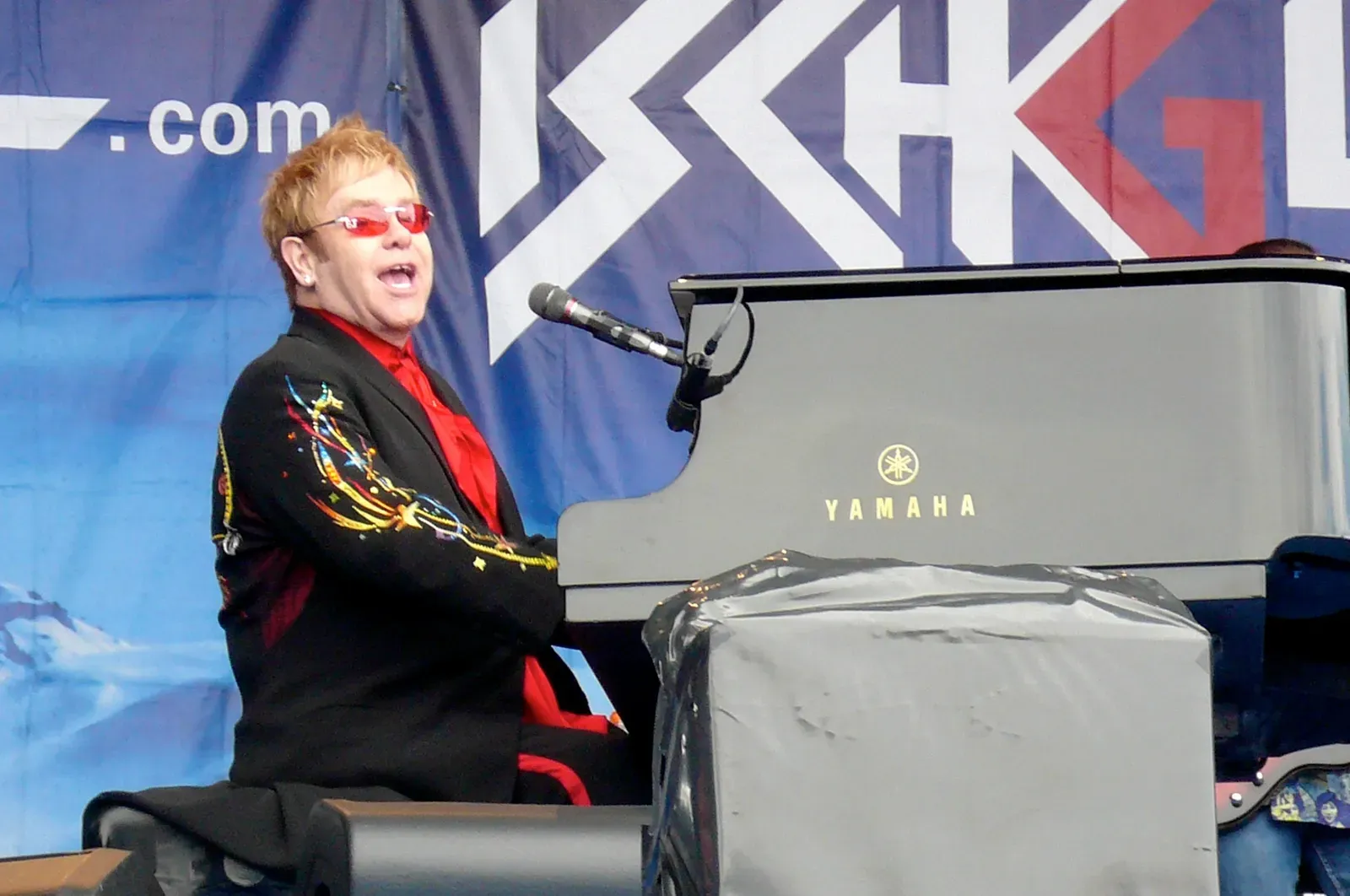
Elton John released records so frequently in the early ’70s that it was hard to keep up. This one, though, stopped everyone in their tracks. Released on October 5, 1973, this album was the second studio project John released that year, and his seventh in five years. And it was a double album. The sheer ambition of it was breathtaking, and somehow it lived up to the ambition entirely.
Elton John was already a success by the time he released his seventh studio album, but the multiplatinum chart-topping Goodbye Yellow Brick Road elevated him from star to icon. From front to back, the double album delivered some of the most impressive material of his career. It remains his most commercially successful album, having sold more than 20 million copies around the globe. In the car, it was a complete world unto itself.
7. Bee Gees – Saturday Night Fever Soundtrack (1977)
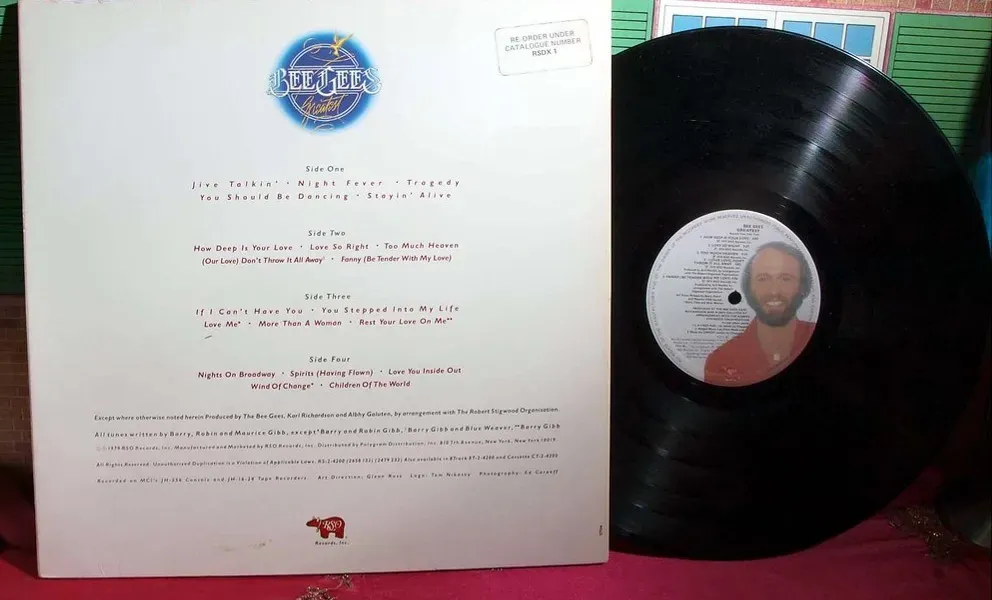
Disco gets mocked in retrospect, but the numbers don’t lie. The Saturday Night Fever soundtrack topped the all-decade list with over 66 million copies sold worldwide, making it one of the biggest-selling albums of any era. The Bee Gees had already been a successful act for years before this moment, but this soundtrack turned them into something closer to a phenomenon.
The album arrived at the exact cultural intersection of film, fashion, and music, and it owned the car stereo for the better part of two years. Hotel California by the Eagles, Saturday Night Fever by the Bee Gees, Michael Jackson’s Bad, and Rumours by Fleetwood Mac all break into the all-time global top five albums. Putting Saturday Night Fever in that company makes perfect sense to anyone who remembers the summer of 1977.
8. Carole King – Tapestry (1971)
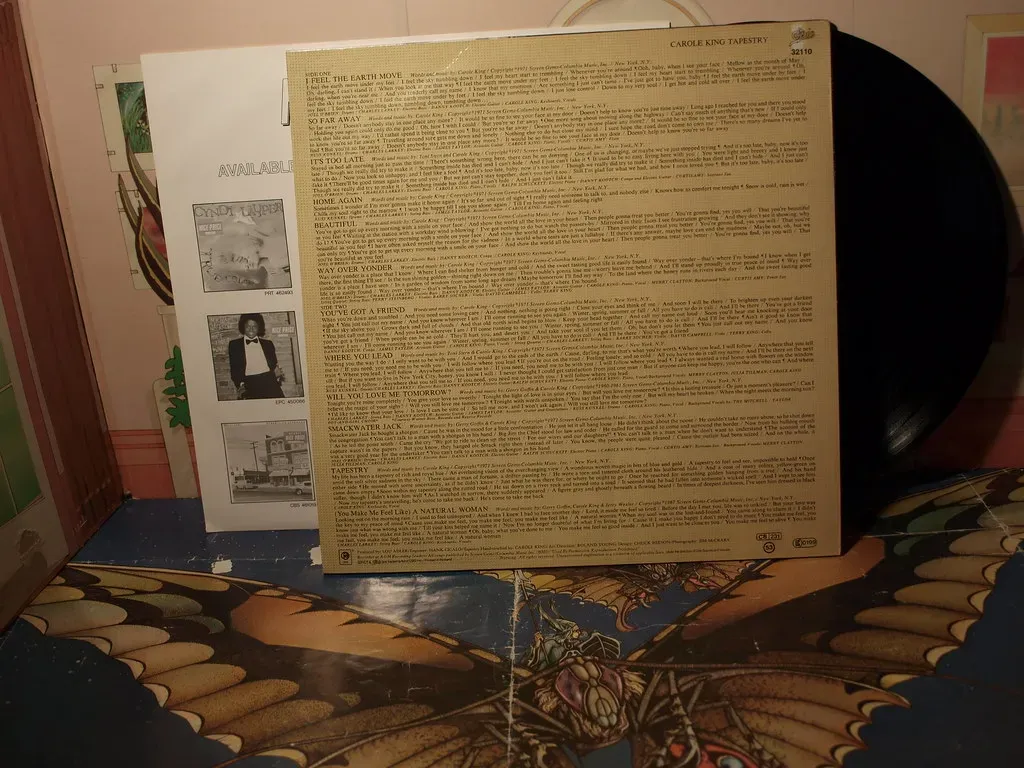
Before any of these other albums shattered records, Tapestry was the benchmark. Frampton Comes Alive bounced around the top ten for much of 1976, eventually selling more than six million copies and breaking Carole King’s long-standing sales record for Tapestry. The fact that Frampton’s team measured success against Tapestry tells you everything about its stature in the early part of the decade.
Tapestry was the kind of album that crossed generational lines and genre preferences in a way almost no record had managed before. Its 1971 release gave listeners a confessional singer-songwriter record that felt both deeply personal and entirely universal. It sat in glove compartments, on dashboards, and in back seats across America for years. Of all the albums on this list, it may be the one that reminds the most people of the quiet, unguarded moments of their childhood.
What makes this particular collection of records so interesting, viewed from 2026, is how durable they’ve all turned out to be. These weren’t just popular albums. They were companions. They shaped how millions of people understood music, emotion, and the simple pleasure of going somewhere with a good song playing. Some things about the ’70s haven’t aged well. These records mostly have.
Partner offer
Planning a trip to Vegas?
Compare hotel rates and show tickets on VEGAS.com.