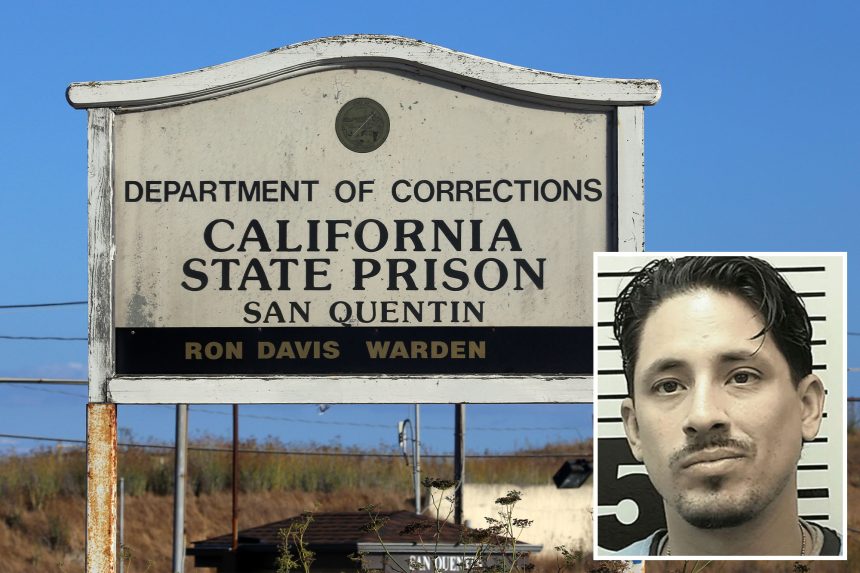
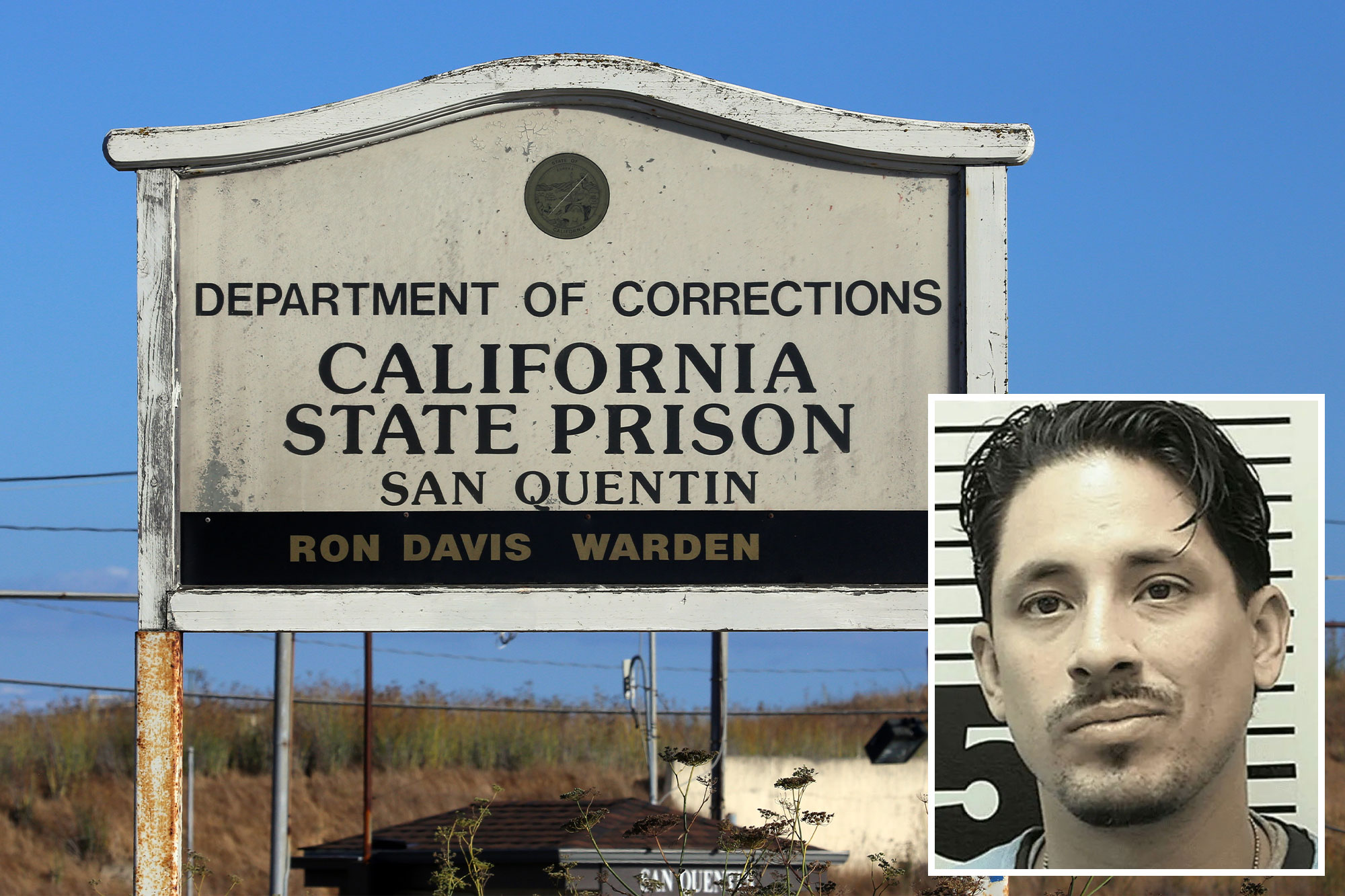

A Predator’s Calculated Intrusion (Image Credits: Nypost.com)
San Francisco – A convicted rapist who invaded a woman’s home and assaulted her in her sleep faces release from prison after serving only 11 years of a life term, prompting widespread condemnation.[1]
A Predator’s Calculated Intrusion
In 2013, Roberto Detrinidad targeted a local bartender in her San Francisco apartment. He broke in with clear intent, sodomizing the victim as she slept. Authorities arrested him the following year, and a court imposed a life sentence for the residential burglary and rape.[1]
Detrinidad later confessed to his premeditated scheme during a parole hearing. “I started a plan that if I could get in there, have my way with her and get away, that was my plan,” he stated. The attack shattered the woman’s life; she lost her sense of safety and eventually fled the city. Such vulnerability in one’s own home underscored the crime’s profound violation.[1]
Parole Granted Amid Unresolved Treatment
On January 6, 2026, parole commissioners Michael Ruff and Cristina Guerrero approved Detrinidad’s release from San Quentin State Prison, set for May. They concluded he posed no unreasonable risk to society. Yet, records showed he had not finished required sex-offender programming, raising questions about rehabilitation.[1]
Ruff acknowledged the offense’s gravity in their ruling. “Our decision in no way excuses his behavior in the life offense where he acknowledges that his actions affected the victim for a significant period of time,” he noted. Detrinidad, who is HIV-positive, benefited from accumulated good behavior credits. This outcome highlighted tensions between mercy and accountability in California’s justice system.
Partner offer

Prosecutorial Backlash and Victim’s Plea
Sacramento District Attorney Anne Marie Schubert led the charge against the parole. She demanded answers on releasing untreated violent offenders. “Why is California releasing violent sex offenders before they’ve even completed serious treatment for the crimes that put them in prison,” she declared in a statement.[1]
The victim echoed these fears during the hearing. “I don’t know if that’s something that I’m ever going to get back,” she said of her security. She expressed doubt about his remorse and predicted further danger: “I don’t believe that he’s remorseful and I don’t think he’s going to stop.” Her testimony painted a picture of enduring trauma.
Expanded Policies Fuel the Controversy
California Governor Gavin Newsom’s administration has broadened good behavior programs, accelerating releases for inmates like Detrinidad. These initiatives earned him credits that slashed his effective time served. Critics argue such measures prioritize prison population control over public protection.[1]
The COVID-19 era amplified concerns. State corrections freed nearly 15,000 inmates early, but about 4,600 later returned for new crimes. This recidivism rate fueled debates on policy effectiveness.
- Good behavior credits reduced sentences significantly.
- Proposition 57 enabled earlier parole eligibility.
- Pandemic protocols accelerated thousands of releases.
- Unfinished therapy programs persisted as a red flag.
- Commissioners weighed risk despite victim opposition.
Key Takeaways
- Detrinidad serves 11 years of life for 2013 rape, aided by credits under Newsom-era expansions.
- Parole ignores incomplete sex-offender treatment, per DA objections.
- Victim fears ongoing threat; pandemic releases saw high recidivism.
California’s parole practices now stand at a crossroads, balancing reform with the raw pain of victims like the San Francisco bartender. Releasing high-risk offenders without full rehabilitation risks repeating cycles of violence. What do you think about this decision? Tell us in the comments.
Partner offer
Planning a trip to Vegas?
Compare hotel rates and show tickets on VEGAS.com.