


Fame in the music industry tends to come with an assumed set of props: private jets, sprawling estates, closets full of designer labels. Yet a surprising number of chart-topping artists have quietly built fortunes while keeping their day-to-day habits almost ordinary. Some grew up with very little and never fully shook the instinct to watch their spending, while others simply decided that stacks of cash don’t need to translate into stacks of stuff.
The following seven musicians have sold millions of records, filled arenas, and in some cases amassed net worths that would make most people dizzy. Still, their actual lifestyles tell a different story than the one fans might picture.
Dave Grohl still drives like it’s the 1990s

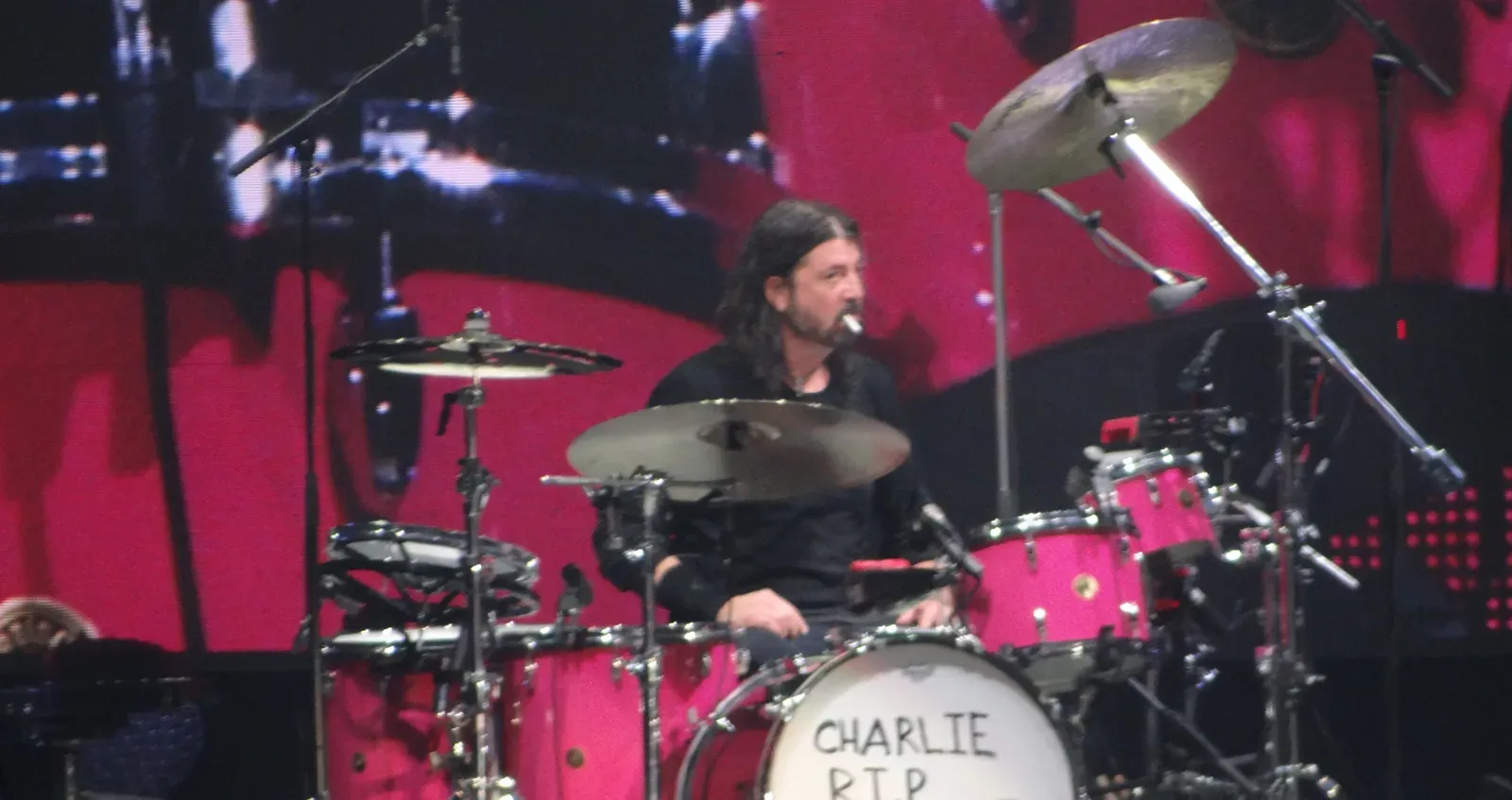
The Foo Fighters frontman built his fortune first as Nirvana’s drummer and later as one of rock’s most durable bandleaders, with estimates placing his net worth at $330 million, amassed through his successful music career, royalties, and touring. Despite that kind of money, he’s known for a relatively modest lifestyle, focusing on family and music over extravagant displays of wealth.
His home life reflects the same restraint. Grohl and his family are focused on saving their money and not spending it frivolously, and currently reside in a somewhat modest home in Encino, California. He’s also spoken about banking most of what he earns rather than spending it, once joking in a since-removed interview that “it goes straight into my bank account, where it turns all moldy and smelly.”
Ed Sheeran budgets like a student

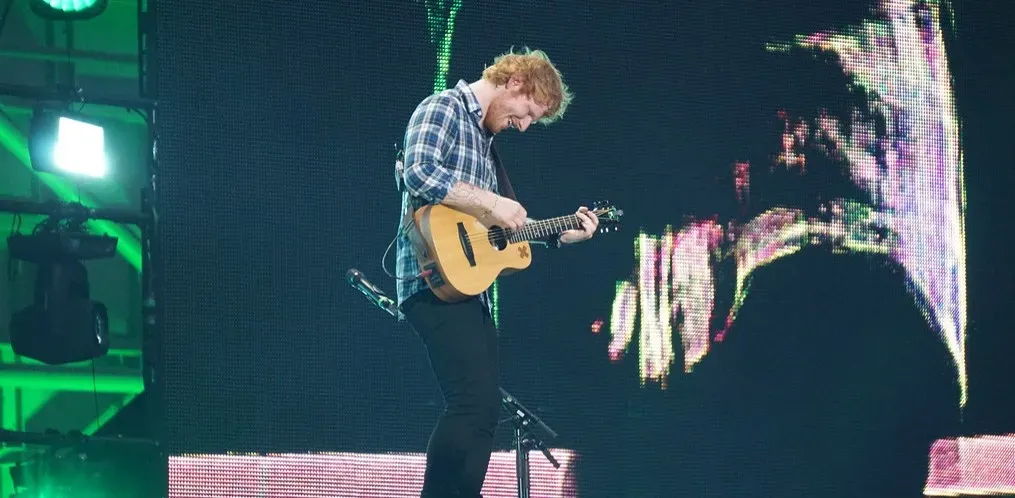
Few examples of musician frugality are as well documented as Ed Sheeran’s. At the height of his early fame, he was known to lead a very modest life, living off a surprising $1000 a month. He kept the arrangement deliberately simple, explaining that he continued using his Barclays student account in fear of overspending, since he hadn’t upgraded because he didn’t spend much money.
Sheeran isn’t hoarding cash out of anxiety, though. He’s built a substantial property portfolio, owning an enormous property portfolio of 27 properties, worth around $86 million altogether, all purchased outright rather than financed. When it came to personal indulgence, he mostly stuck to one splurge, treating himself to just one vehicle when he made it big: an Aston Martin DB9, rather than a garage full of exotic cars.
Paul McCartney never developed expensive tastes

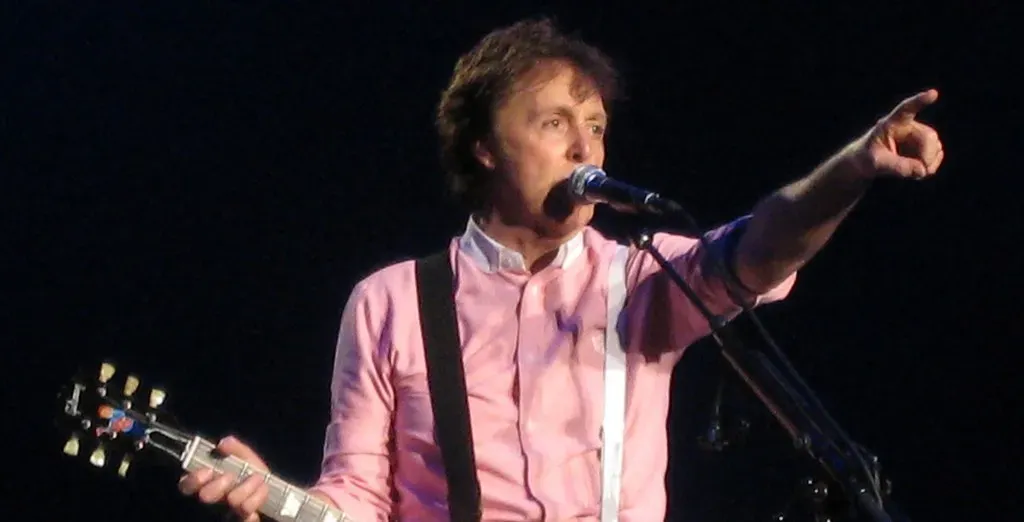
Few musicians have earned more over a longer stretch of time than Paul McCartney, whose songwriting catalog and touring history place him among the wealthiest performers alive. Even so, he has often been described as practical and cautious with spending despite his enormous fortune, a trait that seems to have followed him since his working-class Liverpool upbringing.
That practicality shows up less in flashy headlines and more in the absence of them. McCartney rarely makes news for extravagant purchases the way many performers of his stature do, and biographers have repeatedly noted that his instinct toward caution with money has stayed remarkably consistent across six decades of superstardom. For an artist who could buy almost anything, the more notable story is what he hasn’t bought.
Ben Gibbard’s household ran on a surprisingly ordinary budget

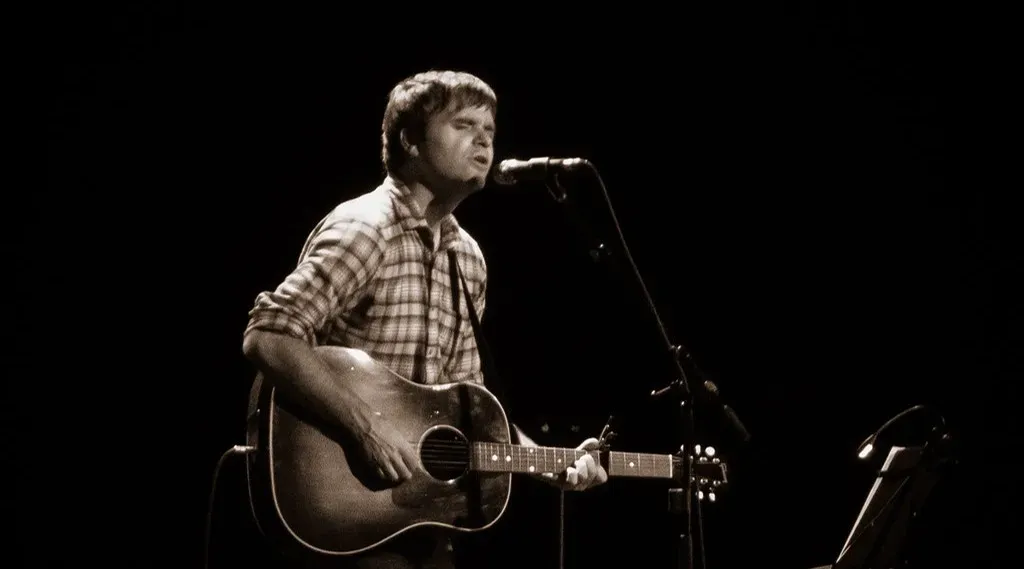
Death Cab for Cutie frontman Ben Gibbard isn’t typically the first name that comes up in conversations about celebrity wealth, which is partly the point. Financial details became unusually public when his marriage to actress Zooey Deschanel ended, since court papers from her 2012 divorce from musician Ben Gibbard became available to the public and revealed a household budget far less extravagant than fans might assume for a couple with two successful entertainment careers.
Gibbard has built a long, respected career fronting an indie rock band that found mainstream success without leaning on arena-scale spectacle. His financial habits appear to reflect the same understated approach he brings to songwriting: steady, unshowy, and more concerned with craft than optics. It’s a reminder that not every successful musician’s finances match the assumptions people make about entertainment-industry marriages.
Dolly Parton keeps her roots closer than her riches

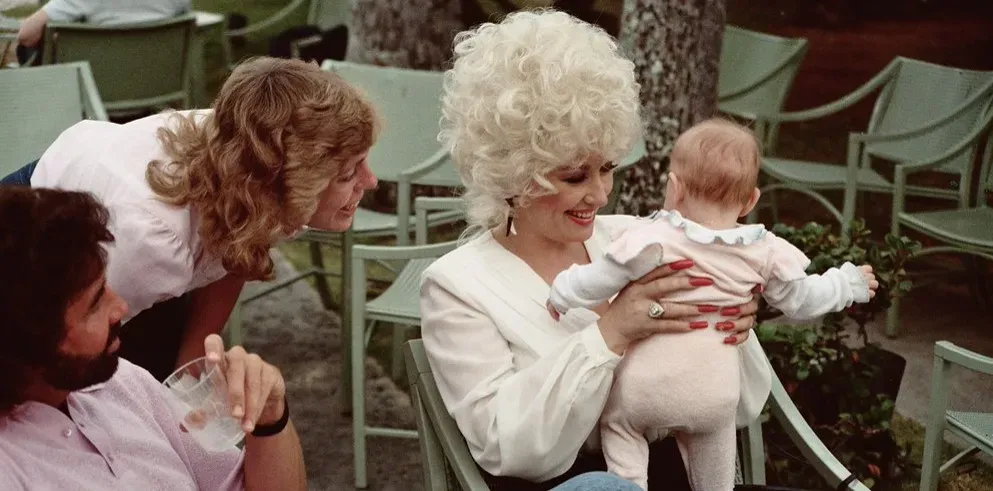
Dolly Parton has spent decades as one of country music’s most recognizable and commercially successful figures, yet she’s consistently described as staying grounded. Reports note that she maintains down-to-earth personality traits while prioritizing charitable giving, staying connected to a simple upbringing despite decades of country music stardom.
Much of her fortune gets funneled into philanthropic projects rather than personal excess, including literacy initiatives and disaster relief efforts in her native Tennessee. Parton has built an empire around Dollywood and her music catalog, but her public image has remained tied to humility rather than opulence. For an artist whose brand is partly built on larger-than-life glamour on stage, the private version reportedly looks far plainer.
James Righton chose a quiet wedding over a rock star spectacle

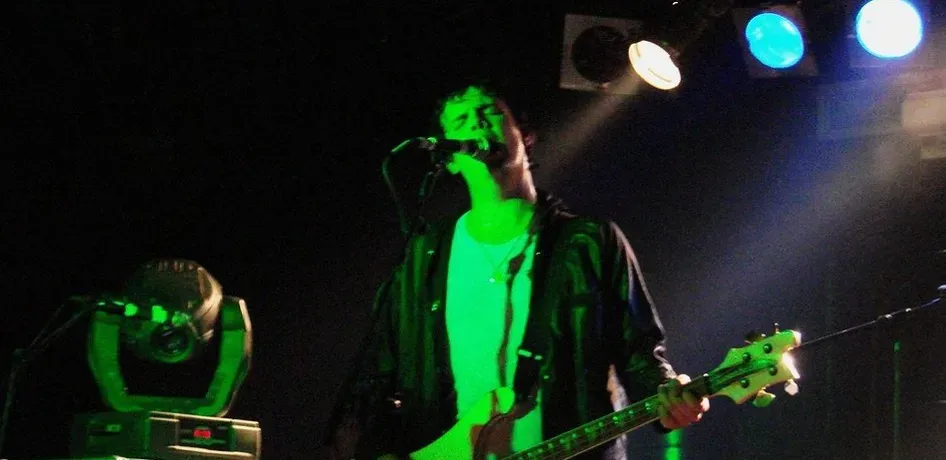
As keyboardist for the electronic band Klaxons, James Righton built a career in a genre known for excess, yet his most publicized life decision went the opposite direction. When he married actress Keira Knightley, the couple opted for a very simple, low key wedding with 11 guests at the ceremony and 50 at the reception, a guest list that would look modest even for a mid-level office party, let alone two working entertainers.
The pair reportedly skipped the usual trappings that come with celebrity weddings, favoring privacy and simplicity over spectacle. It’s a small but telling detail about how some musicians who operate in flashy scenes still make deliberately low-key choices in their personal lives. Righton has largely stayed out of tabloid wealth narratives, which for a musician married to a Hollywood actress is itself somewhat unusual.
Sarah McLachlan built wealth without chasing pop-star scale

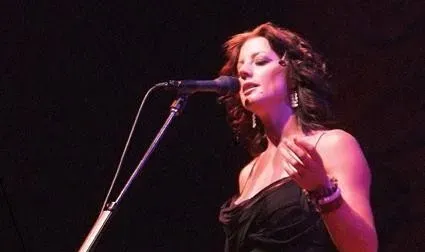
Sarah McLachlan has sold tens of millions of albums, won multiple Grammy and Juno Awards, and founded the influential Lilith Fair tour, yet her financial profile looks nothing like the pop superstars she toured alongside. Estimates place her net worth at $45 million, modest compared to pop superstars like Celine Dion at $800 million, but impressive for a folk-pop artist with a niche audience.
That gap reflects a career built more on artistic consistency than blockbuster commercial scale. McLachlan’s wealth comes from a mix of album sales, touring, and philanthropic ventures rather than the kind of global brand deals that inflate some contemporaries’ fortunes. She remains an example of a musician whose success translated into comfortable, sustainable wealth rather than the kind of eye-popping figures that dominate headlines.
What these stories actually reveal


None of these musicians are struggling, and none of them are hiding money out of shame. What connects Dave Grohl’s modest Encino home, Ed Sheeran’s Barclays student account, and Keira Knightley and James Righton’s eleven-guest wedding is a shared decision to keep personal habits separate from public earning power.
For some, it traces back to humble beginnings that never fully faded. For others, it’s a practical hedge against the kind of overspending that has sunk plenty of famous fortunes before theirs. Either way, their bank balances tell one story while their daily lives tell a much quieter one, and that gap is probably more common across the music industry than most fans assume.


