Record deals are supposed to be partnerships built on trust, money, and mutual benefit. Every so often, though, that trust collapses so completely that a label walks away entirely, wiping an artist from its roster page and its future plans. What follows are six cases where the split wasn’t quiet or mutual. It was public, messy, and in most cases, permanent.
Some of these breakups came from scandal. Others came from years of legal warfare or a single moment that made an entire industry recalculate the risk of staying associated with someone. Here’s how six well known names found themselves on the outside of the major label system, and what actually happened to get them there.
Ye (Kanye West) and Def Jam / Universal Music Group

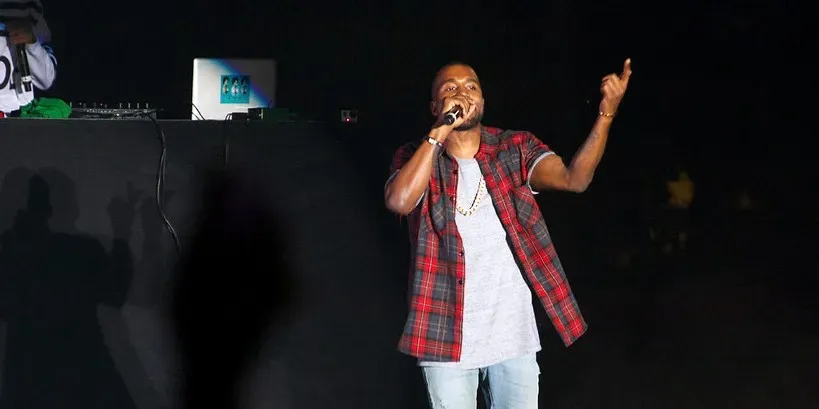
Kanye West’s relationship with Def Jam, home to some of his most celebrated albums, effectively ended in 2022 after a string of antisemitic remarks triggered an industry wide retreat. Reports at the time noted that Kanye West, one of the most popular, influential and commercially successful musicians of the past 20 years, was currently without a record label or a music publisher, with Universal Music’s Def Jam Recordings and Sony Music Publishing both out of contract with him. It wasn’t just the label. His empire of business relationships across fashion, finance, music and media industries crumbled, with Adidas, Gap, Balenciaga, CAA, UMG/Def Jam, Vogue and JP Morgan Chase all severing ties.
The artist, now performing as Ye, didn’t disappear from music. He simply stopped relying on a traditional major label structure altogether. He was dropped from his recording label after making a series of antisemitic comments in 2022, yet his collaborative album with Ty Dolla Sign, called Vultures 1, still debuted on top of the Billboard albums chart. By 2026 he had resurfaced with a deal at Gamma, an independent distributor, a sign that the major label door had closed for good even as his commercial pull hadn’t.
R. Kelly and RCA Records / Sony Music


For fifteen years, R. Kelly was one of Sony’s most consistent earners through RCA Records. That relationship ended abruptly in January 2019, not through a press release but through a quiet deletion. RCA Records severed its relationship with R. Kelly, ending a fifteen year relationship between the artist and the record company, though the terms of the exit deal were never disclosed.
The timing wasn’t a coincidence. The split came after Dream Hampton’s documentary series Surviving R. Kelly, which featured women who alleged they endured sexual and psychological abuse at his hands, and the series led to a public outcry that evolved into MuteRKelly protests outside the Sony building in Manhattan. Even then, the label moved carefully rather than dramatically. Kelly’s catalog stayed with RCA and Sony, remaining available on streaming, though several radio stations independently banned his music.
Kesha and Sony Music / Kemosabe Records

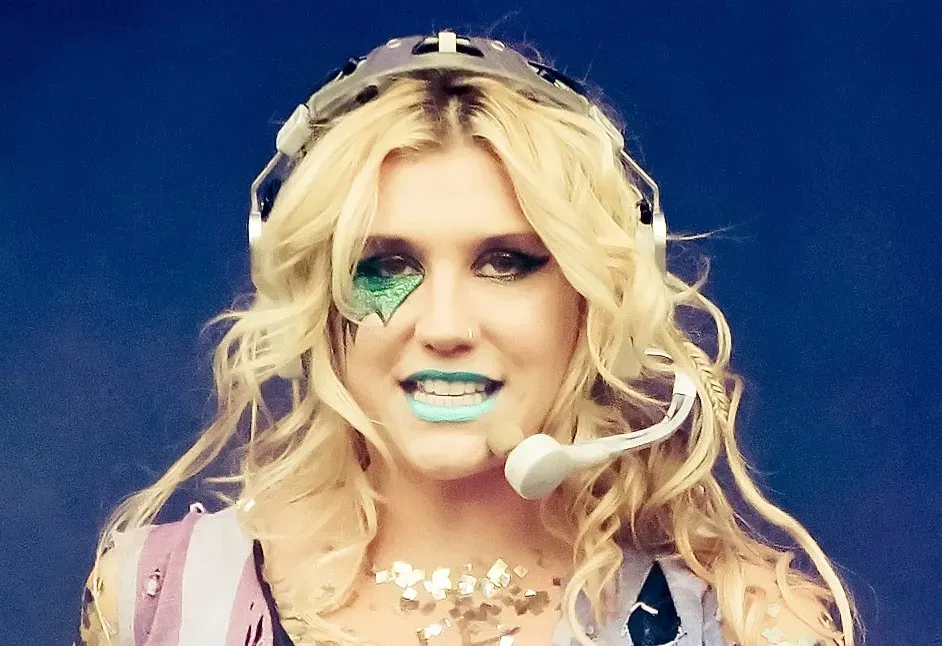
Kesha’s blacklisting worked in reverse. Rather than being dropped, she spent years legally trapped inside a contract she desperately wanted out of, tied to producer Dr. Luke’s Kemosabe label under the Sony umbrella. The dispute became one of the most talked about industry court battles of the decade, involving allegations against Luke that he denied outright.
The courts sided with the label’s structure rather than the artist. Gottwald denied the accusations and filed his own suit against Kesha, alleging she refused to record new music and failed to fulfill her part of the contract, and a New York Supreme Court Justice ruled in his favor, denying an injunction that would have allowed Kesha to release new material. The standoff dragged on for years. The defamation suit filed against Kesha continued until 2023, when both parties finally reached a confidential settlement. It was less a formal blacklist and more a case of a major label ecosystem refusing to let go.
Courtney Love, Hole, and Vivendi Universal Music


Courtney Love’s fight wasn’t with a small imprint but with one of the largest music conglomerates on the planet. In the early years of the new millennium, Vivendi Universal Music Group, her primary distributor, initiated a major lawsuit against her, claiming she and Hole had failed to deliver five promised full length studio projects. Love didn’t back down quietly.
She turned the lawsuit into a referendum on how little artists actually see from their own sales. She refused to back down from the pressure and filed her own counterclaims, arguing that the original contract terms were fundamentally impossible to fulfill. According to her legal team, Hole generated roughly forty million dollars in global retail sales but received only about two million dollars in return, and the standoff ultimately ended in a mutual agreement that let both sides walk away. Hole never released another album on a major label afterward.
JoJo and Blackground Records


JoJo’s case shows what a blacklist looks like when it’s less about scandal and more about creative control. After her breakout hit in 2004, her label reportedly refused to let her release new material unless she reshaped her image and body, conditions detailed in her own legal filings against the company. According to the lawsuit the singer filed against them, Blackground refused to let her release any more music until she completely overhauled her image, including a restrictive diet of just 500 calories a day.
She spent nearly a decade effectively frozen out of releasing an album. In 2013 she took the label to court to get out of her contract, and the case was eventually settled out of court, with Blackground agreeing to let her leave in favor of a new label. She later signed with Warner Records and re-released the music she had recorded during her years at Blackground. It’s a rare example of an artist outlasting the label that boxed her in.
Chief Keef and Interscope Records

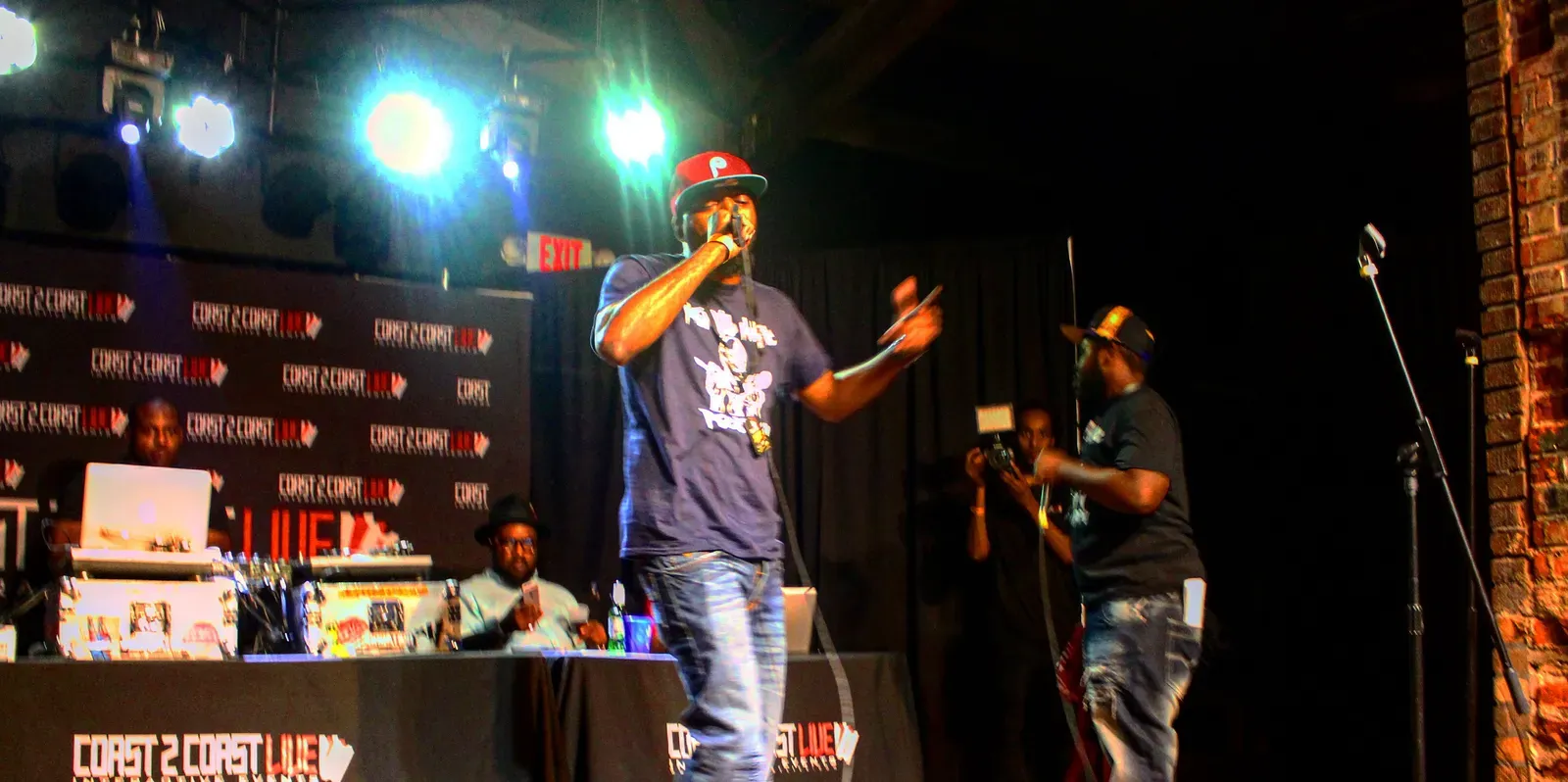
Chief Keef’s arrival at Interscope in 2012 came with enormous hype around Chicago drill and a reported multimillion dollar deal while he was still a teenager. The relationship soured quickly once follow up releases stalled and the commercial expectations that came with a major label budget didn’t materialize the way executives had hoped. By the mid 2010s, industry reporting widely described the partnership as effectively over, with the label quietly stepping back from active involvement in his career.
Unlike some names on this list, Chief Keef’s split wasn’t framed around scandal so much as a mismatch between an independent, mixtape driven artist and a corporate release schedule. He kept releasing music at a prolific pace on his own terms afterward, building a cult following through independent channels rather than radio pushes. It’s a quieter kind of blacklist, one built on diverging priorities rather than a single explosive incident.
What These Splits Actually Tell Us

None of these six cases unfolded the same way. Some were driven by public scandal, some by financial disputes, and at least one by an artist fighting to escape rather than being pushed out. What connects them is that a major label, once a source of stability and money, became something each artist either couldn’t work with or wasn’t allowed to leave easily.
The music industry rarely announces a blacklist outright. Instead, it shows up in deleted roster pages, unreturned calls, and contracts that quietly expire without renewal. For these artists, the fallout reshaped not just their careers but how the public understood the power labels still hold, even in an era when musicians have more independent tools than ever before.