Tourism Decline Shrinks Visitor Demand

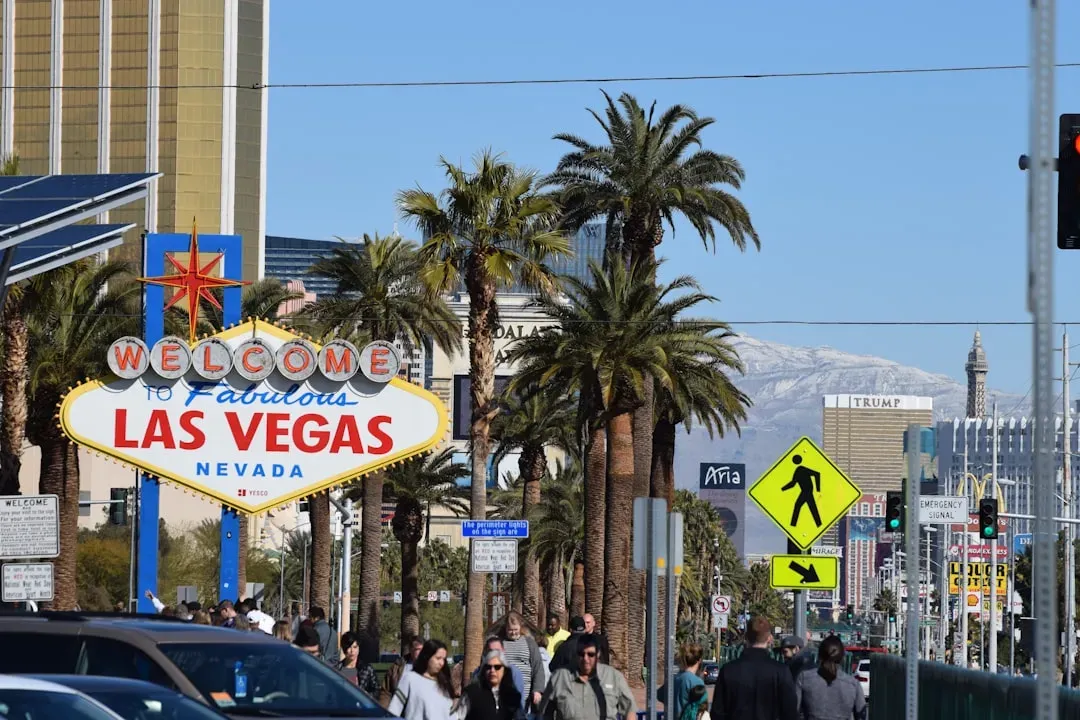
The number of visitors to Las Vegas fell by 7.5% in 2025, to 38.5 million, compared to the prior year. That translates to roughly three million fewer tourists spending money in the city’s casinos, restaurants, and hotels. The drop has been persistent throughout the year, affecting the workload for hospitality and casino staff across the Strip.
The Las Vegas Convention and Visitors Authority blames the downturn on travelers’ caution about the economy and a drop in foreign tourists. Honestly, when you’ve got millions fewer people walking through the doors, the need for servers, housekeeping, and casino floor staff naturally shrinks. Workers are feeling the pinch directly.
Quiet Floors Mean Fewer Scheduled Shifts
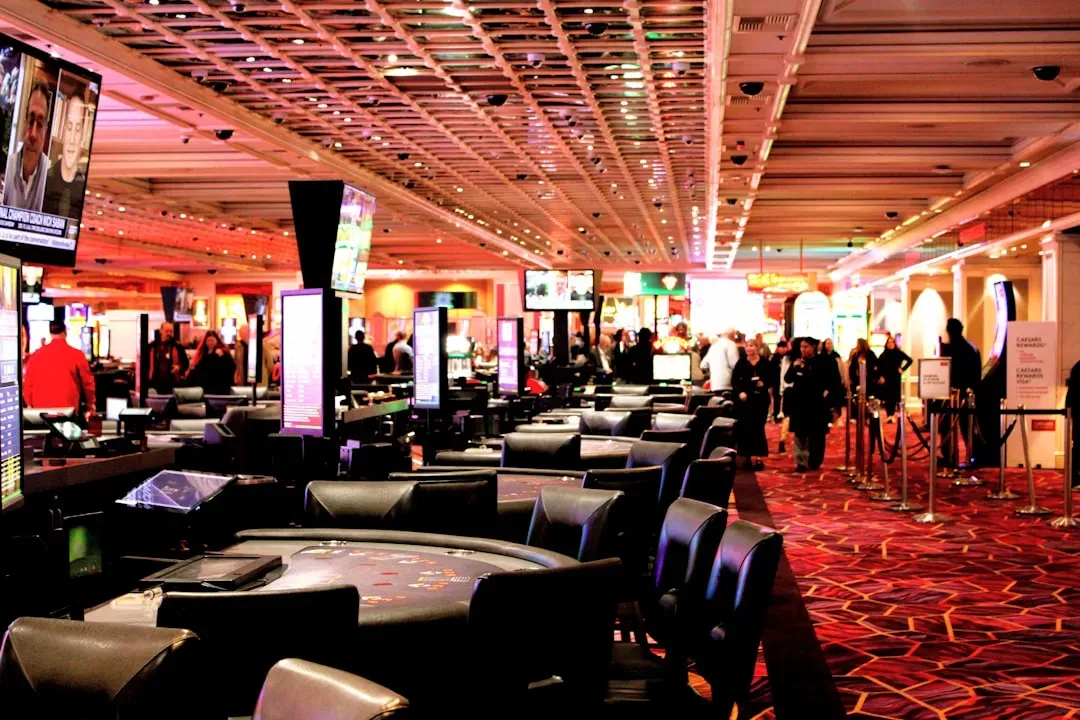
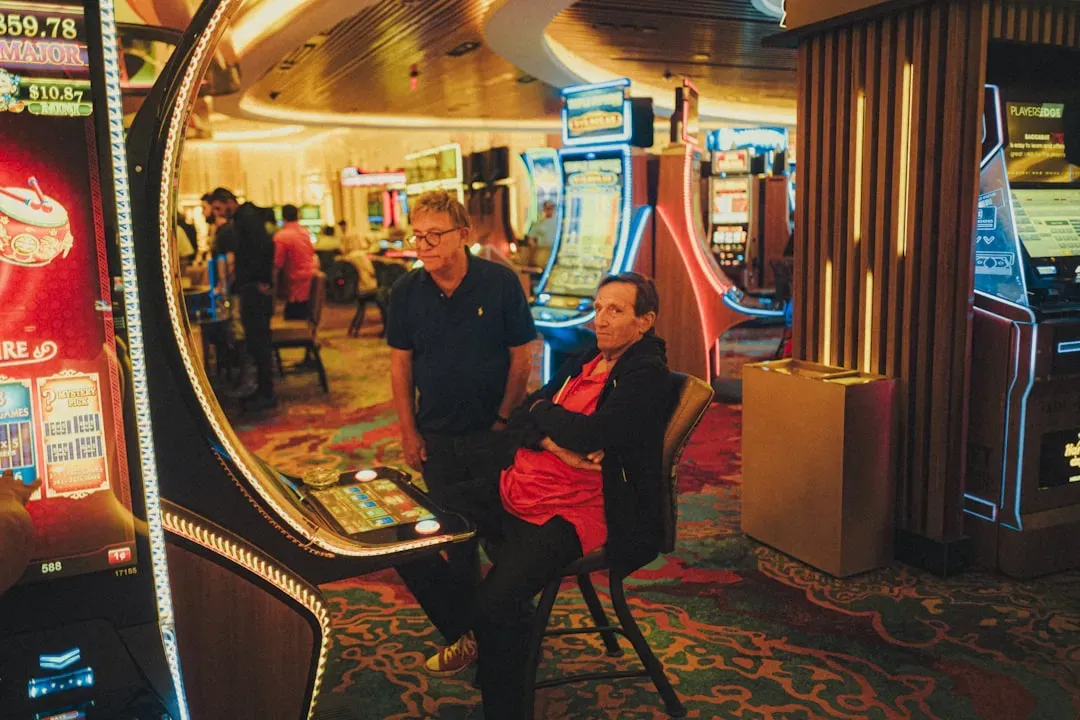
Quiet casino floors mean some workers report getting scheduled for fewer hours. Employees such as food runners and housekeeping staff at properties like the Westgate Las Vegas Resort say the slowdown has translated into reduced shift assignments. It’s a tough reality when the casino floor is just emptier than usual.
Brian Torres Sauzo, a food runner at the Westgate Las Vegas Resort and Casino, noted that the casinos are empty. The lack of foot traffic directly impacts how many workers management decides to schedule on any given day. Less activity means fewer hands needed on deck.
On Call Scheduling Keeps Workers in Limbo


With visitor numbers sliding, many employees are going weeks without a single scheduled shift, even though they haven’t been officially laid off. This tactic allows casinos to retain staff on paper while cutting actual paid hours. Workers remain technically employed, but their paychecks tell a different story.
By keeping staff on call instead of issuing layoffs, casinos have a flexible labor pool they can tap when crowds surge for a big-name event and scale back when the tourists head home. It’s hard to say for sure, but this approach seems to benefit management far more than the workers caught in the middle. Bills don’t stop just because shifts disappear.
Thousands of Jobs Lost in Leisure and Hospitality


Las Vegas lost about 4,700 jobs over a two-month period in 2025, with 3,800 jobs lost from September to October and another 900 jobs from October to November. The leisure and hospitality sector bore the brunt of these cuts, signaling deeper weakness in the local labor market.
From September to November, the leisure and hospitality industry lost 2,200 jobs, the most of any sector. That kind of job hemorrhaging affects not just those laid off but also those who remain, as reduced staffing levels mean more pressure and often fewer hours to go around. The ripple effect is real.
Hotel Occupancy Drops Reduce Service Hours


Hotel occupancy dropped to 76.1% in July, a 7.6% decline compared to July 2024, when occupancy was at 83.7%. When hotel rooms sit empty, there’s less need for housekeeping, food service, and other hospitality roles. Staffing levels directly track occupancy rates, and both have been sliding.
Preliminary STR data indicates Las Vegas occupancy fell 14.9% in June, and the deterioration continued into July, with occupancy falling 16.8%, to 66.7%. These are some of the steepest drops among major U.S. markets. Fewer guests in rooms means fewer hours for the people who clean them and serve them.
International Travel Decline Hits Casino Revenue

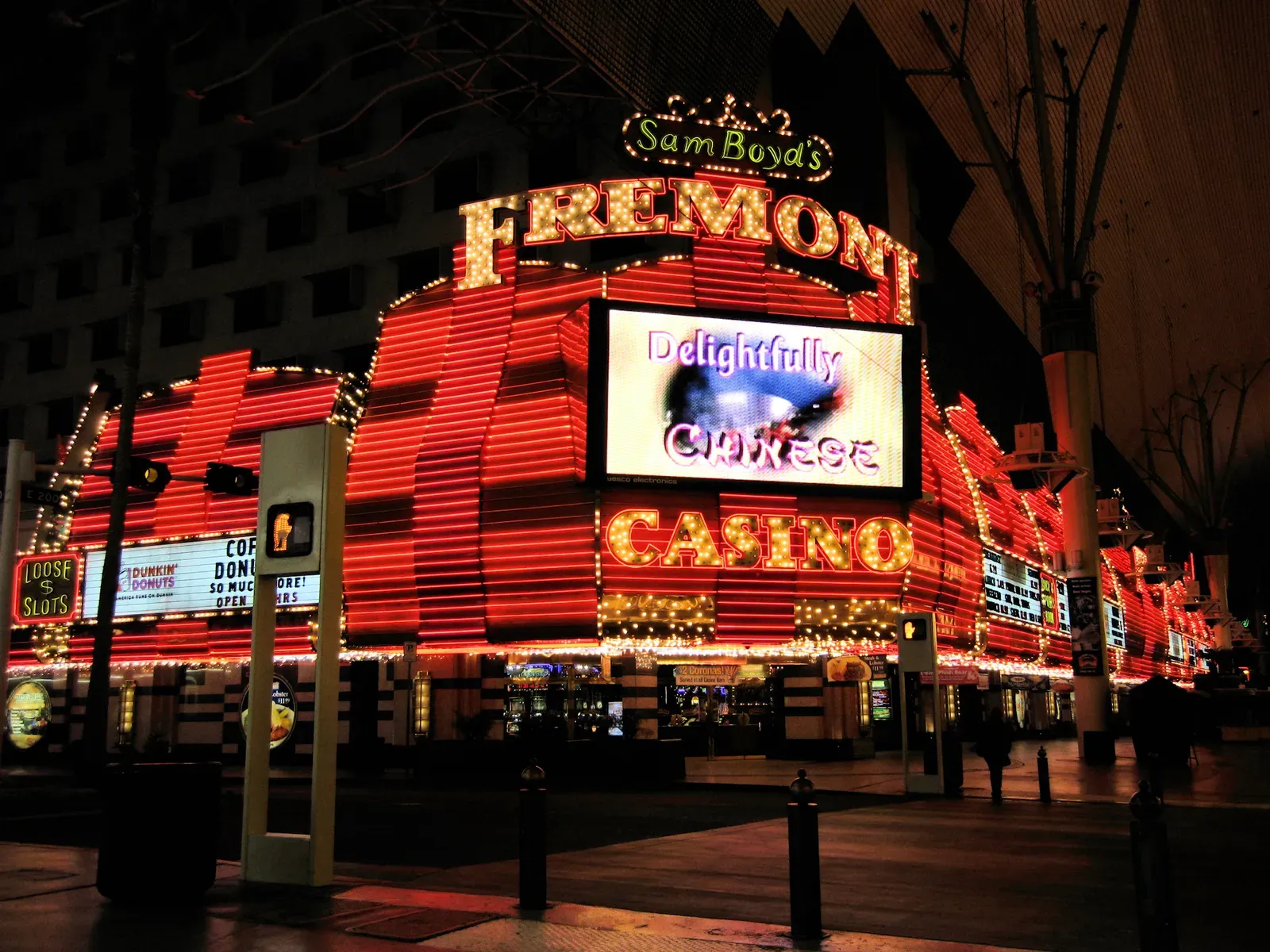
The LVCVA highlighted the steep decline in international travel to the city as a core issue for the decline in visitors, estimating a 24% drop in Canadians. International visitors, including Canadians, have decreased travel to the U.S., a shift cited by local authorities as part of why casinos are quieter and resort revenue is lower.
Canadian travelers have retaliated against President Trump’s trade war by cancelling trips to the U.S. This geopolitical factor plays into reduced visitation, which in turn means casinos need fewer workers on the floor. The connection between international policy and local jobs is surprisingly direct.
Changing Customer Spending Behavior


“Las Vegas is often a reflection of the broader U.S. economy,” LVCVA wrote, noting that “shifts in spending and behavior tend to surface here first.” Guests are spending less overall and shifting toward different types of experiences. Let’s be real, when tourists tighten their wallets, it shows up in everything from tips to room service orders.
Some industry analysts note that guests are spending less overall and shifting toward digital interactions, prompting casinos to streamline staff and cut less essential hours on the floor. Fewer big spenders means less demand for premium service, which directly affects labor needs across departments.
Automation and Efficiency Reduce Labor Needs


Increased use of automated gaming machines and digital services has reduced the need for certain dealer or service jobs, indirectly affecting available hours even if full layoffs are limited. The union noted disputes with companies over technology issues, including the use of automated bartenders, kiosks for ordering in restaurants and new advancements in housekeeping.
Technology changes may not eliminate jobs overnight, but they do allow management to operate with leaner staffing. When a kiosk can take orders or a machine can mix drinks, fewer human workers are scheduled per shift. It’s one more pressure point in an already tough environment.
Union Concerns Over Economic Pressures

Beckworth and Torres Sauzo are members of the Culinary Union Local 226, which represents 60,000 hotel and casino workers in Nevada, and union leaders are concerned the Las Vegas economy could take another hit. The union has expressed worry about the broader economic impacts on workers amid reduced hours and revenue pressures.
Union representatives noted concerns about layoffs and reductions in hours, emphasizing the instability and ripple effect associated with the tourism economy. Workers under stress due to fewer hours face difficult choices about paying rent, covering groceries, and maintaining health benefits. The human cost behind the numbers is significant.
Strategic Cost Management and Service Cuts
Major properties have eliminated certain roles or made adjustments that affect staffing structures as part of broader cost-control strategies. Some casinos have cut concierge services or reduced the number of open restaurants to manage expenses during the slump.
These strategic decisions may help balance the books for casino operators, but they translate directly into lost hours and lost income for workers. Management may view it as smart cost management. For the people left scrambling to make ends meet, it feels more like a silent crisis unfolding across the Strip.