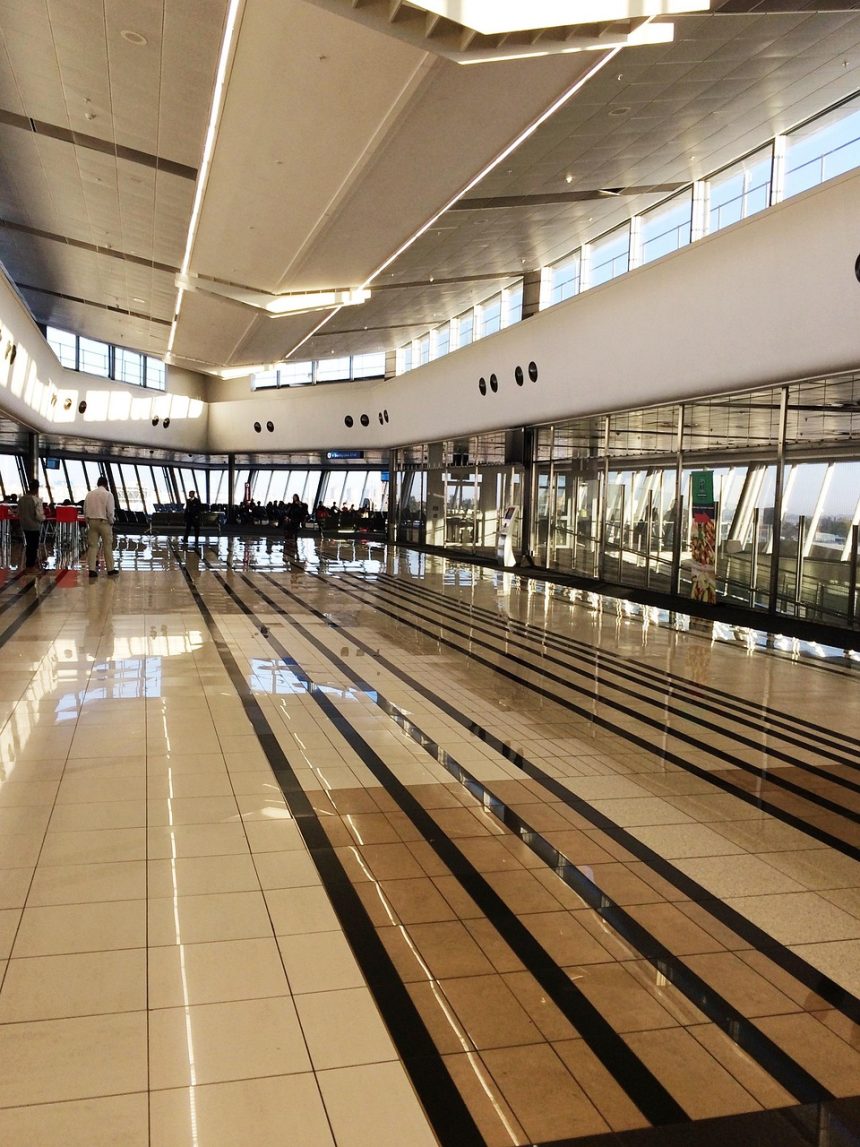
A Timely Boost for High-Volume Travel (Image Credits: Pixabay)
Las Vegas – Travelers departing from Harry Reid International Airport now have a powerful new resource to navigate security lines more effectively. The airport recently launched an online feature displaying estimated wait times at TSA checkpoints, available directly on its official website. This addition aims to equip passengers with timely information as they prepare for trips through one of the nation’s busiest aviation hubs.[1][2]
A Timely Boost for High-Volume Travel
Harry Reid International Airport handles a steady stream of passengers, particularly during peak periods, making efficient security processing essential. Officials introduced the wait times tool this week to address common traveler concerns about unpredictable lines. The feature builds on recent in-terminal displays and represents part of ongoing modernization initiatives at the facility.[3]
Passengers previously relied on apps or general estimates, but this official integration offers checkpoint-specific data right from the source. Airport leaders emphasized its role in enhancing preparation. The rollout comes at a moment when air travel demands remain strong in the region.[4]
Breaking Down the Five Key Checkpoints
Harry Reid features five distinct TSA security checkpoints spread across its terminals, each tailored to specific gate areas and airlines. Understanding these options helps travelers select the most convenient path based on their flight details. The new online tool covers all of them with updated estimates.
| Checkpoint | Location | Operating Hours |
|---|---|---|
| A/B Gates | Terminal 1 | 3:15 a.m. – 1 a.m. |
| C Gates (Southwest Airlines) | Terminal 1 | 3:05 a.m. – 10 p.m. |
| C/D Gates | Terminal 1 | 24 hours |
| Terminal 3 Level 2 (D & E Gates) | Terminal 3 | 3:30 a.m. – 1:30 a.m. |
| Innovation Checkpoint (Level Zero) | Terminal 3 | 5 a.m. – 1:30 p.m. |
Terminal 1 hosts the majority of checkpoints, serving a broad range of flights, while Terminal 3 options cater to international and select domestic routes. Travelers should confirm their gate assignment to choose wisely.[5]
Accessing and Maximizing the Feature
The tool resides at a dedicated page on the airport’s site, making it simple to check from a phone or computer before departure. Visitors to harryreidairport.com/security-wait-times can view estimates tailored to each checkpoint. This near-real-time data updates frequently to reflect on-the-ground conditions.
- Visit the airport homepage or direct wait times link.
- Select the relevant checkpoint based on your gate.
- Factor in the estimate alongside standard arrival recommendations.
- Cross-reference with airline apps for flight status.
- Opt for TSA PreCheck if enrolled for potentially shorter lines.
Integration with existing resources like the MyTSA app complements this offering, providing a fuller picture of the journey.[2]
Guidance from Airport Leadership
Clark County Director of Aviation James C. Chrisley highlighted the practical value of the update. “By providing estimated TSA security checkpoint wait times online, we’re giving travelers another tool to make informed decisions about when to arrive at the airport and how to best prepare for their trip,” he stated. This perspective underscores the feature’s intent to empower rather than replace standard protocols.
Officials issued clear caveats alongside the launch. Estimated times can shift rapidly due to volume fluctuations, weather, or other factors. Passengers must still plan for two hours before domestic flights and three hours ahead of international ones. Airline notifications remain crucial for any changes.[1][3]
Key Takeaways
- Check the official wait times page for checkpoint-specific estimates before heading out.
- Stick to recommended arrival windows despite short lines to buffer surprises.
- Use the tool alongside terminal screens and apps for comprehensive planning.
Harry Reid International Airport’s latest innovation promises to ease a perennial pain point for Las Vegas visitors and residents alike. As travel patterns evolve, tools like this one promote smoother experiences amid high demand. What do you think about this update – will it change how you approach airport trips? Tell us in the comments.