
Music festivals were once just weekend gatherings for people who loved live sound. Today, they are something far more powerful – city-shaping forces that reroute economies, redesign infrastructure, and rewrite a place’s identity for generations. Far more than just gatherings for music fans, these events have transformed into economic powerhouses, influencing the music industry and the and regions fortunate enough to host them. From a dusty polo field in the California desert to a small dairy farm in rural England, the story of how music festivals change is one of the most compelling urban narratives of our time.
Coachella and the Reinvention of Indio, California

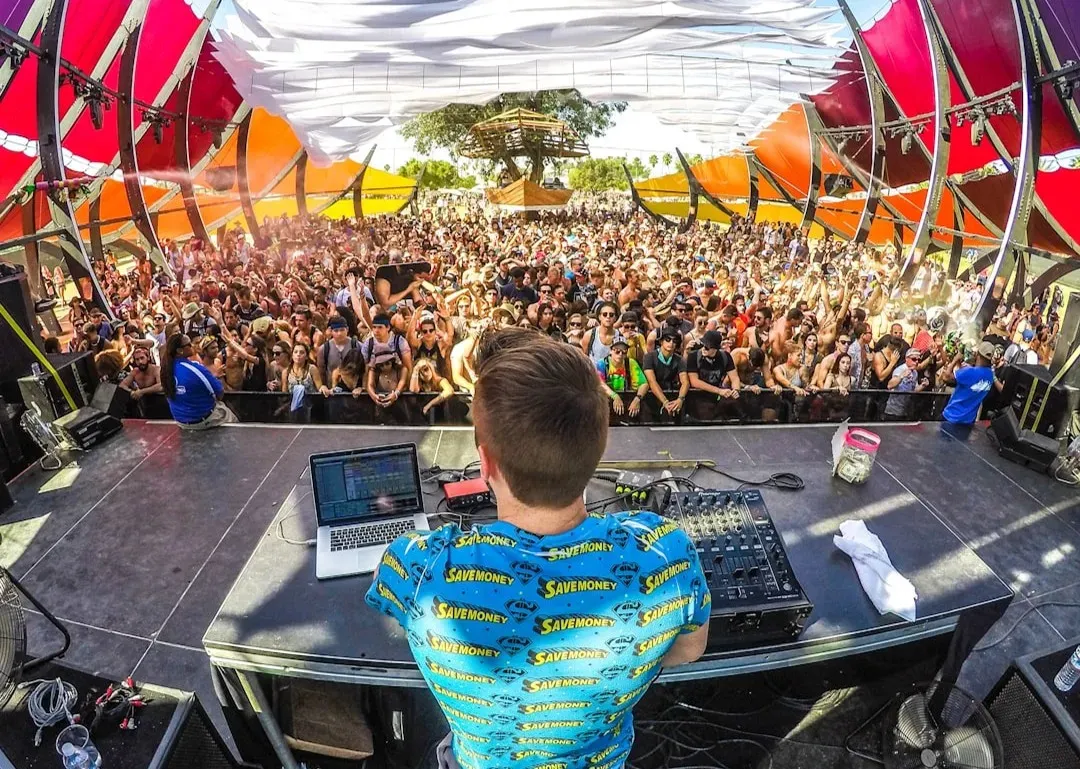
The Coachella Valley Music and Arts Festival is an annual music and arts festival held at the Empire Polo Club in Indio, California, in the Coachella Valley. It was co-founded by Paul Tollett and Rick Van Santen in 1999, and is organized by Goldenvoice, a subsidiary of AEG Presents. Before the festival arrived, Indio was a modest desert agricultural town with little claim to international fame. Indio is the most populous city in the Coachella Valley, and was formerly referred to as the “Hub of the Valley.” Indio is now nicknamed the “City of Festivals,” a reference to the numerous cultural events held in the city, most notably the Coachella Valley Music and Arts Festival and Stagecoach Festival.
In 2024, Coachella generated more than 10,000 jobs alone. The economic ripple reaches well beyond the festival gates. Visitors in short-term vacation rentals are going to local businesses, which keeps the money in the community. They are not just coming and spending money at the festival and then leaving – they are exploring the city and spending money at small businesses. Meanwhile, Indio has experienced the most change seen in over a decade, with half a dozen businesses opening in downtown in just the past six months. The transformation is structural and ongoing – following significant growth in the region, Indio has seen a 73% increase of residents since 2000, and this dramatic growth has required strategic response by city leadership in the upgrade of infrastructure and services.
SXSW and the Making of Austin’s Global Identity


Since its inception in 1987, SXSW has evolved from a regional music event to a global cultural phenomenon. The inaugural event anticipated 150 registrants but welcomed 700 attendees, highlighting Austin’s burgeoning appeal. What followed was decades of compounding impact. In 2022, after a two-year hiatus due to the pandemic, SXSW returned, contributing $280.7 million to Austin’s economy. In 2023, the festival’s economic impact reached a record-breaking $380.9 million, surpassing pre-pandemic levels. In 2024, SXSW maintained its robust influence with a $377.3 million contribution.
Austin’s transformation over the past 25 years has been nothing short of staggering. The city’s population has doubled since 2000, tech companies have set up massive campuses, and high-rise luxury condos have replaced the bungalows and dive bars that once defined downtown. The festival played a direct role in building that momentum. Austin and Nashville have used their music scenes to win corporate relocations, citing the “cool factor” and lifestyle appeal as decisive advantages. In each case, music is not just entertainment – it is strategy for urban competitiveness. Today, the Austin Convention Center is undergoing a $1.6 billion redevelopment, set to reopen in 2029 with nearly double the rentable space.
Glastonbury and the Transformation of Pilton, Somerset


Since it began as a small-scale event on a dairy farm in 1970, Glastonbury has become one of the world’s biggest festivals. In 2023, more than 140,000 ticket-holders enjoyed entertainment at over 100 stages across five days, in the heart of Somerset. The festival’s economic reach across the surrounding region is measured and substantial. Research specialists Fourth Street found Glastonbury Festival to have a significant positive economic impact both nationally and in Somerset, generating around £168 million of income for UK businesses, including £32 million for businesses based in Somerset. In total, Glastonbury Festival sustained over 1,100 UK jobs in total in 2023, 325 of which were based in Somerset.
The festival’s contribution to its host village of Pilton goes far beyond economics. The festival has contributed to its host village of Pilton by building 52 social housing homes and upgrading the village playing fields to include a new pavilion, club house, skate park and tennis courts. The festival also helped fund the rebuilding of the Pilton Club and Village hall, as well as the restoration of the historic Tithe Barn. Each year, more than 200,000 people descend on Worthy Farm, Pilton, to see some of the biggest names in music perform – in fields on a farm in the county. Many of those music lovers, festival fans and traders are from outside the county, and Glastonbury attendees increase the entire population of Somerset by almost 50%.
Bonnaroo and the Reshaping of Manchester, Tennessee


Bonnaroo has taken place at what is now Great Stage Park, a 700-acre farm in Manchester, Tennessee, since it was founded in 2002. The festival typically starts on the second Thursday in June and lasts four days. For a small Tennessee town, the festival’s impact is staggering in scale. The Bonnaroo Music and Arts Festival in Manchester generated $339.8 million in regional economic impact, according to festival officers. The festival’s economic impact included bringing in $5.1 million in tax revenue to the region and creating 4,163 full-time jobs. More than $105.5 million in labor incomes were paid to regional employees as a result of the festival.
The 2023 festival drew approximately 80,000 people to Manchester’s Great Stage Park, which Bonnaroovians fondly call “The Farm.” Local economic development officials said the economic impact of the festival is on par with holiday spending in the Christmas shopping season. Bonnaroo pays or reimburses the city, county, and the state for all additional resources needed to support the massive event. Beyond the finances, the Bonnaroo Works Fund, founded as a nonprofit organization, contributes to more than 100 local, regional, and national nonprofit partners benefiting the arts, education, environmental sustainability, and social impact. Nearly $10 million in funding has been generated thus far, providing much-needed local support to Middle Tennessee, in particular Manchester and Coffee County communities.
Dreamville Festival and Raleigh’s Proven Track Record

Raleigh raked in $145.9 million in economic impact from Dreamville, a music festival from North Carolina rapper J. Cole, in 2023. Another $88 million in impact came to the city over the past decade when it hosted the IBMA World of Bluegrass events and festival. Few illustrate the transformative power of festivals more clearly than Raleigh, where two major events reshaped the cultural and commercial landscape. Raleigh’s Dreamville Festival drew 100,000 fans and generated a $145.9 million economic impact. Hotels in the city felt the effect most acutely – officials expected a full house each year during Dreamville weekend, with a waitlist, and many guests were attendees of the festival. One year, Dreamville reached out to see if they could host some of the artists at certain properties.
The departure of both Dreamville and the IBMA Bluegrass Festival from Raleigh, announced in late 2024, illustrated just how dependent a city can become on these events. Raleigh’s vibrant music scene faces a significant shift as the IBMA Bluegrass Festival and Dreamville Festival announced their departures, impacting the city’s economy that benefited from a combined $233.9 million in recent years. The loss prompted immediate planning for new events. Organizers with Visit Raleigh, PineCone and the Raleigh Convention Center said they plan to create a new Raleigh music festival with a broader range of music with Carolina roots.
The Global Festival Market and the Urban Future


Revenue in the global music events market is projected to reach $30.14 billion in 2023, with growth rising to an estimated $36.71 billion by 2027. This trajectory signals that festivals are not a passing trend – they are a permanent fixture of how compete for attention, talent, and investment. According to the U.S. Bureau of Economic Analysis, arts and cultural production added $265.8 billion to the economy in 2023. Festivals sit at the center of this cultural economy, producing returns that reach far beyond ticket sales. Oxford Economics suggests the impact of the concerts and live entertainment industry in the United States is over $130 billion, accounting for 913,000 jobs. The firm notes that a $100 purchase of a concert ticket from an out-of-town visitor can add up to almost $350 in additional spending.
At the city level, the social and community dimensions of festivals are equally significant. To accommodate the influx of visitors, often invest in infrastructure improvements such as transportation, sanitation, and public safety, and these investments can enhance the overall quality of life for residents. Music festivals create unforgettable experiences that linger in the minds of attendees, and these positive memories often prompt a desire to revisit the locale, either for the next edition of the festival or to explore the area more intimately. By attracting international attention and visitors, festivals raise the profile of host , positioning them as cultural and entertainment hubs, and this increased visibility can lead to further investment in tourism, arts, and entertainment.