Most people assume that every great song needs a chorus. That familiar return, the hook swooping back in for the third time, feels almost biological in pop music. It’s the payoff listeners expect, the moment that sends a crowd singing in unison. Yet some of the most beloved songs ever recorded never deliver that moment at all.
The chorus is often the most memorable part of a song, the hook that brings listeners back over and over, fueling sales and chart performance. Yet some of the most iconic songs in classic rock history have no chorus at all, their songwriters choosing other ways to keep the music in heavy rotation. Structure, it turns out, is just a suggestion.
Bohemian Rhapsody – Queen (1975)

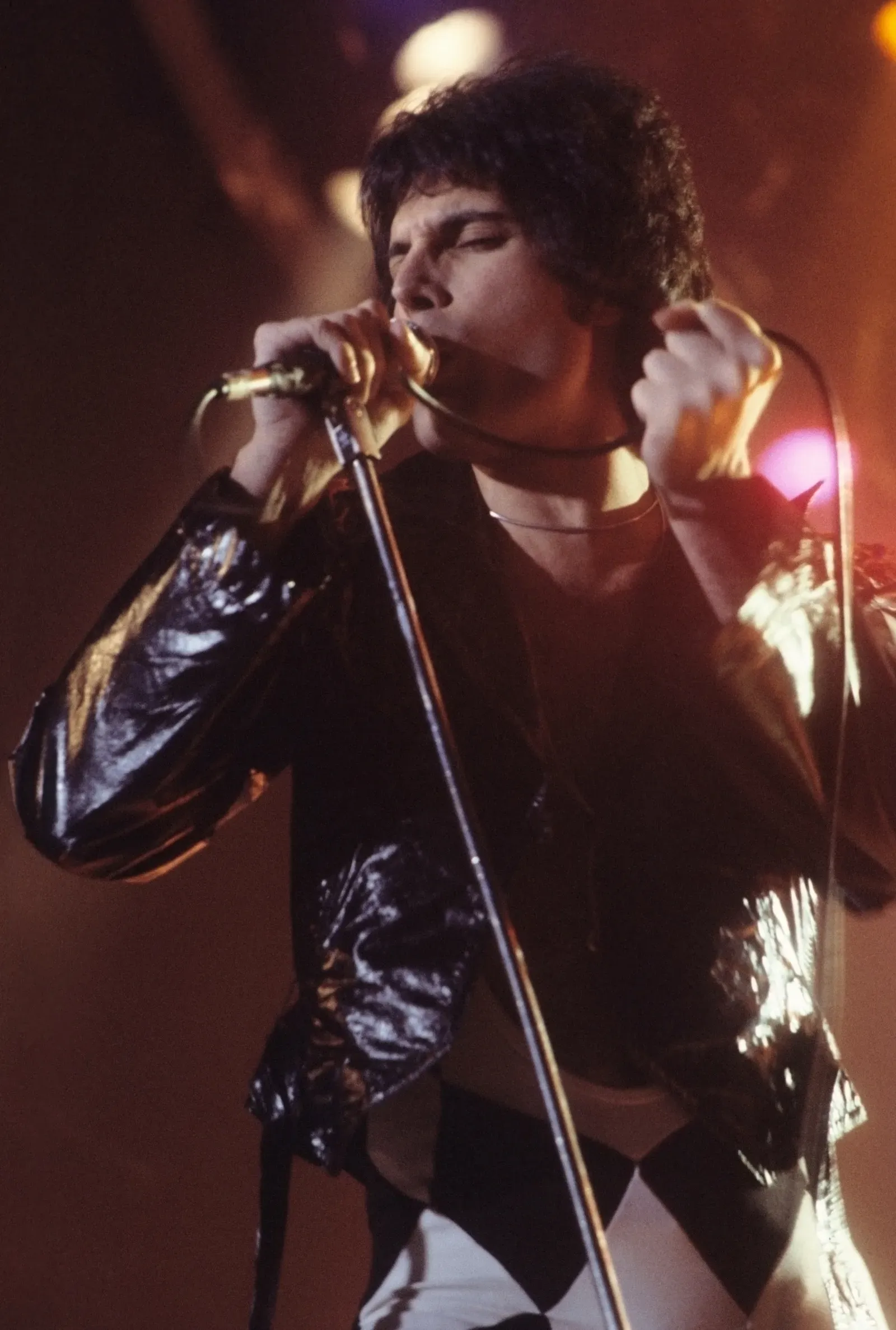
Upon its release in 1975, “Bohemian Rhapsody” shot to number one on the UK Singles Chart and remained there for nine straight weeks, something practically unheard of for a song so structurally unconventional. Its wild structure, elaborate harmonies, and Freddie Mercury’s theatrical vocals made it a cultural sensation.
An iconic example of a through-composed song, “Bohemian Rhapsody” features five distinct sections that never repeat. Despite not having a chorus, it still manages to captivate listeners through its episodic structure, with each section providing its own moments of excitement and memorability. By 2025, it had accumulated over 1.7 billion YouTube views, proving its generational staying power.
A Day in the Life – The Beatles (1967)


When The Beatles released “A Day in the Life” in 1967, they shattered expectations of what a pop song could be. The track closes their legendary “Sgt. Pepper’s Lonely Hearts Club Band” album and is structured as a dramatic suite, switching between John Lennon’s dreamlike verses and Paul McCartney’s brisk, everyday observations. There’s no chorus, just two distinct parts joined by swirling orchestration and that unforgettable crashing piano chord.
The song alternates between Lennon’s dreamlike verses and McCartney’s more upbeat middle section, with the orchestral crescendo bridging the two parts requiring a 40-piece orchestra and producer George Martin’s full creative vision to execute. It remains one of the most studied compositions in popular music history.
All Along the Watchtower – Bob Dylan / Jimi Hendrix (1967–68)


Bob Dylan wrote the song in 1967, but Jimi Hendrix turned it into a lightning bolt. “All Along the Watchtower” relies on a repeating refrain rather than a proper chorus block, with lines like “There must be some way out of here” echoing through the track like a mantra, creating intensity without any traditional chorus structure.
The Jimi Hendrix Experience released their version in September 1968 after Hendrix received a reel-to-reel tape of unreleased Dylan songs and settled on recording this one. It was a massive hit upon release and is regularly voted among the best songs ever recorded by fans. Dylan himself later said Hendrix’s version was so powerful that it became the definitive recording.
American Pie – Don McLean (1971)

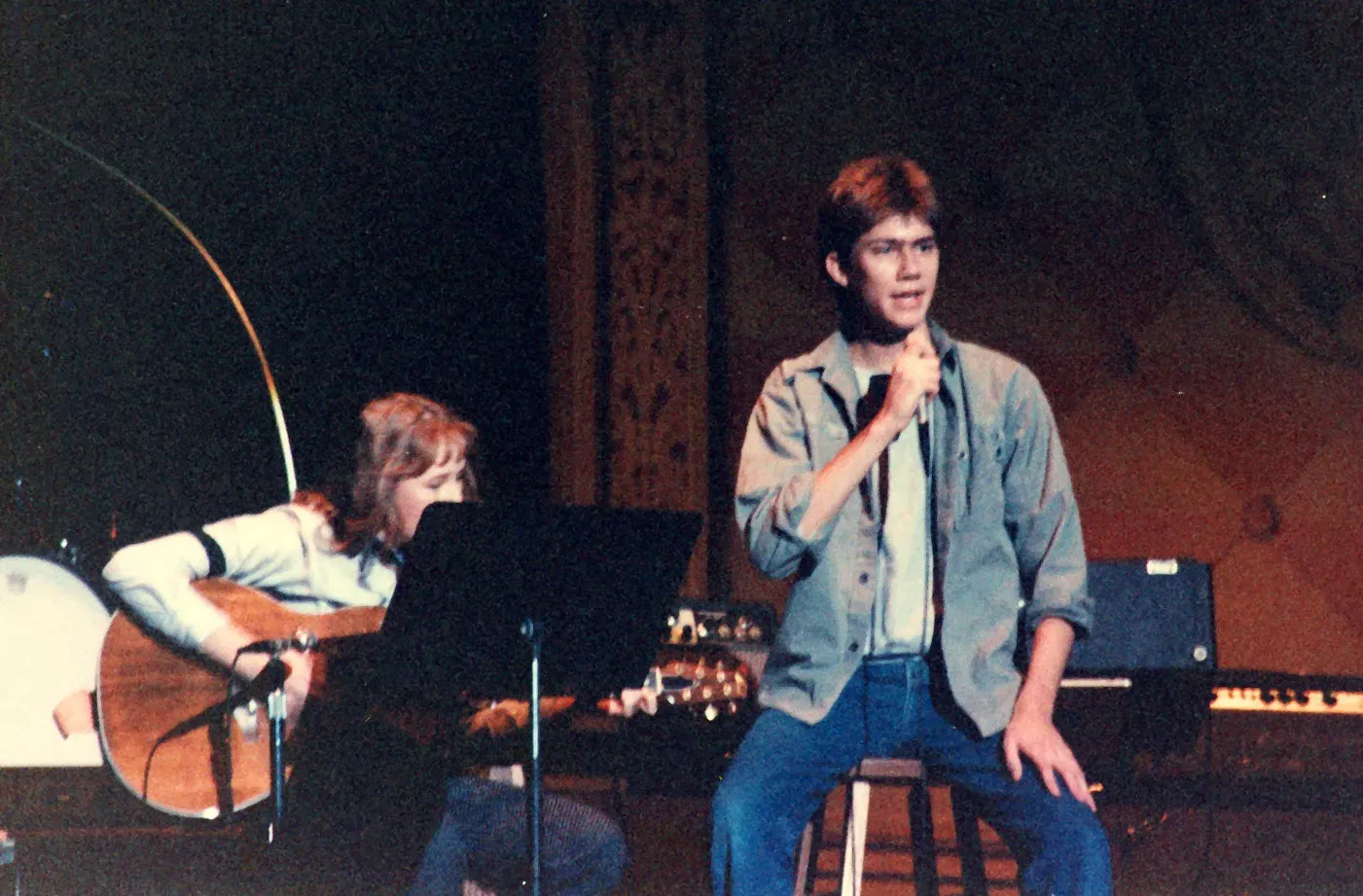
Don McLean’s “American Pie” is as much a folk epic as it is a chart-topping hit. The song runs for more than eight minutes and is packed with vivid references to American music history, but it doesn’t have a classic chorus. What it has instead is a recurring refrain, a device that functions like a chorus emotionally without ever behaving like one structurally.
In 1972, “American Pie” topped the Billboard Hot 100 for four weeks and became a staple of classic rock radio. Its lyrics have inspired endless debates and theories about their meaning, with fans poring over every word. The song’s long-form narrative and emotional storytelling have kept people listening for decades, and even today its chorus-less structure feels fresh and daring, showing that storytelling can outshine formula.
Paranoid – Black Sabbath (1970)

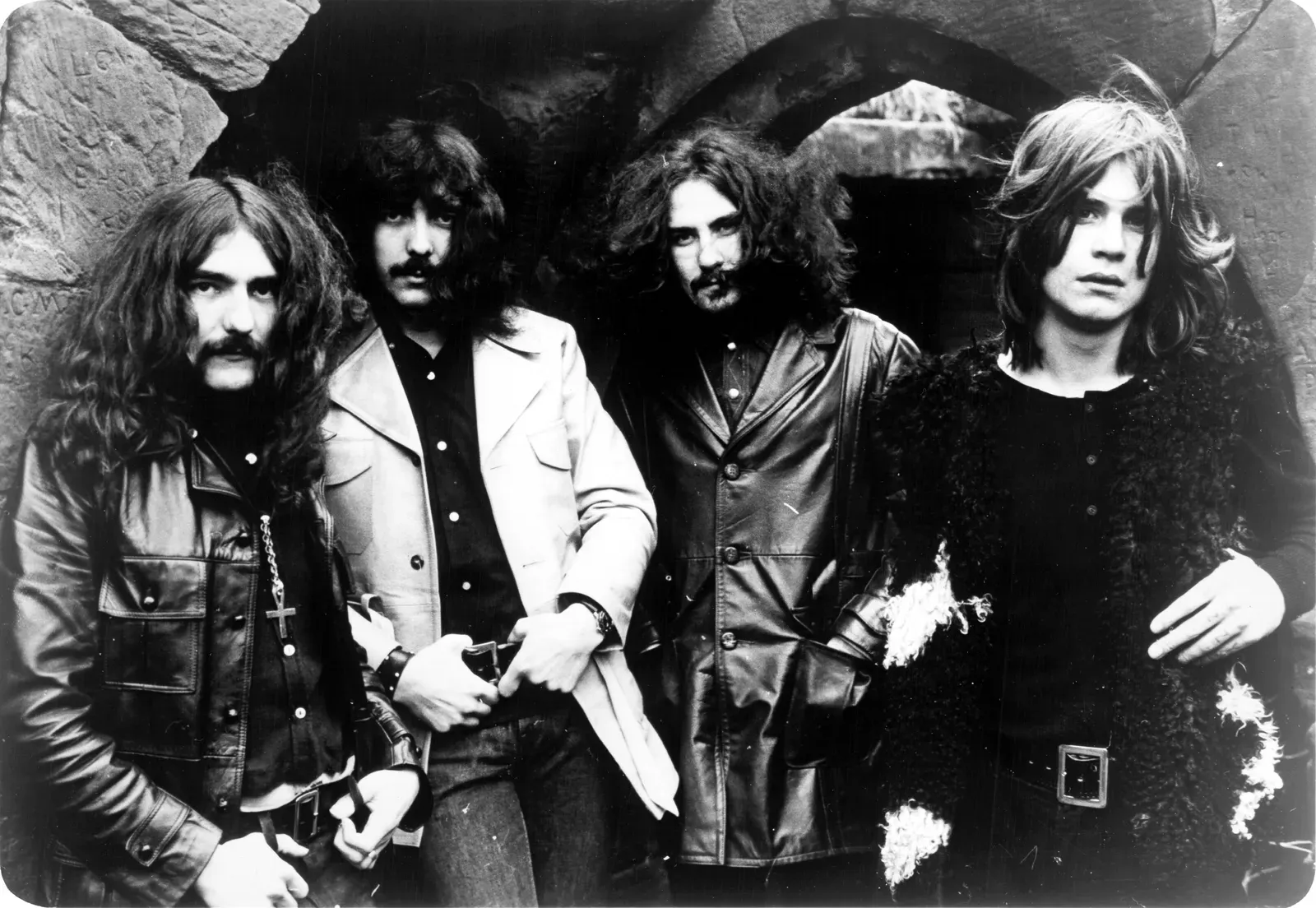
Black Sabbath wrote “Paranoid” in about fifteen minutes to fill space on their second album. Tony Iommi came up with the riff, the band recorded it almost instantly, and it became their signature song. Released in 1970, the track delivers its message entirely through verses driven by that relentless guitar riff, with no chorus anywhere.
The band never expected this song to be a hit. They wrote it in a matter of minutes because they needed a three-minute filler track for the album, and because it was the shortest track on the LP, it also became a single. More than fifty years later, it is still a favorite among fans.
White Rabbit – Jefferson Airplane (1967)

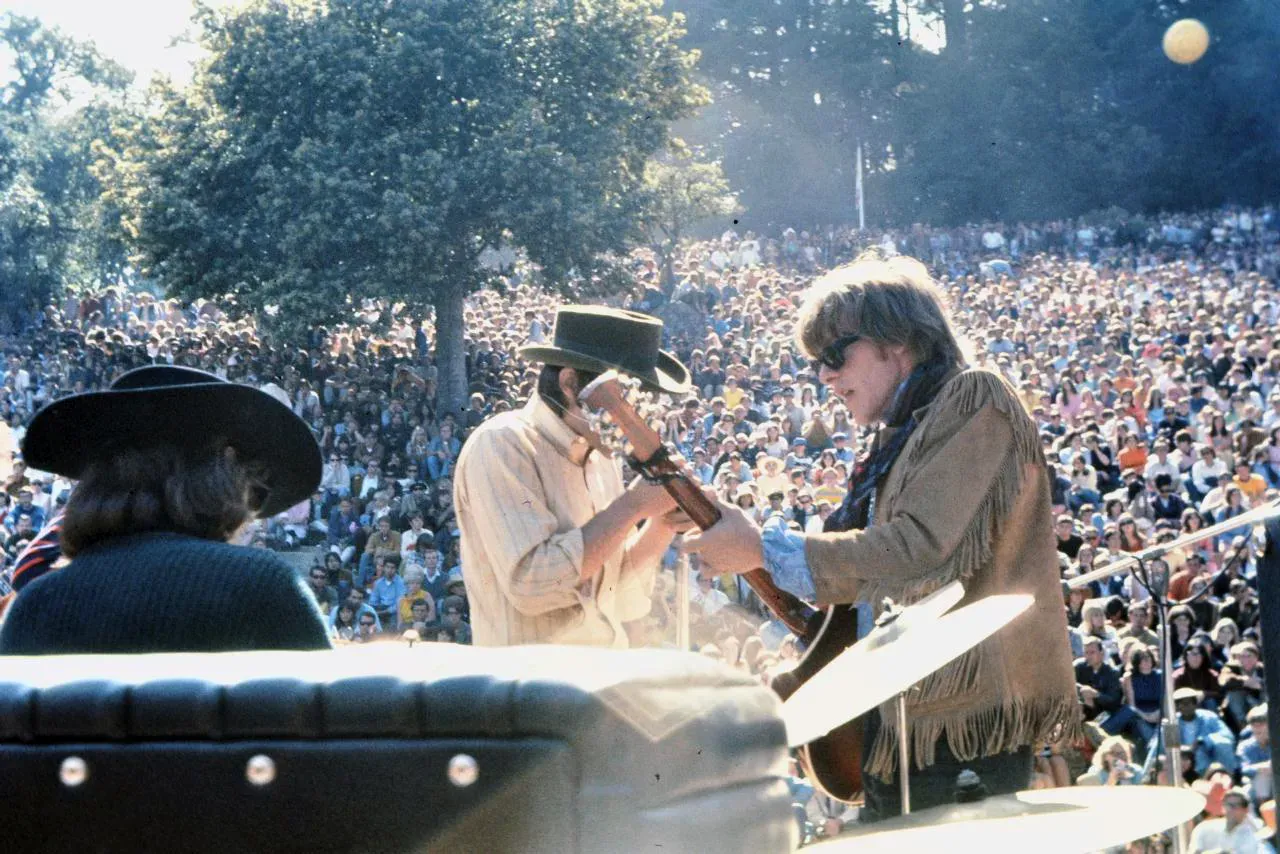
A definitive piece of work in psychedelic rock history, “White Rabbit” by Jefferson Airplane completely lacks a chorus. Instead of giving the listener some payoff with a chorus, the whole song is a slow crescendo that explodes with instrumentation and Grace Slick’s vocals at the very end.
The song is unique in many ways. It not only avoids a typical chorus, but has none of the usual other techniques like a middle eight or instrumental chorus, simply building and building monotonically until it reaches its thunderous crescendo and can’t build anymore. That relentless upward momentum is exactly what makes the ending feel so earned.
Teardrop – Massive Attack (1998)


Massive Attack’s “Teardrop” is an atmospheric masterpiece that floats along without a traditional chorus, instead relying on haunting vocals and hypnotic rhythms. Released in 1998, the song became a top ten hit in the UK and helped define the sound of trip-hop.
Elizabeth Fraser’s ethereal vocals and the song’s dreamy instrumentation have made it a favorite for film and TV soundtracks, including the theme for the medical drama “House M.D.” “Teardrop” had been streamed more than 350 million times on Spotify by 2025, and its mood and structure invite listeners to experience music as a journey, not just a verse-chorus-verse pattern.
99 Luftballons – Nena (1983)


Nena’s label initially resisted releasing “99 Luftballons” partly because the song had no chorus, with MusicRadar confirming the label thought it was too unconventional. Good thing someone overruled that decision, because the 1983 anti-war anthem became a massive international hit.
The song uses a series of verses that escalate in urgency instead of relying on a repeated hook. Both the original German version and the English “99 Red Balloons” translation became chart-toppers worldwide. Few songs have demonstrated so clearly that escalation itself can be more gripping than repetition.
Tangled Up in Blue – Bob Dylan (1975)

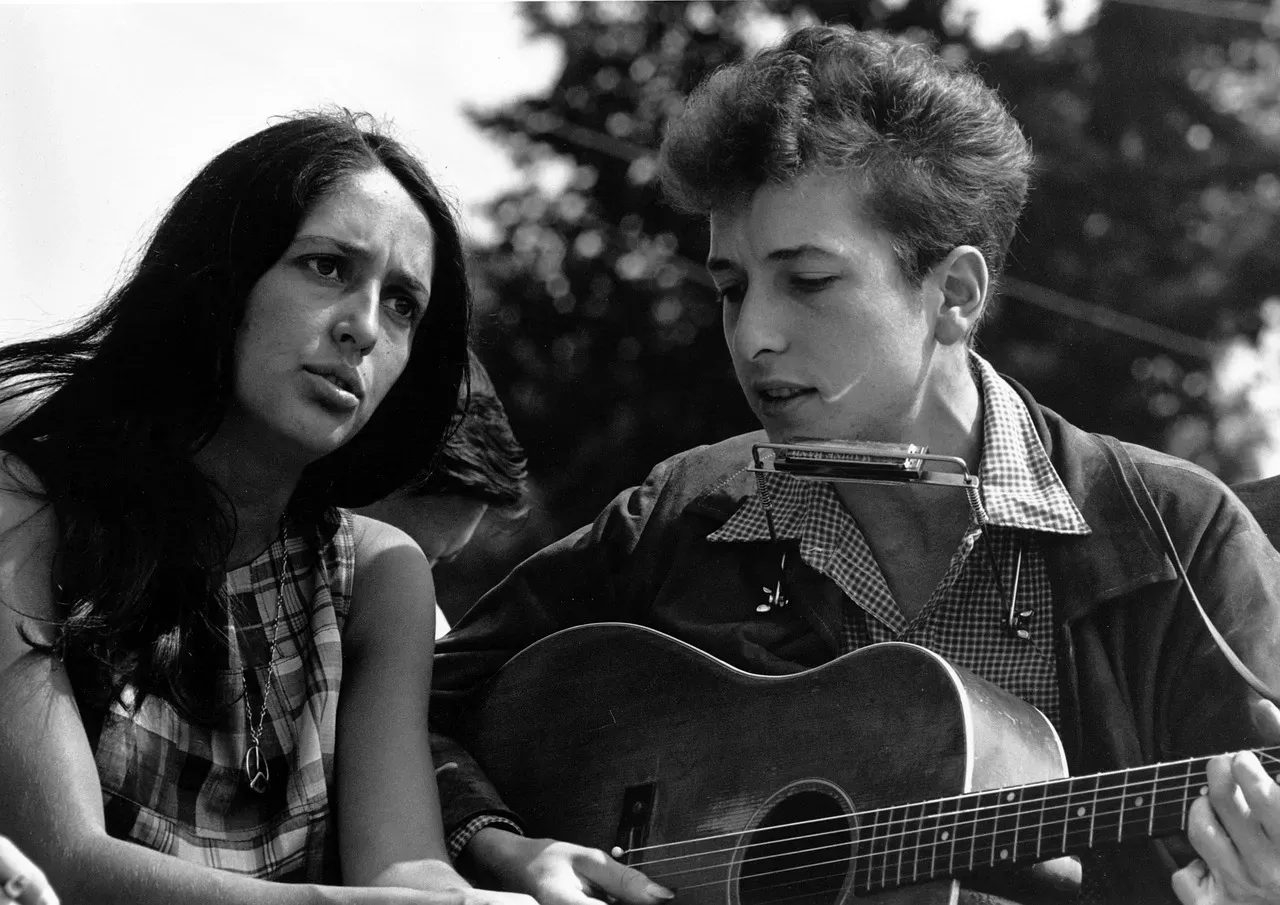
Musically referred to as a strophic song, “Tangled Up in Blue” replaces a conventional chorus with a short, repeated refrain. The phrase “Tangled up in Blue” concludes each verse but it’s far from a separate chorus. Bob Dylan uses this style many times throughout his work, essentially to cram in as many words as possible while still giving the illusion of a chorus to break things up. The pace in the track never lets up as a result, and the listener is gladly whisked into the narrative.
Rather than feature a chorus, Dylan opted to use short and repetitive refrains, a wise choice and not the first time he used this songwriting method. If you want to pack a folk tune with as much language as possible, this approach works well and gives the illusion of a chorus to separate sections within a song. The song appeared on “Blood on the Tracks,” now widely considered one of the finest albums in rock history.
The Wreck of the Edmund Fitzgerald – Gordon Lightfoot (1976)


Gordon Lightfoot wrote a six-minute ballad about a real shipwreck, gave it no chorus, and watched it reach number two on the Billboard Hot 100 in 1976. Rolling Stone explicitly calls it a six-minute ballad with no chorus, and that description says everything about how bold the song really was.
The song tells the true story of the cargo vessel that sank on Lake Superior in November 1975, killing all 29 crew members. Lightfoot treated it with the gravity of documentary journalism, letting the verses carry the entire emotional weight. No hook was needed when the story itself refused to let go.
Up the Junction – Squeeze (1979)


Glenn Tilbrook’s tale of the rise and fall of a relationship takes in a party, pregnancy, marriage, cheating, and divorce, all within three minutes. It’s hardly surprising, then, that they decided to drop the chorus, because how else would they fit everything else in?
The beauty of “Up the Junction” is that you’re not listening along waiting for some singalong exultation or an air guitar solo, it’s akin to a short story that you want to get to the end of but savour as you go along. The track is an opus of narrative songwriting, crafting a tale as old as time with humanised flourishes of realism. It remains one of the most quietly brilliant examples of verse-only storytelling in British pop.