Music has a funny way of surprising us. Sometimes it’s not the guitar solo or the vocal runs that stick with you. It’s that weird, indefinable sound lurking in the background that makes a song unforgettable.
You know the ones. The tracks where you pause and think, what is that? That little quirk that transforms a good song into something you can’t get out of your head. From kitchen utensils to broken instruments, the most iconic sounds in music history often come from the most unexpected places. Let’s dive in.
The Beach Boys Used a Coke Can on “Good Vibrations”


Brian Wilson was always one to push boundaries. When recording “Good Vibrations” in 1966, he wanted something ethereal, something nobody had heard before. Enter the electro-theremin, an obscure instrument that creates those wavering, sci-fi tones you hear throughout the track.
The theremin itself was revolutionary enough, but Wilson didn’t stop there. Legend has it he also experimented with all kinds of odd percussion, including the simple sound of tapping a Coke can. The result was a sonic landscape that felt otherworldly, perfectly capturing the song’s psychedelic vibe. It became one of the most celebrated recordings of all time, and that strange, shimmering sound is a huge part of why.
Paul McCartney’s Alarm Clock Defined “A Day in the Life”


The Beatles were masters of studio experimentation. On “A Day in the Life,” they needed something to mark the transition between the two distinct halves of the song. What did they use? An old-fashioned alarm clock.
That ringing sound you hear is literally just a mechanical alarm clock going off in the studio. Simple, right? Yet it became iconic. It perfectly punctuates the dreamy haze of the first section and jolts you into the chaotic energy of the middle eight. Sometimes the most mundane objects make the biggest impact.
The Beatles understood that music wasn’t just about notes and chords. It was about texture, atmosphere, and surprise.
Metallica Smashed Bones for “One”

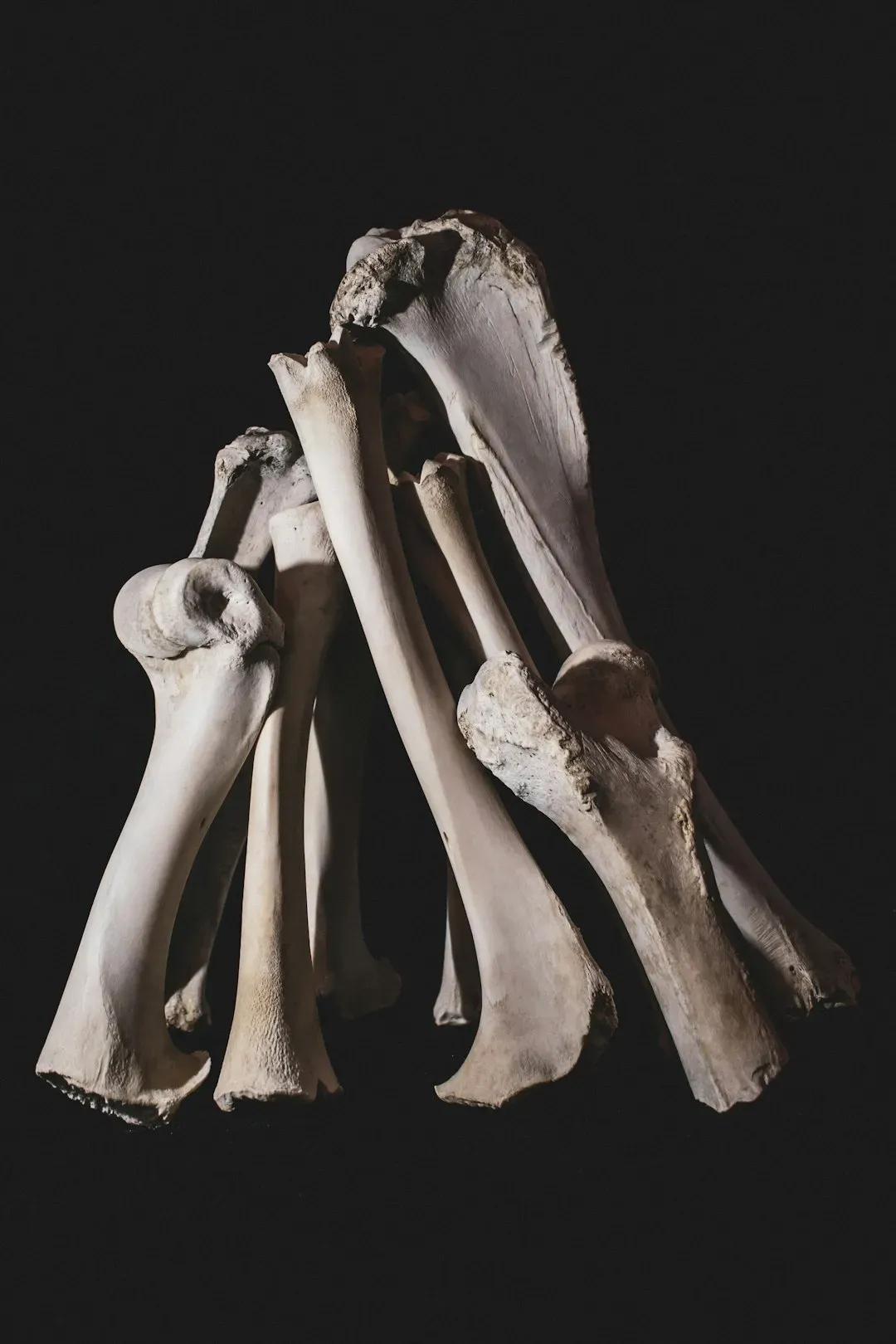
Heavy metal thrives on intensity. Metallica wanted the intro to “One” to feel unsettling, like the horrors of war were closing in. So they turned to something genuinely disturbing: breaking bones.
Well, not real bones, but close enough. The band used animal bones from a butcher shop, smashing and snapping them to create that eerie, crunching sound effect. Combined with the distant gunfire and helicopter noises, it sets a chilling tone before the guitars even kick in.
It’s hard to say for sure if listeners consciously recognize what they’re hearing. But subconsciously? It works. The effect is visceral and unforgettable.
Radiohead Used a Malfunctioning Radio on “Climbing Up the Walls”

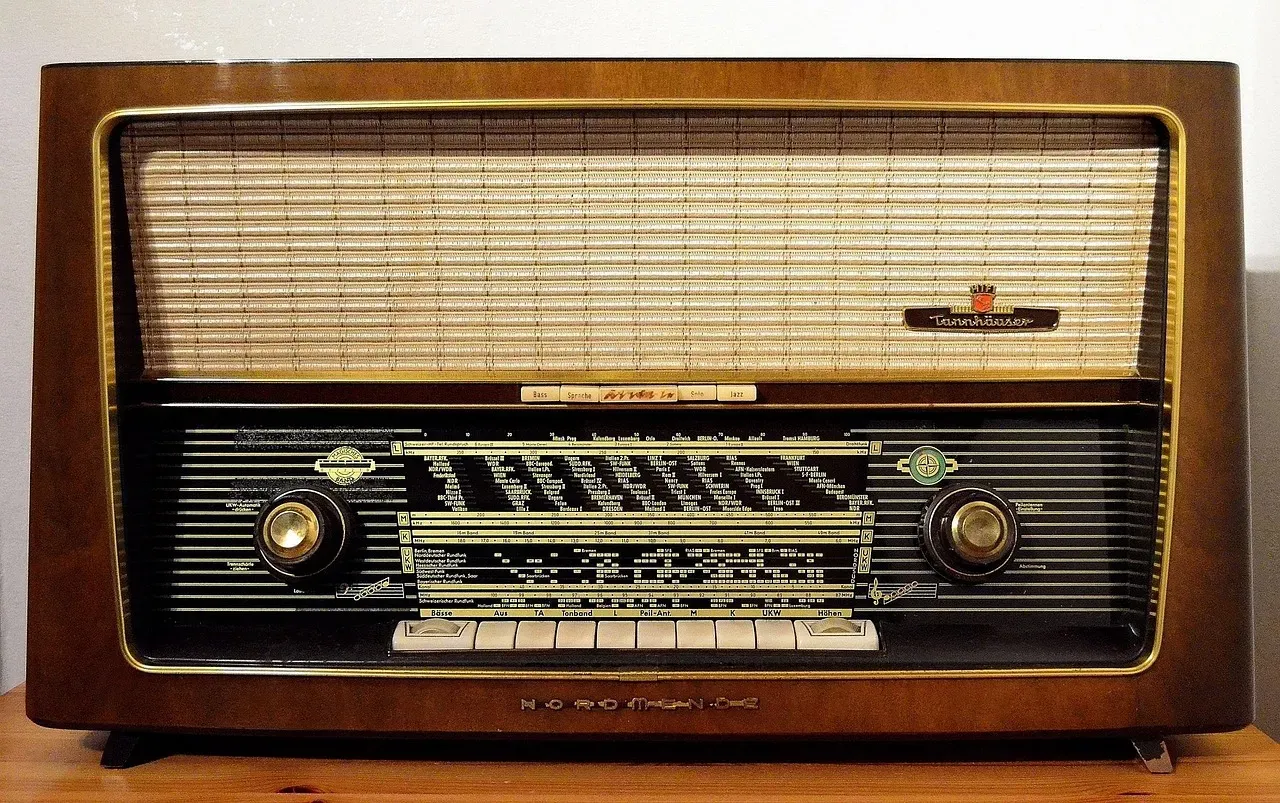
Radiohead has never been afraid of discomfort. “Climbing Up the Walls” from OK Computer is designed to make you uneasy, and they nailed it by incorporating the static and distortion of a broken radio.
Thom Yorke and the band fed random radio signals through effects pedals, creating a cacophony of fragmented voices and white noise. The result is haunting. It feels like paranoia made audible, which is exactly what the song is about. You don’t just hear the anxiety, you feel it crawling under your skin.
Pink Floyd Turned Cash Registers Into a Beat

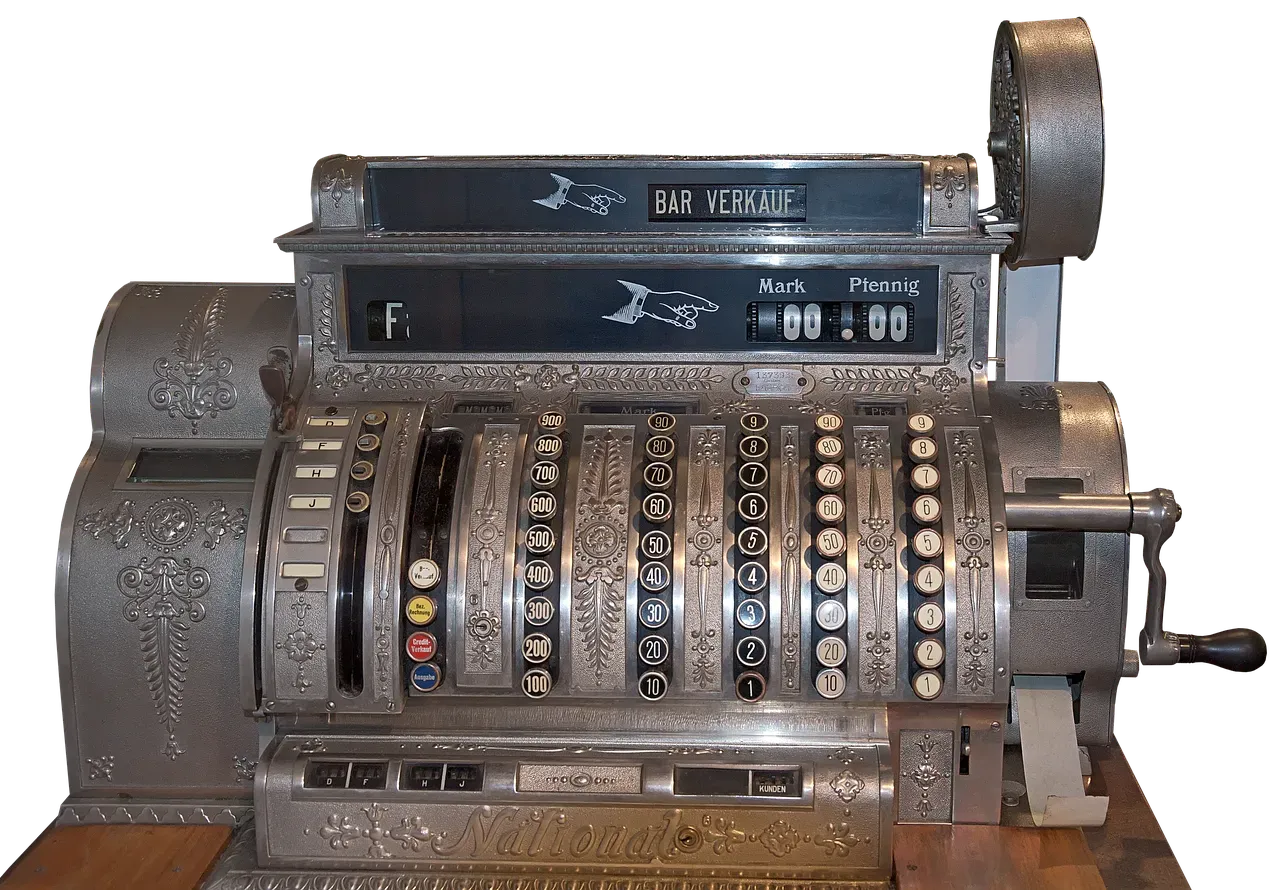
When Pink Floyd recorded “Money,” they wanted the sound of capitalism itself. Roger Waters famously went around collecting recordings of cash registers, coins clinking, and paper money rustling. Then he turned those sounds into the song’s iconic seven-beat intro.
It’s one of the most recognizable openings in rock history. The rhythm is unconventional, the sound effects are playful yet pointed. It’s a critique wrapped in a groove, and it works because the band dared to make everyday sounds musical. That’s creativity at its finest.
Fleetwood Mac Recorded Thunder for “The Chain”


Nature has its own music, and Fleetwood Mac knew it. For “The Chain,” they wanted something raw and powerful to underscore the song’s emotional intensity. So they recorded actual thunder during a storm.
The rumbling you hear isn’t a synthesizer or a drum machine. It’s real thunder, captured and layered into the mix. Combined with the driving bassline and soaring vocals, it gives the track an almost primal energy. Sometimes the best studio tricks come straight from the sky.
Outkast Used a Harpsichord on “Hey Ya!”


You wouldn’t expect a harpsichord to show up in a hip-hop track. But then again, Outkast never played by the rules. “Hey Ya!” is built around that bright, bouncy harpsichord riff that instantly grabs your attention.
It’s such an unusual choice for a pop song, let alone a hip-hop one. Yet it works brilliantly. The harpsichord gives the track a quirky, retro charm while the lyrics dive into darker themes of love and loneliness. The contrast is what makes it genius. André 3000 understood that breaking expectations is how you create something timeless.
The Who Destroyed a Piano for “Won’t Get Fooled Again”


Rock and roll has always had a destructive streak. The Who took it to another level when recording “Won’t Get Fooled Again.” Pete Townshend used an ARP synthesizer to create those massive, sweeping whooshes that punctuate the song.
But they didn’t stop there. The band actually destroyed a piano in the studio to capture the sound of chaos and rebellion. That crashing, discordant noise you hear isn’t just for effect. It’s literal destruction turned into music. It perfectly captures the song’s message of defiance and disillusionment.
Led Zeppelin Used Reverse Echo on “Whole Lotta Love”

Jimmy Page was a studio wizard. For “Whole Lotta Love,” he wanted something trippy, something that would mess with your head. So he used reverse echo, a technique where the echo comes before the sound itself.
The middle section of the song is pure sonic madness. There are backwards guitar swells, disorienting panning effects, and sounds that seem to come from another dimension. It’s disorienting in the best way. Page turned the studio itself into an instrument, proving that great production can be just as iconic as a killer riff.
Conclusion
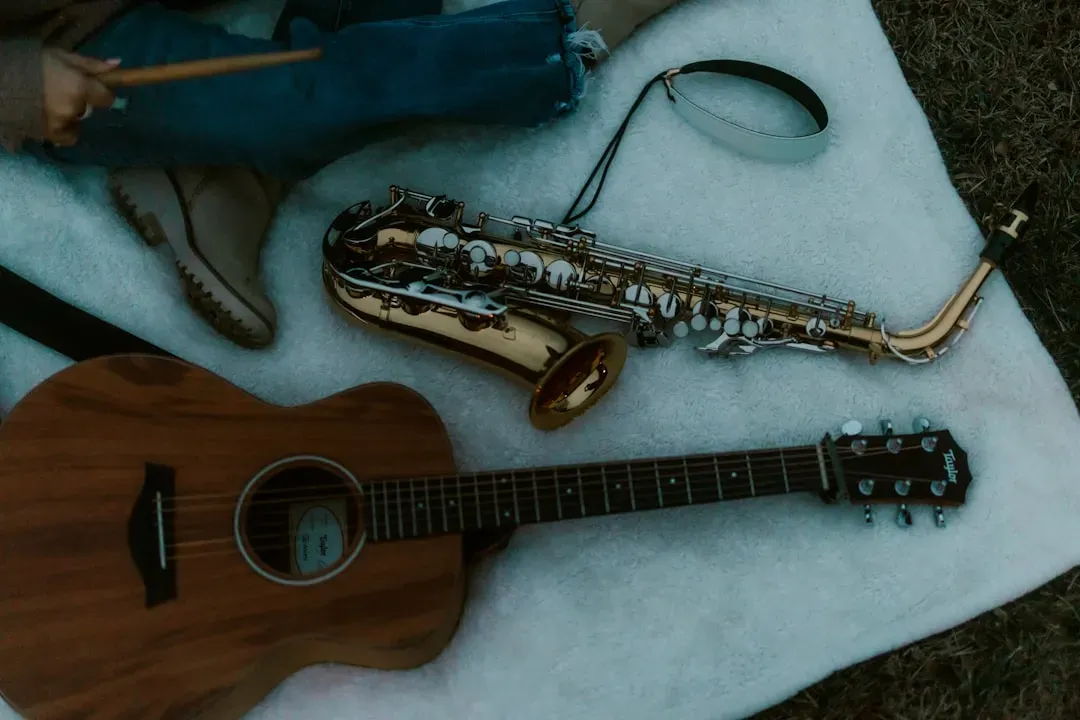
Music isn’t just about technical skill or expensive equipment. It’s about imagination, risk-taking, and the willingness to try something nobody’s done before. The songs we remember most are often the ones that dared to be different, that used sounds we never expected to hear in a track.
Whether it’s a Coke can, a broken radio, or literal thunder from a storm, these unusual sounds remind us that creativity knows no boundaries. So next time you hear a song that stops you in your tracks, ask yourself: what is that sound? Chances are, it’s something wonderfully weird. What do you think about it? Tell us in the comments.