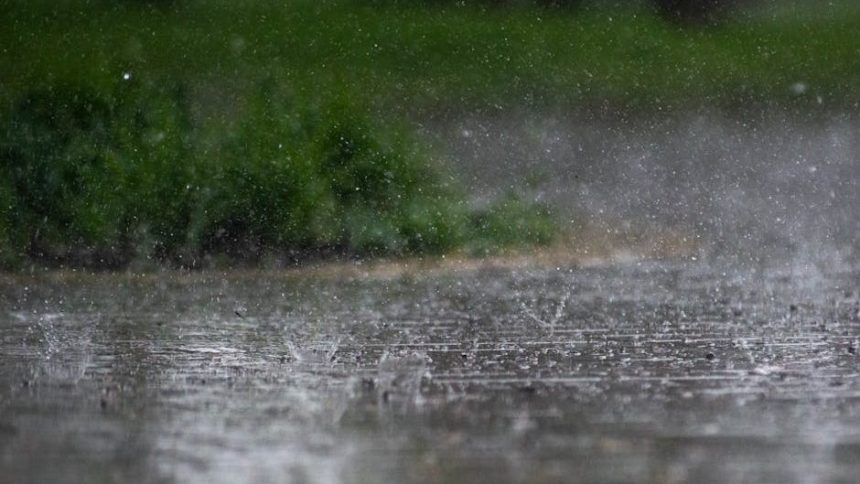

April Showers My A** (South Carolina) – Image for illustrative purposes only (Image credits: Pexels)
South Carolina residents entered April anticipating gentle showers to usher in spring growth. The month delivered sporadic downpours instead, culminating in a statewide declaration of severe drought. Officials noted that even late-month rains failed to offset months of deficits, leaving the Palmetto State parched as May began.[1][2]
Frustration bubbled online, with one Reddit user capturing the mood in a post titled “April Showers My A** (South Carolina),” pairing a forecast graphic with complaints about the weather’s unreliability. The submission highlighted ongoing rain predictions amid broader dryness.[3]
Months of Deficits Build to Crisis
The S.C. Drought Response Committee unanimously upgraded drought conditions across all 46 counties to severe on April 30. Rainfall shortfalls reached more than eight inches below normal since January 1 and over 14 inches since September 1, 2025. This period ranked among the driest in the state’s 131-year records.[1]
Winter rains never materialized, stalling groundwater recharge and streamflows. Low soil moisture hampered crop germination, while wildfire risks escalated. Aquatic species suffered, and hay supplies dwindled to critical levels in many areas.
Late Rains Provide Spotty Relief
Thunderstorms rolled through Upstate South Carolina on April 30, dropping less than a tenth of an inch in most spots, though heavier amounts occurred in isolated thunderstorms. Scattered showers continued into early May, with forecasts calling for up to a quarter-inch on May 1 and more over the weekend.[2]
Partner offer

These events prompted burn ban lifts in 12 Upstate counties, including Greenville, Spartanburg, and Anderson. Still, the precipitation proved too little to dent the deficits significantly. Officials estimated 15 to 20 inches over the next two months would be needed for recovery.[2]
Agriculture Feels the Strain
Farmers reported widespread impacts from the dry conditions. In the Midlands, peach trees showed yellowing and stunted growth despite irrigation efforts. Strawberry fields stayed mostly disease-free until recent rains raised concerns for fungal issues.[4]
The Lowcountry welcomed weekend rains but braced for increased disease pressure on watermelons, blueberries, and okra. Cucumber beetles and spider mites emerged as pests, complicating early plantings. Upstate growers eyed blueberry harvests warily after frost damage, with drought adding stress to apple fruit set.
- Delayed planting for corn, peanuts, cotton, and soybeans due to dry soils.
- Weak yields from winter grains like wheat and oats.
- Irrigation water nearing unusable levels in reservoirs.
- Fertilizer uptake slowed by parched ground.
Regional Variations Highlight Uneven Recovery
The Upstate saw the most benefit from late April showers, easing immediate fire threats. Midlands and Lowcountry regions lagged, with dry spells persisting until the final weekend. Statewide, the rains averaged under an inch in isolated pockets, far short of replenishment needs.[4]
| Region | Recent Rainfall | Key Impacts |
|---|---|---|
| Upstate | Weekend showers; more forecast | Burn bans lifted; frost-damaged fruit |
| Midlands | Weekend rain after prolonged dry | Stressed peaches; disease watch on berries |
| Lowcountry | Much-needed weekend totals | Pest surges; fungicide needs for strawberries |
Path Forward Demands Sustained Moisture
Committee members stressed that double the normal weekly rainfall for months would be required to reverse trends. The next meeting occurs May 21, with hopes pinned on weekend forecasts verifying. Water restrictions remain mandatory in many locales, urging conservation.
South Carolina’s April defied expectations, turning a proverb into a punchline for many. As May unfolds, the state watches skies closely, balancing relief from recent drops against the shadow of summer dryness.
Partner offer
Planning a trip to Vegas?
Compare hotel rates and show tickets on VEGAS.com.