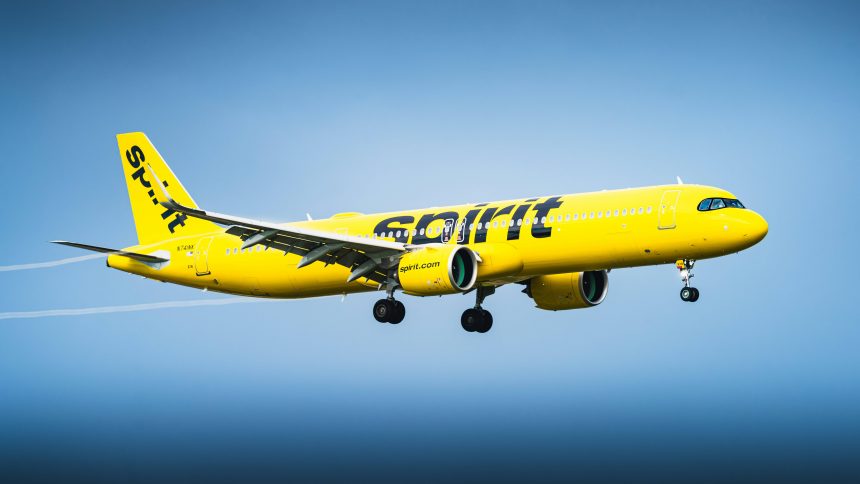
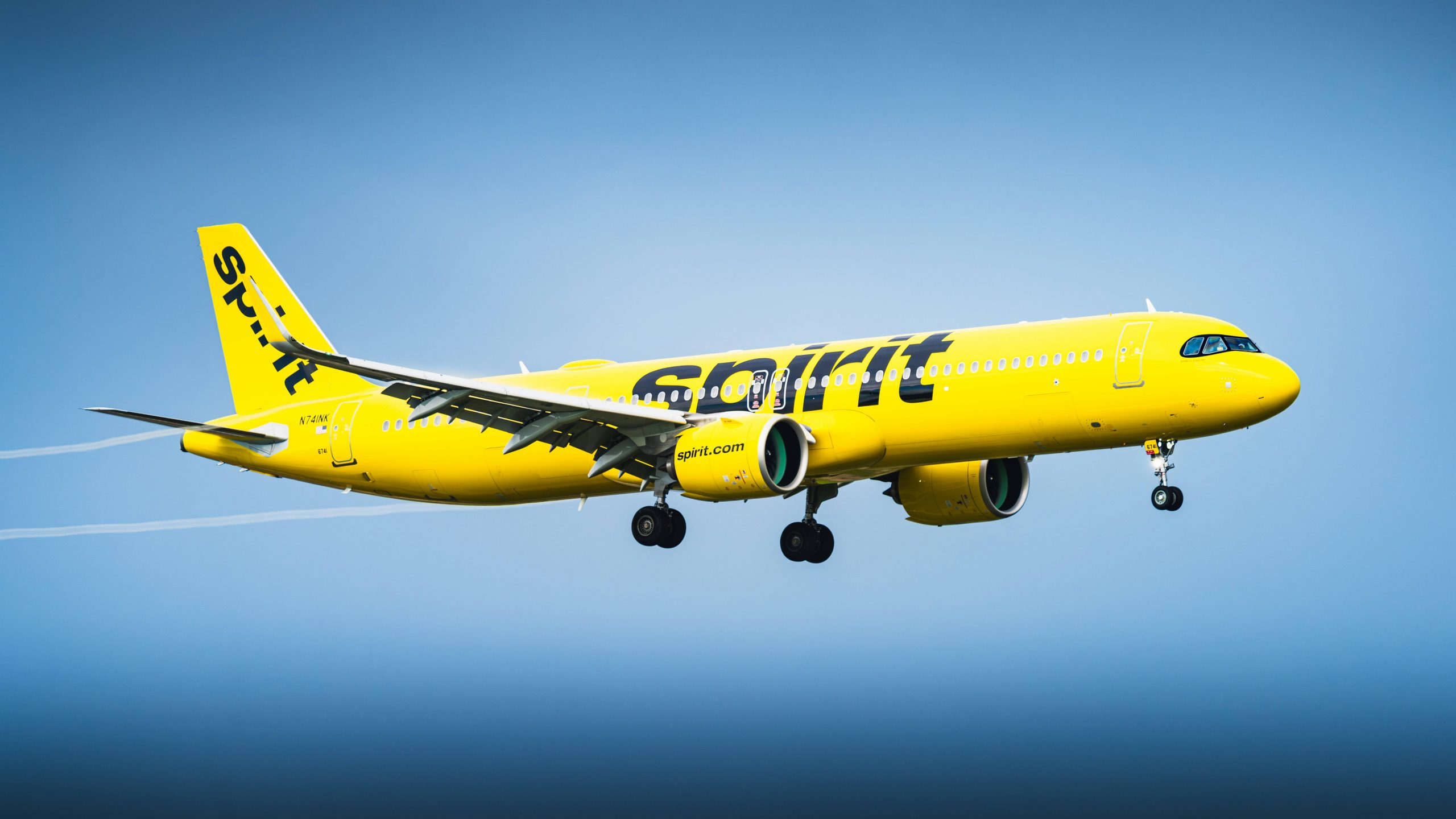

Spirit Airlines shutting down after failed effort at government rescue deal – Image for illustrative purposes only (Image credits: Unsplash)
Las Vegas — Budget airline Spirit Airlines halted all operations on Saturday, May 2, 2026, after negotiations for a $500 million government rescue package from the Trump administration fell apart.[1][2] The carrier, which offered some of the lowest fares to Harry Reid International Airport, canceled every flight and shut down customer service lines overnight. Travelers bound for the Strip now face higher costs and limited options as the ultra-low-cost model that powered millions of trips ends abruptly.[3]
A 34-Year Run Ends in Disappointment
Spirit Airlines announced the wind-down late Friday, citing an inability to emerge from its second bankruptcy restructuring.[4] The company, founded in 1992, pioneered no-frills flying with add-on fees for basics like bags and seats. Passengers received word through the airline’s investor relations site that all flights stood canceled, with instructions to avoid airports.[2]
“It is with great disappointment that on May 2, 2026, Spirit Airlines started an orderly wind-down of our operations, effective immediately,” the statement read.[5] Employees faced sudden layoffs, while the carrier prepared to liquidate assets. This closure followed years of financial strain, including a failed merger with JetBlue and rising fuel costs.
Trump Administration’s Rescue Effort Falls Short
The White House extended a final bailout proposal in recent days, but bondholders and other stakeholders withheld support needed to finalize the $500 million deal.[5] President Trump personally pushed for the lifeline, viewing it as an “America First” measure to preserve jobs and routes.[6] Transportation Secretary Sean P. Duffy coordinated relief for affected passengers even as talks collapsed.[7]
Officials described the administration’s involvement as a “significant effort” to avert shutdown, yet time ran out before Saturday’s deadline.[8] Critics questioned taxpayer funding for the carrier, which had burned through prior restructurings. The failure marked a rare government intervention attempt in the airline sector since the pandemic era.
Partner offer

Las Vegas Routes Disappear Overnight
Spirit served as a vital link for price-sensitive visitors to Las Vegas, operating frequent flights from cities like Los Angeles, Chicago, and Detroit.[9] Once the second-largest carrier at Harry Reid International, it funneled budget travelers directly to the Strip and beyond. Saturday’s halt stranded dozens at Las Vegas terminals, with many rebooking on pricier alternatives.[3]
Leisure destinations like Las Vegas stood to suffer most, as Spirit captured demand for spontaneous getaways and group trips.[3] Fares that once dipped below $50 one-way now require competitors like Frontier or Southwest, often doubling or tripling costs for last-minute changes. Local tourism officials monitored the fallout, bracing for reduced arrivals from middle-American markets.
Stranded customers in Las Vegas scrambled to rebook flights amid the chaos.
Practical Steps for Affected Vegas-Goers
The U.S. Department of Transportation activated protections, urging passengers to file claims for refunds through credit card issuers or travel insurance.[7] Airlines like Allegiant and Frontier absorbed some rebookings, though availability tightened quickly. Spirit’s website directed users to government resources for reimbursement.
- Check DOT guidelines for full refunds on prepaid tickets.
- Contact credit card companies for charge disputes within 60 days.
- Monitor Harry Reid Airport for partner airline capacity.
- Explore bus or drive options for regional trips as interim fixes.
Longer term, Las Vegas visitors should budget for 20-50% fare hikes on budget routes, analysts noted, though no precise figures emerged yet. Conventions and events planned around cheap inbound flights may shift strategies.
Ripples for Tourism and Beyond
The shutdown eliminates a key pillar of affordable air travel, reshaping choices for working-class families eyeing Vegas weekends. Hotels and casinos reliant on impulse bookers could see softer occupancy in coming months. Still, the city’s diversified traffic from majors like Delta and United provides a buffer.
Spirit’s exit underscores vulnerabilities in the ultra-low-cost segment amid economic pressures. For Las Vegas, the loss prompts questions about sustaining volume without rock-bottom prices. Travelers adapt, but the era of $39 fares to the Strip has closed, at least for now.
Partner offer
Planning a trip to Vegas?
Compare hotel rates and show tickets on VEGAS.com.