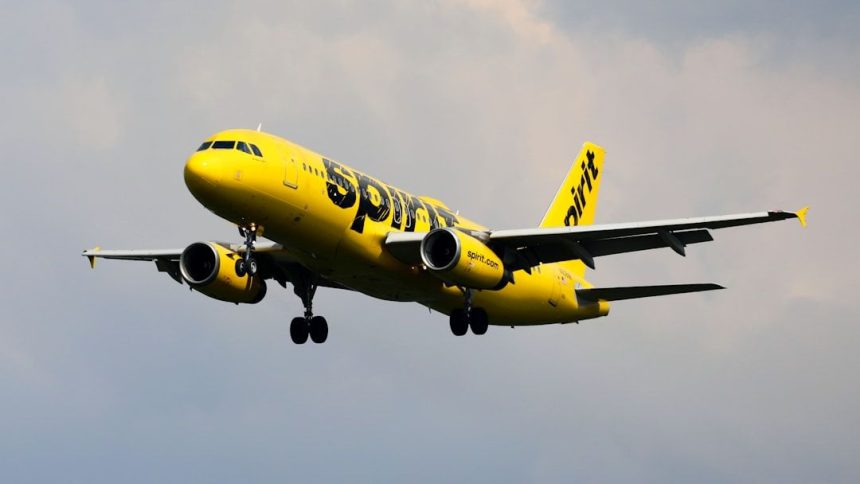
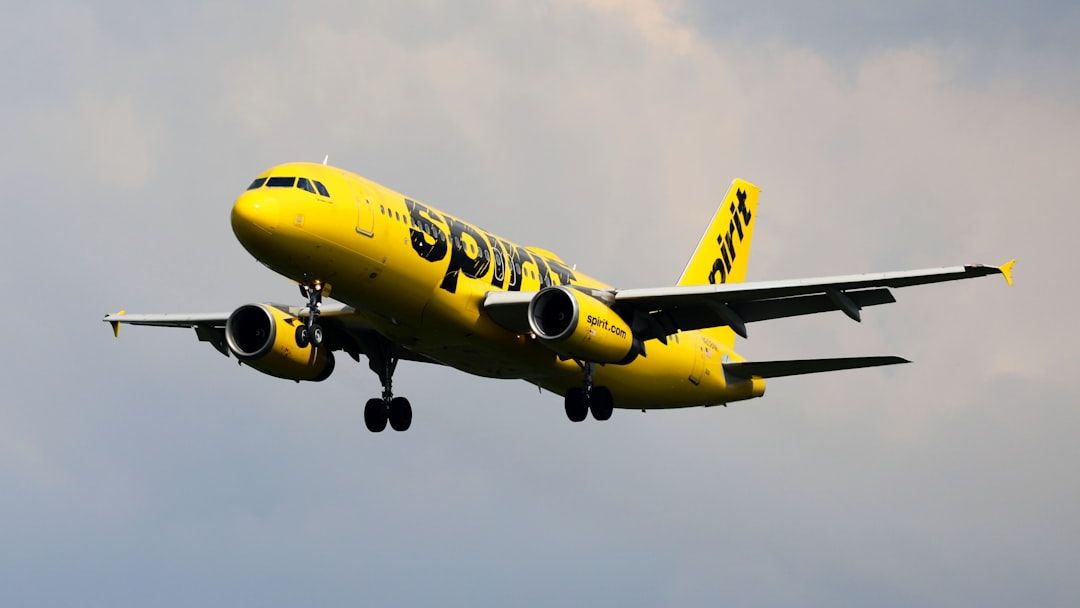
Spirit Airlines preparing to shut down: report – Image for illustrative purposes only (Image credits: Unsplash)
Miramar, Florida — The ultra-low-cost carrier Spirit Airlines confronted a dire turning point this week as a proposed $500 million government bailout unraveled, pushing the airline toward preparations to cease flights. The Wall Street Journal detailed the breakdown in reporting Friday morning, noting the company’s dwindling cash reserves amid soaring jet fuel costs.[1][2] Spirit, already navigating its second Chapter 11 bankruptcy filing from August 2025, had pinned hopes on federal support to stabilize operations.
Roots of the Crisis
Spirit Airlines entered bankruptcy last year after years of mounting losses and operational challenges. The carrier filed for Chapter 11 protection in August 2025, marking its second such restructuring in recent history.[3] By March 2026, it secured a restructuring support agreement with creditors, aiming for an exit from bankruptcy by early summer. That plan called for slashing debt from $7.4 billion to about $2 billion and rightsizing the fleet to 76-80 Airbus A320 aircraft.[4]
Surging jet fuel prices, exacerbated by the ongoing U.S. conflict with Iran, derailed those efforts. Lenders objected to the initial restructuring, citing unaccounted-for cost increases, and began exploring liquidation options.[5] Spirit’s operating margins deteriorated sharply, shifting forecasts into deeper negative territory for 2026.
Bailout Negotiations Unravel
The Trump administration emerged as a potential savior earlier this spring. Discussions centered on a $500 million infusion, possibly structured as a loan with equity stakes for the government, to bridge Spirit’s cash shortfall.[6] Reports indicated the deal neared completion, with White House figures weighing pros and cons during internal deliberations.[7]
Those talks collapsed when Spirit exhausted its liquidity faster than anticipated. Creditors shifted focus to Chapter 7 liquidation proceedings, which could force an immediate halt to flights. A bankruptcy court hearing on rescue terms, originally set for late April, faced delays as negotiations dragged on.[8] As of May 1, Spirit maintained it continued normal operations but issued warnings of potential closure within days absent new funding.[9]
Consequences for Travelers, Workers, and Routes
Passengers holding tickets faced immediate uncertainty. The airline urged travelers to monitor updates, as a liquidation could void bookings without refunds through standard channels. Budget routes, particularly in secondary markets, stood most vulnerable to disruption.[10]
Partner offer
Thousands of employees braced for layoffs. Spirit already trimmed flights in dozens of cities amid its survival push. Competitors like United and Frontier eyed opportunities to absorb routes or capacity, though industry experts anticipated short-term fare pressures on low-cost segments.[11]
- Travelers: Rebook via credit card issuers or competitors; monitor DOT protections.
- Employees: Potential severance tied to bankruptcy proceedings.
- Airports: Loss of service on 100+ routes, hitting smaller hubs hardest.
- Creditors: Recovery through asset sales, including aircraft fleet.
Industry and Policy Ramifications
The saga highlighted vulnerabilities in the ultra-low-cost model during geopolitical shocks. Jet fuel spikes from the Iran conflict amplified Spirit’s woes, prompting debates over federal intervention in single-carrier rescues. Critics argued such bailouts rewarded mismanagement, while supporters pointed to job preservation and route continuity.[12]
Spirit’s stock plunged over 36% in pre-market trading following initial reports, reflecting investor skepticism.[13] Rival airlines held steady, with some quietly positioning for market share gains. Prediction markets pegged shutdown odds around 35% by month’s end, underscoring the fluid situation.[14]
Regulators monitored closely, ready to intervene on consumer protections if operations wound down. The Department of Transportation stayed silent on specifics.
Uncertain Path Forward
Spirit reassured customers Friday that flights ran on schedule, buying precious time for last-ditch creditor pacts or alternative financing. Liquidation remained a possibility but not the base case, sources indicated.[15] Yet with cash reserves critically low, the carrier’s survival hinged on swift resolution.
The episode served as a stark reminder of aviation’s thin margins in turbulent times. For now, Spirit clung to the runway, but the runway appeared perilously short.
Partner offer
Planning a trip to Vegas?
Compare hotel rates and show tickets on VEGAS.com.