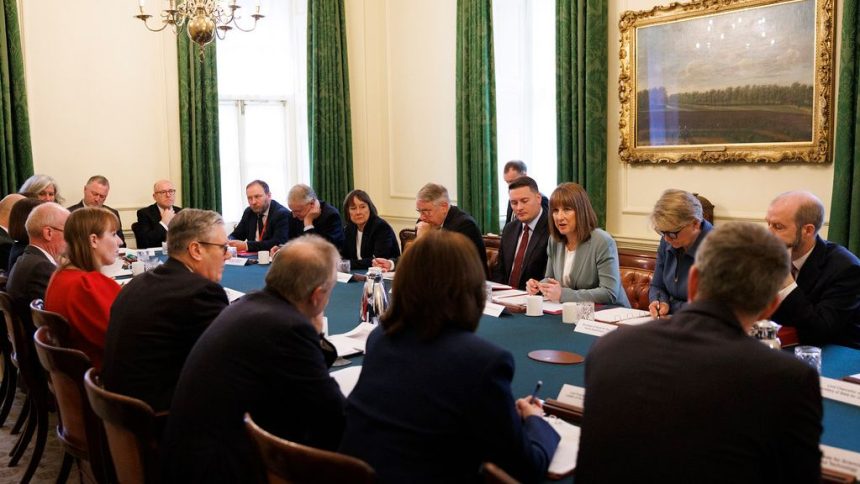
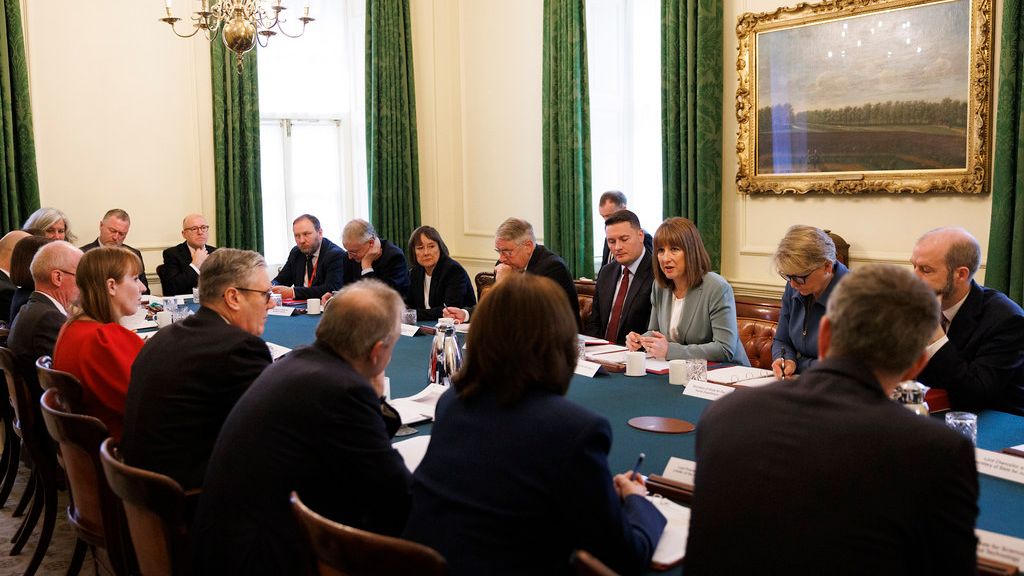
How can Starmer’s cabinet look each other in the eye? – Image for illustrative purposes only (Image credits: Flickr)
London prepares for a cabinet gathering that promises more tension than usual. Prime Minister Keir Starmer must navigate discussions with colleagues who have pressed him to outline a timeline for stepping down. At the same time, Andy Burnham has released a launch video aimed at voters in Makerfield, raising fresh questions about his own longer-term intentions within the party.
Burnham Tests the Waters in Makerfield
Burnham opened his campaign with a direct appeal to local voters. Observers noted the video carried the tone of someone already thinking beyond the immediate parliamentary seat. His move arrives just as national attention turns back to the government’s internal dynamics in the capital.
The timing adds another layer to ongoing conversations about leadership direction. Burnham’s pitch focuses on regional priorities, yet it inevitably draws comparisons to national roles. Colleagues in Westminster will watch closely for any signals about his broader ambitions.
Why the Cabinet Session Carries Extra Weight
Starmer enters the meeting aware that several ministers have already voiced support for a clear exit strategy. This creates an unusual atmosphere where routine business must share space with unspoken personal calculations. The prime minister’s ability to maintain authority rests partly on how he addresses these undercurrents.
Partner offer
Ministers who have questioned his long-term plans now sit across the table from him. Their earlier comments place them in a delicate position during collective decision-making. The session therefore tests both personal relationships and the government’s capacity to function smoothly.
Handling Ministers Who Lack Confidence
Questions arise about the practical steps that follow when a minister states they do not want the current prime minister to continue. Starmer would then face a choice about whether to retain that individual in the team. Such situations rarely resolve without ripple effects across departments.
Officials must weigh the need for unity against the reality of differing views on leadership succession. Any public friction could distract from policy delivery in the coming weeks. The government’s ability to project stability depends on managing these private disagreements discreetly.
What matters now: Clear communication inside the cabinet will determine whether routine business continues without distraction or whether internal doubts begin to shape public perception of the government’s direction.
Looking Ahead to the Next Phase
The coming weeks will reveal how Starmer balances competing pressures within his team. Ministers who have expressed reservations must decide whether to align fully with current leadership or maintain distance. Their choices will influence both day-to-day operations and longer-term party cohesion.
Observers expect the focus to remain on delivering results rather than personal positioning. Yet the underlying questions about future leadership will not disappear quickly. How the prime minister steers through this period will shape the tone of government business for months ahead.
Partner offer
Planning a trip to Vegas?
Compare hotel rates and show tickets on VEGAS.com.