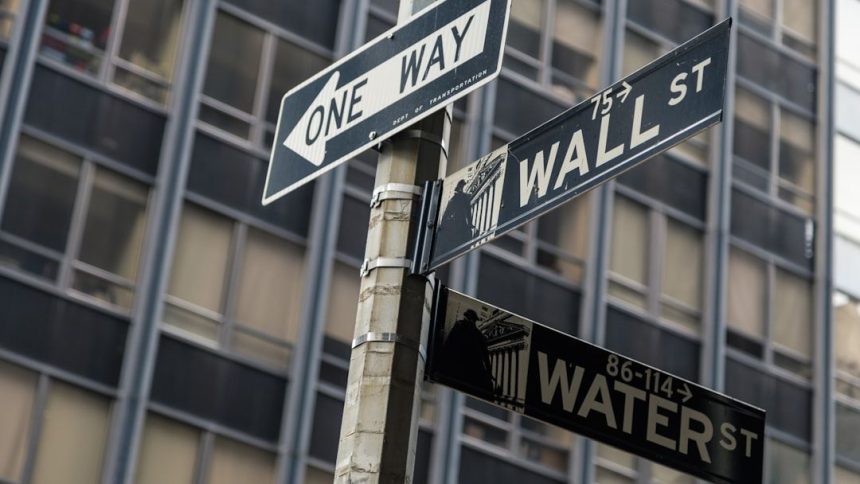
Wall Street edges lower, oil prices volatile after Trump warns the Iran 'clock is ticking' – Image for illustrative purposes only (Image credits: Unsplash)
Traders entered the new week with measured expectations after futures on leading U.S. indexes pointed lower ahead of the opening bell. The early moves followed remarks from President Donald Trump that described the timeline for U.S.-Iran negotiations as increasingly urgent. Oil prices, sensitive to any shift in Middle East developments, displayed noticeable swings in overnight trading.
Pre-Market Movements Take Shape
Futures tied to the S&P 500 declined 0.3 percent in the hours before regular trading began. Similar patterns appeared in contracts linked to the Dow Jones Industrial Average, reflecting a broad but contained pullback. Market participants cited the combination of stalled diplomatic efforts and the president’s direct language as the primary driver behind the positioning.
Energy contracts moved in the opposite direction at times, with crude benchmarks posting both gains and losses within a short span. Such volatility often surfaces when geopolitical statements intersect with supply concerns, even before official trading sessions commence.
Details Behind the Presidential Warning
President Trump addressed Tehran directly, stating that the “clock is ticking” on efforts to reach a lasting agreement. The comment arrived as discussions aimed at securing a permanent end to the ongoing conflict showed little forward progress. Officials on both sides have yet to bridge key differences that have kept the talks from advancing.
Partner offer
The phrasing underscored a sense of limited patience from the U.S. side. Negotiators now face added pressure to demonstrate tangible movement or risk further escalation in public statements. Observers noted that such language can influence market sentiment even when no immediate policy change is announced.
Stakeholders Weigh Potential Effects
Investors holding broad equity positions monitored the situation for signs of sustained pressure on valuations. Energy producers and refiners tracked oil price swings closely, given the sector’s direct exposure to any disruption in supply routes or diplomatic relations. Airlines and transportation companies, which rely on stable fuel costs, also stood to feel ripple effects if volatility persists.
Portfolio managers reviewed exposure levels across asset classes, adjusting hedges where necessary. Central bank officials and economic analysts, meanwhile, considered how prolonged uncertainty might feed into inflation readings or growth forecasts later in the quarter. The episode illustrated once more how statements from senior policymakers can transmit quickly into financial pricing mechanisms.
Looking Ahead at Market and Diplomatic Paths
Attention now turns to the next round of scheduled discussions and any follow-up comments from the White House or Iranian representatives. Market participants will watch for concrete signs of renewed momentum or further delays. In the absence of immediate resolution, analysts expect continued sensitivity in both equity and commodity trading.
The episode serves as a reminder that diplomatic timelines and market reactions remain closely linked. Participants across sectors continue to assess how developments unfold in the coming days.
Partner offer
Planning a trip to Vegas?
Compare hotel rates and show tickets on VEGAS.com.