Catalog libraries look stable on the surface, but the fine print behind every streaming deal has an expiration date. Over the past year, several beloved films have vanished from major platforms not because anyone made a creative decision, but because the underlying licensing agreements ran their course or fell apart during renegotiation. Some of these titles are landing in new homes, others are simply gone until someone writes a new check, and a few purchased copies are disappearing outright.
Terminator 2: Judgment Day

James Cameron’s 1991 sequel has become something of a case study in how fragile digital ownership really is. Sony is removing 551 StudioCanal movies from the PlayStation Store on September 1, 2026, including Terminator 2, Paddington, and Moonlight, with no refunds for past purchases. That means anyone who paid for a digital copy years ago loses access entirely once the license window closes.
The film is also caught up in a separate dispute on the subscription side. Terminator 2 is among the movies leaving Netflix in January 2026, part of a broader wave of departures tied to expiring rights deals. The removals are the result of expired licensing agreements between Sony and French production company StudioCanal, and when a digital storefront sells a movie, it’s doing so under a licensing deal with the studio that owns the film, so if that deal ends and isn’t renewed, the storefront loses the right to distribute the content.
Mad Max: Fury Road

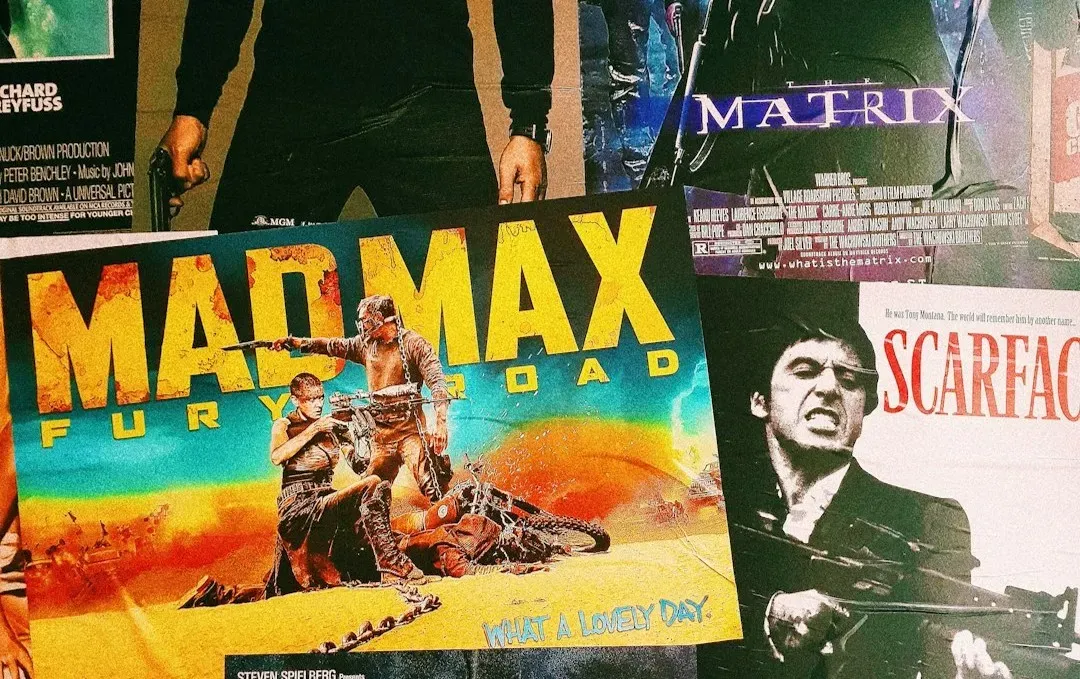
George Miller’s 2015 action landmark has been one of Netflix’s more prestigious library titles for years, which made its removal sting a little more than most. Mad Max: Fury Road is among the movies leaving Netflix in January 2026, grouped with a batch of more than a hundred other films losing their spot on the service. Netflix is set to lose over 40 films and shows to start 2026, with Mad Max: Fury Road leading the list as George Miller’s magnum opus.
The pattern is familiar to anyone who has watched a title drift in and out of a streaming catalog before. It’s common practice for streaming services to lose a batch of titles every month as rights expire and new films and television series are ushered in, though Netflix is playing the role of the Grim Reaper particularly hard to kick off 2026, with more than 40 prominent movies leaving as contracts lapse. Whether Fury Road resurfaces on Netflix again likely depends on how badly the platform wants to pay for another term.
Apocalypse Now

Francis Ford Coppola’s Vietnam War epic sits on the same StudioCanal list caught in the PlayStation Store wind-down, a fate that has little to do with the film’s reputation and everything to do with contract math. The titles being pulled include some genuinely well-known films, among them Apocalypse Now, along with the first three Rambo films and Bridget Jones’ Diary. These are not obscure catalog fillers; they are films regularly cited on best-of lists, which makes the quiet removal feel more jarring.
What makes this particular dispute notable is the scale involved. Rather than a handful of titles slipping away, an entire studio partnership is dissolving at once, and that kind of bulk removal tends to happen when a licensing renewal simply doesn’t pencil out financially for one side or the other. Owners of digital copies are left with no recourse once the September cutoff hits.
Paddington and Paddington 2


Both entries in the beloved bear franchise are swept up in the same StudioCanal dispute affecting the PlayStation Store. Sony is removing 551 StudioCanal movies from the PlayStation Store on September 1, 2026, including Terminator 2, Paddington, and Moonlight, with no refunds for past purchases. For a franchise built on warmth and family goodwill, the removal has drawn an unusually strong reaction from viewers who assumed a purchased film would stay purchased.
The mechanics behind it are straightforward even if the outcome feels unfair to consumers. Sony has officially confirmed that 551 StudioCanal films and TV shows will be removed from the PlayStation Store and from users’ personal libraries on September 1, 2026, a list that includes Paddington and Paddington 2 alongside other well-known titles. Sony had already stopped selling new titles through the storefront years earlier, so this marks the final chapter for that catalog rather than a new policy.
Moonlight

Barry Jenkins’ Oscar-winning drama is arguably the most critically celebrated film swept into the StudioCanal dispute, and its inclusion underscores that awards pedigree offers no protection from licensing math. The titles being pulled include genuinely well-known films such as Moonlight, Silver Linings Playbook, and Manchester by the Sea. It is a reminder that even films with cultural weight are treated as line items in a contract renewal spreadsheet.
For viewers who built a personal library around prestige cinema rather than blockbusters, the loss lands differently than a superhero sequel disappearing. When a digital storefront sells a movie, it’s doing so under a licensing deal with the studio that owns the film, and if that deal ends and isn’t renewed, the storefront loses the right to distribute the content, including to customers who already purchased it. No alternate PlayStation Store availability has been announced for the film as of the removal date.
Elvis


Baz Luhrmann’s 2022 biopic became a modern classic almost immediately, earning strong reviews and an Oscar nomination for Austin Butler’s lead performance. Despite that recent pedigree, it is among the titles caught in Netflix’s early 2026 licensing purge. Elvis is among the movies leaving Netflix in January 2026, part of the same wave that also claimed Runaway Bride and Doctor Sleep.
The removal illustrates a broader shift in how quickly films now move between platforms compared to a decade ago. Netflix is removing over 100 popular movies from its selection starting January 1, 2026. A film can arrive on a service with fanfare and vanish within a couple of years once its licensing term concludes, regardless of how recently it was released.
Alvin and the Chipmunks


The animated franchise’s departure from Disney+ traces back to a studio-to-studio licensing arrangement rather than a dispute between a streamer and an outside distributor. The classic animated films are leaving because 20th Century Studios’ licensing deal with Universal expired. Because 20th Century Studios now sits under the Disney umbrella, the situation shows how even in-house catalogs depend on separate rights agreements with outside partners like Universal.
It also highlights a quieter kind of licensing tension, one where two corporate siblings still need a formal agreement to keep a shared franchise on a single platform. Without a renewed deal in place, Disney+ loses the ability to stream the films even though it technically controls the studio that made them. Fans hoping the Chipmunks resurface elsewhere will likely need to watch for a new distribution announcement from Universal.
Bridget Jones’s Diary


The 2001 romantic comedy rounds out the StudioCanal removals hitting the PlayStation Store, sitting alongside heavier fare like Apocalypse Now in a somewhat unusual grouping. The titles being pulled include Bridget Jones’ Diary among many other well-known films. Its presence on the list is a reminder that these bulk delistings sweep across genres indiscriminately once a distribution agreement lapses.
For a film that still draws steady rewatch numbers on streaming platforms, the abrupt cutoff feels less like a curated programming choice and more like the natural end of a business relationship. The removals are the result of expired licensing agreements between Sony and French production company StudioCanal. Whether the romantic comedy resurfaces through another retailer or streaming partner depends entirely on StudioCanal’s next distribution decisions.
What comes next for library titles


The pattern across all eight of these films points to the same underlying reality: streaming and digital retail libraries are built on temporary leases, not permanent ownership. Unlike owning a DVD or digital download, streaming services typically do not own the rights to most of the shows and films they offer, instead leasing them under time-limited contracts that end the content’s availability once they expire. Renewal negotiations typically begin well before a title actually disappears, but there’s no guarantee a deal gets struck in time, or at all. This trend has intensified as more competitors enter the market, with services reclaiming properties that once thrived elsewhere. For viewers, the safest assumption is that nothing on a streaming platform, no matter how iconic, is guaranteed to stay put.