



Most people tuck a concert ticket into a pocket, forget about it for a week, and eventually toss it in the recycling. It feels like the natural end of the story. The show is over, the memory lives on, and the paper stub seems like clutter. Except that for a growing number of collectors, that crumpled piece of paper might be worth considerably more than anyone imagined.
Music memorabilia is a popular collectible category, and vintage concert tickets are valued by collectors as they hold a lot of nostalgia for bands of the past. The market for physical stubs has quietly expanded over the years, driven by nostalgia, a hunger for tangible history, and a broader collectibles boom that shows no sign of slowing down.
The Collectibles Market Is Bigger Than Most People Realize

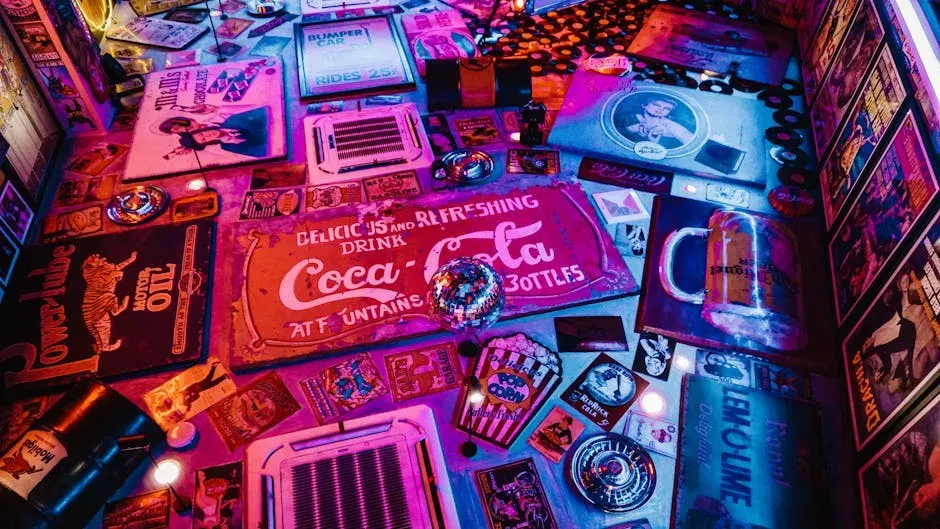
Blue-chip items from legendary artists have bucked broader downward trends in the collectibles market, and movie and music memorabilia have emerged as legitimate categories, with rare items tied to legendary artists consistently beating expectations at auction. This isn’t a niche hobby anymore. It’s a serious market with real money behind it.
Music and early artist auctions have confirmed this momentum, with almost all items exceeding pre-sale high estimates. Concert tickets, once overlooked in favor of instruments and signed albums, are increasingly drawing attention from seasoned collectors and first-time buyers alike.
Certain Artists Make Certain Tickets Extraordinarily Valuable

The first thing to understand is that certain artists have the most coveted stubs, and they’re pretty much the names you’d expect. Artists with more valuable stubs include the Beatles, Jimi Hendrix, Led Zeppelin, the Rolling Stones, Pink Floyd, the Who, Bob Dylan, Eric Clapton, Nirvana, the Doors, Queen, and Janis Joplin. If you attended a show by any of them, it’s worth pausing before discarding anything.
Older tickets that date back to when original band members played are particularly more valuable, such as The Who with Keith Moon before 1978, Led Zeppelin with John Bonham before 1980, or the Rolling Stones with Brian Jones before 1969. The specific lineup on the night can make a meaningful difference in what a ticket will fetch.
Historic Concerts Produce Some of the Highest Prices


Certain concerts over the years have produced more valuable ticket stubs than others. This includes Woodstock Festival 1969, which was a massive cultural phenomenon tied to protesting for peace against the Vietnam War and became an example of what that generation was all about. No one has ever been able to recreate such an event, making the tickets quite valuable.
In one documented case, a vintage Beatles ticket sold for $16,488. And tickets for the final performance of Buddy Holly, Ritchie Valens, and The Big Bopper have climbed in value to around $17,000. A single night can define a ticket’s worth for decades to come.
Condition and Format Matter More Than You’d Think

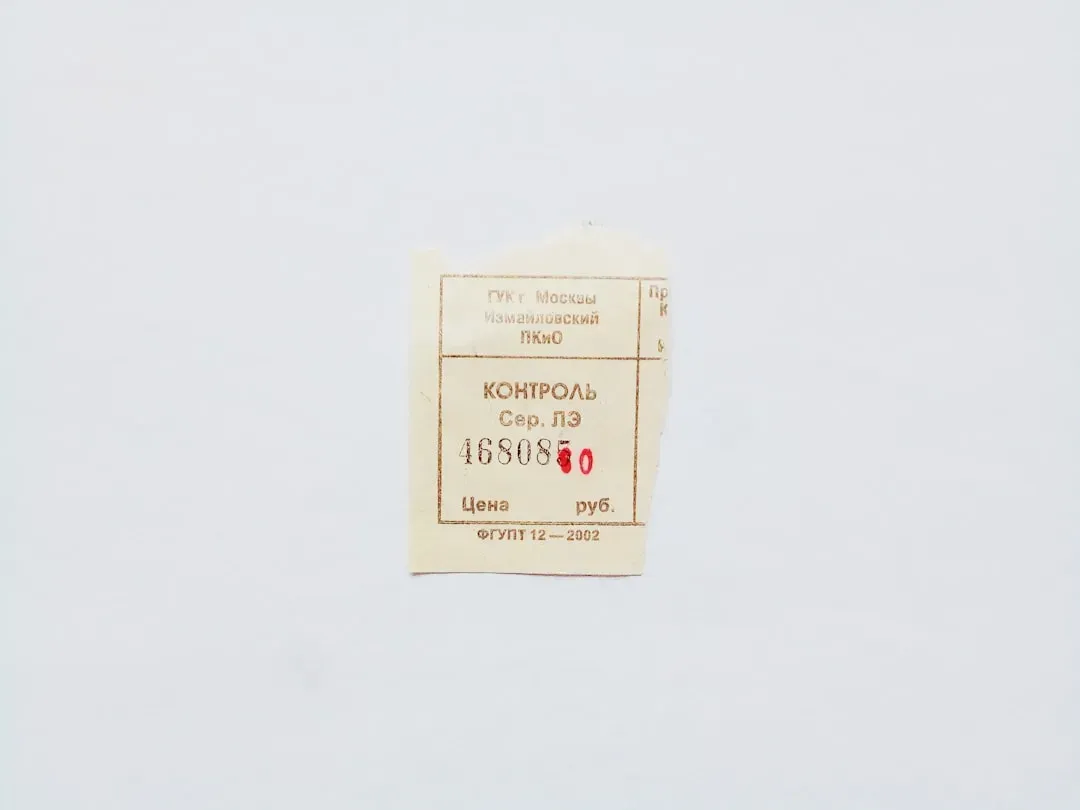
Typically, the most in-demand item is a full ticket in its original condition, but if the ticket stub contains important information about the concert, it can still be worth something. So even a torn half isn’t necessarily worthless, depending on what details survive.
Vintage concert tickets that have an image of the artist or band on the front are highly collectible. A band’s logo or a specific graphic referring to that particular tour will also add to its value. The more information on a ticket stub, the more valuable. Design, detail, and completeness all feed into the final price.
Cultural Relevance Can Spike Value Overnight


Sometimes a ticket has more than just historical significance. It could be that the ticket has some sort of relevancy in current culture. If a band is in the news a lot or something significant is going on with them, the value of their past concert tickets could skyrocket. A documentary, a biopic, a death, a reunion tour – any of these can shift prices dramatically in a short window.
Partner offer

Collectors will shell out more money for tickets that have some sort of historical significance. Tickets for the final performance of a popular artist, for example, will tend to sell for more. Timing plays a real role in this market, and cultural moments can turn average stubs into sought-after finds.
Professional Grading Can Unlock Serious Value

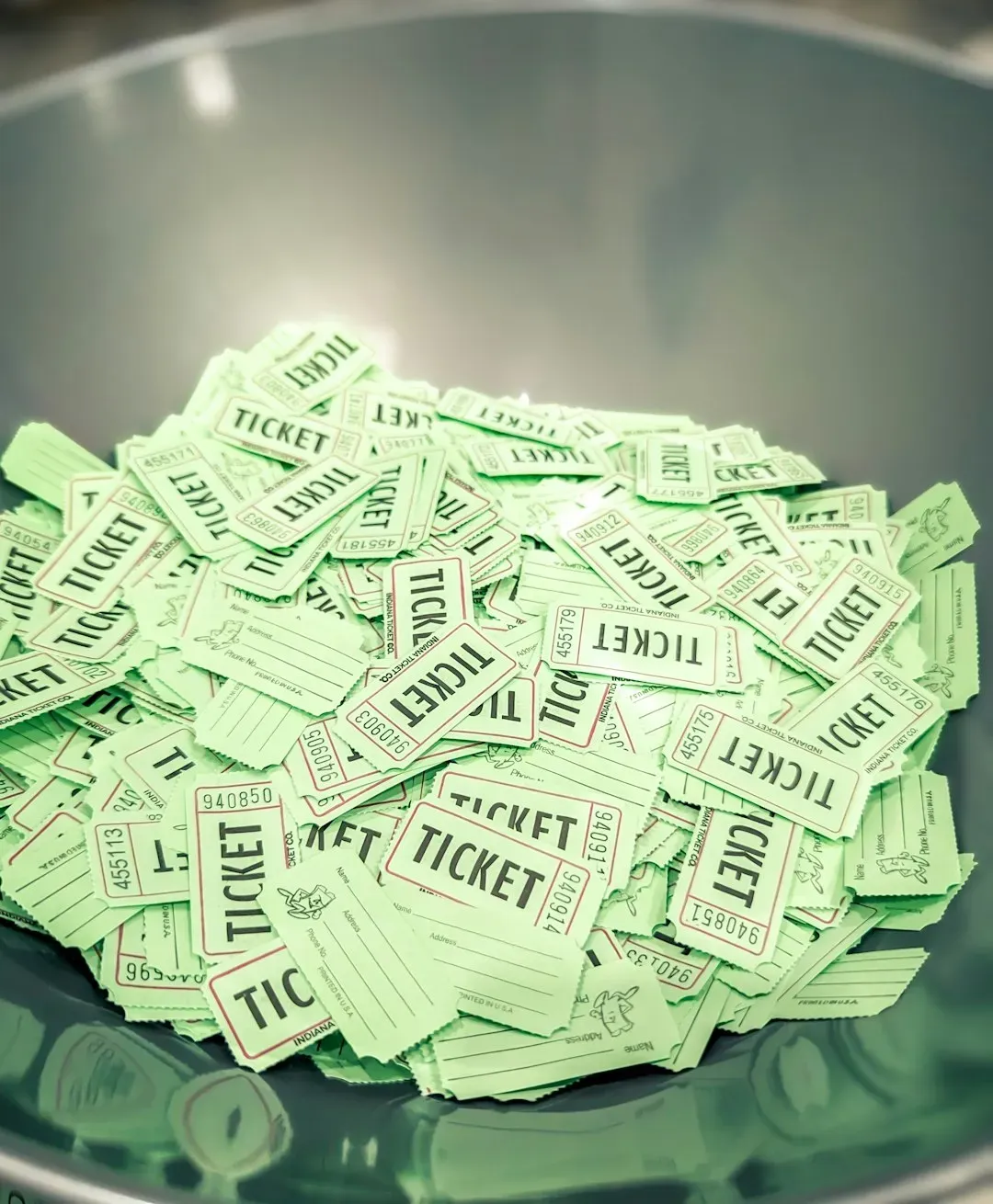
PSA has established a recognized and respected universal grading standard for ticket collectors, encapsulating every eligible and authentic ticket in a tamper-evident, sonically-sealed case. These durable acrylic cases provide protection from pressure and most other kinds of damage, and once sealed, the ticket remains secure from further wear.
Raw item sales are subject to differences of opinion regarding condition. Grading can increase the value of your items compared to their raw condition value while making the buying and selling process more transparent, and as part of the process, Beckett thoroughly inspects all aspects of each item to validate its authenticity. A professional grade turns a loose stub into a verifiable, tradeable asset.
Even Modest Tickets Sell on the Open Market

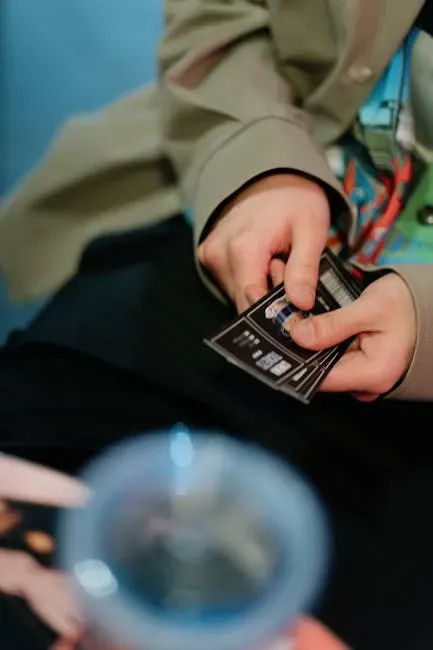
Other concert tickets are still valuable even if they don’t reach the hundreds and thousands that bands like Pink Floyd or Nirvana command. Sellers list a wide range of stubs across artists and prices. A Red Hot Chili Peppers ticket stub from a 2006 show at New York City’s Irving Plaza is listed at $20, while a Grateful Dead stub goes for $35 and a Madonna ticket for $20.
For the dedicated fan, a framed ticket from Led Zeppelin’s last scheduled concert in 1977 is listed at $500. The point is that there’s a buyer for almost every era and every artist, and the secondary market is broader than most people assume.
How to Properly Store Tickets You Decide to Keep

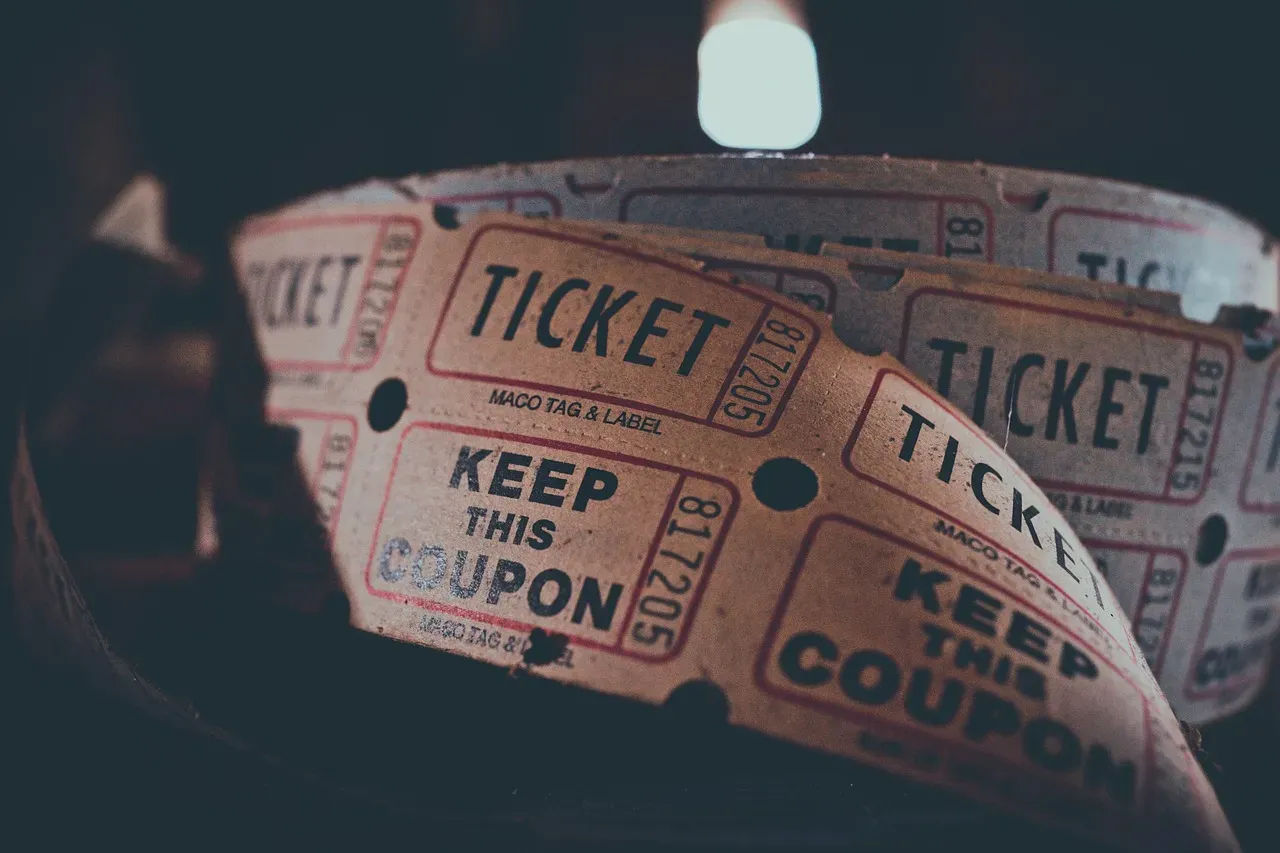
Store tickets at room temperature out of direct sunlight, and be sure to store them away from humidity to prevent other types of damage. These basics go a long way toward preserving condition over the long term, which directly affects future value.
A cool, dry space with roughly 30 to 50 percent relative humidity, away from direct heat, works well for storage. Keep tickets away from heaters, sunny windowsills, kitchens, bathrooms, and cars, and choose a closet or drawer in your living area rather than an attic, garage, or basement. Simple precautions can be the difference between a pristine collectible and a faded, brittle stub that nobody wants to buy.
The Digital Age Has Not Killed Physical Ticket Collecting

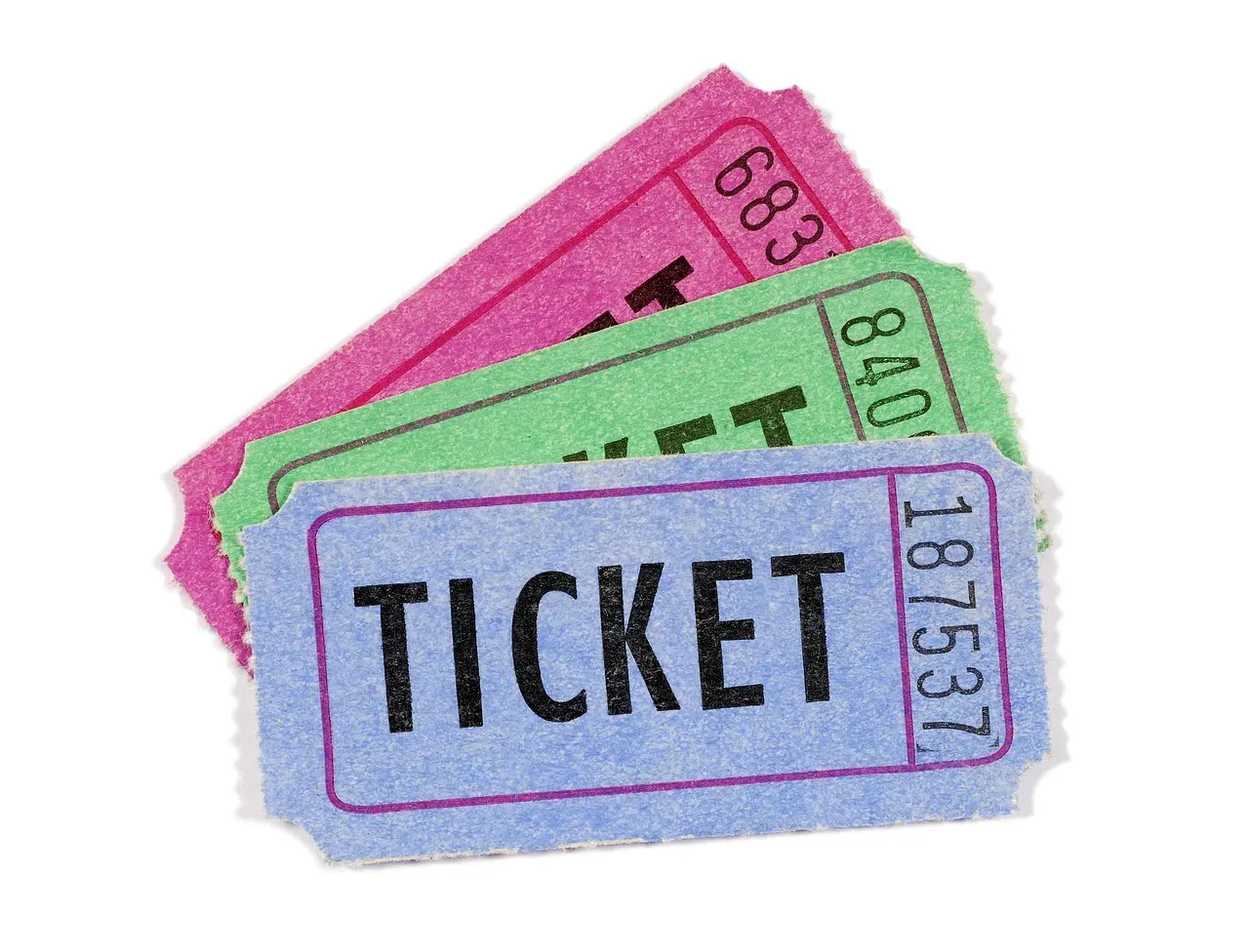
In a world increasingly defined by digital ephemera, the hunger for tangible, storied objects has never been stronger. This applies just as much to paper ticket stubs as it does to vintage records or hand-typed setlists. Physical objects carry a weight that a screenshot simply cannot replicate.
Thousands of collectors from across the globe continue to purchase tickets to relive favorite memories, add missing pieces to their collections, or provide gifts. Tickets sold by dedicated dealers have gone on to be displayed in museum exhibits, paired with professional photography artwork, and included in special box sets. Far from going out of fashion, physical ticket collecting has found new audiences and new prestige.
What to Do Before You Throw Anything Away
When assessing value, specialists primarily look at condition and what happened at the event, seeking either special moments or milestones that make a ticket collectible and thus more valuable. Before tossing anything, it’s worth spending a few minutes identifying what you actually have.
Not all vintage concert tickets will become super valuable. Factors such as historical importance, rarity, and condition all have an impact on a ticket’s value. The simplest first step is to check comparable sold listings on auction platforms to get a realistic sense of what a given stub is actually trading for today. A five-minute search has more than once turned a would-be piece of trash into something worth holding onto.
Partner offer
Planning a trip to Vegas?
Compare hotel rates and show tickets on VEGAS.com.


