If you live on the west side of Las Vegas, you already know the feeling. You’re sitting on the 215, barely moving, watching the clock tick, wondering why you didn’t leave ten minutes earlier. It happens more often than it should. The good news is that there’s a route hiding in plain sight that many drivers underutilize, even during the worst of it. Summerlin Parkway, a six and a half mile freeway corridor connecting the master-planned community of Summerlin to downtown Las Vegas, has a lot more going on under the hood than most people realize. Let’s get into it.
The Road Itself: What Summerlin Parkway Actually Is
State Route 613, also known as Summerlin Parkway, is a freeway in the western portion of the city of Las Vegas, Nevada, connecting Clark County Route 215 to Interstate 11 and US Route 95, while serving the master-planned community of Summerlin. That’s the technical version. The practical version is that it’s your express lane out of the west valley madness when the beltway grinds to a halt.
Summerlin Parkway was originally constructed by the developer of the planned Summerlin community to connect it with US 95 east toward Downtown Las Vegas, and since it was privately constructed, it was not initially part of the state highway system. The freeway stretches just 6.5 miles west from US 95 to CC-215. The Nevada Department of Transportation took over maintenance of Summerlin Parkway in 2019, and the freeway was officially designated State Route 613.
Why the 215 Keeps Letting You Down
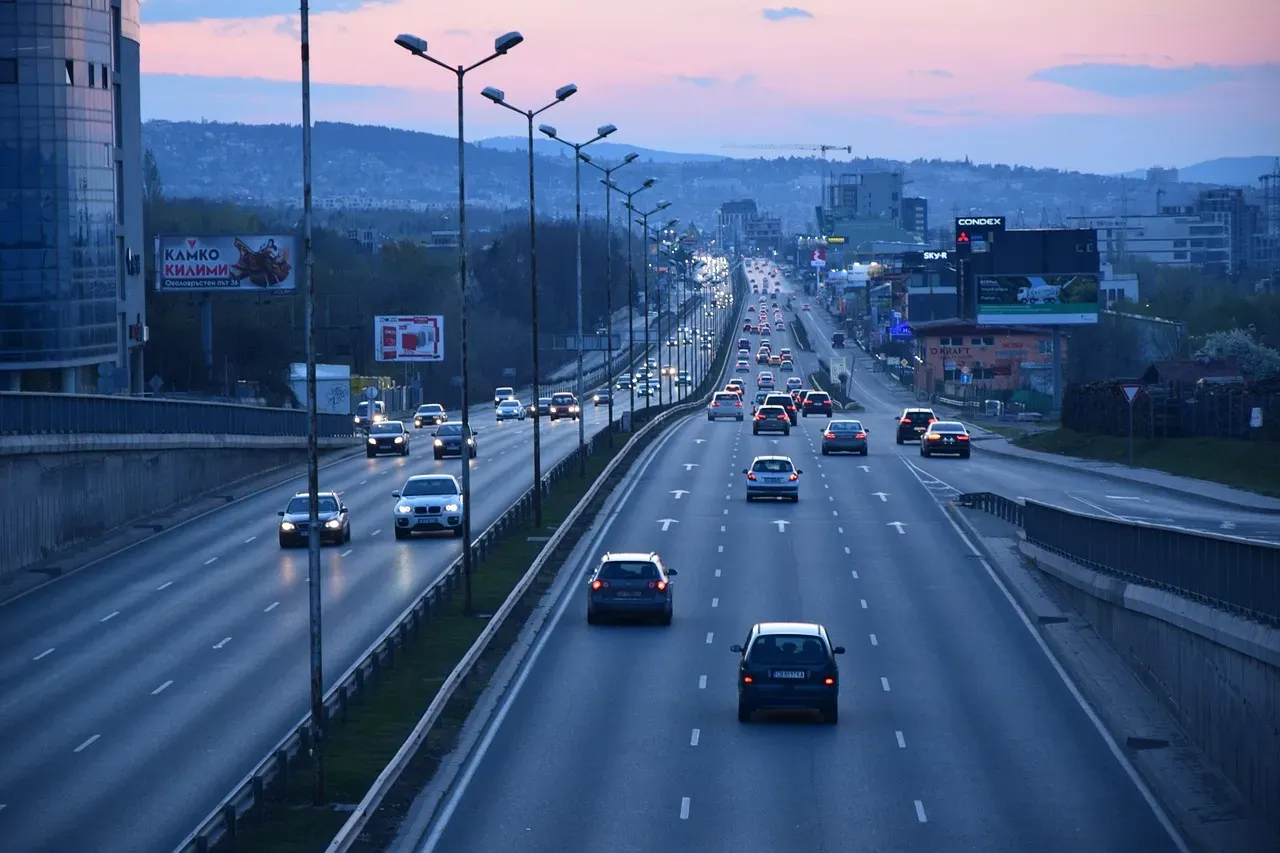
Traffic troubles are a persistent top-of-mind issue for drivers in Las Vegas, particularly on the 215 Beltway, which has seen road construction and significant backups for well over a year. Honestly, it’s not just construction. It’s the sheer volume. Locals employed outside of the hospitality industry clog the merge lanes on the I-215 between 7:30 a.m. and 8:30 a.m. and again at 4:30 p.m. to 5:30 p.m., and it’s pretty much inevitable.
On top of everyday slowdowns, multiple widening projects are happening simultaneously across the beltway. When construction kicked off in early 2025, three major freeway construction projects were going on at the same time around the Las Vegas Valley, and the 215 and Summerlin Parkway Interchange project was expected to cause serious headaches for drivers, just as previous projects had.
The $130 Million Interchange Overhaul You Need to Know About
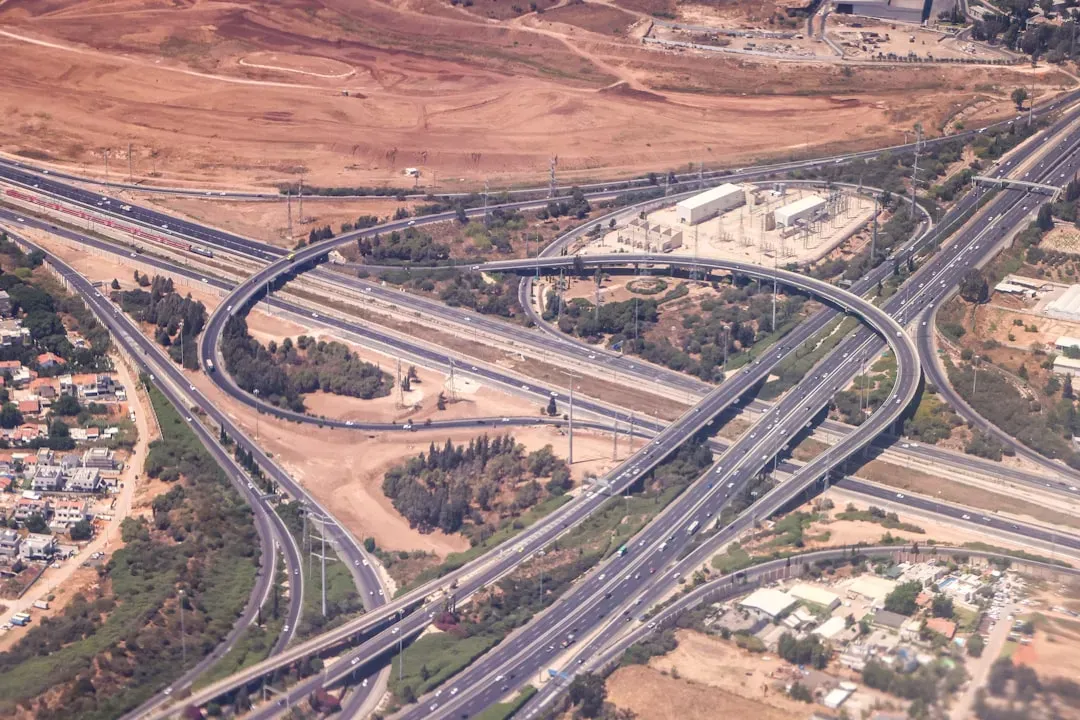
Here’s something a lot of west valley commuters are not fully tracking: the intersection where the 215 meets Summerlin Parkway is being completely rebuilt right now. The $130 million construction project by Clark County Public Works is scheduled to last three years and will redesign the on and off ramps to improve traffic flow, reduce congestion, and improve safety for drivers. That means the clunky stop signs and signal lights that made this interchange such a drag will eventually be gone.
Around February 2025, construction began on the interchange upgrade of the beltway and Summerlin Parkway, and as of early 2026, it remains under construction. So yes, right now is genuinely the worst time to be sitting at that interchange, but it will get better. Additional work will be done to improve signage and lighting, drainage systems, and existing bridges in the corridor.
The HOV Flyover: The Secret Weapon Most Solo Drivers Ignore
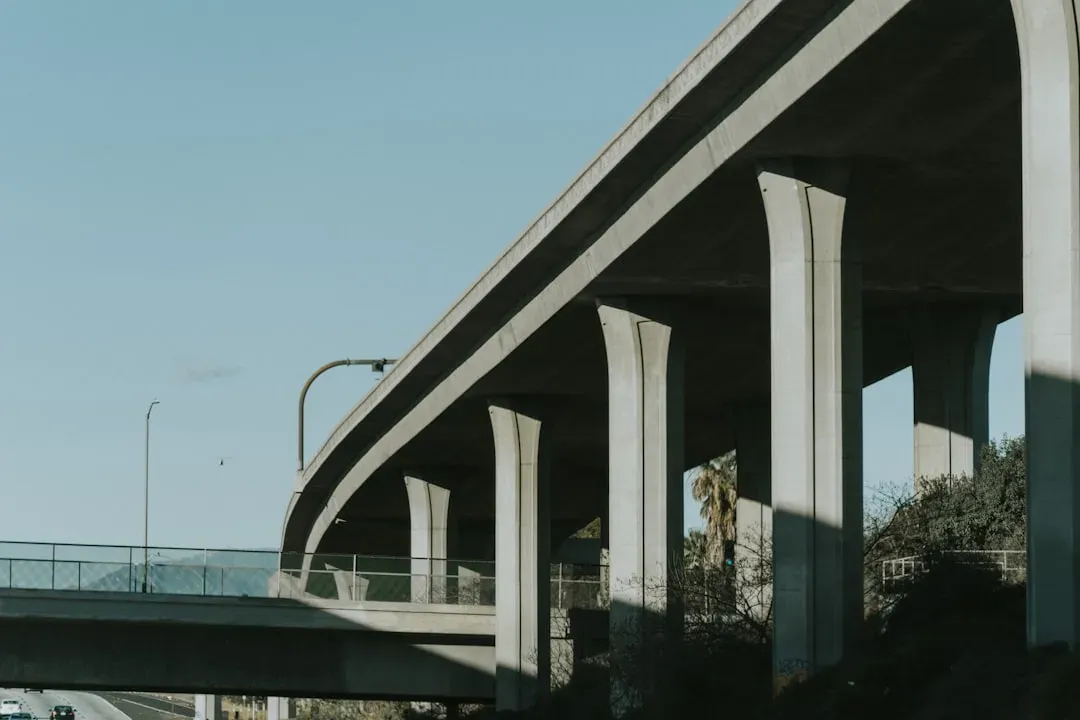
Here’s a detail that tends to get overlooked. An HOV flyover was constructed to facilitate HOV movements between Summerlin Parkway and US 95 heading to and from downtown, with the direct connection ramps opening in July 2012. If you’re carpooling, this is a game-changer. HOV lanes are dedicated highway lanes used exclusively by vehicles with two or more occupants as well as motorcycles, and there are over 20 miles of continuous HOV lanes in Las Vegas on US 95 from the Elk Horn direct connector ramps to the Spaghetti Bowl.
So if you can grab one coworker or neighbor, you’re accessing a completely different tier of commute. NDOT implemented updated hours of operation for the HOV system on SR-613/Summerlin Parkway, US 95, and I-15 in 2023, with current HOV enforcement hours running from 6:00 to 8:00 a.m. and 4:00 to 6:00 p.m., Monday through Friday.
When Rush Hour Actually Hits (And It’s Not When You Think)
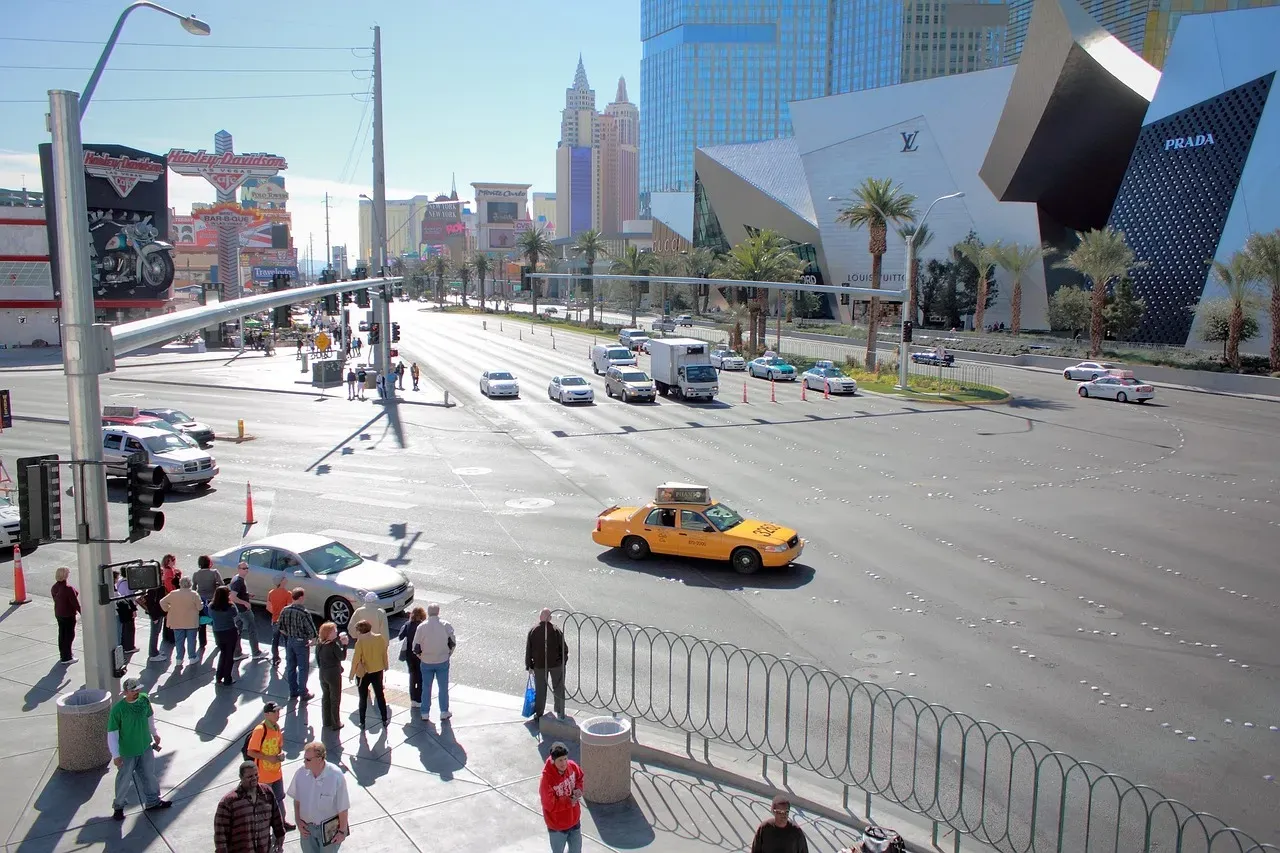
Most people assume traffic in Las Vegas works like any other city. It does, mostly, but there are some important wrinkles. Rush hour in Las Vegas typically occurs between 7:00 and 9:00 a.m. and 4:00 and 6:00 p.m., with I-15, I-215, and US-95 being the busiest highways, and during this time, traffic congestion can increase commute times by up to roughly a third. But Las Vegas is also a 24-hour city.
Unlike other big cities where work weeks are typically Monday through Friday from 8am to 5pm, rush hour in Vegas happens multiple times a day. For example, 3:00 to 4:00 p.m. is when most Strip workers head to their evening shifts, and there’s another crunch from midnight to 1:00 a.m. when they get off work. So if you’re trying to use Summerlin Parkway strategically, the classic morning and evening windows apply but Friday afternoons deserve special attention. Without a doubt, the worst traffic in and out of Las Vegas happens on Friday afternoon and Sunday morning, when the I-15 can be backed up for miles.
How Long the Commute Actually Takes
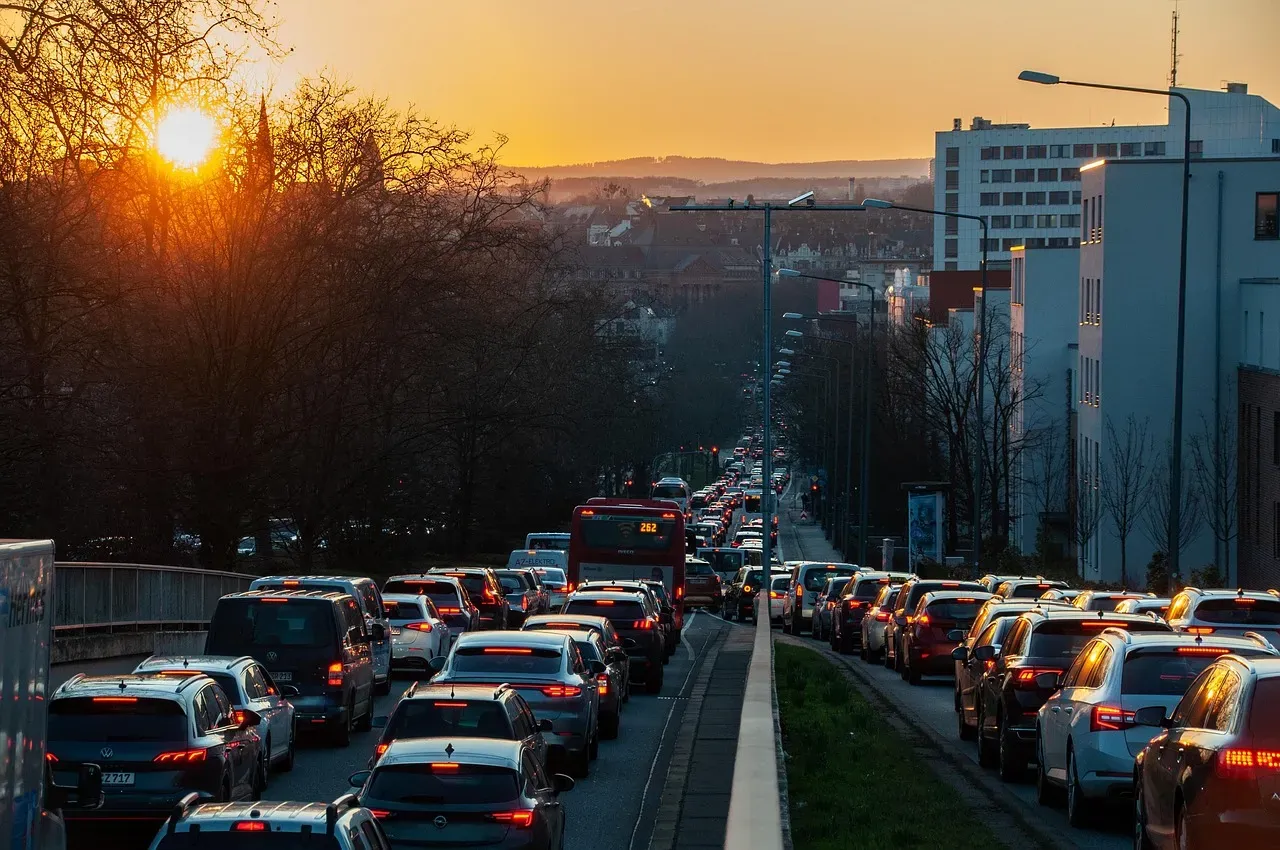
Let’s talk real numbers, because vague estimates help no one. Traveling from Summerlin to Downtown Las Vegas covers a commute of approximately 11 miles, and can be a quick drive depending on traffic conditions. Under normal conditions, that’s a manageable trip. From Summerlin to Downtown Las Vegas, you’re looking at around 20 minutes via Summerlin Parkway in typical conditions. However, the range is real.
Commute times can range from approximately 15 to 35 minutes depending on your starting point and the time you choose to travel, with peak-hour congestion being the main factor that pushes times toward the higher end. Think of it like boarding a plane. If you get there at the right time, it’s smooth. Miss the window, and you’re standing in the aisle for twenty minutes going nowhere.
The Congestion Data: What the Numbers Actually Say
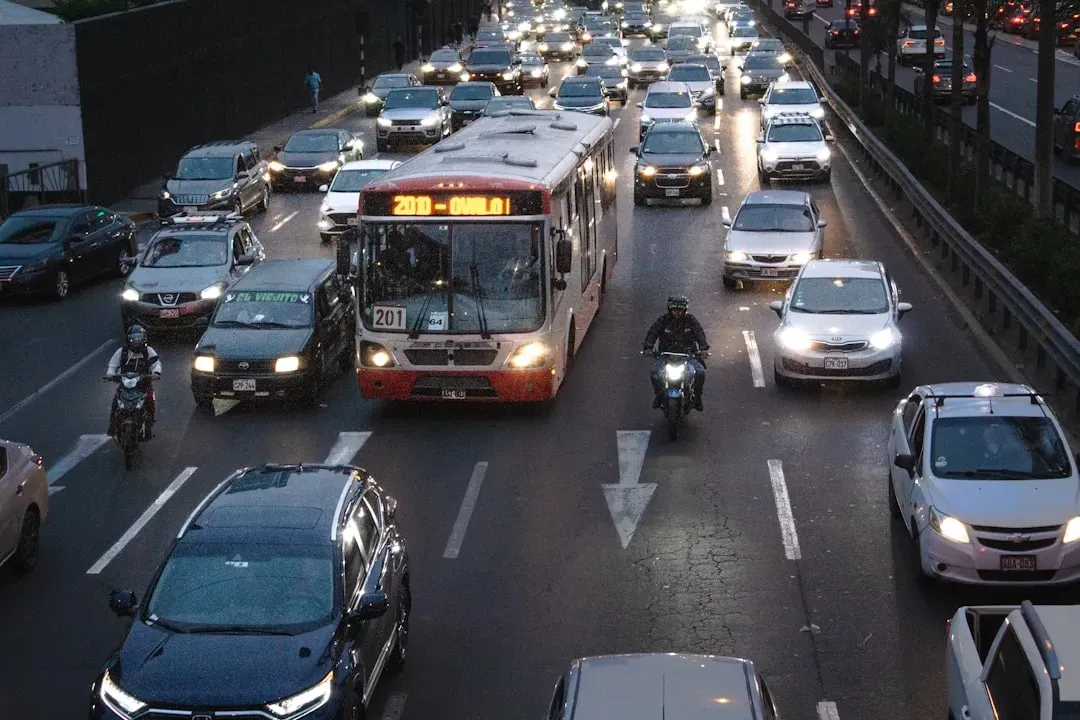
I think it’s worth grounding this in hard data rather than just vibes and anecdotes. According to TomTom’s Traffic Index, typical Las Vegas commuters spent 110 hours driving annually, of which 31 hours were specifically due to congestion. That’s real time out of your life. During evening rush hour, the average congestion level in Las Vegas reaches nearly 65 percent, with average speeds dropping to around 33 km/h, and in 2025, commuters lost 43 hours to rush hour traffic, nearly two full days.
That figure was notably higher than the year before. The average congestion level in Las Vegas in 2025 was around 34 percent, which was more than six percentage points higher than in 2024. It’s getting worse, not better, which makes knowing your route options more valuable than ever.
The Key Exits and Surface Street Options Along the Way
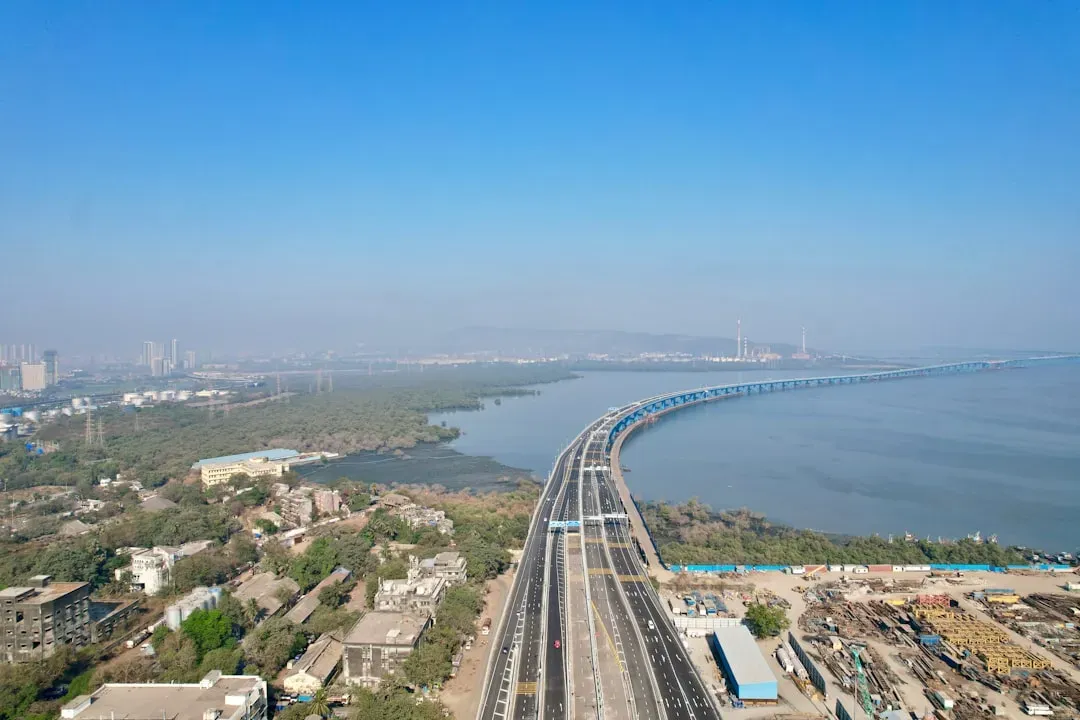
One thing most Summerlin Parkway veterans know is that not every exit is created equal. The parkway gives you several off-ramp options worth understanding. The exits at Rampart Boulevard, Town Center Drive, and Anasazi Drive all fall within the community of Summerlin itself, making them useful if you need to peel off early or avoid a backup further east. Rainbow Boulevard is where the parkway truly connects with US 95 and the broader freeway network.
A $42 million project redesigned the Summerlin Parkway and Rainbow Boulevard interchange with US 95, with work completed in August 2005 to address traffic congestion and accommodate expansion of the freeway to ten overall lanes. If things look particularly rough on the feed from Nevada 511, Rainbow Boulevard also functions as a key north-south surface route connecting suburban communities with the city’s core, and serves as a lifeline for residents commuting from neighborhoods like Spring Valley and Peccole Ranch.
Events, Weekends, and the Wrench They Throw in Everything
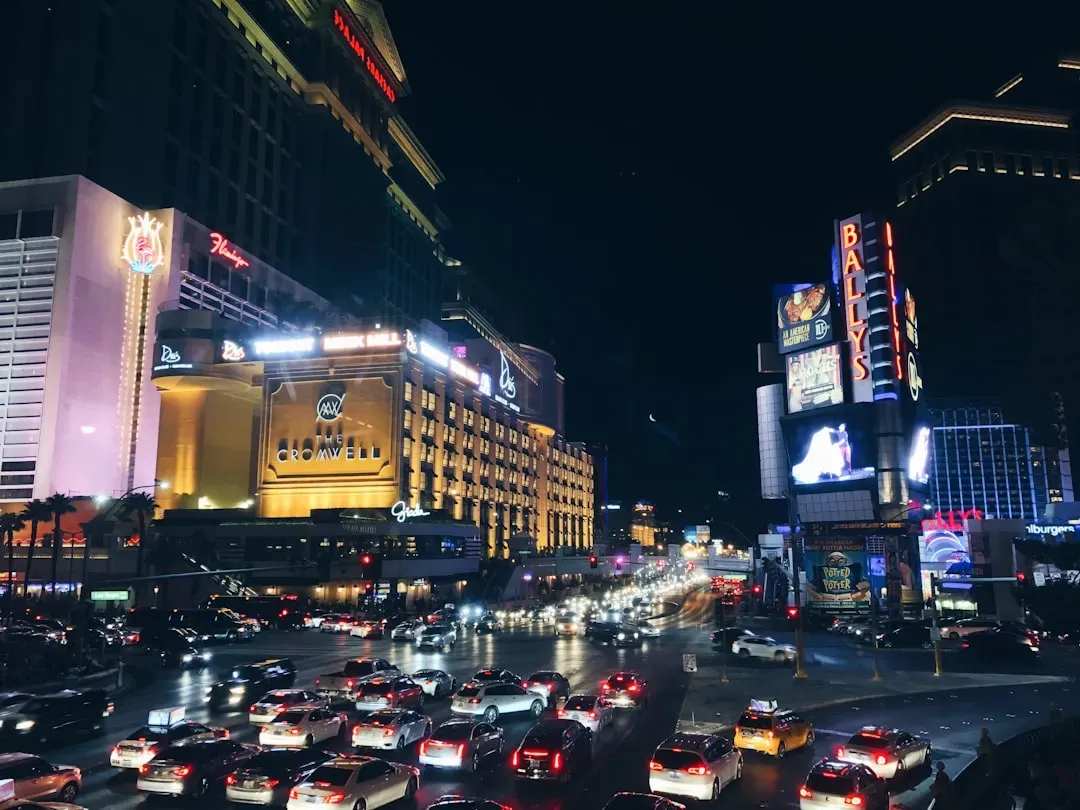
Even the best route knowledge falls apart without event awareness. Las Vegas hosts massive conventions, concerts, and sporting events that can flood the whole west side unexpectedly. Las Vegas regularly hosts events, conventions, and large-scale concerts that can impact traffic significantly, with areas around the Strip and the Las Vegas Convention Center often becoming hotspots during these times. The spillover reaches well beyond the Strip. Fridays and Sundays are often packed due to visitors arriving and departing, and this is particularly evident on I-15 southbound, where traffic heading toward California can form long delays.
On those days, Summerlin Parkway’s relative distance from tourist corridors is actually an advantage. It’s simply not on the path most visitors take, which keeps it freer. Motor vehicle accidents in Las Vegas have been on the rise due to the city’s rapid growth and heavy tourist traffic, with frequent lane changes and distracted rideshare operators contributing to a spike in both minor and fatal collisions. Staying off I-15 on event weekends is genuinely the right call.
Your Practical Game Plan for Getting Downtown Faster

So here’s how to actually put this all together. If you’re coming from the west side, Summerlin Parkway is often the quickest way to reach downtown Las Vegas, as it links Beltway 215 to I-95. That’s your core move. Combine it with smart timing, and you’re ahead of the pack. HOV lanes can reduce peak-period travel time compared to general-purpose lanes and can move substantially more commuters, with HOV lane users experiencing less congestion and arriving at their destinations more quickly than those who drive alone.
Carpool when you can, check Nevada 511 before you leave the driveway, and remember that the construction at the 215 and Summerlin Parkway interchange is a three-year project that started in early 2025. Check current conditions before you leave, watch for work zones and event traffic, and give yourself extra time when traveling during peak hours or on busy weekends. That advice sounds basic, but the drivers who actually follow it are the ones arriving on time while everyone else is still sitting on the beltway staring at brake lights.
West Las Vegas commuting is genuinely a puzzle, and Summerlin Parkway is one of its most underappreciated pieces. The $130 million interchange project will eventually transform that western gateway, but right now the smartest play is knowing the route cold, using the HOV flyover when you can, and timing your departure with at least some awareness of what’s happening on the road. What route have you been using to beat the west valley grind? Let us know in the comments.