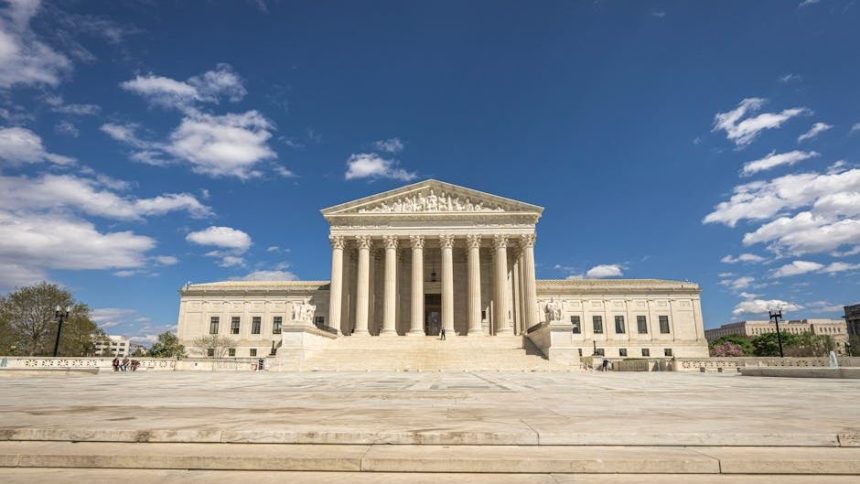


RICH LOWRY: Justice Ketanji Brown Jackson’s campaign against the Supreme Court – Image for illustrative purposes only (Image credits: Pexels)
Washington – A pointed observation from within the nation’s highest court has drawn fresh attention to ongoing tensions among the justices. The remark, delivered in the context of recent proceedings, underscores how criticism of institutional practices can emerge from those entrusted with upholding them. Observers note that such moments highlight the human element in what is often viewed as a distant and insulated body.
Internal Voices Shape Public Perception
Justice Ketanji Brown Jackson’s comments have prompted discussion about the balance between individual expression and collective authority on the bench. Colleagues and legal analysts alike have weighed in on whether these statements reflect broader frustrations with the court’s direction. The exchange illustrates how even private deliberations can influence external views when they surface publicly.
Legal scholars point out that the Supreme Court has long operated under norms of restraint, yet recent years have seen more visible differences among members. This latest instance adds to a pattern where justices occasionally address perceived shortcomings in the institution they serve. The result is a more layered public understanding of how decisions are reached.
Practical Effects on Court Operations
Day-to-day proceedings continue without interruption, yet the remarks have fueled conversations about collegiality and future case handling. Attorneys preparing arguments now consider how internal dynamics might affect outcomes in high-stakes matters. Court watchers emphasize that the institution’s credibility rests partly on the appearance of unity, even amid honest disagreements.
One concrete example involves ongoing debates over procedural rules and ethical standards. These issues affect litigants who rely on the court for final resolution of disputes. The focus remains on maintaining public trust while allowing space for constructive critique from within.
What Comes Next for the Institution
Attention now turns to upcoming sessions and whether similar exchanges will arise. Key areas to monitor include:
- Handling of ethics-related petitions
- Responses to legislative proposals affecting the court
- Patterns in dissenting opinions that touch on institutional matters
- Public statements by other justices on related themes
These developments carry implications for how the court is perceived by citizens who depend on its rulings for clarity on constitutional questions. The process of internal reflection, when it becomes visible, can either strengthen or complicate that relationship.
Ultimately, the episode serves as a reminder that the Supreme Court, like any enduring institution, evolves through the contributions of those who serve on it. The coming months will reveal whether this moment marks a turning point or simply another chapter in its long history.