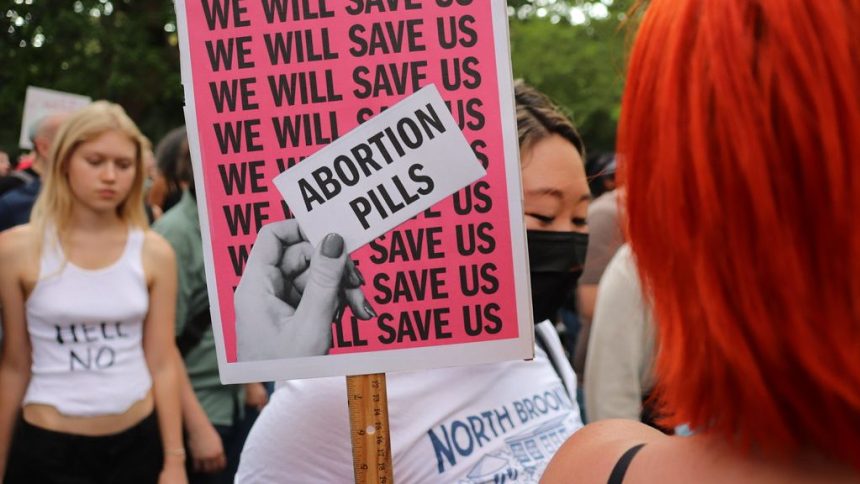
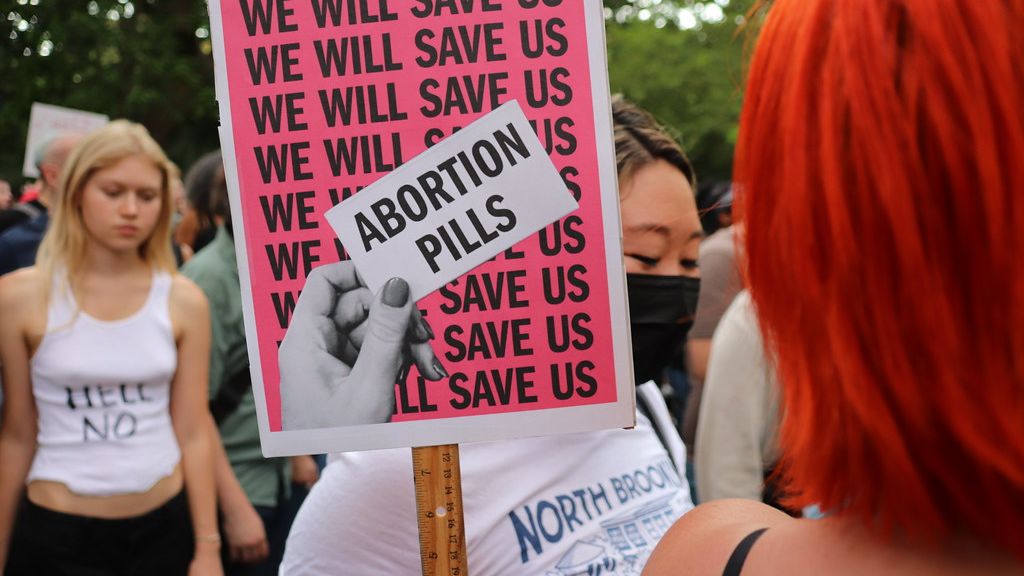

Supreme Court Temporarily Restores Access to Abortion Pill by Mail – Image for illustrative purposes only (Image credits: Flickr)
Justice Samuel Alito issued a temporary order Sunday that restored nationwide access to the abortion pill mifepristone through mail and telehealth prescriptions.[1][2] The decision halted a federal appeals court ruling from the previous week, which had revived an outdated Food and Drug Administration mandate requiring in-person visits for the medication.[1] Providers and patients now face at least a week’s reprieve as the high court weighs further steps in the dispute.
Alito’s Swift Intervention on the Shadow Docket
The Supreme Court acted through an administrative stay, a procedural move often handled by individual justices on the court’s so-called shadow docket. Justice Alito, who oversees emergency applications from the Fifth Circuit, signed the order pausing the lower court’s decision until at least May 11.[1] The court directed both sides to submit briefs by Thursday, signaling a potential review by the full bench.
This approach allowed quick relief without oral arguments. Manufacturers Danco Laboratories and GenBioPro had filed emergency appeals Saturday, urging the justices to block the appeals court action immediately.[1] Their request emphasized the need to avoid disruption in time-sensitive care.
Details of the Fifth Circuit Decision
A three-judge panel of the New Orleans-based U.S. Court of Appeals for the Fifth Circuit ruled unanimously on May 1 to reinstate the FDA’s prior in-person dispensing rule nationwide.[3] Judge Kyle Duncan, a Trump appointee, wrote the opinion, arguing that mail distribution undermined Louisiana’s total abortion ban by enabling procedures despite state law.
The panel found the FDA had not adequately justified dropping the requirement, especially amid an ongoing safety review of the drug.[3] All three judges, nominated by Republican presidents, agreed the state showed a likelihood of success on its claims. The order took effect right away, prompting urgent appeals.
Partner offer

Louisiana’s Lawsuit Against FDA Rules
Louisiana Attorney General Liz Murrill filed the suit last year, challenging FDA regulations that permitted telemedicine prescriptions and mail shipping of mifepristone.[4] The state contended these changes nullified its abortion prohibition, which recognizes the unborn as legal persons from conception. Officials highlighted increased Medicaid costs from complications treated in public hospitals.
The FDA first eased restrictions during the COVID-19 pandemic in 2021, making the shift permanent in 2023 based on safety data from two decades of use.[1] Lawyers for Louisiana described "streams of mifepristone" flowing into the state, evading local laws.[1] Danco Laboratories countered that the appeals court ruling "injects immediate confusion and upheaval into highly time-sensitive medical decisions."[1]
Stakes for Abortion Access Nationwide
Mifepristone, approved in 2000 and used with misoprostol, accounts for nearly two-thirds of U.S. abortions, often through the first 12 weeks of pregnancy.[1] About one-fourth of these now occur via telehealth, a lifeline since the 2022 overturn of Roe v. Wade allowed states to impose bans.[1] The appeals court block threatened rural patients, low-income individuals, and those in restrictive states who rely on out-of-state providers protected by shield laws.
Medical groups cite over 100 studies affirming the regimen’s safety, with serious complications rare. Yet abortion opponents view mail access as a loophole in bans. The Supreme Court unanimously upheld the FDA’s approval in 2024 but dismissed that challenge for lack of standing among objecting doctors.[1]
Key FDA Changes on Mifepristone:
- 2000: FDA approval with strict in-person rules.
- 2021: In-person requirement lifted amid pandemic.
- 2023: Changes made permanent after safety review.
- May 2026: Fifth Circuit temporarily reinstates old rule; SCOTUS pauses it.
The Trump administration’s FDA review adds uncertainty, as data collection continues without a clear timeline.[3] Providers in Democratic states have vowed to sustain care despite legal pressures.
This latest clash underscores persistent tensions between federal drug policy and state restrictions. While Alito’s order stabilizes access for now, the coming briefs could foreshadow a deeper Supreme Court dive – or another temporary fix in a protracted fight.
Partner offer
Planning a trip to Vegas?
Compare hotel rates and show tickets on VEGAS.com.