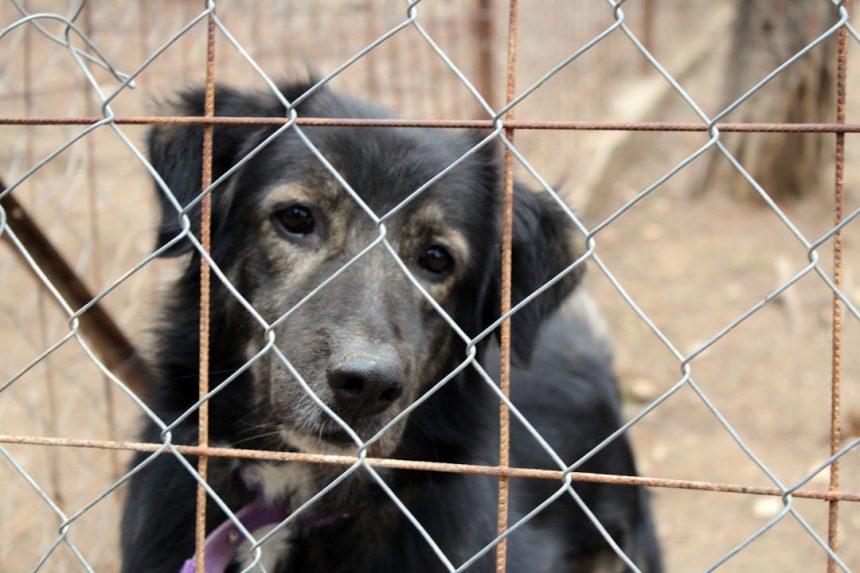

A Local Voice Raises Concerns (Image Credits: Unsplash)
Las Vegas – A recent letter to the editor captured widespread frustration with emotional television commercials urging donations for abused animals. Mary Aquino, a local resident, questioned the effectiveness of these ads, pointing to high executive salaries at national organizations. She urged readers to redirect their generosity toward community shelters that directly care for pets in need. The commentary, published in the Las Vegas Review-Journal, highlighted a broader conversation about where charitable dollars truly make an impact.[1]
A Local Voice Raises Concerns
Mary Aquino penned her letter on March 30, 2026, targeting what she called “crying ads” featuring starving dogs and elephants in distress. She advised potential donors to research leaders’ paychecks before contributing. According to Aquino, most executives earned more than or close to $1 million annually, with high compensation extending throughout the organizations.[1]
Aquino argued that such donations primarily enriched staff rather than aiding animals. She concluded with a straightforward alternative: support the local dog pound, which desperately needed funds. Her words resonated amid ongoing discussions about charity transparency in animal welfare.
The Emotional Pull of National Campaigns
Commercials with somber music and heartbreaking images have long dominated airwaves, prompting viewers to dial in pledges. These spots, often featuring neglected pets, evoked strong responses and generated substantial revenue for groups like the ASPCA. Sarah McLachlan’s song “Angel” became synonymous with such efforts, boosting awareness and funds in the late 2000s.[2]
Yet critics noted that the ads sometimes misled donors about fund allocation. National organizations raised hundreds of millions yearly, but portions went to fundraising, lobbying, and administration rather than direct shelter aid. Aquino’s letter echoed sentiments that these campaigns prioritized emotional appeals over local realities.[3]
Scrutiny Over Spending and Salaries
Investigations revealed patterns in how national animal groups allocated resources. The ASPCA, for instance, faced questions after collecting over $446 million in one recent year, with only about 5% disbursed as grants to shelters.[4] Earlier reports claimed even lower figures, around 2% of budgets directed to community pet facilities.[5] Fundraising consumed significant shares, sometimes up to 40% of expenditures.[6]
Executive compensation drew particular ire. References to “Million Dollar Matt,” the ASPCA’s CEO, underscored salaries nearing seven figures.[7] Aquino captured this issue succinctly: “Before you donate money to the organizations that run those crying ads… look up their leader’s paycheck.”[1] Such disclosures prompted donors to reconsider national appeals.
Las Vegas Shelters Step Up for Community Pets
Local facilities in the Las Vegas Valley provided hands-on care without the overhead of national campaigns. Organizations like The Animal Foundation handled thousands of animals annually, offering adoptions, medical treatment, and resources. Nevada SPCA served as a safety net for vulnerable pets since 1982, maintaining wish lists for food, linens, and supplies.[8][9]
Recent calls for donations highlighted urgent needs. The Animal Foundation sought linens and pet food to support shelter residents. Hearts Alive Village and Las Vegas Valley Humane Society focused on rescues and community support, ensuring funds stayed local.[10][11]
- The Animal Foundation: Handles 20,000+ animals yearly, open for drop-off donations Tuesday-Sunday.
- Nevada SPCA: Accepts pet food and supplies; runs critical needs fund for medical care.
- Hearts Alive Village: Nurtures pets in homes and fosters adoptions.
- Las Vegas Valley Humane Society: Rescues sick and homeless animals in Southern Nevada.
- Clark County Animal Shelter: Provides protection services at 4701 W. Russell Road.
Choosing Impact Over Emotion
Aquino’s message reminded donors that proximity mattered. Local pounds and rescues addressed immediate crises like overcrowding and medical emergencies without layers of administration. National groups pursued broader agendas, including policy work, which diluted direct aid.[5]
Visitors could deliver supplies in person, witnessing the difference firsthand. This approach maximized every dollar for animals in the community.
Key Takeaways
- Research executive pay and spending before donating to national animal organizations.
- Local Las Vegas shelters like The Animal Foundation and Nevada SPCA need everyday items like food and linens.
- Direct contributions ensure funds reach pets without high administrative costs.
Mary Aquino’s letter served as a timely nudge toward thoughtful giving. In a city full of heart, supporting nearby shelters promised tangible change for local animals. What do you think about redirecting donations locally? Tell us in the comments.