Imagine buying a gallon of milk at a store four blocks from your apartment, only to find the exact same brand, the exact same size, for dramatically less money at a supermarket in the next neighborhood over. It sounds almost absurd. Like a glitch in the system. But for tens of millions of Americans in 2026, this is not a quirk – it is everyday reality, and the gap is widening.
The price of your groceries is not just shaped by what inflation is doing nationally. It is shaped by exactly where you live, how much competition exists on your street, and sometimes even by the color and income profile of your neighborhood. So let’s dive in.
The Price Gap Is More Real Than Most People Realize
Datasembly’s Grocery Price Index measures weekly changes in pricing for grocery products using data collected from over 150,000 stores spanning more than 30,000 zip codes across the United States. That is an almost staggering level of detail. Income levels within a given zip code can play an important role in the establishment of pricing across the nation, and retailer pricing strategies can be quite unique across these segments as they optimize for their goals. In plain English: where you live determines what you pay, and retailers know it. This is not conspiracy theory territory. It is just business strategy, applied unevenly across communities.
National Averages Hide the Real Story
This is the topsy-turvy reality of local food prices that gets masked by nationwide inflation data and headlines. A ConsumerAffairs analysis of grocery price data in 15 categories, collected in real time in 150,000 stores by partners at Datasembly, finds grocery prices increased 5.3% year over year. That number sounds tidy and manageable. The surprise is that in the past 12 months, grocery inflation has varied by as much as 5% from state to state. In dollars and cents, that means where you live could make a $500-a-year difference for a family of four that spends $750 a month on groceries. That is five hundred dollars a year – just because of a zip code. Honestly, that number stopped me cold.
City by City: The Inflation Divide Is Shocking
Personal finance site SmartAsset examined grocery price changes across 12 U.S. metropolitan areas from March 2024 to March 2025 and found stark regional differences. The Honolulu metro area saw a 5.3 percent increase in grocery prices over the period, the highest among the metros studied – not entirely surprising, given Hawaii’s geographic isolation and reliance on imports.
Tampa came in second, where grocery prices rose 4.3 percent between March 2024 and March 2025 – no outlier, according to a recent USDA report, which found the Florida area had the highest average annual increase in grocery prices among major metros from 2015 to 2024. Meanwhile, Riverside, Washington D.C., Denver, and Chicago all saw increases below the national average of 2.4 percent across U.S. cities from March 2024 to March 2025. Same country. Wildly different grocery bills.
The Convenience Store Trap: Paying More for Having Less
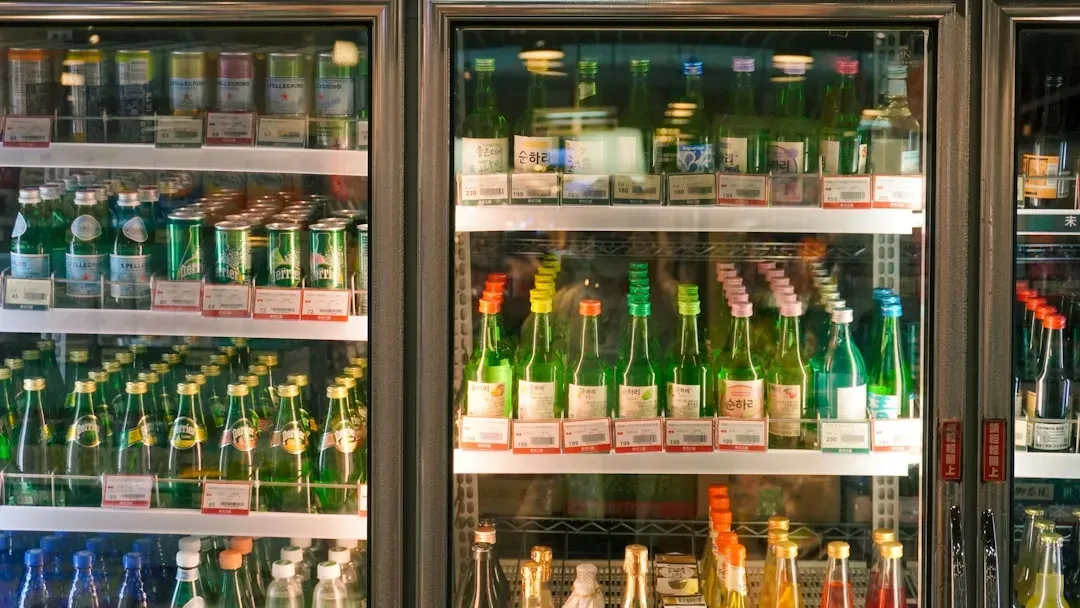
Here is where things get genuinely unfair. The USDA has identified that approximately 17.4 percent of the U.S. population – about 53.6 million people – live in low-income census tracts where they are more than half a mile from the nearest supermarket in urban areas or more than 10 miles in rural areas. These areas tend to be served primarily by convenience stores and small markets that stock fewer healthy items at higher prices.
Studies have found that urban residents who purchase groceries at small neighborhood stores pay between 3 and 37 percent more than suburbanites buying the same products at supermarkets. That is a breathtaking range. At the high end of that figure, you are essentially paying a poverty tax just because there is no big supermarket nearby. Research has shown that wealthy districts have roughly three times as many supermarkets as poor ones. When a low-income family’s nearest shopping option is a small store with limited selection, they have no practical way to comparison-shop or seek out lower-priced alternatives.
Food Deserts: Where Milk Is Both Scarce and Expensive
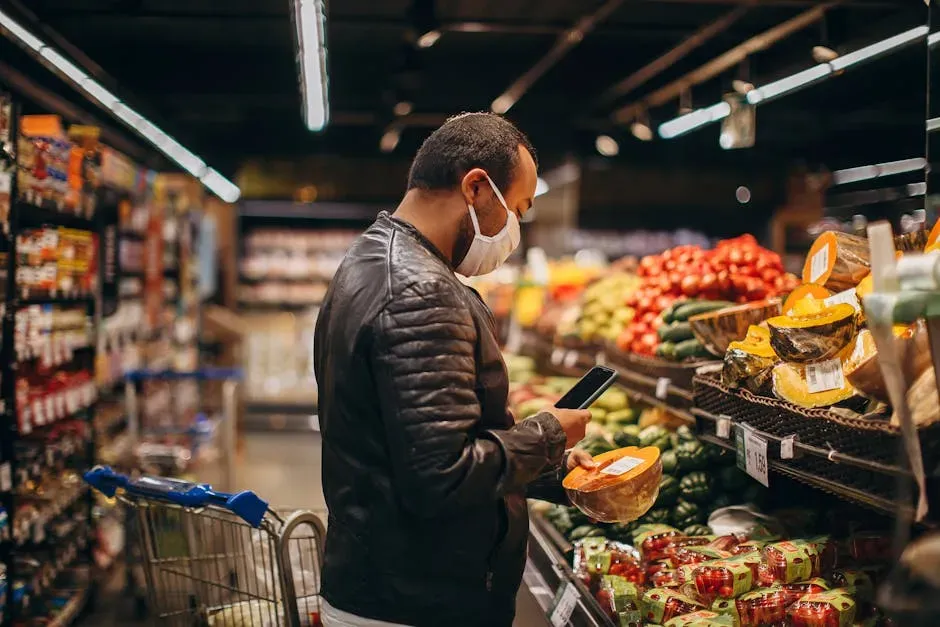
Groceries sold in food deserts are often far more expensive than those sold in cities or suburban areas. Milk prices tend to be higher and cereal prices were notably higher in food deserts, because getting the food there in the first place can be expensive, leading to higher shelf prices. For low-income families, this means they often spend a larger percentage of their paycheck on food, creating a vicious cycle of food insecurity.
Jefferson County, Mississippi is the most food-insecure county in America, where 1 in 3 people is food insecure. Jefferson County also has the lowest median household income of any county in America. Think about that for a moment. The people with the least money are also the ones who most often end up paying the highest prices, relative to what they earn. It’s a cruel paradox baked into geography.
The Race Factor: Supermarket Redlining Is Real
It would be convenient to blame all of this on simple economics. But the evidence says something more uncomfortable. Through historical racist and inequitable practices, communities comprising mostly marginalized racial and ethnic minorities are more likely to be labeled a food desert or food swamp compared to majority White communities. These inequities in food access are indications of structural racism.
Partner offer
Retailers concentrate or relocate their grocery stores to areas where they can expect a higher rate of return, like wealthier suburban neighborhoods. That profit incentive creates a harmful cycle that perpetuates a phenomenon known as “supermarket redlining” that leaves thousands of communities underserved. New York City alone is home to more than two dozen neighborhoods classified as food deserts, predominantly Black and Hispanic, where residents rely on bodegas and dollar stores, creating “food swamps” where unhealthy food options vastly outnumber nutritious ones. The map of food access, in many cities, looks startlingly similar to older maps of racial segregation.
The Overhead Reality: Why Small Stores Charge More
Let’s be real: not every high-priced corner store is simply gouging its customers. There are legitimate structural reasons why small independent stores charge more. Differences in retail overhead expenses, such as labor and rent, can explain some variation among cities because retailers often pass local cost increases onto consumers in the form of higher prices.
What makes grocery pricing so counterintuitive is that despite sometimes enormous markups on individual items, the overall profit margin for grocery retailers remains remarkably thin. Industry data consistently shows that conventional grocery chains typically retain only about 1 to 3 percent of total revenue as actual profit after all operating costs are paid. Small neighborhood stores operate with even thinner safety nets. Higher prices can simply be the cost of survival – not greed, but arithmetic. Still, that does not make it any less painful for the shopper.
Low-Income Households Spend a Far Higher Share of Their Income on Food
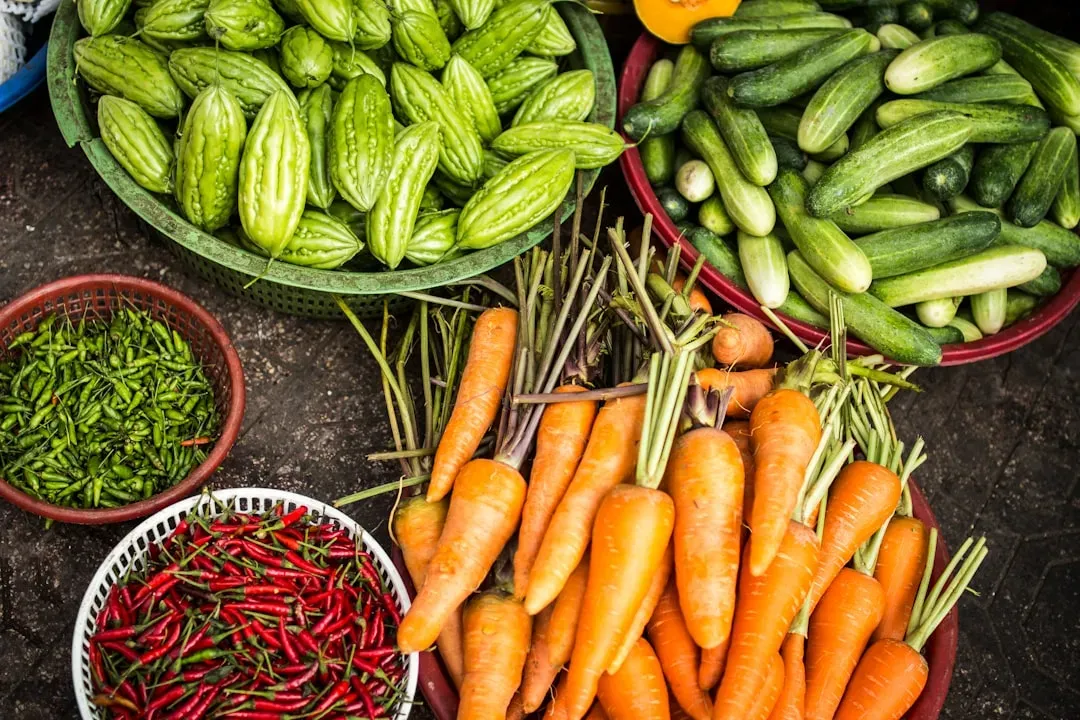
The financial pressure is not just about higher sticker prices. It goes much deeper. In 2021, the bottom 20 percent of households with the lowest income spent 30.6 percent of what they made on food, compared with just 7.6 percent for families in the highest income quintile. That gap is extraordinary. Think of food spending like a weight strapped to your back: for wealthy families, it is a feather. For low-income families, it is a boulder.
Nearly 48 million people struggled to afford food in 2024, equivalent to 1 in 7 American households. A study from Purdue University found that the rate of food insecurity likely rose further in 2025, reaching 16 percent by November 2025. Rising prices and a shrinking safety net are hitting at the same time – and the data makes clear that those in underserved zip codes are bearing the brunt of it.
Online Groceries: The Algorithm Knows Your Zip Code
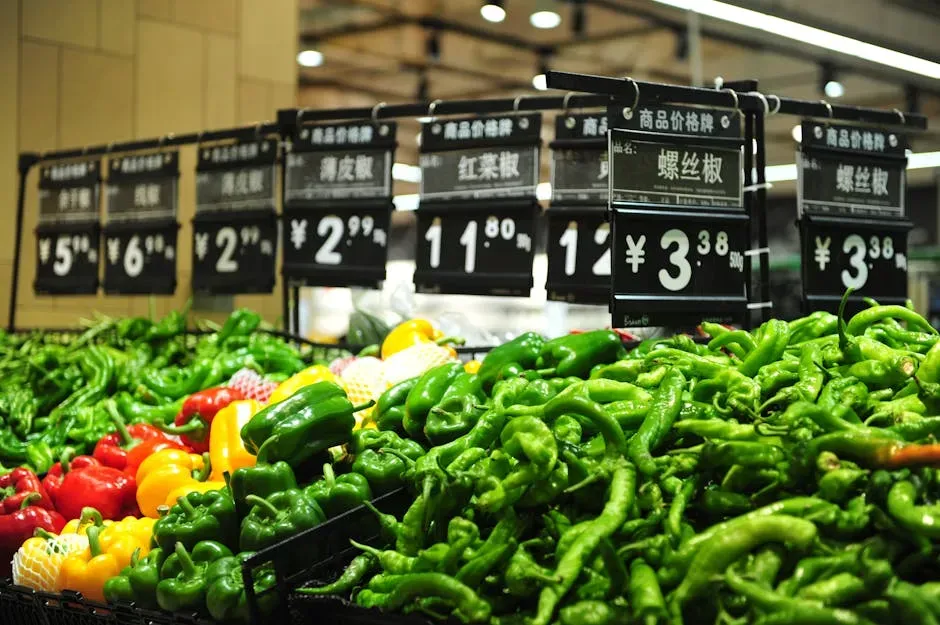
You might think the internet would level the playing field. Type in your address, order your groceries, problem solved. But it’s harder to say for sure, because the digital world has its own version of the grocery gap. Online retailers exhibit higher price dispersion than their offline counterparts. Online grocers employ price algorithms that amplify price discrimination across locations by charging varying prices based on delivery zip codes.
Algorithms can launch countless simultaneous experiments in which prices in test zip codes are updated in various ways to dynamically learn demand and optimal prices. Zip code-specific online stores are convenient testing laboratories because customers are not exposed to prices from different delivery zip codes. So even clicking “add to cart” from your couch does not guarantee you are paying the same price as someone across town. The zip code follows you online, too.
What Solutions Exist – and Why They Keep Falling Short
Pennsylvania’s Fresh Food Financing Initiative led to the opening of more than 80 grocery stores in food deserts, serving over 400,000 residents – a genuine success story that shows what targeted policy can accomplish. City-owned grocery stores are not a novel or radical idea in the United States. The U.S. military already operates a network of publicly owned grocery stores, and rural communities in Kansas have successfully experimented with municipally owned supermarkets.
Beyond simply improving Americans’ diets, addressing food deserts connects to environmental justice, public health, and economic opportunity. When communities lack access to healthy food, they face higher rates of chronic diseases, lower academic performance among children, and limited economic mobility. Implementing targeted policies to bring fresh food into underserved areas will not only improve public health but also stimulate local economies and reduce healthcare costs. The solutions exist. What is missing, stubbornly, is the political will to apply them at scale.
The grocery gap is not a mystery. The data is clear, the mechanisms are understood, and the communities paying the price are well known. What it really comes down to is a choice – a societal choice about whether your zip code should determine whether you can afford dinner. What do you think should change first?
Partner offer
Planning a trip to Vegas?
Compare hotel rates and show tickets on VEGAS.com.