There’s a particular kind of laughter that only happens on a closed set, the kind that costs you a take. Camera operators have to put their equipment down. Script supervisors lose their place. Directors quietly abandon hope of getting through the scene without reshooting. It’s real, involuntary, and it happens because one performer does something so precisely, genuinely funny that professionalism just evaporates.
This list is built around that currency. Not audience metrics, not Twitter polls, not Emmy tallies. The characters here are the ones that crew members, co-stars, and writers have described, across interviews, podcasts, and memoirs, as the ones who made working on set genuinely hard. That’s about the highest compliment the industry can offer.
10. Sophia Petrillo – The Golden Girls

As the mother to Dorothy, Sophia was the elder in the group of women, yet arguably the sharpest of them all. Quick with an insult or an unwanted piece of advice, Sophia rattled off one-liners that were the highlights of scenes. She said exactly what was on her mind, usually what the audience was also thinking.
Her barbed comments landed because of their abrasive nature, but Sophia was never an antagonist character by any stretch. Despite anything she said, it was always clear she loved the women around her, but she had simply lived too much life to waste the rest of it on social niceties. Cast and crew on The Golden Girls were known to struggle keeping straight faces during her delivery. Estelle Getty could turn a single disapproving pause into a full comedy set.
9. Tobias Fünke – Arrested Development
To watch Tobias try to propose a plan and then make his point sets up some genuinely invaluable moments in sitcom history. He lacks so much self-awareness that he’s delightfully oblivious to how idiotic he comes across, and the physicality of David Cross is crucial for the character to be so iconic.
Writers on Arrested Development have spoken in various interviews about how difficult it was to calibrate Tobias, because David Cross had a tendency to push the character even further than the script intended. The gag density around Tobias was so high that editors reportedly had a difficult time deciding what to cut. There’s simply nothing like Tobias Fünke in modern television, though his role remained secondary within the broader ensemble.
8. George Jefferson – The Jeffersons
For eleven celebrated seasons of The Jeffersons, George Jefferson captivated audiences with his iconic performance. First appearing in All in the Family, George and his wife Louise left Queens, New York, for an Upper East Side apartment after his dry-cleaning business took off.
Described as the hippest man on the East Side, George Jefferson was simply magic whenever he showed up. Sherman Hemsley had an extraordinarily physical comedic style, bouncing and strutting through scenes with a force that made the other actors react even when they weren’t supposed to. Crew members who worked on both All in the Family and The Jeffersons consistently described his presence on set as something that sharpened everyone around him.
7. Ron Swanson – Parks and Recreation

Ron’s humor comes from his steadfast adherence to his principles, often leading to outrageously ironic situations given his government employment. His gruff demeanor paired with unexpectedly sage advice, distaste for inefficiency, and an endless trove of manly one-liners make him one of the funniest TV characters. Swanson’s character brings a consistent level of dry wit and comedic seriousness to the show.
Dwight Schrute and Ron Swanson remain fan favorites for their deadpan delivery and rigid personalities. Where Dwight brings intense, unhinged energy, Ron Swanson provides the perfect contrast with his love for meat and absolute silence. Nick Offerman, who played Swanson, is well documented to have improvised within the character’s straight-faced logic regularly, often prompting genuine confusion from the crew about whether to call cut or keep rolling.
6. Joey Tribbiani – Friends
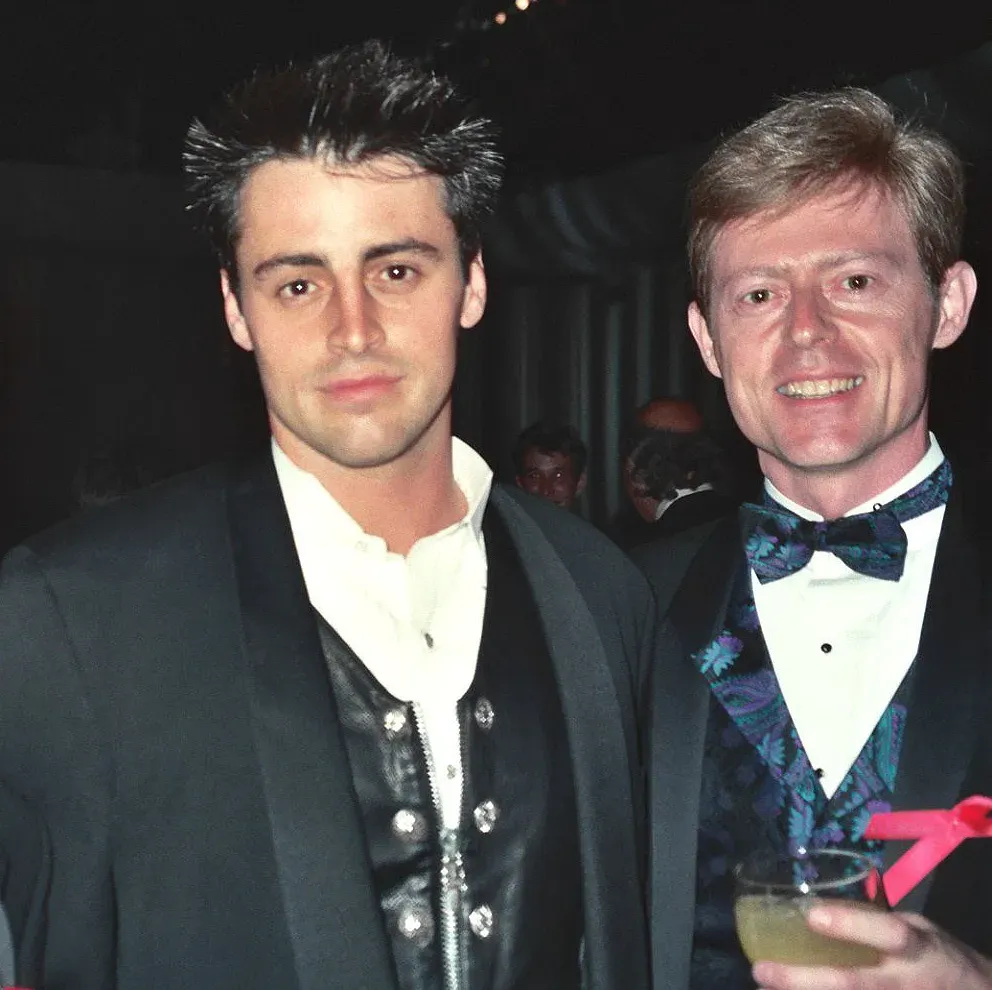
Among the Friends ensemble, Joey remains the funniest, with Phoebe a close second. Over the years he became much more authentic as a single, uncomplicated guy whose fascination with food was never sacrificed for the sake of decency. Sure, he was also a player, but one whose schemes never turned out for the best. The expression in Joey’s eyes when he realizes he’s messed up is one of the show’s most recognizable elements.
Matt LeBlanc’s physicality and commitment to Joey’s obliviousness reportedly created genuine disruption during table reads. All six leads gave good performances and could all do the sitcom thing, though no cast has ever had the sheer charisma and star power of Friends as a whole. Within that group, LeBlanc consistently drew the most unprompted laughs from the crew, particularly during scenes where Joey’s confusion was supposed to play as subtle.
5. Leslie Knope – Parks and Recreation
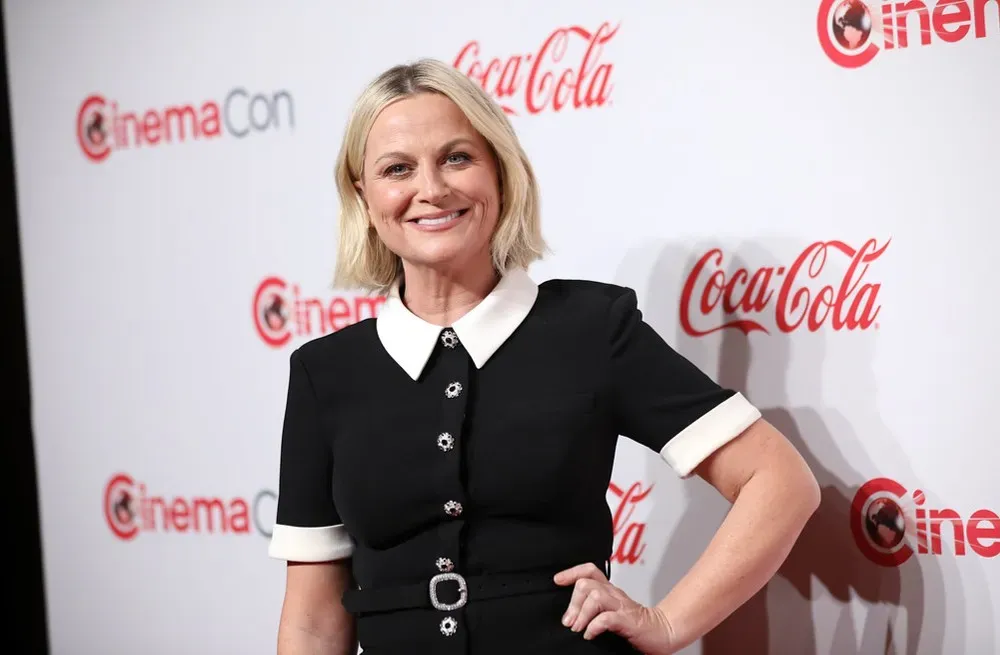
Leslie Knope’s personality was only possible due to the contribution of Amy Poehler, who brings such energy and charisma to the character that it’s hard not to love her. Poehler was known throughout the Parks and Recreation run for arriving to set with character preparation that went significantly deeper than what the script required, which constantly pushed her co-stars to match her level.
Parks and Recreation’s political satire was presented through the lens of small-town governance, with sharp writing shaping the show’s identity. However, it was the cast that truly made the show great, as evidenced by the massive roles they landed during syndication and after the finale in 2015. Among that cast, Poehler’s Leslie was the engine everyone else keyed off. The writers eventually acknowledged that many of their best scripts started as attempts to keep up with what she could do.
4. Michael Scott – The Office
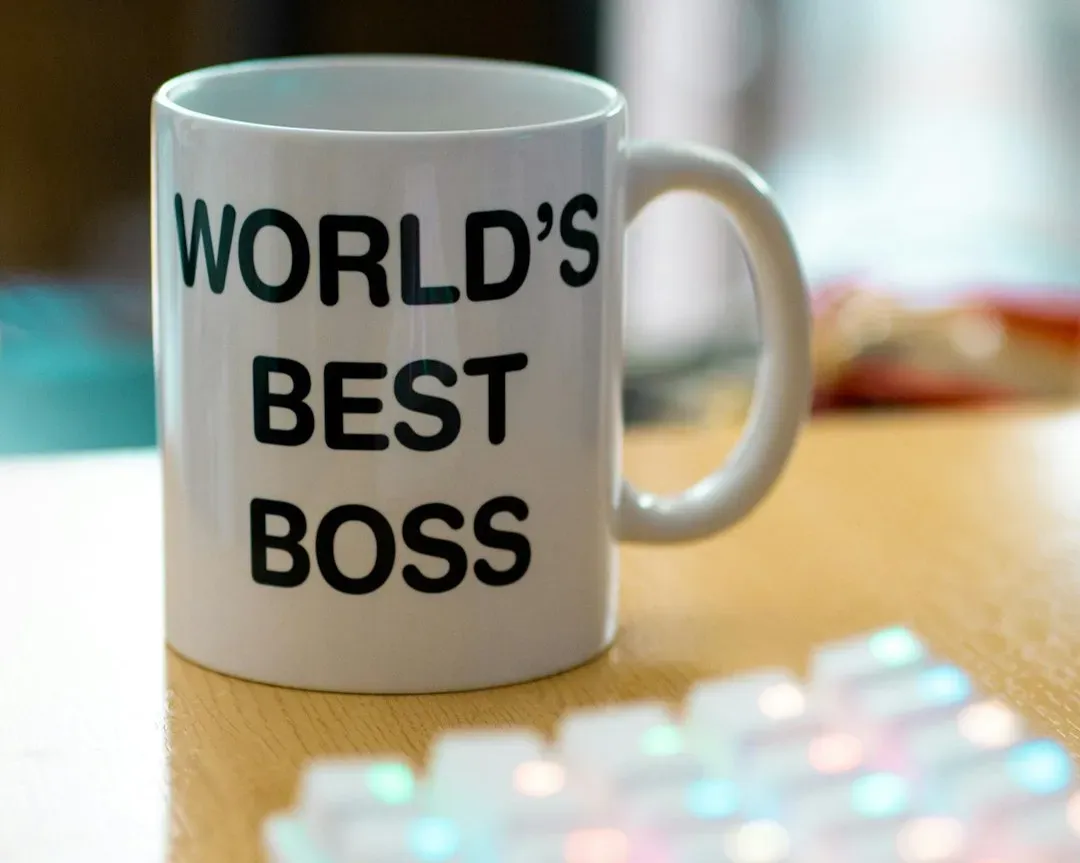
Michael Scott could create a scene like no other. For many seasons of the NBC sitcom, he ran the Scranton branch with a unique skillset. His greatest strength was making everyone within a mile radius uncomfortable, and whether it was saying the wrong thing, indulging in a selfish moment at the expense of others, or holding his employees hostage during another comedy routine, Michael was an agent of chaos.
During the filming of early seasons, the physical temperature on the set of Dunder Mifflin had to be kept at a freezing 50 degrees Fahrenheit. Steve Carell has incredibly active sweat glands, and the hot studio lighting would cause him to sweat straight through his suits. Because digital editing couldn’t seamlessly remove sweat stains back then, the crew blast-chilled the entire soundstage to keep Carell dry. That behind-the-scenes detail says quite a lot about how seriously the entire production took his performance.
3. Dwight Schrute – The Office
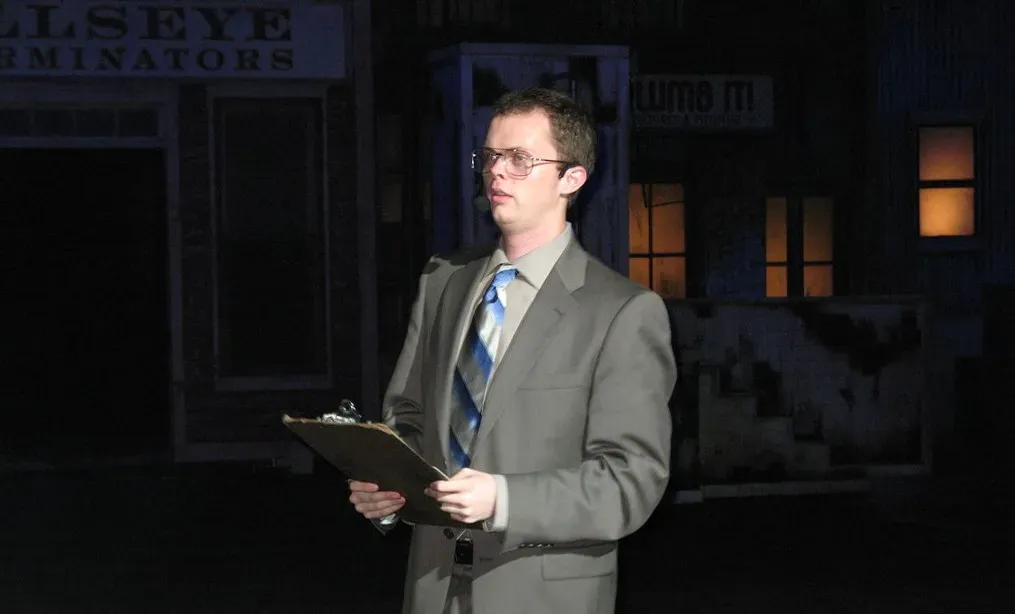
It is difficult to imagine The Office without Rainn Wilson’s Dwight Schrute, the annoying and sometimes endearing Assistant to the Regional Manager at Dunder Mifflin’s Scranton branch. From his romance with Angela to his rivalry with Jim Halpert, the role began when Wilson showed up for the first audition on the very first day they were being held.
The cast found the scene in which Jim impersonates Dwight Schrute to be hilarious and had trouble keeping straight faces, forcing multiple takes. Wilson also recalled punching co-stars Phyllis Smith and Brian Baumgartner completely by accident. While shooting a football game scene, he tackled the much older Creed Bratton, who toppled into Leslie David Baker. There was also the time he tossed a five-pound dumbbell into the air, which landed on Craig Robinson’s head. Wilson’s physical commitment to Dwight made every scene unpredictable, even for the crew.
2. Cosmo Kramer – Seinfeld
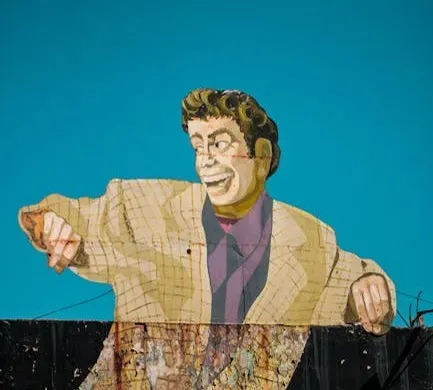
When it comes to sitcom icons, Seinfeld’s Cosmo Kramer ranks extremely high. He’s the ultimate wacky neighbor character, with his “hipster doofus” fashion sense, intrusive behavior, crazy hairdo, inexplicable source of income, insane get-rich-quick schemes, and unforgettable entrance. Richards brought the same kinetic, slapstick energy to the role of Kramer and used his signature physical gags to great comic effect. He immersed himself so deeply in the role that he would sometimes react angrily when his antics made fellow cast members laugh, because it caused him to break his intense concentration.
Richards won more Emmys than any other Seinfeld cast member, taking home the award for Outstanding Supporting Actor in a Comedy Series in 1993, 1994, and 1997. As Jason Alexander, who played George, shared in the documentary Kramer Versus Kramer, he knew he didn’t have a chance when pitted against his co-star. Alexander knew that Richards’ performance as Kramer was so strong that he was guaranteed to win every time. That sentiment came from someone in the room, and it’s about as close to an on-set verdict as you can get.
1. Dwight Schrute and Michael Scott – The Office (The Duo That Broke the Set)

As far as 2000s TV shows go, few enjoyed more success than NBC’s hit mockumentary The Office. The Steve Carell-led remake of the British sitcom broke onto the scene when it debuted in 2005 and within a few years had made a massive impact on pop culture. Beyond Carell’s iconic performance, The Office helped turn its entire cast, including John Krasinski, Jenna Fischer, Rainn Wilson, and Ed Helms, into household names, all while changing sitcom history.
Wilson truly belongs to the ages thanks to his nine-season stint as one of the greatest sitcom characters of all time, the beet-farming, paper-shilling, prank-victim Dwight Schrute. When Carell and Wilson shared scenes, crew members have noted in multiple behind-the-scenes accounts that directors frequently had to call additional takes simply because someone off-camera was laughing. The two characters, separately remarkable, created something genuinely uncontrollable when placed together. Creating a fantastic sitcom character is like capturing lightning in a bottle. It requires timing and luck to pair the right writing and creative vision with a performer who not only understands the character but can elevate their own insights and abilities with it. That combination can lead to a character who can drive a show on their own or seamlessly blend into an ensemble when the scene requires it.