Every country has a soundtrack, but few have shaped global pop culture the way American music has over the past seventy years. From smoky jazz clubs in New York to bedrooms in Seattle, the records below did more than sell copies. They rewired what listeners expected from an album, and many of their fingerprints are still audible in today’s charts.
This isn’t a definitive ranking so much as a gallery of touchstones, the kind of records that show up on best-of lists decade after decade for good reason. Some you’ve probably lived with your whole life. Others might be a name you recognize without ever having pressed play.
Pet Sounds – The Beach Boys (1966)
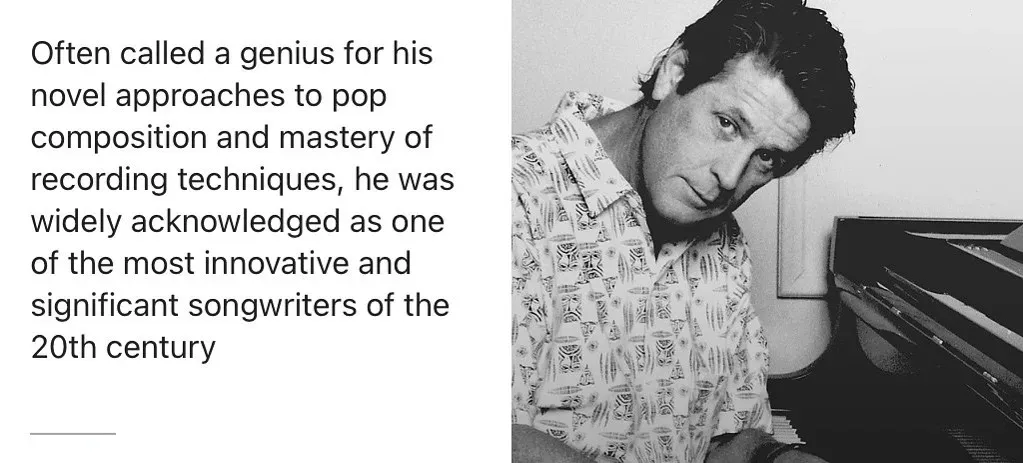
Brian Wilson’s studio experiment turned a surf-pop band into something closer to a chamber orchestra with harmonies. The arrangements layered bicycle bells, theremins, and dog barks under songs about love and isolation, a combination nobody had really attempted before on a rock record. It sold modestly at the time compared to the group’s earlier hits, which frustrated Wilson but didn’t dim the album’s reputation among musicians.
Its influence on later producers, including members of The Beatles, has been documented for decades in music criticism. Today it’s taught in university courses on studio production, which says something about how far ahead of its moment it actually was.
Kind of Blue – Miles Davis (1959)
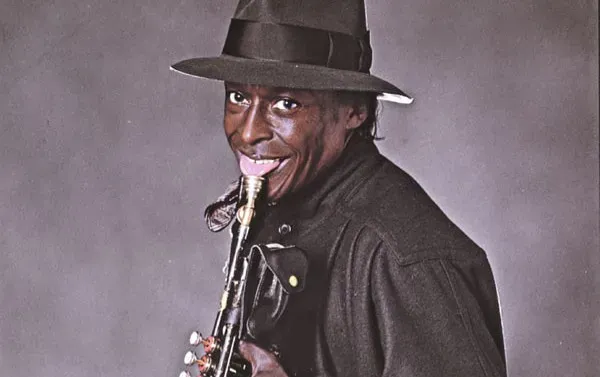
The album was one of fifty recordings chosen in 2002 by the Library of Congress to be added to the National Recording Registry, and in 2019 it was certified 5× Platinum by the Recording Industry Association of America for shipments of at least five million copies, making it the best-selling jazz album of all time. Recorded in just two sessions with a small group of musicians working from loose sketches rather than fixed arrangements, it captured something spontaneous that studio jazz rarely achieves. It’s ranked number 11 on Rolling Stone’s list of the 500 Greatest Albums of All Time.
What makes it remarkable is how it plays outside jazz circles too. Outside the jazz realm, it is consistently chosen by music historians and critics as one of the best albums of all time, alongside evergreen classics by The Beatles and Elvis Presley. It’s the rare jazz record that shows up on rock fans’ shelves without feeling like an obligation.
What’s Going On – Marvin Gaye (1971)
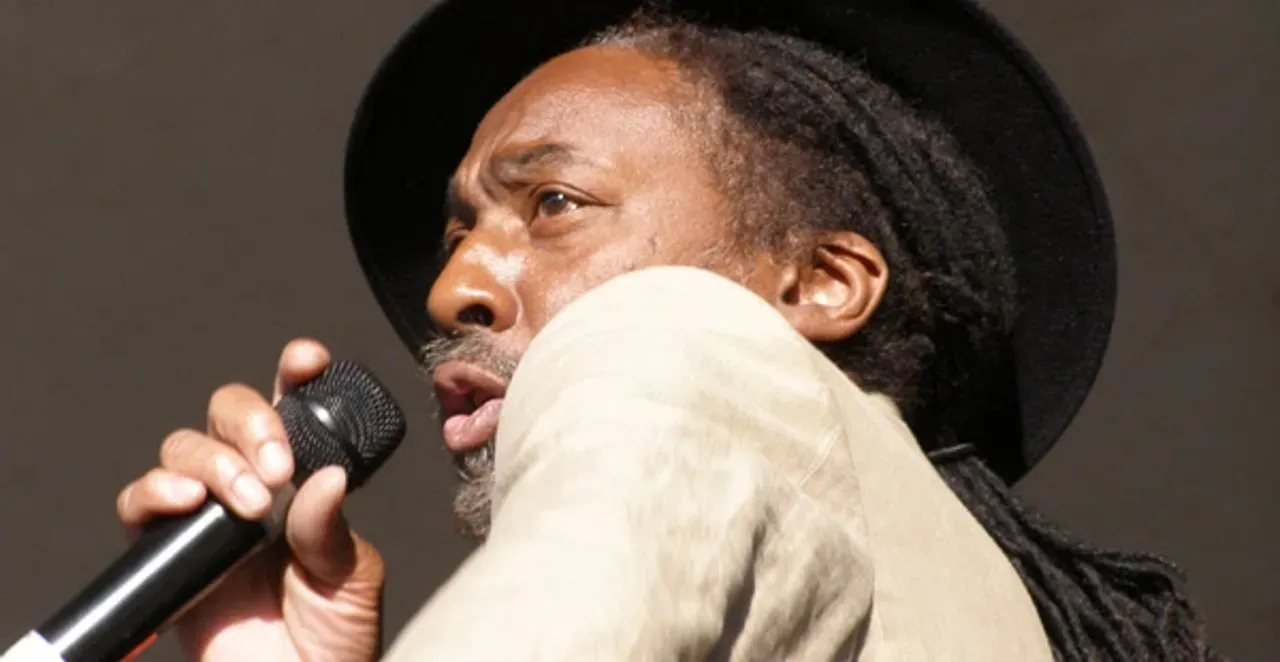
Gaye fought Motown’s label bosses to make this record, a song cycle about war, poverty, and police violence told through the eyes of a returning Vietnam veteran. It was a sharp turn from the label’s usual formula of tight singles, and the risk paid off both artistically and commercially. The title track and “Mercy Mercy Me (The Ecology)” became hits that proved social commentary could still move units.
More than five decades later, the album’s themes have aged in an uncomfortable way, feeling just as relevant during moments of civil unrest as they did on release. Soul and hip-hop artists still cite it as a blueprint for combining personal vulnerability with political weight.
Born to Run – Bruce Springsteen (1975)
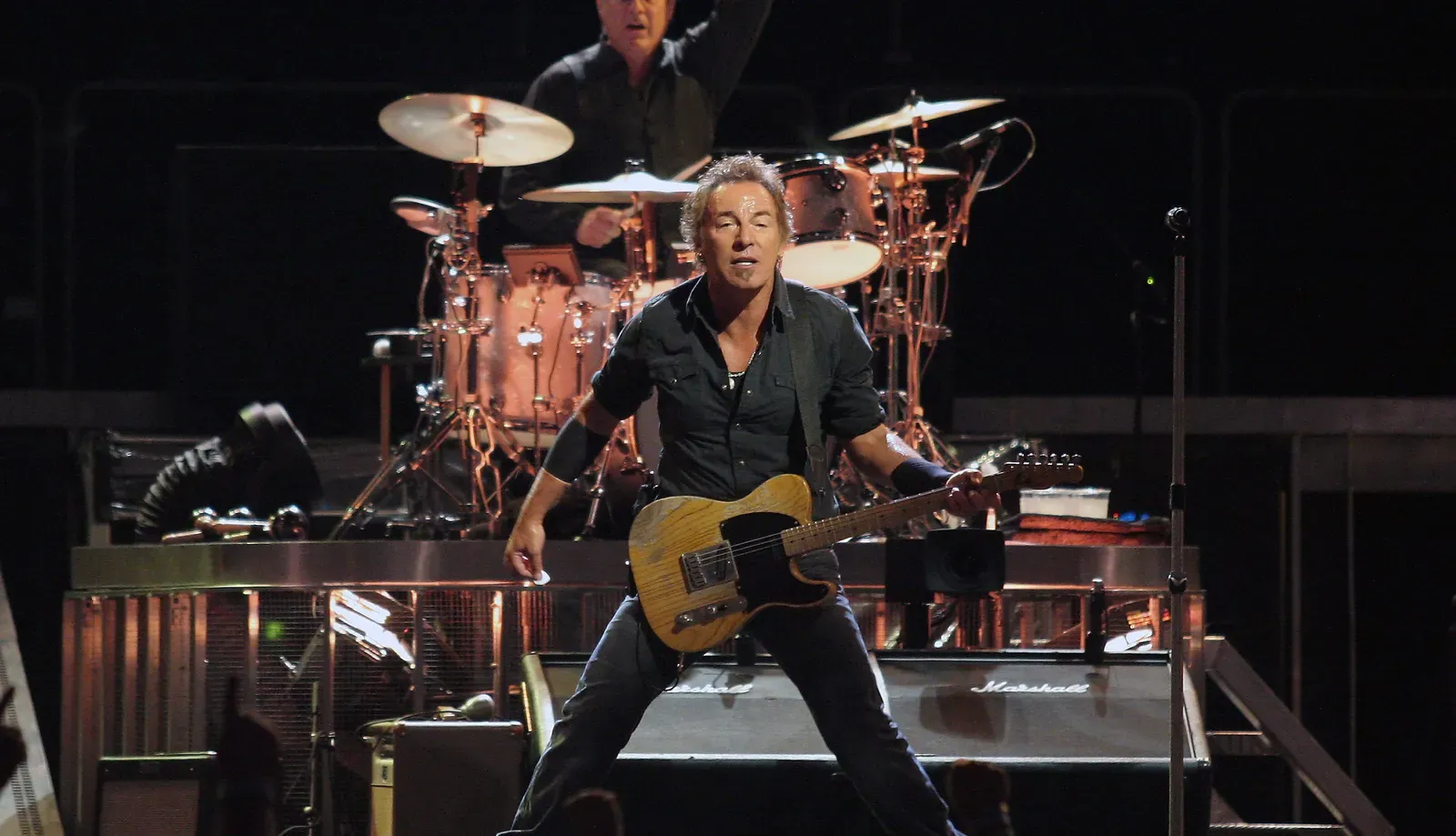
Springsteen spent months obsessing over the production, chasing a “Wall of Sound” ambition that nearly bankrupted the sessions before Columbia stepped in. The gamble worked. The title track and “Thunder Road” turned working-class New Jersey into a kind of mythic American landscape, all cars, girls, and highways leading somewhere better.
It’s the record that made Springsteen a national figure rather than a regional curiosity, landing him on the covers of Time and Newsweek in the same week. Even now, the album gets cited as a reference point whenever critics talk about heartland rock and its lasting grip on American radio.
Songs in the Key of Life – Stevie Wonder (1976)
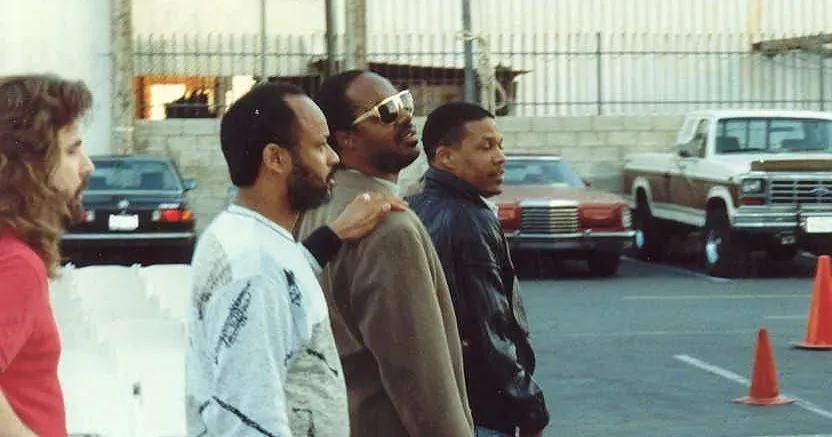
Wonder was already one of the most acclaimed songwriters alive when he released this sprawling double album, and it somehow expanded his ambition even further. Covering everything from childhood nostalgia to spiritual reflection, it moved through funk, gospel, and jazz without losing its emotional center. Tracks like “Isn’t She Lovely” and “Sir Duke” became standards almost instantly.
Its scale, over ninety minutes of music, was unusual for a pop release at the time and remains ambitious by today’s streaming-era standards. Musicians across generations, from hip-hop producers to contemporary R&B singers, still sample and reference it regularly.
Thriller – Michael Jackson (1982)
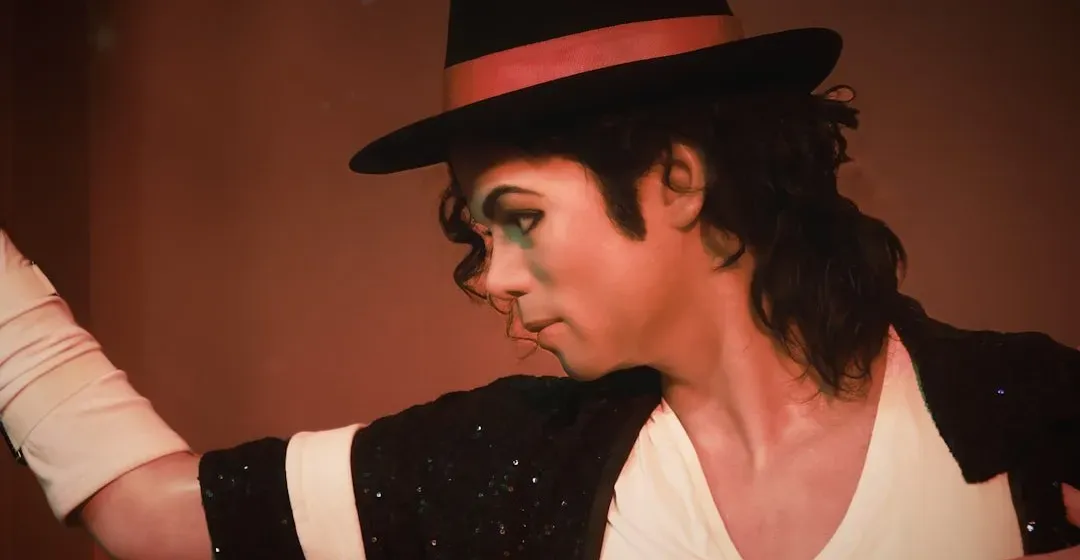
Thriller was released through Sony Music Entertainment’s Epic Records and spent 37 nonconsecutive weeks at No. 1 on the Billboard 200 albums chart, generating a record seven top 10 singles on the Billboard Hot 100, including two No. 1s in “Billie Jean” and “Beat It.” Its certification history has shifted over the years as the RIAA updated its counting methods, but the Eagles’ Their Greatest Hits 1971-1975 is now certified 38x platinum in the United States, making it the best-selling album domestically, with Thriller currently second at 33x platinum.
Partner offer
Globally the picture looks different. On the global charts, Michael Jackson still reigns, with Thriller having sold more than 70 million copies worldwide. The music videos for the album, especially the title track’s short film, changed how artists marketed records and helped turn MTV into a cultural force.
Purple Rain – Prince and the Revolution (1984)
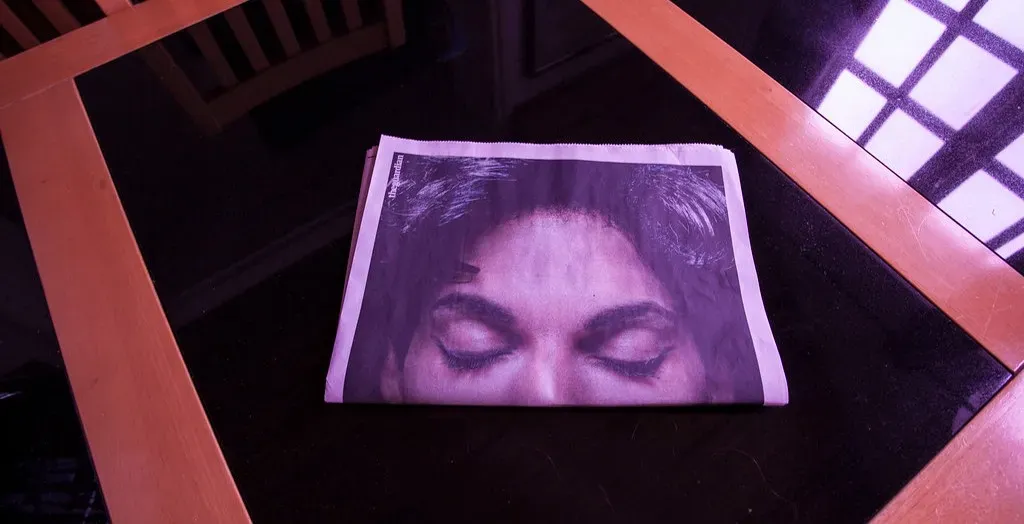
Recorded as the soundtrack to Prince’s semi-autobiographical film, this album fused rock guitar theatrics with funk rhythm and pop songwriting in a way few artists could pull off convincingly. “When Doves Cry” topped the charts with no bassline at all, a choice that seemed almost reckless at the time. “Purple Rain” itself became a stadium anthem, one of those closing-song moments that other artists still try to replicate.
The album won an Academy Award for its film score and cemented Prince as an artist capable of crossing genre lines without diluting his identity. Decades on, it’s still regularly cited by guitarists and producers as a study in genre-blurring confidence.
Nevermind – Nirvana (1991)
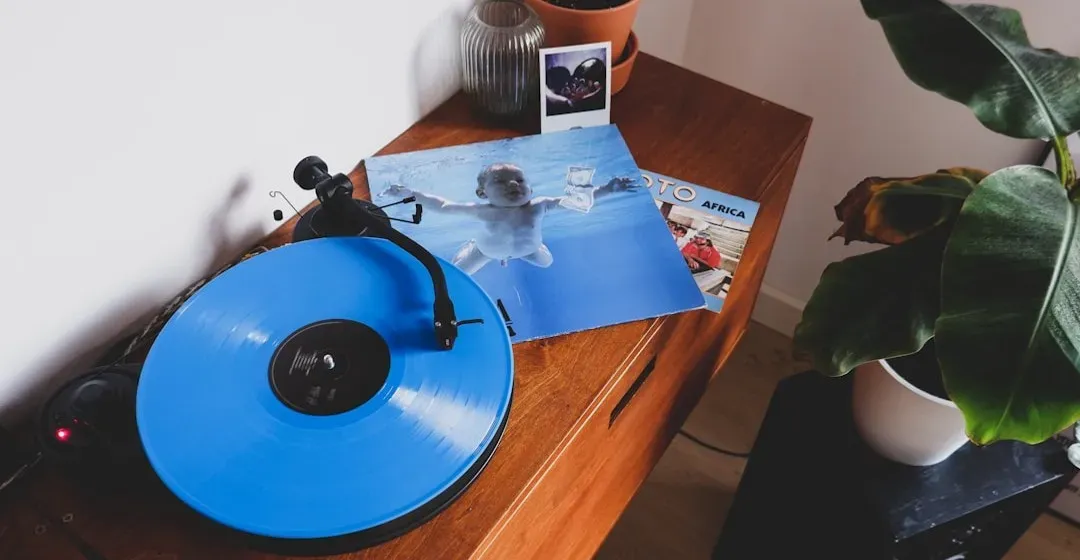
Nobody at Geffen Records expected this record to outsell Michael Jackson on the Billboard charts, but “Smells Like Teen Spirit” turned Kurt Cobain’s Aberdeen, Washington band into an unlikely phenomenon. The album effectively ended the commercial dominance of hair metal almost overnight, replacing polished excess with raw, unresolved teenage frustration. Its production, handled by Butch Vig, balanced pop hooks with punk aggression in a way that felt genuinely new to mainstream radio.
Grunge as a movement owes much of its commercial breakthrough to this single release. Even listeners who weren’t alive in 1991 tend to recognize the opening riff within a few seconds, which says something about how deeply it embedded itself in pop culture.
Illmatic – Nas (1994)

At just twenty years old, Nas delivered a debut that many hip-hop critics still consider the genre’s high-water mark for lyrical density and storytelling. Built around production from a rotating cast that included DJ Premier, Pete Rock, and Q-Tip, the record captured Queensbridge housing projects with a specificity that felt almost cinematic. It wasn’t a huge commercial smash on arrival, but its critical reputation only grew with time.
Rappers from Kendrick Lamar to J. Cole have referenced it as a formative influence, and it regularly tops critic polls ranking the greatest hip-hop albums ever made. For a record barely forty minutes long, its shadow over the genre has been unusually long-lasting.
Blue – Joni Mitchell (1971)
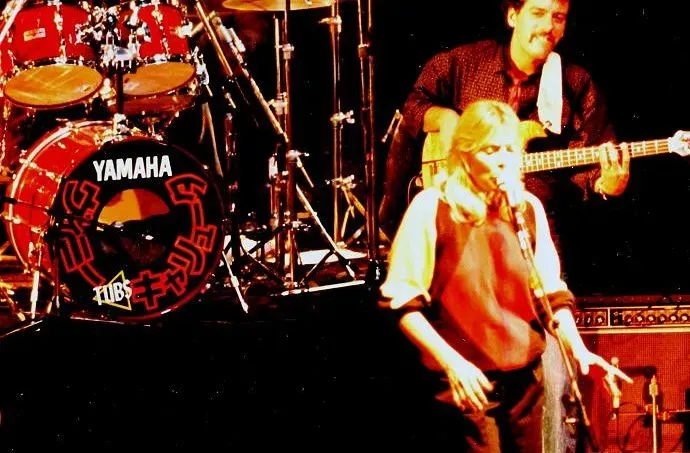
Recorded in the aftermath of a breakup, this album stripped songwriting down to something almost uncomfortably direct, with Mitchell’s voice and dulcimer carrying most of the emotional weight. Tracks like “River” and “A Case of You” became reference points for confessional songwriting long before that term was common in music criticism. Its influence stretches across genres, showing up in artists as different as Taylor Swift and Phoebe Bridgers.
What set it apart at the time was Mitchell’s refusal to soften the vulnerability for commercial ease. Rolling Stone and other major outlets have consistently ranked it among the greatest albums ever recorded, and it still gets cited as a benchmark for lyrical honesty.
Rumours – Fleetwood Mac (1977)
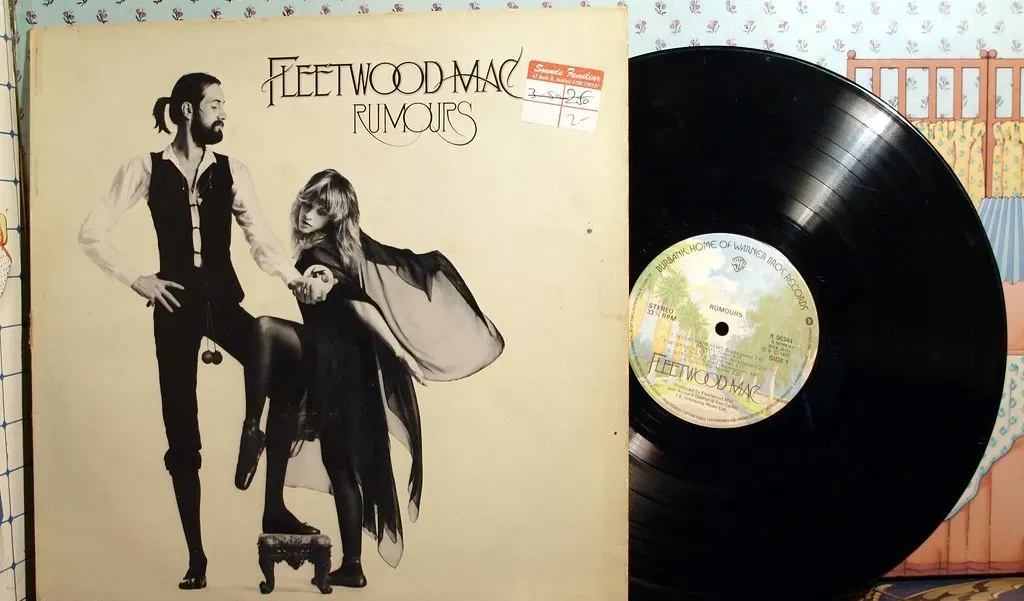
Made while three of the band’s five members were breaking up with each other simultaneously, this record turned real-life heartbreak into some of the tightest pop songwriting of the decade. “Go Your Own Way,” “Dreams,” and “The Chain” all came out of that tension, giving the album an emotional charge that studio polish couldn’t hide. It became one of the defining sounds of American FM radio in the late seventies.
Its appeal has proven remarkably durable, resurfacing with new audiences through streaming and viral moments decades after release. Few albums manage to sound both meticulously crafted and genuinely raw at the same time, and that tension is a big part of why it still gets played.
Where These Records Leave Us

None of these albums were guaranteed successes when they were recorded. Several were financial risks, creative gambles, or personal crises turned into art, which might explain why they’ve held up better than more calculated hits from the same eras.
Whether you’ve heard all ten or just a couple, they remain a fairly reliable map of how American music kept reinventing itself across jazz, rock, soul, and hip-hop. That’s probably the simplest reason they still get talked about.
Partner offer
Planning a trip to Vegas?
Compare hotel rates and show tickets on VEGAS.com.