Every so often a song gets remembered less for its verses and more for the odd little sound stitched between them. A grunt, a holler, a stray “yeah” tossed off in the vocal booth ends up outliving the hook it was supposed to support. These moments rarely start on paper. They show up in the studio, survive a few takes nobody meant to keep, and somehow become the part everyone quotes. What follows is a look at nine ad-libs that were never part of the written lyric sheet but became inseparable from the songs and artists they belong to. Some come from decades-old soul records, others from the last twenty years of hip-hop. All of them prove that the best moment in a song is sometimes the one nobody planned.
James Brown’s grunts and hollers
James Brown didn’t write his exclamations into any lyric sheet, he simply let them happen in the moment, and they became as recognizable as his footwork. His catalogue is full of these vocal tics, from sharp “Hunh!” bursts to drawn out “Ooh” sounds that seem to punctuate the groove rather than the words. James Brown was famous for going “ow!” and was also famous for variations of “Hunh!”, “Heh!”, “Whoa”, “Ooh”, and “Hey!”
These interjections weren’t decorative filler, they were structural. Brown used them to cue his band, mark a breakdown, or simply release the physical intensity of a performance that was as much dance as it was singing. Decades later, producers sampling his catalogue often kept these grunts intact, treating them less like vocals and more like percussion.
Aretha Franklin’s “sock it to me” in Respect
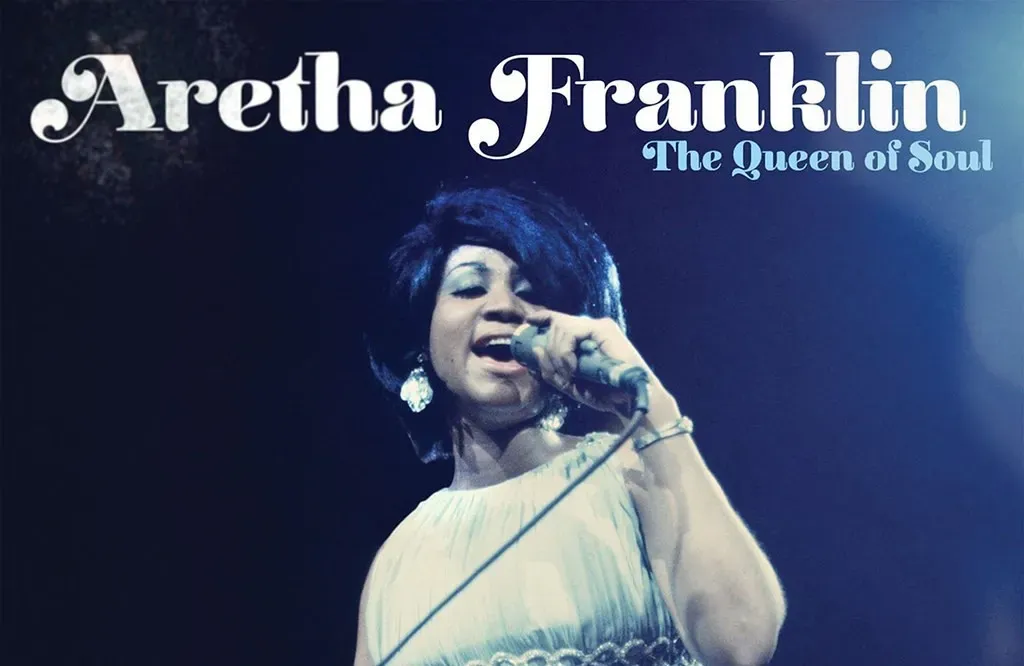
Otis Redding wrote “Respect” as a fairly straightforward plea from a working man to his partner. When Aretha Franklin and her sister Erma reworked it for her 1967 recording, the arrangement changed dramatically, and somewhere in that process the background vocalists began interjecting a phrase that was nowhere in Redding’s original.
The now famous “sock it to me, sock it to me” refrain, sung by the backing singers, turned the song from a request into something closer to a demand, and gave the record its second, unmistakable hook. It’s a good example of how a song can be rewritten almost entirely through arrangement and vocal texture rather than new lines on a page.
Rick Ross’s grunt
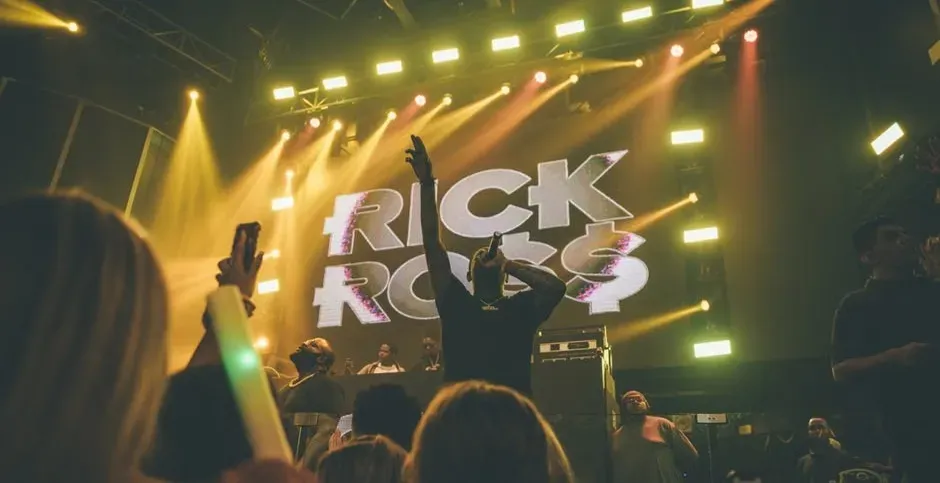
Few ad-libs are as instantly identifiable as Rick Ross’s low, guttural grunt, a sound that has nothing to do with any lyric and everything to do with his persona. The holy grail of ad-libs, the crowned king of the grunt, Rick Ross’s grunt helped define rap in the late ’00s, becoming as popular as his features themselves.
What makes the grunt interesting is how functional it became. A verse marked by the grunt at Rozay’s peak pretty much assured a hit. It wasn’t written into any verse, yet it turned into a kind of signature stamp, a way of announcing his presence on a track before a single word of rhyme arrived.
Lil Jon’s “Yeah! Okay! What!”
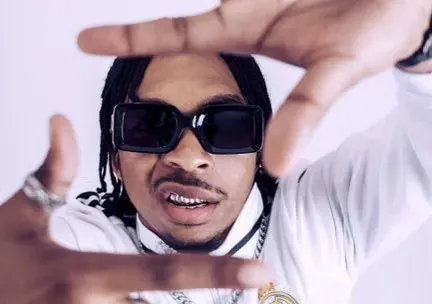
Lil Jon didn’t build his crunk-era hits around clever wordplay so much as around volume and repetition, and his three signature exclamations became the connective tissue of an entire subgenre. Lil Jon’s “What! Okay! Yeah!” set the tone for his most turned up records, appearing as rhetorical questions in nearly all of his songs.
None of those words started life as lyrics in the traditional sense. They were closer to crowd-control tools, shouted in the studio the way a hype man might shout them at a club, and then left in because they simply worked. The effect was blunt but undeniable, turning otherwise simple tracks into anthems built for shouting back.
Big Sean’s “Oh God!”
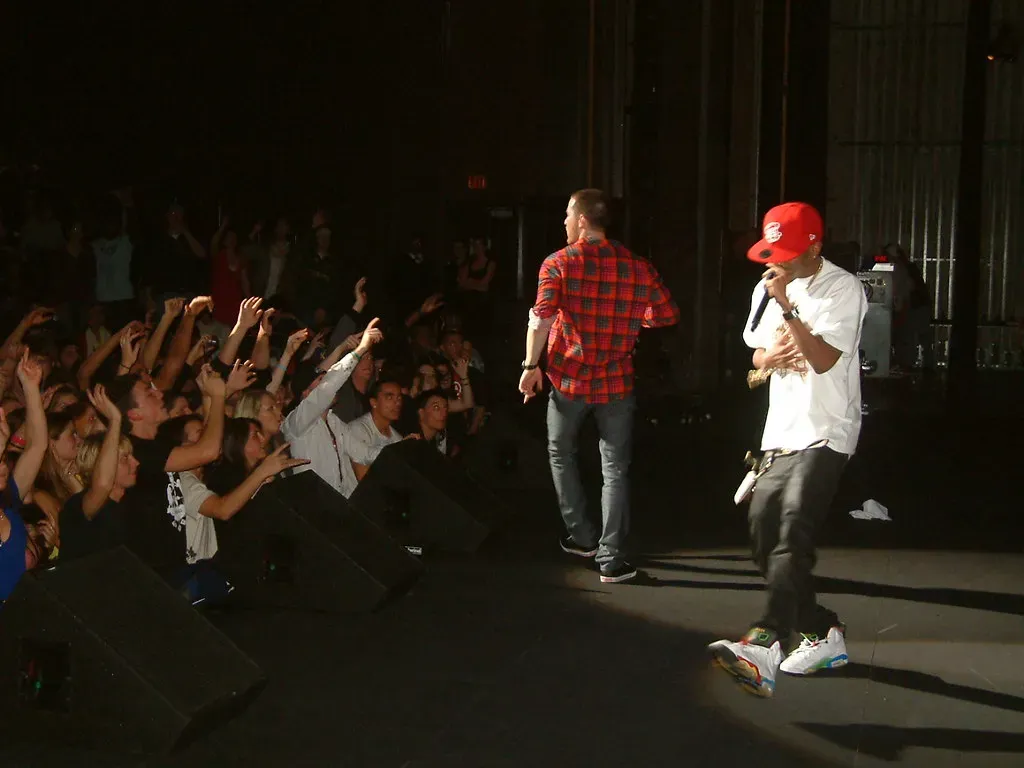
Big Sean’s career has been shaped almost as much by a two word exclamation as by his actual bars. Big Sean’s “Oh God!” tag phrase is tied to him for most likely the rest of his career, to the point that it’s almost impossible to imitate one of his raps without including it.
The phrase reportedly began as an unscripted reaction during recording sessions, a burst of genuine excitement at a punchline landing well. Over time it became so associated with his voice that fans and impersonators alike treat it as a mandatory part of the Big Sean formula, even though it never once appeared as a written lyric.
Partner offer
Travis Scott’s “It’s lit”
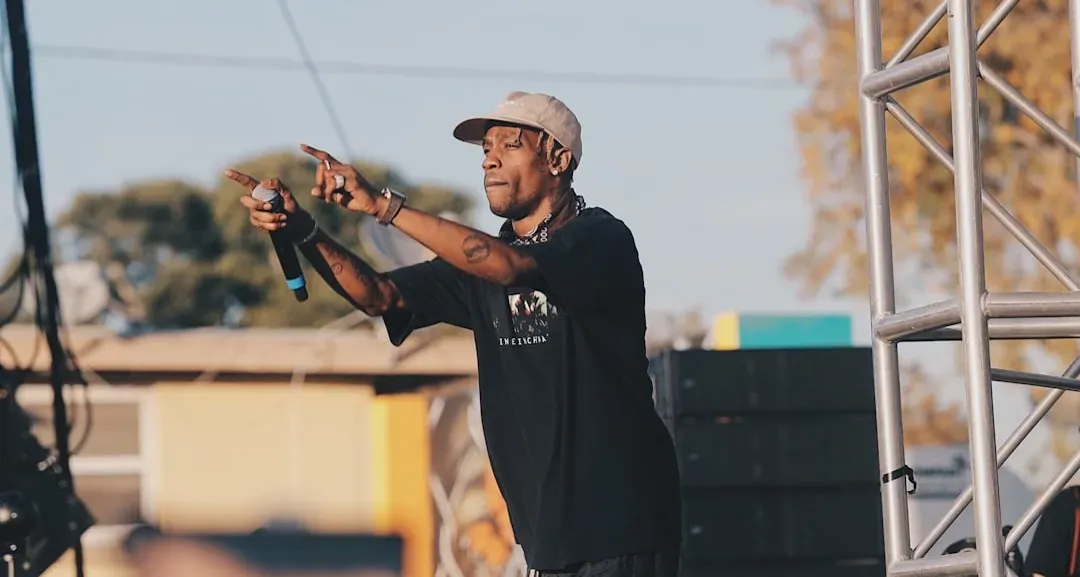
Travis Scott didn’t invent the phrase “it’s lit,” but he adopted it so thoroughly that the two became synonymous for a stretch of the mid-2010s. The phrase came into popular culture around 2015, and for Travis Scott, it never left, as he yelled it out in a quick high-pitched chirp at the end of nearly every bar.
It functioned less as a lyric and more as punctuation, a way of stamping his voice onto tracks even when the written verse belonged to someone else. The ad-lib’s peak came somewhere around his 2015 album Rodeo, an album where the phrase felt baked into the record’s DNA rather than added afterward.
Birdman’s bird call
Some ad-libs are so unlikely that they only work because of who’s delivering them, and Birdman’s literal bird sound is a prime example. Birdman’s ad-lib of a literal bird sound has potential to sound laughable if coming from literally anyone else, and even from Birdman, it’s a little bit funny.
On “What Happened to That Boy,” the sound wasn’t a background flourish, it effectively became the song’s chorus. In that song, the bird sound is the chorus, and paired with Birdman’s distinct handrub, it became one of the most famous gestures and sound combos in rap history. It’s hard to imagine a lyric sheet ever containing that instruction, yet it’s now inseparable from the record.
2 Chainz’s “Truuu”
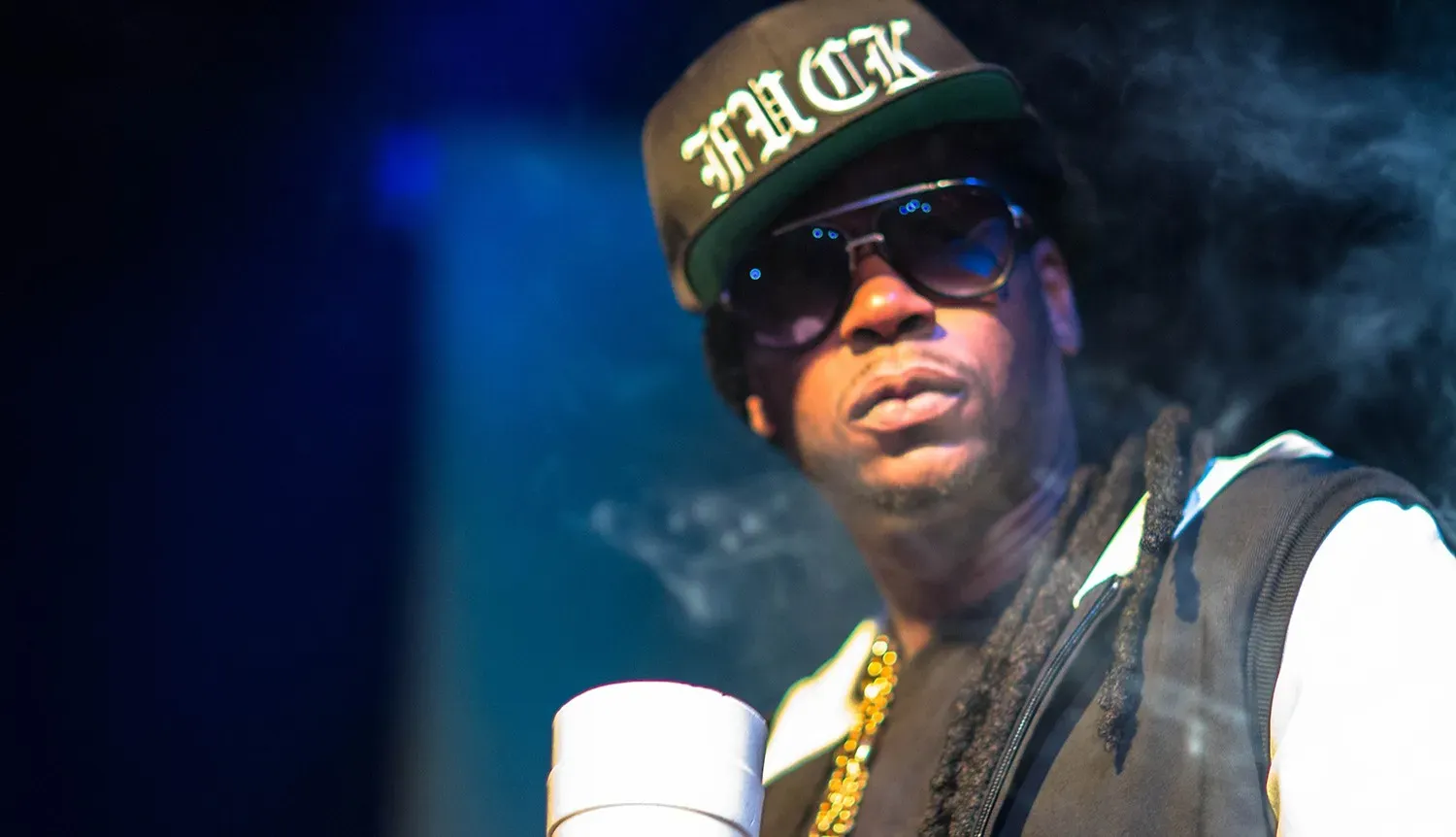
2 Chainz built a recognizable vocal identity around a single drawn out word that had nothing to do with the actual content of his verses. It’s typical of 2 Chainz to proclaim “Truuuu” at the beginning and throughout many of his songs, a habit that has become a kind of running joke about how many chains he actually has.
The ad-lib works partly because of its flexibility. It can affirm a punchline, react to a beat drop, or simply fill space between bars, and none of those uses required it to ever be written into the song’s actual lyrics. It became shorthand for his voice long before most listeners could name a single verse he’d written.
Beyoncé’s “uh-oh” bridge in Crazy in Love
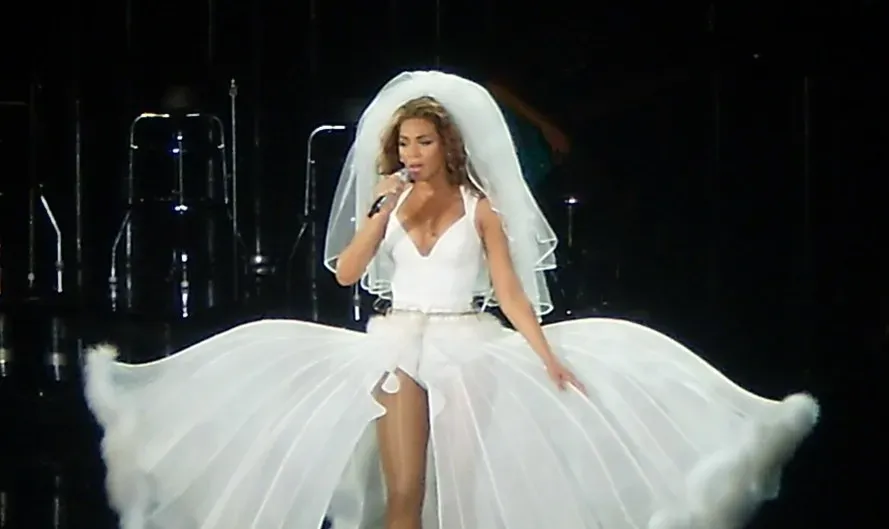
“Crazy in Love” is remembered for its horn sample and Jay-Z’s guest verse, but the bridge section, built around a repeated “uh-oh, uh-oh, uh-oh oh no no” vocal, has long been described by those close to the session as something closer to an improvised placeholder than a finished lyric. The line stuck around because it fit the groove so naturally that removing it would have left an obvious gap. That kind of accidental permanence is common with ad-libs. What starts as a scratch vocal, meant to be replaced later with real words, sometimes turns out to be more memorable than anything written to replace it, and producers end up building the final mix around the “mistake” instead of erasing it.
A pattern worth noticing
Looking at these nine examples together, a pattern emerges that has nothing to do with genre or decade. Whether it’s Aretha Franklin’s backing singers in 1967 or Travis Scott in a 2015 booth, the best ad-libs tend to arrive when an artist stops thinking about the lyric sheet and starts reacting to the moment. The sound becomes a kind of signature precisely because nobody planned it that carefully.
It also says something about how songs actually get finished. Lyrics get written, revised, and polished, but the human noise around them, the grunt, the holler, the stray exclamation, often survives untouched because it captures something a written line simply can’t. That’s probably why these moments stick in memory long after the rest of the verse fades.
Partner offer
Planning a trip to Vegas?
Compare hotel rates and show tickets on VEGAS.com.